The general who commanded from a bunker while his troops retreated
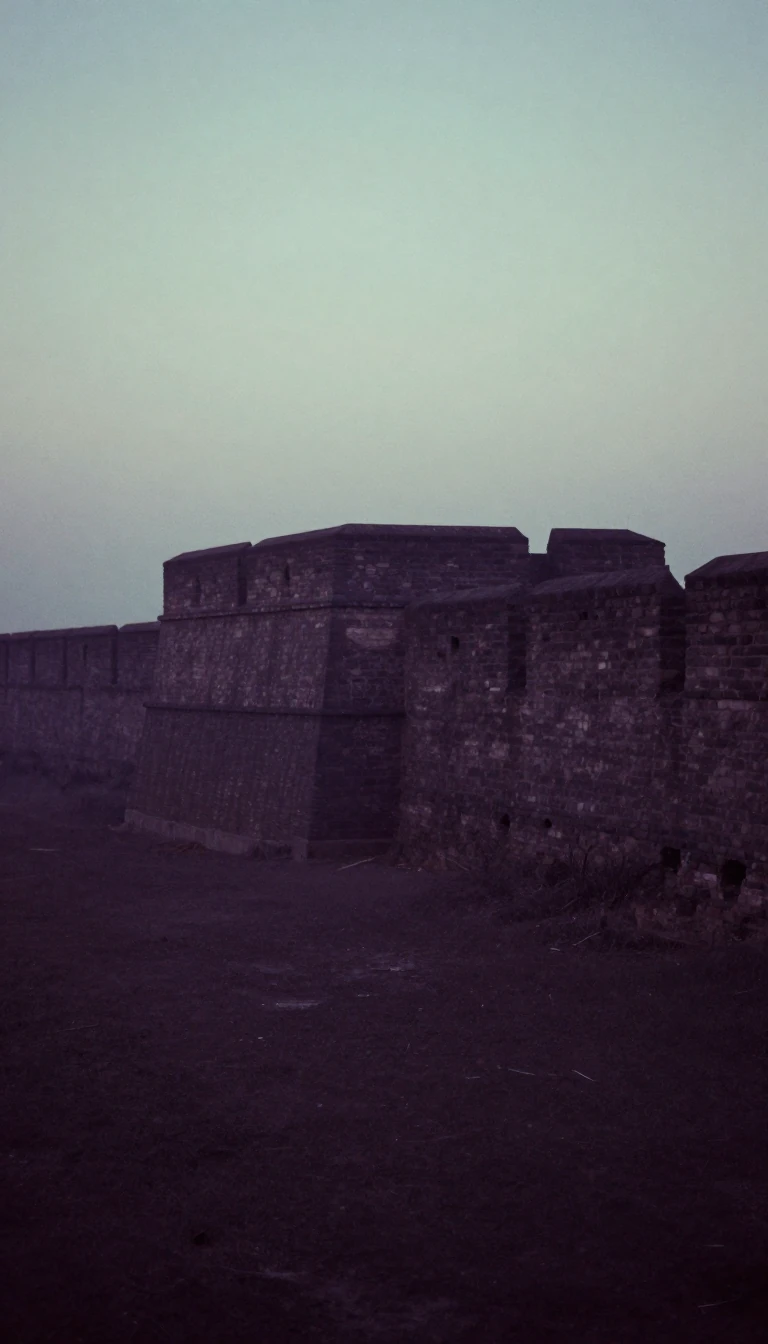
In short: In 1943, the American defeat at Kasserine Pass became a symbol of leadership failure. While his soldiers faced German forces in North Africa, Lieutenant General Lloyd Fredendall directed the battle from a massive, rock-drilled bunker 70 miles behind the front lines.
Lloyd Fredendall’s command of the II Corps during the Tunisian Campaign was marked by a profound disconnect between headquarters and the front lines. Rather than engaging in reconnaissance, Fredendall established a sophisticated command post in Speedy Valley, a complex of two U-shaped bunkers carved into solid rock. This headquarters, which took three weeks to construct, was protected by an anti-aircraft battalion and even featured a bulletproof Cadillac, a luxury that drew criticism from subordinates like Brigadier General Omar Bradley, who called the setup an 'embarrassment to every American soldier.'
His leadership style was characterized by a disregard for standard military procedure and the expertise of his officers. A graduate of the Command and General Staff School, Fredendall abandoned standardized map grids in favor of confusing, idiosyncratic codes, such as referring to locations as 'the place that begins with C.' He frequently ignored the advice of commanders who were actually observing the terrain and often split his units into 'penny packet' forces that were too far apart to provide mutual support or utilize artillery effectively.
The consequences of this approach were disastrous during the Battle of Kasserine Pass in February 1943. Under pressure from German commanders Erwin Rommel and Hans-Jürgen von Arnim, American forces suffered a significant rout. The lack of coordination and the confusion caused by Fredendall's orders led General Dwight D. Eisenhower to relieve him of command on March 5, 1943. He was replaced by the more aggressive Major General George S. Patton. Despite the failure, Fredendall was later promoted to lieutenant general and returned to the United States to lead the Second Army, where he was greeted as a hero.
While some, like Patton, initially viewed him with a degree of sympathy, others were far more scathing. Major General Ernest N. Harmon described him as a 'moral and physical coward,' and historians have labeled him one of the most inept senior officers of the war.
Opens the Intellect+ feed with this card first. Swipe up for the next one.
Sources
- Summary by Intellect · source: Lloyd Fredendall
To cite this card, link to https://intellectplus.co.uk/app/wars-lloyd-fredendall.
How we source, check and correct cards: Editorial standards.
General information, not professional advice. Spotted an error? Flag the card or see corrections and complaints.
Intellect Plus is a visual educational discovery platform for exploring fascinating facts and ideas. Brain Food, Not Brain Rot. What is Intellect Plus?
Related
More in World wars era · More in Wars & Conflicts · Latest · A–Z · All topics
