The broomhandle pistol that shaped the twentieth century's most violent conflicts
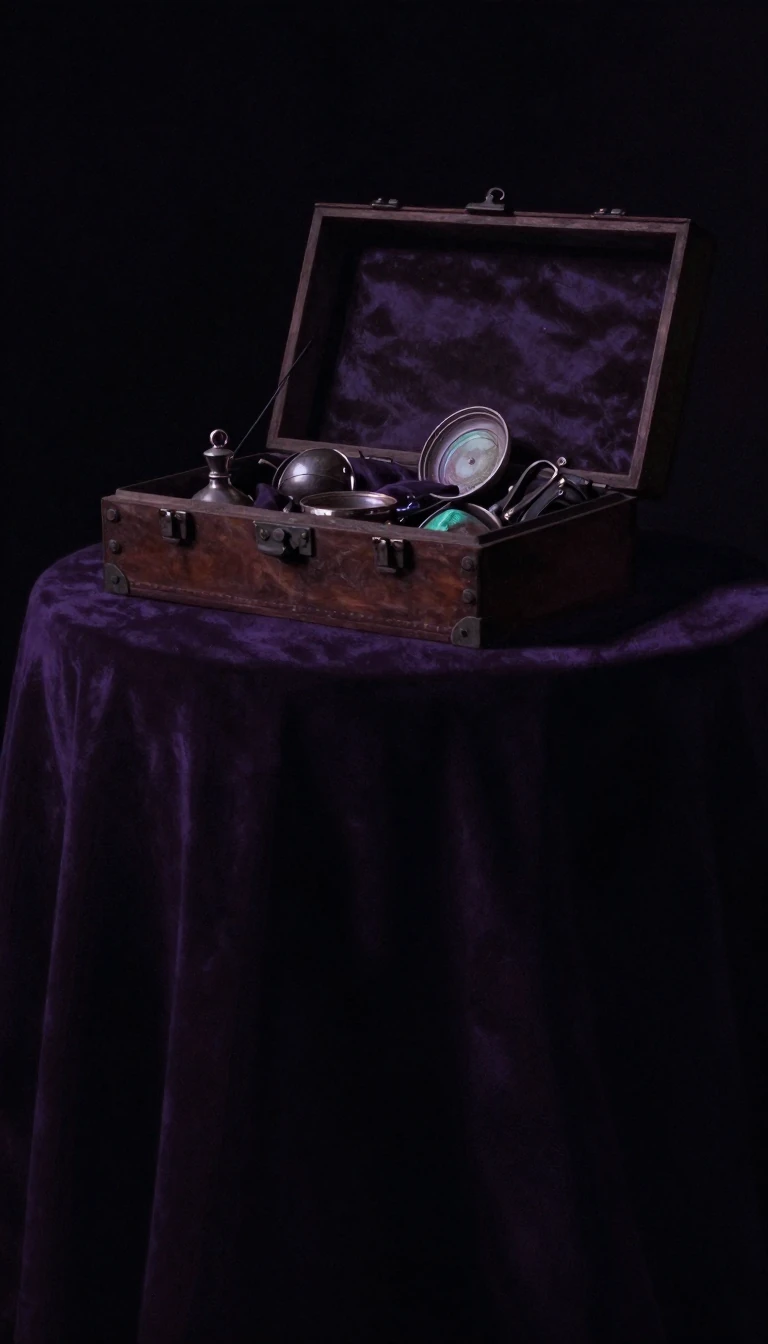
In short: From the trenches of World War I to the Chinese Civil War, the Mauser C9<0xC2>6 was more than a sidearm. With its high-velocity rounds and rifle-like stability, this German masterpiece became a global icon of revolution, assassination, and imperial collapse.
Produced by the German manufacturer Mauser from 1896 to 1937, the C96—or 'Construktion 96'—was a technological marvel of its era. Its defining feature was a high-velocity 7.63×25mm cartridge, which provided superior range and penetration compared to contemporary pistols. In fact, this cartridge remained the highest-velocity commercially manufactured pistol round until the .357 Magnum arrived in 1935. The weapon's unique design included an integral box magazine in front of the trigger and a wooden shoulder stock that doubled as a holster, providing the stability of a short-barreled rifle.
The pistol's distinctive grip earned it the nickname 'broomhandle' in English, while in China, it was known as the 'box cannon' due to its rectangular magazine. Its reach was truly global. It was used by Winston Churchill at the Battle of Omdurman and the Boer War, and carried by Lawrence of Arabia. In the Russian Civil War, it became a staple for Bolshevik commissars, earning the nickname 'the Mauser.' It even played a role in the 1918 execution of the Russian imperial family by revolutionaries Yakov Yurovsky and Peter Ermakov.
The C96's history is also one of adaptation and political constraint. Following the 1919 Treaty of Versailles, German manufacturers faced strict limits on barrel length and caliber. This led to the creation of 'M1920' models with shortened 99-millimeter barrels. Meanwhile, in China, the C96 became a mainstay during the Warlord Era because European arms embargoes prevented the import of heavier rifles. Despite the end of official Mauser production in 1937, unlicensed copies continued to be manufactured in Spain and China throughout the first half of the 20th century.
Opens the Intellect+ feed with this card first. Swipe up for the next one.
Sources
- Summary by Intellect · source: Mauser C96
- Also: Zenodo (CERN European Organization for Nuclear Research) — Mauser C96 · cc-by
To cite this card, link to https://intellectplus.co.uk/app/wars-mauser-c96.
How we source, check and correct cards: Editorial standards.
General information, not professional advice. Spotted an error? Flag the card or see corrections and complaints.
Intellect Plus is a visual educational discovery platform for exploring fascinating facts and ideas. Brain Food, Not Brain Rot. What is Intellect Plus?
Related
More in 19th-century wars · More in Wars & Conflicts · Latest · A–Z · All topics
