How a single pharaoh’s administrative shift decentralized power in Ancient Egypt
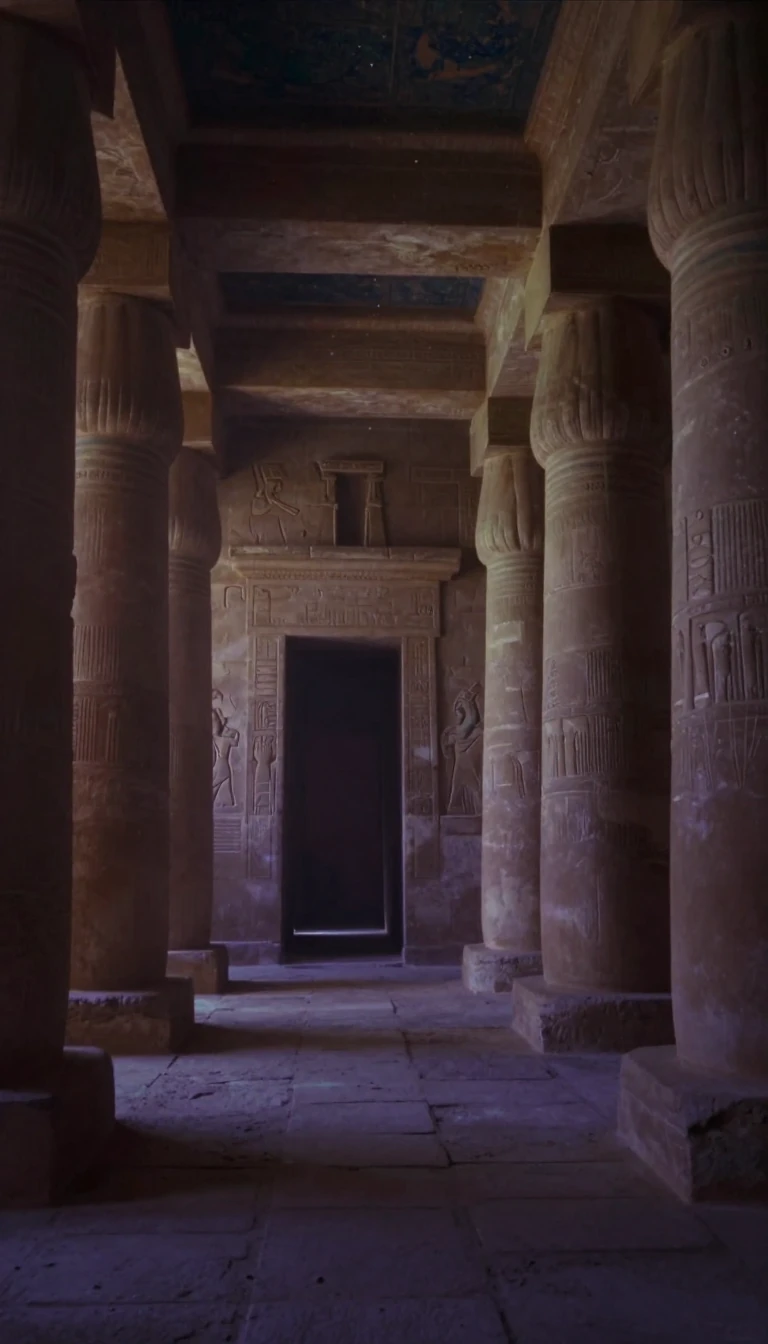
In short: Merenre Nemtyemsaf I presided over a pivotal moment in the Old Kingdom. By shifting how Egypt managed its resources, he inadvertently empowered provincial nobles, creating a blueprint for political independence that would eventually reshape the kingdom's central authority.
During the early 23rd century BC, Merenre Nemtyemsaf I ruled as the fourth king of the Sixth Dynasty. His reign, lasting between six and eleven years, occurred toward the end of the Old Kingdom. While his predecessors maintained a tight grip on the capital of Memphis, Merenre oversaw a profound administrative restructuring. The central government saw a steep decline in size, while the number of provincial administrators in southern Egypt increased significantly.
This shift had immediate and lasting economic consequences. Provincial nobility were granted responsibility for tax collection and resource management, granting them unprecedented political independence and economic power. Such a shift towards decentralisation triggered a transformation in funerary customs; notably, top-tier leaders—such as nomarchs, Upper Egypt's governors, and viziers—started interment within local regions instead of the primary city. This move signaled a move away from the unified royal focus of the early Old Kingdom.
Despite this internal decentralization, Merenre remained an active participant in international trade and resource extraction. He commissioned a canal to navigate the first cataract into Nubia, facilitating the transport of incense, ebony, ivory, and exotic animals via caravans of hundreds of donkeys. He also maintained trade with the Levantine coast for silver, tin, and lapis lazuli. His legacy is physically preserved in a pyramid complex at Saqqara, which featured subterranean chambers inscribed with the Pyramid Texts, though the identity of the mummy found in his sarcophagus remains a subject of scholarly debate.
Merenre's reign serves as a case study in the mechanics of imperial overstretch. By delegating the 'dirty work' of governance to local elites to maintain trade and stability, the monarchy traded long-term central control for short-term administrative efficiency. This dynamic eventually contributed to the erosion of the Pharaoh's absolute authority, a process that would eventually lead to the transition out of the Old Kingdom era.
Opens the Intellect+ feed with this card first. Swipe up for the next one.
Sources
- Summary by Intellect · source: Merenre Nemtyemsaf I
To cite this card, link to https://intellectplus.co.uk/app/wars-merenre-nemtyemsaf-i.
How we source, check and correct cards: Editorial standards.
General information, not professional advice. Spotted an error? Flag the card or see corrections and complaints.
Intellect Plus is a visual educational discovery platform for exploring fascinating facts and ideas. Brain Food, Not Brain Rot. What is Intellect Plus?
Related
More in Ancient & biblical wars · More in Wars & Conflicts · Latest · A–Z · All topics
