How a tiny Pacific island became a fortress of World War II history
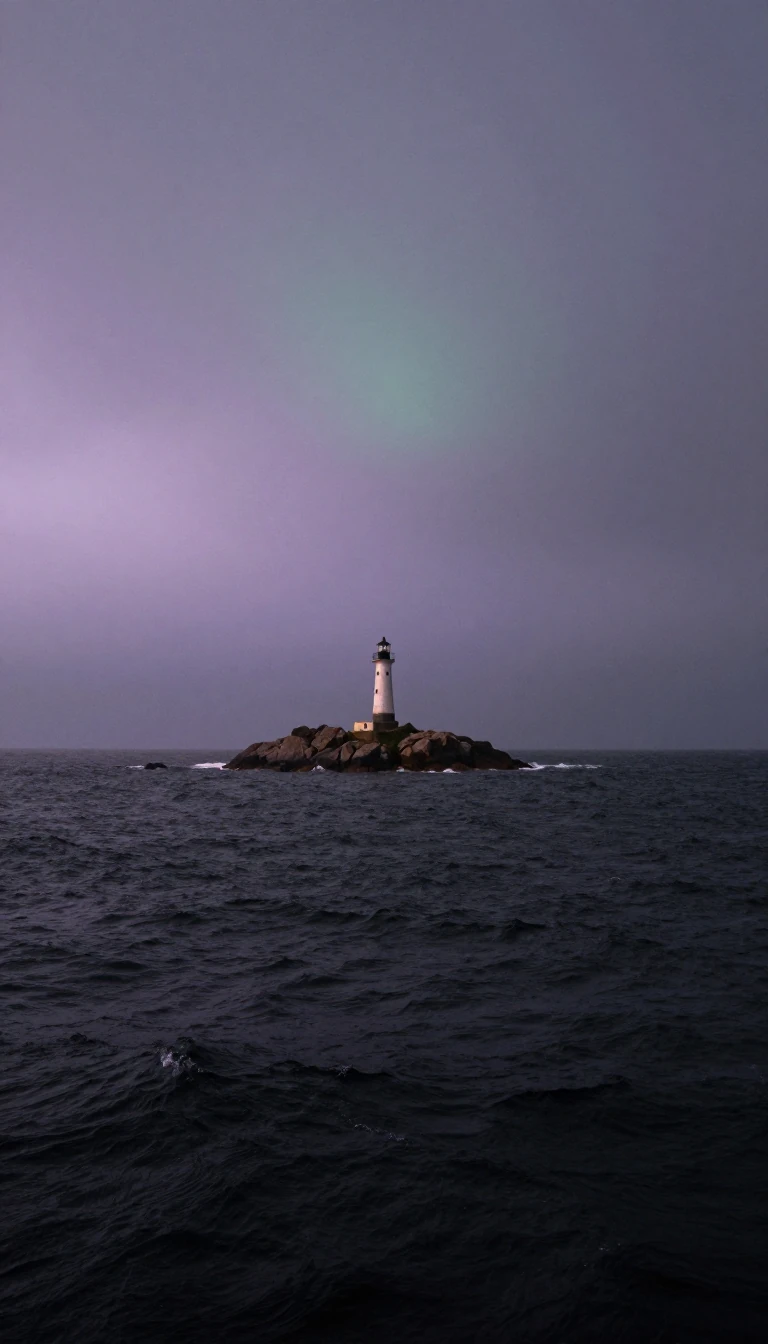
In short: Peleliu, a small island in Palau, holds a haunting legacy as the site of a brutal 1944 battle. Japanese forces transformed the island into an impenetrable defensive network, leading to thousands of casualties. Today, the island remains a preserved battlefield, serving as a solemn reminder of the Pacific war.
During World War II, the island of Peleliu was transformed into a formidable defensive stronghold by the Imperial Japanese Army. Anticipating an American invasion, Japanese engineers utilized the island's natural geography, specifically the coralline limestone caves and fissures within the Umurbrogol Mountains, also known as Bloody Nose Ridge. These natural defenses were reinforced with concrete bunkers, creating a sophisticated system that allowed defenders to withstand intense naval bombardment. By the time American forces arrived in September 1944, the Japanese were prepared to fight at nearly full capacity, resulting in weeks of intense combat and significant loss of life for both sides.
The human cost of the conflict was immense, with over 2,000 American and 10,000 Japanese soldiers killed. Local civilians were spared the direct violence of the battle, having been evacuated to other parts of Palau in 1943. The island's landscape still bears the scars of this history, with shipwrecks visible in the surrounding waters and remnants of military installations, including the airstrip, still present. In recognition of its historical significance, the entire island has been designated a United States National Historic Landmark and is listed on the National Register of Historic Places.
The aftermath of the war on Peleliu extended well beyond the official surrender. In 1947, two and a half years after the conflict ended, a group of Japanese soldiers was still hiding in the island's caves, unaware that the war had concluded. A senior Japanese military official was eventually sent to convince them to emerge. The last of these survivors, Keiji Nagai, lived until 2019. Today, the island serves as a site of reflection, featuring war memorials for both American and Japanese dead, while its geography continues to be studied for its unique ecological and historical value.
Opens the Intellect+ feed with this card first. Swipe up for the next one.
Sources
- Summary by Intellect · source: Peleliu
To cite this card, link to https://intellectplus.co.uk/app/wars-peleliu.
How we source, check and correct cards: Editorial standards.
General information, not professional advice. Spotted an error? Flag the card or see corrections and complaints.
Intellect Plus is a visual educational discovery platform for exploring fascinating facts and ideas. Brain Food, Not Brain Rot. What is Intellect Plus?
Related
More in War and military · More in Wars & Conflicts · Latest · A–Z · All topics
