The Potsdam Declaration: A Vague Ultimatum That Changed the Course of World War II
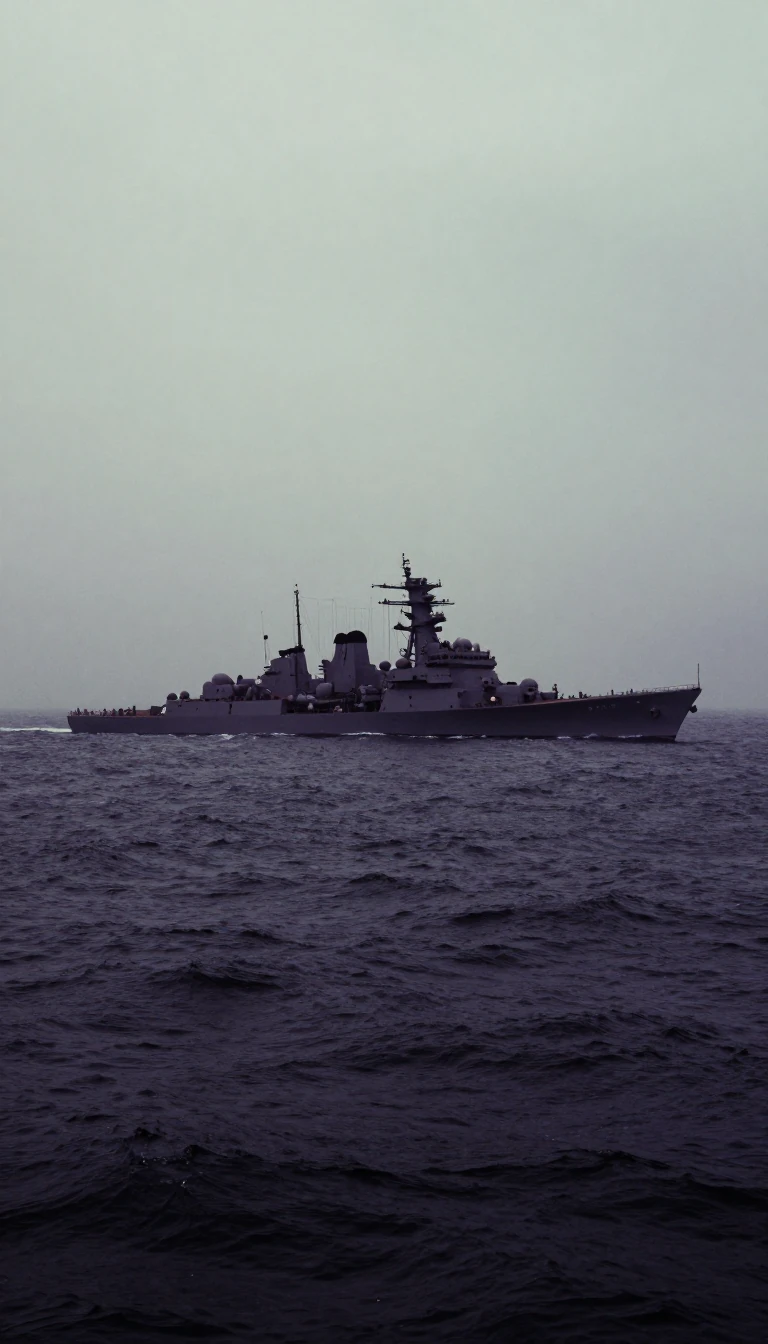
In short: Issued in July 1945, the Potsdam Declaration demanded Japan's unconditional surrender or face prompt and utter destruction. While intended to force a transition, the document’s silence on the Emperor’s fate and a controversial translation of a single Japanese word may have inadvertently accelerated the use of atomic weaponry.
On July 26, 1945, the United States, Britain, and China issued the Potsdam Declaration to outline the terms for Japan's surrender. The document was designed to eliminate the influence of those who led Japan into world conquest, disarm its military, and limit Japanese sovereignty to four main islands. Crucially, it did not explicitly mention the Emperor, leaving his future status ambiguous. This omission, combined with the Allies' desire for strategic latitude, effectively created a blank check for the occupation of Japan.
The declaration was never sent through formal diplomatic channels; instead, it was broadcast via radio and dropped as leaflets. When the Japanese government received the text, Prime Minister Kantarō Suzuki described their policy as mokusatsu. While often interpreted by the United States as a rejection, the term can also mean withholding comment. This linguistic ambiguity remains a subject of intense historical debate regarding whether it directly triggered the subsequent atomic bombings of Hiroshima and Nagasaki in August 1945.
The declaration was also a tool for managing Allied interests. China sought the complete withdrawal of Japanese forces from its territory, while Britain aimed to restore its prewar colonial possessions. The United States, meanwhile, wanted to prevent Soviet influence in East Asia. Although the Soviet Union did not sign the declaration initially, it committed to doing so upon entering the war, which it did on August 9, 1945. The document ultimately served as the legal foundation for the postwar occupation and remains a significant reference point in modern geopolitical claims, including the One-China Principle.
Opens the Intellect+ feed with this card first. Swipe up for the next one.
Sources
- Summary by Intellect · source: Potsdam Declaration
To cite this card, link to https://intellectplus.co.uk/app/wars-potsdam-declaration.
How we source, check and correct cards: Editorial standards.
General information, not professional advice. Spotted an error? Flag the card or see corrections and complaints.
Intellect Plus is a visual educational discovery platform for exploring fascinating facts and ideas. Brain Food, Not Brain Rot. What is Intellect Plus?
Related
More in UK & Ireland: wars · More in Wars & Conflicts · Latest · A–Z · All topics
