The Siegfried Line was a massive, flawed defensive project that became a nature sanctuary.
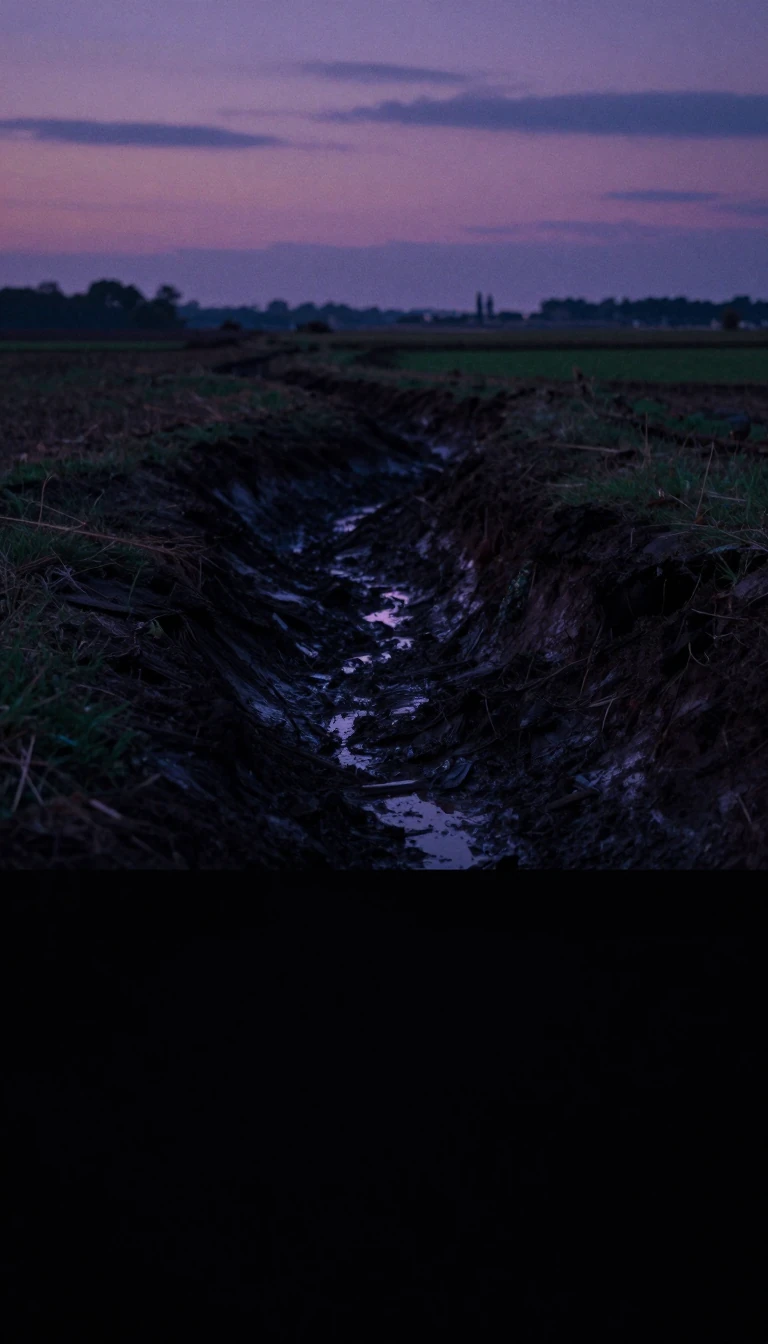
In short: Spanning over 630 kilometers, Germany's Westwall was intended to be an unbreachable barrier. Yet, it was often little more than a collection of unfinished bunkers and ineffective tank traps. Today, these concrete ruins serve a surprising new purpose: they have become a vital chain of biotopes for rare wildlife.
Initiated in 1936, the Siegfried Line, or Westwall, was designed to protect Germany's western border. It was a gargantuan undertaking involving over 18,000 bunkers, tunnels, and tank traps. Despite its scale, the project was plagued by construction delays and design flaws. By 1939, German General Alfred Jodl dismissed the line as little better than a building site, and Field Marshal Gerd von Rundstedt reportedly laughed at its inadequate weaponry and weak construction. The Reich Ministry of Public Enlightenment and Propaganda frequently used incomplete test positions to deceive foreign observers into believing the line was fully operational.
When the war in the West intensified in 1944, Hitler ordered the line's reactivation. Thousands of forced laborers, including teenagers, were conscripted to reinforce the defenses. However, the bunkers were largely incapable of resisting modern armor-piercing weapons, and the famous 'dragon's teeth' tank traps were easily bypassed by US bulldozers. The ensuing campaign, particularly the brutal Battle of Hürtgen Forest, resulted in staggering losses. US casualties for the entire Siegfried Line campaign reached approximately 140,000, including 68,000 battle casualties and over 70,000 non-battle casualties from fatigue and disease.
In the post-war era, the line’s legacy shifted from military failure to historical and ecological curiosity. While many sections were destroyed with explosives, some remnants were preserved as memorials to discourage fascist propaganda. Paradoxically, the concrete ruins have become ecological havens. Because the land surrounding these structures is unsuitable for agriculture or forestry, the ruins now support rare plants and animals, effectively turning a monument to human conflict into a protected chain of natural habitats.
Opens the Intellect+ feed with this card first. Swipe up for the next one.
Sources
- Summary by Intellect · source: Siegfried Line
To cite this card, link to https://intellectplus.co.uk/app/wars-siegfried-line.
How we source, check and correct cards: Editorial standards.
General information, not professional advice. Spotted an error? Flag the card or see corrections and complaints.
Intellect Plus is a visual educational discovery platform for exploring fascinating facts and ideas. Brain Food, Not Brain Rot. What is Intellect Plus?
Related
More in UK & Ireland: wars · More in Wars & Conflicts · Latest · A–Z · All topics
