The missile that learned to 'see' terrain before it could think
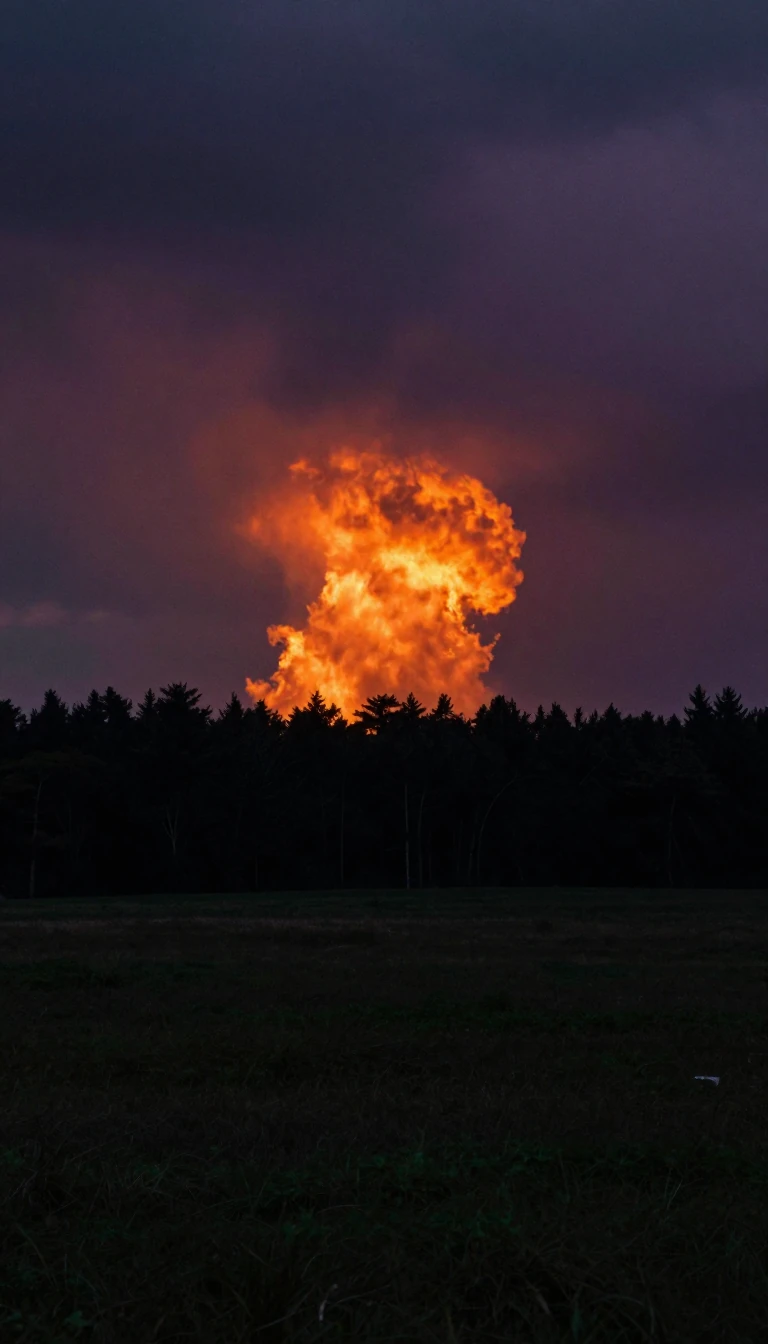
In short: In an era of limited computing power, the Tomahawk missile solved a complex navigation problem with a clever workaround: rudimentary AI. By comparing low-resolution contrast maps of the earth against real-time visual data, it could navigate through changing seasons and lighting to strike precise targets.
Developed in the 1970s at Johns Hopkins University, the BGM-109 Tomahawk was designed as a modular, long-range subsonic cruise missile. Its early development involved extensive testing between 1983 and 1993 over northern Canada to simulate Soviet terrain. This period saw the refinement of the Digital Scene Matching Area Correlator (DSMAC), a navigation system that allowed the missile to identify its location by visually comparing onboard imagery to pre-loaded maps.
Because early computers lacked the memory to process high-resolution images, engineers used a clever trick: they computed low-resolution contrast maps. The missile would combine multiple maps into a buffer and compare them against real-time visual data from onboard cameras. To handle environmental variables like seasonal foliage changes or shifting light, the system filtered out differences between the stored data and the actual ground appearance. At night, it even utilized an extremely bright strobe light to illuminate the terrain for fractions of a second.
The evolution of the Tomahawk reflects a shift toward network-centric warfare. While early versions relied on DSMAC or basic GPS, modern iterations like the Block IV (Tactical Tomahawk) introduced 'loitering' capabilities and two-way satellite data links. These allow commanders to redirect missiles in flight to one of 15 preprogrammed targets or receive real-time battle damage imagery via electro-optical sensors. This transition from a 'fire and forget' weapon to a flexible, networked asset marks the pinnacle of its technological trajectory.
The missile's manufacturing history is equally complex, involving transitions between General Dynamics, McDonnell Douglas, Hughes Aircraft, and eventually Raytheon, which remains the sole manufacturer of non-nuclear, sea-launched variants as of 2024.
Opens the Intellect+ feed with this card first. Swipe up for the next one.
Sources
- Summary by Intellect · source: Tomahawk missile
To cite this card, link to https://intellectplus.co.uk/app/wars-tomahawk-missile.
How we source, check and correct cards: Editorial standards.
General information, not professional advice. Spotted an error? Flag the card or see corrections and complaints.
Intellect Plus is a visual educational discovery platform for exploring fascinating facts and ideas. Brain Food, Not Brain Rot. What is Intellect Plus?
Related
More in Wars since 1945 · More in Wars & Conflicts · Latest · A–Z · All topics
