The hidden human cost of a high-tech naval warship
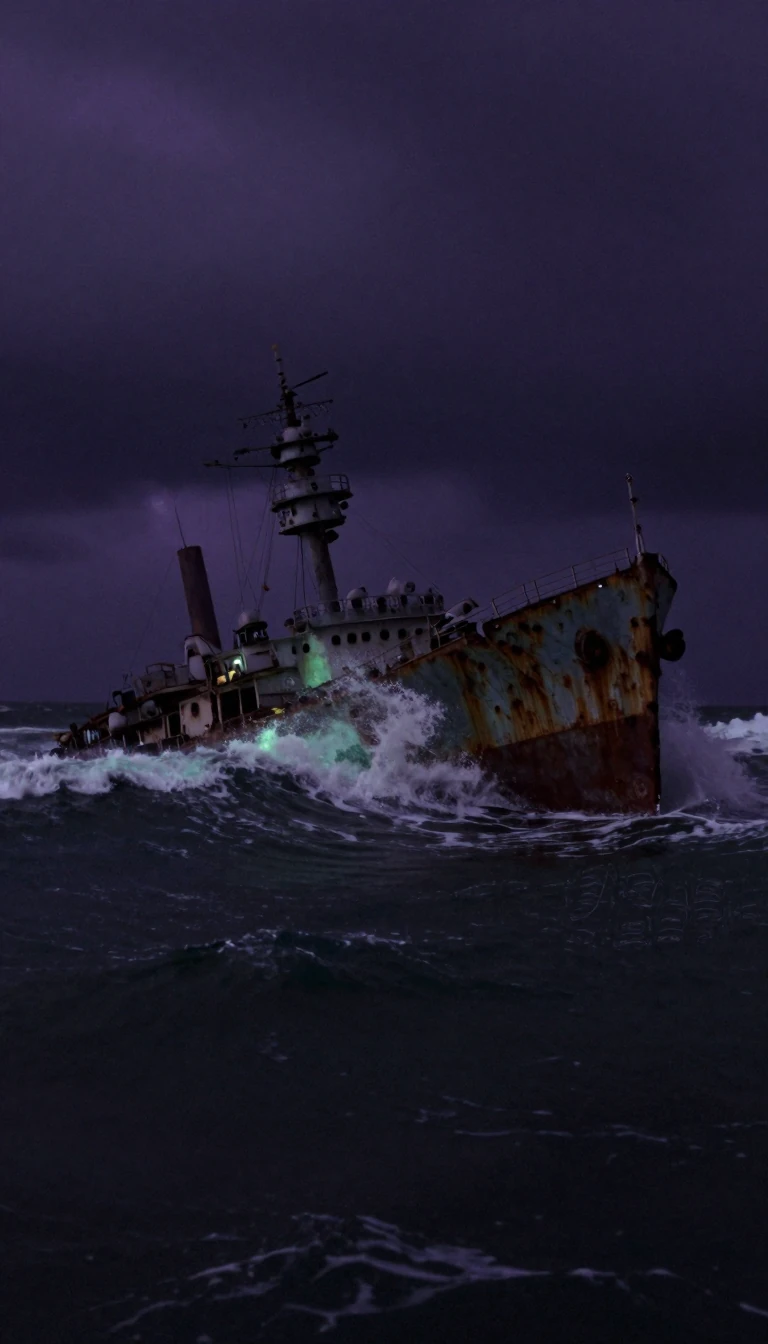
In short: The USS Shiloh was a powerhouse of American naval engineering, capable of intercepting ballistic missiles and striking targets across oceans. Yet, behind its sophisticated radar and missile systems, the ship became the subject of a disturbing internal crisis involving severe morale issues and systemic leadership failures.
The USS Shiloh (CG-67), a Ticonderoga-class guided missile cruiser built at Bath Iron Works, served as a cornerstone of U.S. maritime power for 34 years. It played pivotal roles in modern warfare, including launching Tomahawk cruise missiles during Operation Desert Strike in 1996 and being among the first cruisers to strike during Operation Iraqi Freedom in 2003. Beginning in August 2006, the vessel functioned as a vital element within a collaborative ballistic missile defence initiative between Japan and the USA, based at Yokosuka Naval Base.
However, the ship's history is complicated by significant internal incidents. In 2009, a Petty Officer 1st Class fell from the ship's fantail into Tokyo Bay; a subsequent investigation found the accident preventable because crew members observed the worker without safety gear but failed to intervene. More strikingly, in 2017, a gas turbine systems technician was found hiding in the ship's engine room after seven days, an incident that triggered a wave of reports regarding 'severe morale problems.'
Voluntary 'command climate surveys' conducted by sailors revealed a toxic environment under the leadership of Captain Adam M. Aycock. The reports described widespread depression, suicidal tendencies, and a culture of extreme punishment for minor infractions. Despite the severity of these complaints, the Navy only offered counseling to the Captain before relieving him of command. Now facing retirement in September 2026 due to its age and material condition, the Shiloh stands as a case study in the friction between advanced military technology and the human psychological toll of long-term deployment.
The ship's journey concludes after 17 years of forward-deployed service, moving from its long-time home in Japan to Pearl Harbor. While it earned various awards for excellence and efficiency, its legacy remains a dual narrative of technical achievement and the profound challenges of maintaining human well-being in a high-stress military environment.
Opens the Intellect+ feed with this card first. Swipe up for the next one.
Sources
- Summary by Intellect · source: USS Shiloh (CG-67)
To cite this card, link to https://intellectplus.co.uk/app/wars-uss-shiloh-cg-67.
How we source, check and correct cards: Editorial standards.
General information, not professional advice. Spotted an error? Flag the card or see corrections and complaints.
Intellect Plus is a visual educational discovery platform for exploring fascinating facts and ideas. Brain Food, Not Brain Rot. What is Intellect Plus?
Related
More in War and military · More in Wars & Conflicts · Latest · A–Z · All topics
