How a Sheffield band traded a tape machine for a career in electronic music
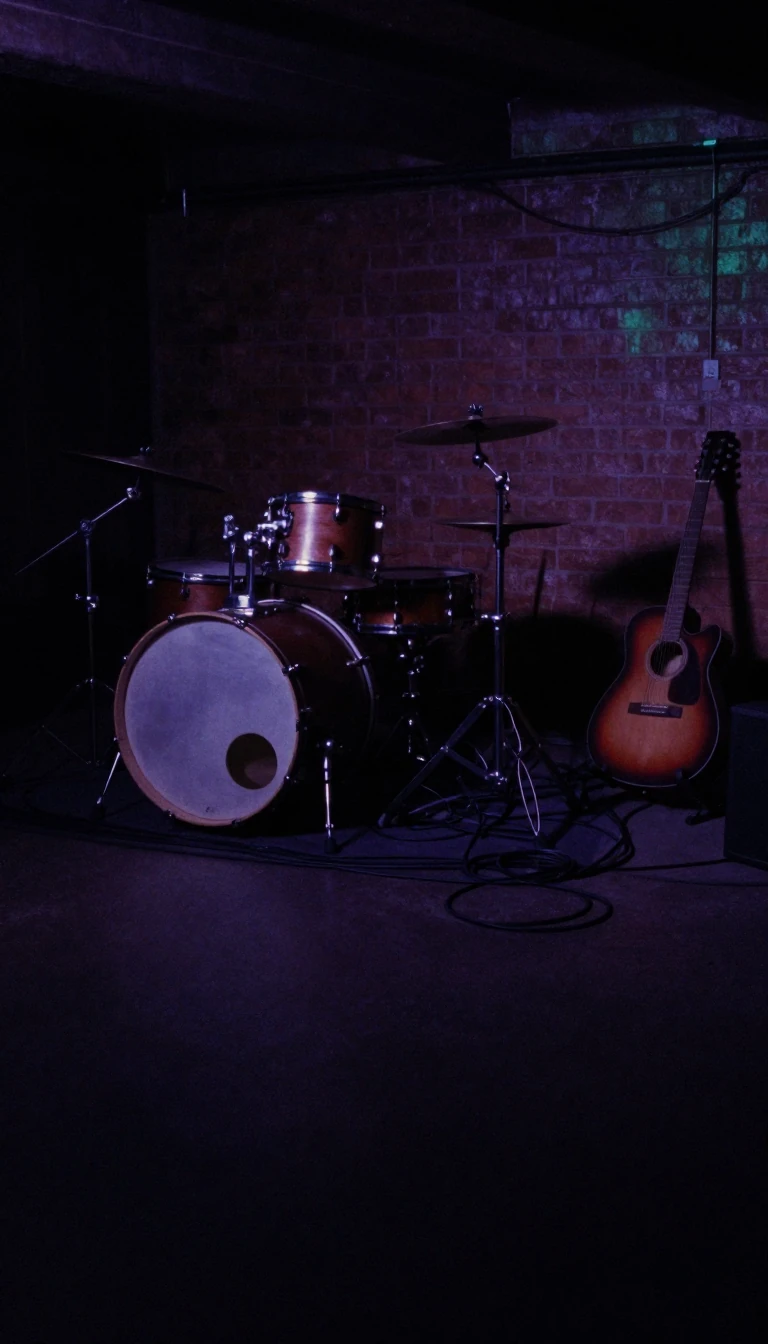
In short: In 1978, the experimental group Cabaret Voltaire had a choice: sign with a major label or accept a four-track Revox tape machine from Rough Trade. They chose the gear. This decision fueled their evolution from industrial provocateurs to pioneers of the global dance music scene, forever changing their sonic trajectory.
Formed in 1973 by Chris Watson, Richard H. Kirk, and Stephen Mallinder, Cabaret Voltaire began as a radical experiment in Sheffield. Watson, a telephone engineer, used custom-built oscillators and tape loops to create music without traditional instruments. Their early performances were intentionally provocative, often held in public toilets or on the streets, reflecting a punkish, anti-establishment ethos that prioritized sound collage over conventional song structures.
The band's business model was as unconventional as their sound. By 1978, they were courted by Factory Records and Industrial Records, but opted for Rough Trade, which offered them essential recording equipment instead of a cash advance. This investment in their own infrastructure—culminating in the establishment of their Western Works studio in 1977—allowed them to cultivate a unique, independent sound that eventually caught the attention of major labels like Virgin and EMI. By 1983, a £50,000 advance from Some Bizzare enabled them to refine their production, leading to their first significant chart success with the album The Crackdown.
Despite their commercial growth, the band faced internal friction and financial instability. By 1987, accounting issues and the physical separation of the members—with Mallinder moving to London—strained the partnership. As the house and acid house movements emerged, the band pivoted toward Chicago-style production, collaborating with Marshall Jefferson for their 1990 album Groovy, Laidback and Nasty. However, mounting debt led EMI to drop them, prompting a shift toward solo projects and independent releases.
Following the band's dissolution in 1994, Kirk continued the project as a solo endeavor, famously rejecting a lucrative Coachella reunion offer in 2017 to avoid becoming a nostalgia act. After Kirk's death in 2021, the band's legacy took a final turn. In 2025, original members Watson and Mallinder announced a reunion for the Sensoria Festival, followed by a final tour in 2026, marking the end of a half-century journey that began with DIY tape loops.
Opens the Intellect+ feed with this card first. Swipe up for the next one.
Sources
- Summary by Intellect · source: Cabaret Voltaire (band)
To cite this card, link to https://intellectplus.co.uk/app/wealth-cabaret-voltaire-band.
How we source, check and correct cards: Editorial standards.
General information, not professional advice. Spotted an error? Flag the card or see corrections and complaints.
Intellect Plus is a visual educational discovery platform for exploring fascinating facts and ideas. Brain Food, Not Brain Rot. What is Intellect Plus?
Related
More in Business stories · More in Wealth & Business · Latest · A–Z · All topics
