Why the Caucasus remains one of the world's most complex ethnic mosaics
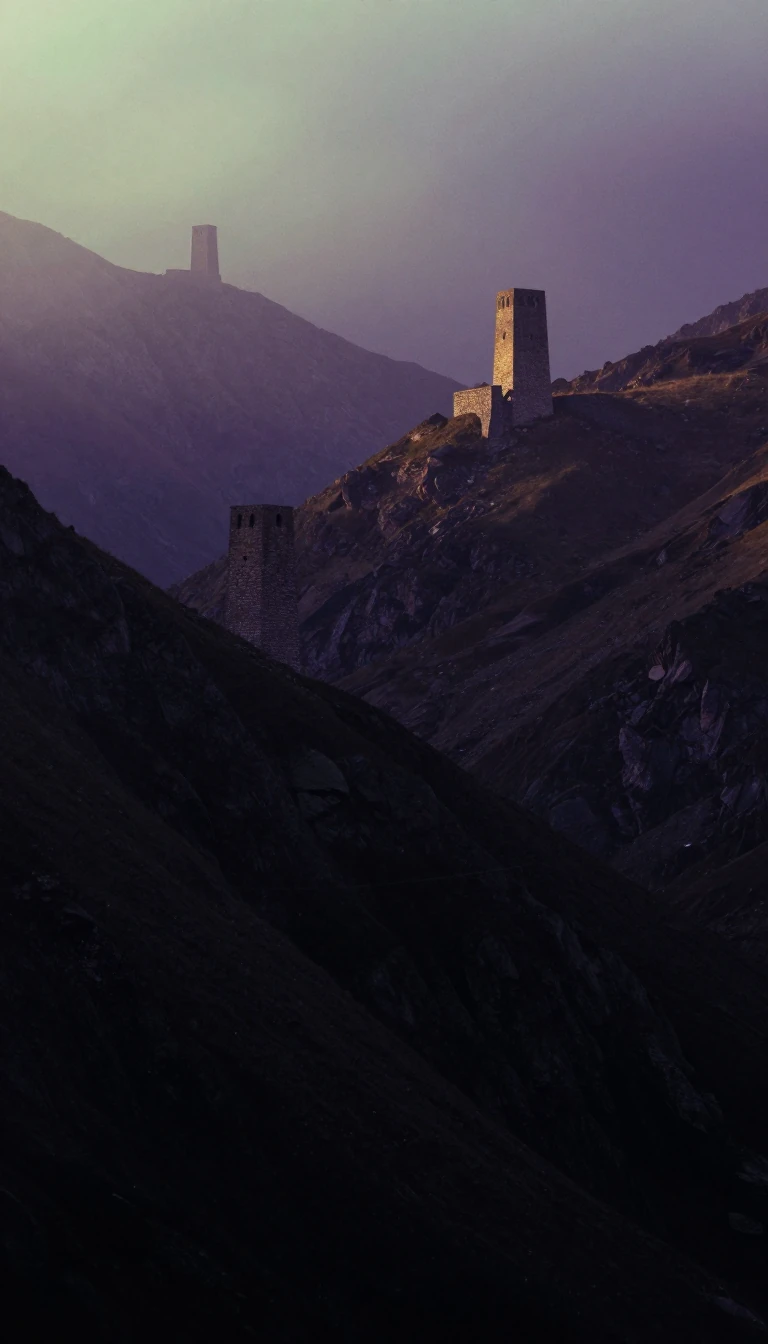
In short: Home to over 50 distinct peoples, the Caucasus has served as a bridge between Europe and Asia for millennia. From ancient bronze-working centers to modern industrial hubs, this rugged landscape of mountain ravines and fertile valleys has preserved a staggering diversity of languages, religions, and cultures against successive waves of invasion.
The Caucasus is defined by its geography, acting as a natural corridor between continents. This position facilitated the spread of Mesopotamian culture northward in the 2nd millennium BCE, yet the region’s formidable mountain ranges also provided refuge for groups fleeing stronger neighbors. Over centuries, this isolation allowed more than 50 distinct peoples to maintain unique identities, even as the region faced invasions from Scythians, Huns, Khazars, and Mongols, followed by the long-standing rivalry between Ottoman Turkey and Iran.
Linguistically, the region is a tapestry of families. While Indo-European languages like Armenian and Iranian-branch tongues are prominent, the majority of indigenous peoples speak languages classified into the Kartvelian, Abkhazo-Adyghian, and Nakho-Dagestanian groups. Despite being grouped together, there is no proven linguistic relationship between these Caucasian families. This complexity is further layered by Turkic-speaking groups like the Azerbaijanis and Kumyks, and even the presence of Buddhist Kalmyks, whose ancestors migrated from Dzungaria in 1607.
Beyond its cultural depth, the region is an economic powerhouse. The Kura-Aras Lowland and the Caspian Sea floor hold significant oil and gas deposits, while metallic ores like copper and molybdenum are extracted from the Transcaucasian upland. This resource abundance supported the region’s development into a major industrial center within the former Soviet Union, producing everything from steel to chemical products. Today, the Caucasus balances this industrial output with a thriving agricultural sector—producing tea, citrus, and tobacco—and a popular resort industry fueled by its famous mineral springs and mild climate.
Opens the Intellect+ feed with this card first. Swipe up for the next one.
Sources
- Summary by Intellect · source: Caucasus - Ethnic Groups, Languages, Religions | Britannica
- Also: Ethnic groups in the Caucasus
To cite this card, link to https://intellectplus.co.uk/app/wealth-ethnic-groups-in-the-caucasus.
How we source, check and correct cards: Editorial standards.
General information, not professional advice. Spotted an error? Flag the card or see corrections and complaints.
Intellect Plus is a visual educational discovery platform for exploring fascinating facts and ideas. Brain Food, Not Brain Rot. What is Intellect Plus?
Related
More in Business stories · More in Wealth & Business · Latest · A–Z · All topics
