How a massive collection of flight history found its home in two landmark facilities
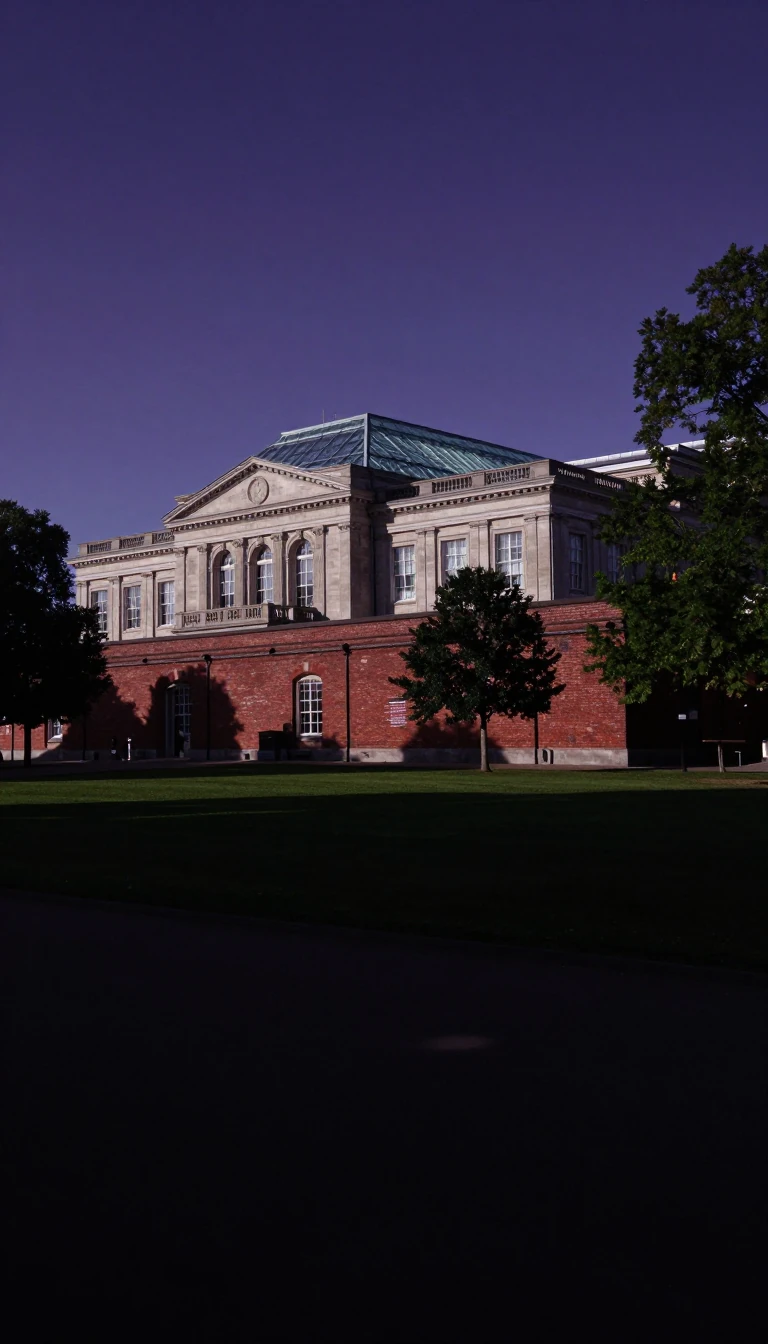
In short: The Smithsonian’s National Air and Space Museum preserves the world’s most significant collection of aviation and space artifacts. Spanning from the Wright brothers’ first biplane to modern private spaceflight, the museum operates across two distinct sites, housing 60,000 items that chronicle the evolution of human flight and exploration.
Founded in 1946 as the National Air Museum, the institution was established to manage a growing collection of aviation artifacts, many of which originated from military donations following World War I and World War II. For decades, the museum struggled with limited space, relying on temporary structures like the 'Tin Shed' and outdoor displays known as 'Rocket Row' to house its expanding inventory. It was not until 1976 that the museum moved to its prominent location on the National Mall, a site that had previously served as a Civil War hospital and a cluster of temporary wartime buildings.
The rapid advancement of space exploration during the 1950s and 1960s prompted a name change to the National Air and Space Museum in 1966. As the collection grew to include iconic items like the Apollo 11 command module, the Spirit of St. Louis, and the Bell XS-1, the need for additional exhibition space became critical. This led to the 2003 opening of the Steven F. Udvar-Hazy Center near Dulles International Airport. Named for the aviation businessman and major donor who funded the facility, the center was designed to simulate an air hangar, providing the massive volume required to display larger artifacts like the space shuttle Discovery and a Concorde.
Today, the museum continues to evolve through extensive renovation and research. A $360-million project, initiated in 2018, is currently updating the National Mall building to modernize its galleries. Beyond public exhibition, the museum serves as a vital center for scientific research and restoration, utilizing specialized facilities like the Mary Baker Engen Restoration Hangar. By maintaining both original primary craft and significant historical objects, the institution ensures that the legacy of human flight remains accessible, bridging the gap between early experimental kites and the future of space travel.
Opens the Intellect+ feed with this card first. Swipe up for the next one.
Sources
- Summary by Intellect · source: National Air and Space Museum | History, Collection, Washington, D.C., Steven F. Udvar-Hazy Center, & Facts | Britannica
- Also: National Air and Space Museum
To cite this card, link to https://intellectplus.co.uk/app/wealth-national-air-and-space-museum.
How we source, check and correct cards: Editorial standards.
General information, not professional advice. Spotted an error? Flag the card or see corrections and complaints.
Intellect Plus is a visual educational discovery platform for exploring fascinating facts and ideas. Brain Food, Not Brain Rot. What is Intellect Plus?
Related
More in Businesspeople · More in Wealth & Business · Latest · A–Z · All topics
