 Intellect Plus
Latest cards
The newest cards first. Page 19 of 50. Older cards are under their topics and in the A–Z index.
 Why painting perception over perfection changed the course of art historyFor centuries, academic art demanded polished surfaces and historical subjects. This video explores how a group of radical artists rejected those standards to prioritize light, mo…
 How Renoir turned the fleeting pulse of Paris into permanent artBefore Impressionism became a global movement, it was a bohemian experiment in Montmartre. Pierre-Auguste Renoir didn't just paint scenery; he captured the invisible threads of hu…
 How industrial change shattered the rules of traditional European paintingBefore the 1800s, art served as a clear record of history and religion through realism. This video explores how rapid industrialization forced a radical shift in technique, giving…
 Capturing the Fleeting: The Origins of Impressionist ArtExplore how a radical shift in perspective redefined modern painting. This lecture traces the history of Impressionism, highlighting the key figures who moved art away from tradit…
 The single painting that gave a global art movement its nameIn 1872, Claude Monet produced an oil painting that would inadvertently define an entire era of art history. While it captured the fleeting light of a sunrise, its true legacy was…
 From Scandalous Mockery to Global Adoration: The Impressionist RevolutionToday, masterpieces by Monet and Degas are crown jewels of global museums. However, in the 1870s, these same works were dismissed as scandalous and rejected by the art world. This…
 The artistic rebellion that was once reviled by the publicIn 1874, a group of Parisian rebels staged an aesthetic uprising that would dismantle centuries of tradition. They traded the polished perfection of the Academy for vibrant brushs…
 The hidden visual reality behind Van Gogh's vibrant paletteWhy did Vincent van Gogh choose such striking colors for his masterpiece? This analysis explores the composition of Starry Night and a compelling theory regarding the artist's uni…
 The forgotten master whose vibrant colors shaped Van Gogh’s iconic styleBefore he became a household name, Vincent van Gogh was studying the work of Adolphe Monticelli. While Monticelli eventually fell out of fashion, his experimental use of color and…
 Van Gogh's secret to painting the night without using black paintHow did Vincent van Gogh capture a vivid, lively night scene while completely avoiding black pigment? This analysis explores his technical mastery of color contrast and the hidden…
 How two chairs became surrogate portraits for rival artistsVan Gogh's furniture paintings are far from ordinary. This video explores how a simple chair and an elegant armchair served as symbolic stand-ins for the personalities of two icon…
 The celestial turbulence of Van Gogh's most famous night skyPainted during a period of profound psychological distress, The Starry Night is far more than an expressive landscape. It represents a deliberate artistic struggle to capture the …
 Beyond the sunflowers: uncovering the man behind the masterpieceMost people recognize Vincent van Gogh by his iconic imagery and tragic reputation, but his life was far more complex than popular myths suggest. This video explores the nuances o…
 The artist who sold only one painting in his lifetimeThis video explores the life of Vincent van Gogh, a Dutch painter whose work was largely unappreciated during his life but became world-renowned for its emotional power and vivid …
 From Hand-Painted Frames to Digital Mastery: The Evolution of Cinematic ColorThis series traces the technical journey of color in cinema, moving from early 20th-century manual techniques to modern digital workflows. It explores how colorists shape the visu…
 The technical architecture behind cinematic storytellingOwen Ljunggren explores the foundational elements that elevate a sequence of images into a cohesive art form. This video breaks down how lighting, sound design, and pre-production…
 The rigorous pursuit of intellectual independence through the artsExplore how Reed College faculty bridge the gap between creative practice and scholarly inquiry. This video highlights discussions on art history, film, and media studies within a…
 The myth that Hollywood pioneered film art is historically inaccurateWe often credit Hollywood for the birth of cinematic art, but this narrative ignores a much broader, global evolution. Before the studio system dominated, the foundation of moving…
 Decoding the hidden language of cinema through semioticsLearn how to move beyond what you see to understand what a film actually means. This guide introduces Roland Barthes' theories on signs, helping you decode the visual and auditory…
 Why your brain craves the comfort of cinematic categoriesFrom Ancient Greek theater to modern streaming platforms, movie genres act as a silent contract between creators and viewers. They provide a roadmap for what to expect while offer…
 How a radical German movement still shapes modern cinemaFrom the surreal visuals of Euphoria to the stylized frames of The Grand Budapest Hotel, the DNA of German Expressionism remains embedded in contemporary filmmaking. This video ex…
 The chemistry of color: understanding Renaissance blue and redEver wondered what makes a masterpiece truly pop? This video explores the history of pigments, offering three essential facts to help you appreciate museum art with deeper context.
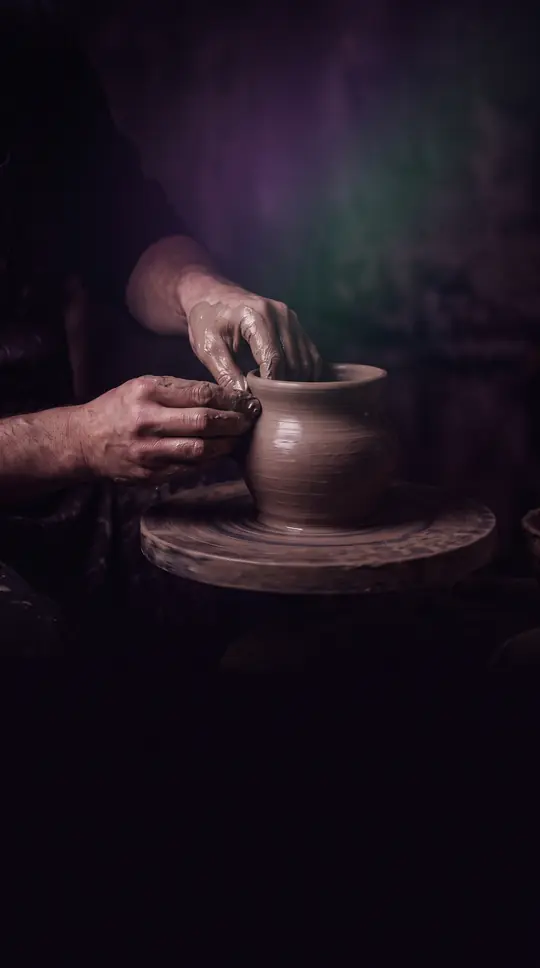 The alchemy of Mughal art: extracting vibrant color from raw stoneDiscover the meticulous craftsmanship behind some of history's most exquisite manuscripts. This video demonstrates how royal workshops transformed raw minerals into the vivid pigm…
 The chemistry of color: understanding the divide between natural and synthetic pigmentsWhy does a tube of paint look the way it does? This video explores the fundamental differences between traditional natural sources and modern synthetic chemistry in the world of a…
 How industrial chemistry gave Impressionists their signature vibrant paletteExplore how the birth of synthetic pigments fundamentally altered the visual language of art. This video examines Claude Monet’s 'The Gare St-Lazare' to reveal how scientific inno…
 The lethal price of light in Johannes Vermeer’s masterpiecesVermeer's signature glow may have been fueled by a deadly substance. This exploration reveals the toxic reality of lead white, the pigment that defined his brilliance while potent…
 The evolution of green from ancient minerals to modern chemistryGreen has been a challenging color for artists to master for two millennia. This video traces the pigment's journey from crushed minerals and organic mixtures to synthetic laborat…
 The chemistry of color: understanding the building blocks of artThis video introduces the fundamental world of pigments, exploring how raw materials are transformed into the colors used by artists. It serves as an essential primer for anyone l…
 Beyond Flavor: The Historical and Medicinal Power of SpicesThis guide explores how spices and herbs do more than just season our food. It examines their deep roots in global culinary traditions, their historical significance, and the medi…
 The grueling physical labor behind the world's most expensive spiceSaffron is prized for its unique flavor, aroma, and vibrant color, but its high price tag is rooted in a demanding production cycle. This video explores why this versatile ingredi…
 The spice so valuable it was demanded as ransom for RomeIn 408 AD, the Visigoths didn't just want gold from the Roman Empire—they wanted pepper. This tiny fruit became a global currency of power, fueling trade routes, funding kingdoms,…
- Ancient spice traders used mythical monsters to protect their market secretsFor centuries, the world's most coveted seasonings were guarded by legends of winged beasts and venomous snakes. To keep competitors away and drive up prices, Arab traders spun el…
 The Alchemy of the Masala Box: India's Spice EssentialsExplore the foundational ingredients of Indian cuisine. This guide covers how to create essential spice powders at home and identifies the core components of a traditional masala …
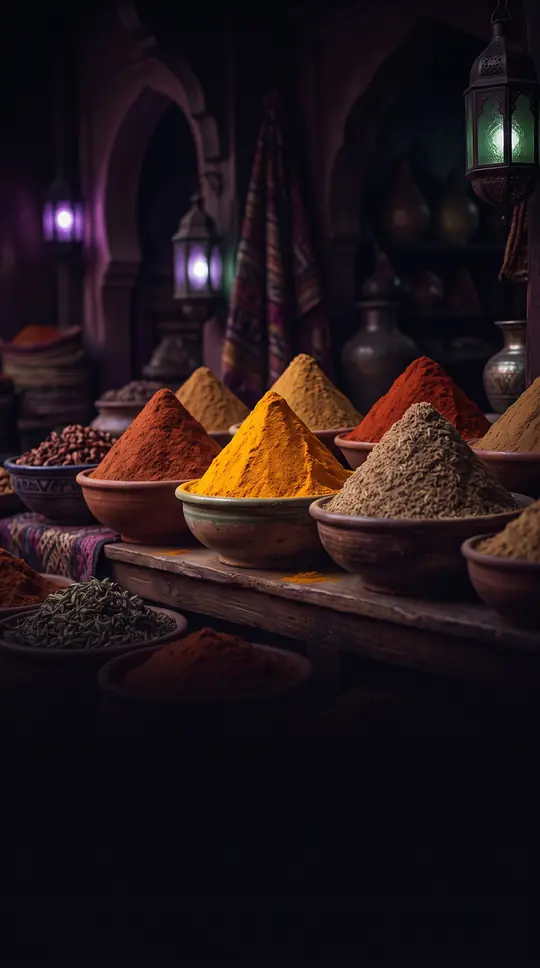 The botanical treasures that shaped human history and cultureExplore how herbs and spices evolved from local botanicals into global commodities. This video traces their journey from diverse geographical origins to their enduring role in cul…
 How tiny seeds fueled global economies and sparked brutal warsSpices were far more than culinary luxuries; they were the primary drivers of global trade, economic power, and violent conflict for centuries.
 The hidden geography behind your kitchen's most flavorful ingredientsEvery spice in your pantry carries a unique narrative of nature and human ingenuity. This video explores the geographical origins that shaped how we eat today.
 How high-tech sensors translate a physical swing into digital dataGolf simulators have evolved from simple visual aids into sophisticated laboratories of motion analysis. This video explains the specific technologies that allow these devices to …
- How 8-bit hardware rendered worlds faster than its own clock speedThe original Game Boy faced a fundamental engineering paradox: the CPU had fewer processing steps available per frame than there were pixels on the screen. This video explores the…
 Deconstructing the hardware that defined a generation of handheld gamingEver wondered what actually happens inside a classic Game Boy? This video series performs a hardware autopsy on one of history's most successful platforms, starting with its core …
 The paradox of a booming gaming market facing shrinking returnsDespite reaching record-breaking revenues and player counts, the video game industry is experiencing a strange financial contraction. This video explores why the sector's growth i…
 The invisible engineering that turns code into immersive virtual worldsPressing 'Start' triggers a massive synchronization of complex algorithms and high-performance hardware. This video breaks down the hidden tech—from physics engines to real-time r…
 Why game engines are the invisible architects of digital worldsCreating a modern video game is an immense technical undertaking, involving complex physics, high-fidelity graphics, and real-time audio. Instead of building these systems from sc…
- A century of sandwiches: what do children actually think?What happens when kids taste the evolution of a sandwich over a hundred years? This video captures a panel of children preparing and reviewing iconic recipes from 1900 to today.
- The recursive culinary logic of the 1944 Nova Scotia SandwichDiscover why recreating a single mid-century sandwich can feel like an exercise in 'recipe inception.' This video explores the complex web of dependencies found in Mary Hunt’s 194…
 How a portable meal became a vessel for national identityThe sandwich is more than a convenient lunch; it is a global culinary language. This video explores how ten distinct sandwiches serve as cultural signatures, blending history, fla…
- The humble sandwich was once a vessel for pure nostalgiaBefore the era of artisanal sourdough, British tea-time sandwiches were defined by pantry staples and low-cost ingredients. This video explores 15 specific forgotten fillings from…
 The century-old secret of the Pressed Mock Chicken SandwichChef Matt Reeves explores a culinary relic from 1909. This video recreates a specific historical recipe to see how early 20th-century sandwich techniques hold up today.
 A literary sandwich from the archives of 1936Explore a culinary curiosity featuring the Black Cat Sandwich. Guest host Robert P. Ottone examines this specific entry from the 1936 publication '1,001 Sandwiches' to uncover its…
- The 18th-century nobleman who gave a name to a global stapleWhile humans have been consuming meat between bread for millennia, the term 'sandwich' is relatively modern. It traces back to an 18th-century English noble whose specific habits …
 Why the sandwich is a revolutionary shift in how humans eatThe transition from serving food on small pieces of bread to placing it between two slices was more than a culinary trend. This video explores how this simple structural change tr…
- The architecture of safety: How frontier models are being containedAs AI capabilities accelerate, the focus shifts from what these models can do to how we can keep them secure. This episode explores OpenAI's evolving containment strategies and th…
 Why space colonization is not a repeat of Earth's historyCritics often argue that settling the Moon or Mars will replicate the violent conquests and exploitative colonizations of our past. However, some experts suggest this fear stems f…
 Moving cursors with thought: The first step toward Full-Dive VRNeuralink has successfully demonstrated a human patient controlling a computer using only their mind. This video explores the transition from current brain-computer interfaces to …
- The six pillars defining the next era of global sovereigntyNational power is no longer measured solely by land or resources, but by the mastery of frontier technologies. From quantum computing to biology, these six specific fields are bei…
 When intelligence becomes a commodity, trust becomes the ultimate premiumAs AI democratizes high-level cognitive labor, the value of 'doing' is shifting toward the value of 'knowing who to trust.' This video explores how the consulting and knowledge wo…
 Why OpenAI is cutting the cord on its newest AI modelsOpenAI has resumed training its most advanced frontier models with a critical change: no internet access. This move highlights a growing tension between building powerful artifici…
 AI is not replacing workers, but leveling the playing field for novicesThe most significant impact of generative AI might not be on top-tier experts, but on those just starting their careers. New research suggests that while AI provides a massive pro…
 The shift from being digitally native to becoming AI-nativeMicrosoft is identifying a new breed of company: the "Frontier Firm." This video explores how organizations are moving beyond simple digitization to build entire business models a…
- The color that defined an empire and a nameFor centuries, purple was not just a color; it was a geopolitical powerhouse. The very name of the people who mastered its production is believed to be derived from the dye itself…
 The intricate geometry of Bai people tie-dyeing traditionsExplore the traditional center of Chinese tie-dyeing culture. This video documents a visit to Zhoucheng, where artisans use specific techniques to create elaborate patterns on fab…