 Intellect Plus
Performing arts
253 cards. Each one is a 40-second story with a five-minute read behind it. Page 5 of 5.
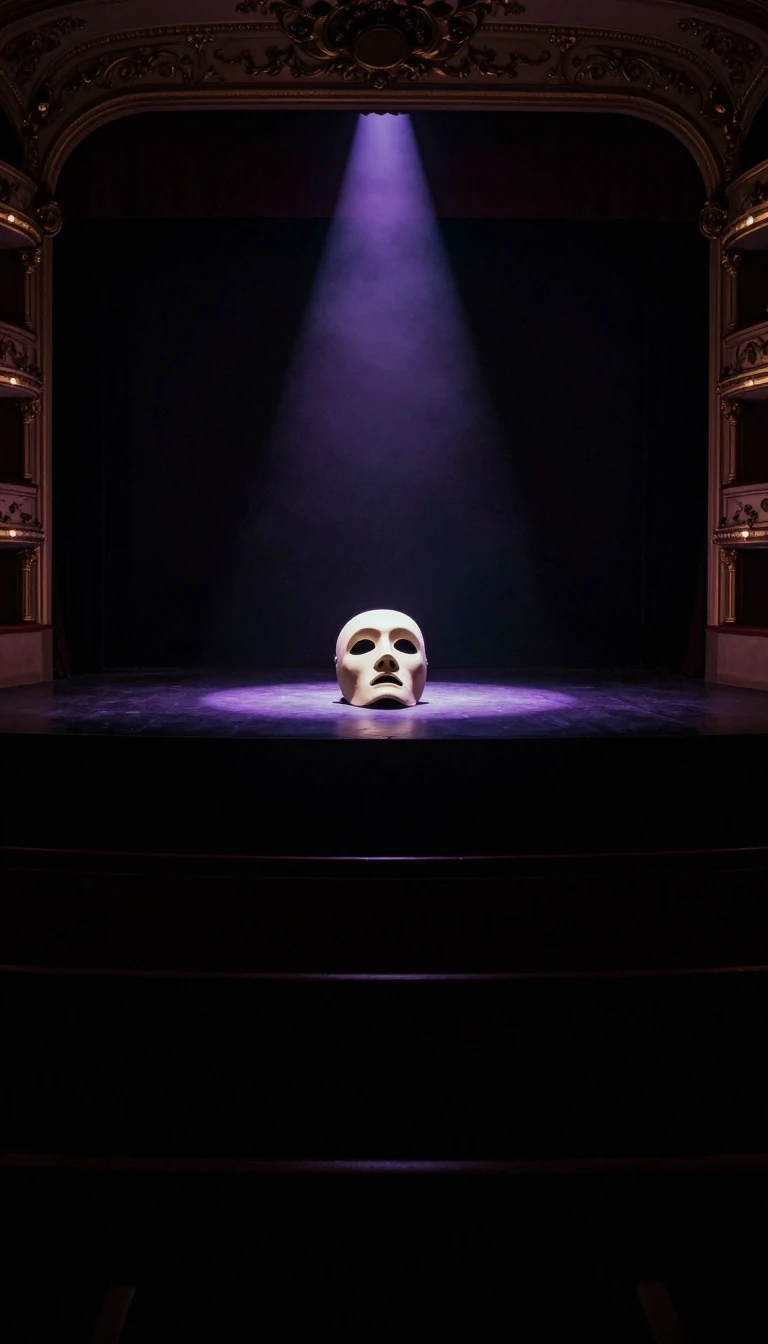 Masked Italian improvisers put Europe’s first actresses onstageCommedia dell'arte, professional Italian theatre popular from the sixteenth to eighteenth centuries, ran on masked stock types, lazzi gags, and half-scripted scenarios. Women play…
 Costume once meant everyday dress, not only disguisesCostume once named the distinctive clothes of a class, job, nation, or occasion—riding kit, evening wear, even swimwear counted. Fashion drift narrowed English usage toward theatr…
 Ten-thousand-year rock art already shows people dancingRock art at Bhimbetka in central India, roughly ten millennia old, and Egyptian burial paintings from about 3300 BC already depict dancers. Long before writing, patterned movement…
 A temple dance renamed in 1932 still shapes classical IndiaBritish officials banned Sadiraattam in 1910. Protest and stage work carried it beyond Tamil temples, and in 1932 reformers renamed it Bharatanatyam. The form still rests on bent …
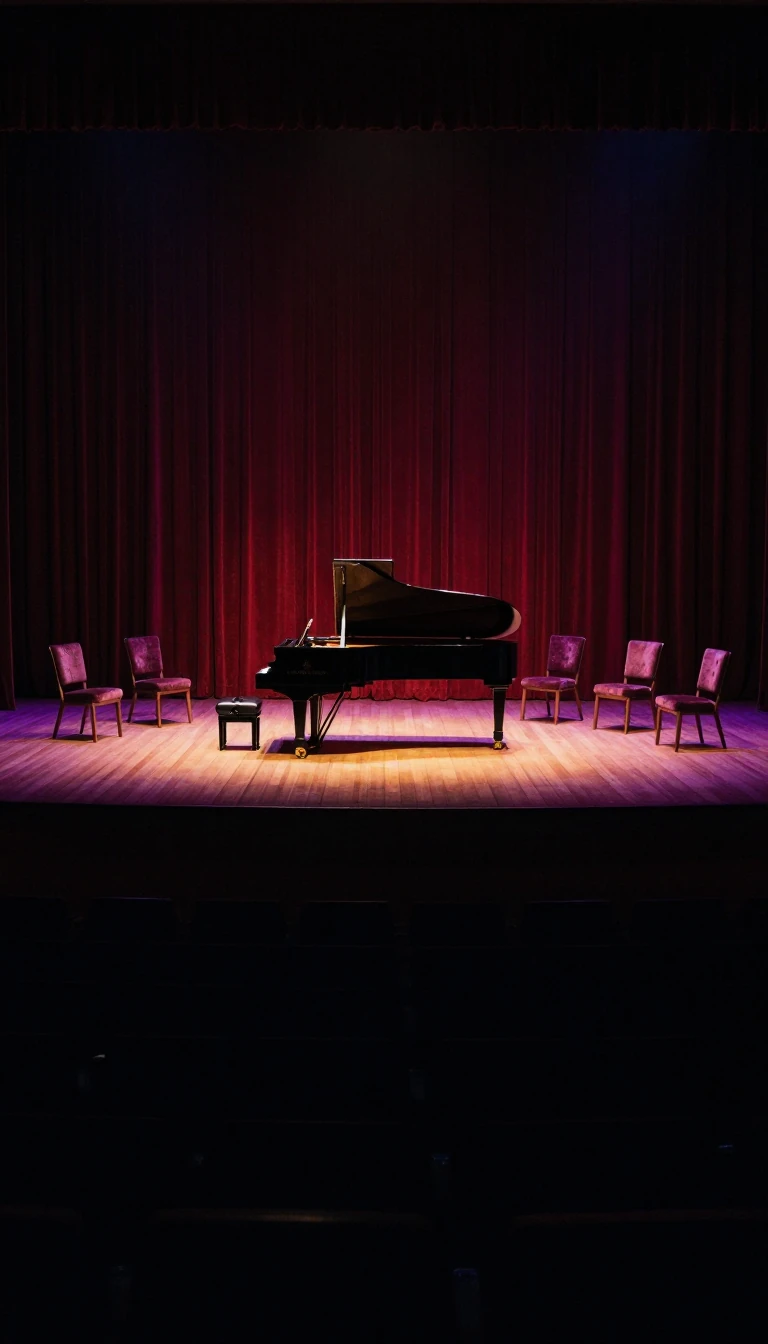 Forty-one big Manhattan houses still define commercial theatreBroadway means 41 professional theatres of 500-plus seats in Midtown’s Theater District and Lincoln Center—not every show on the avenue. With London’s West End it tops English-lan…
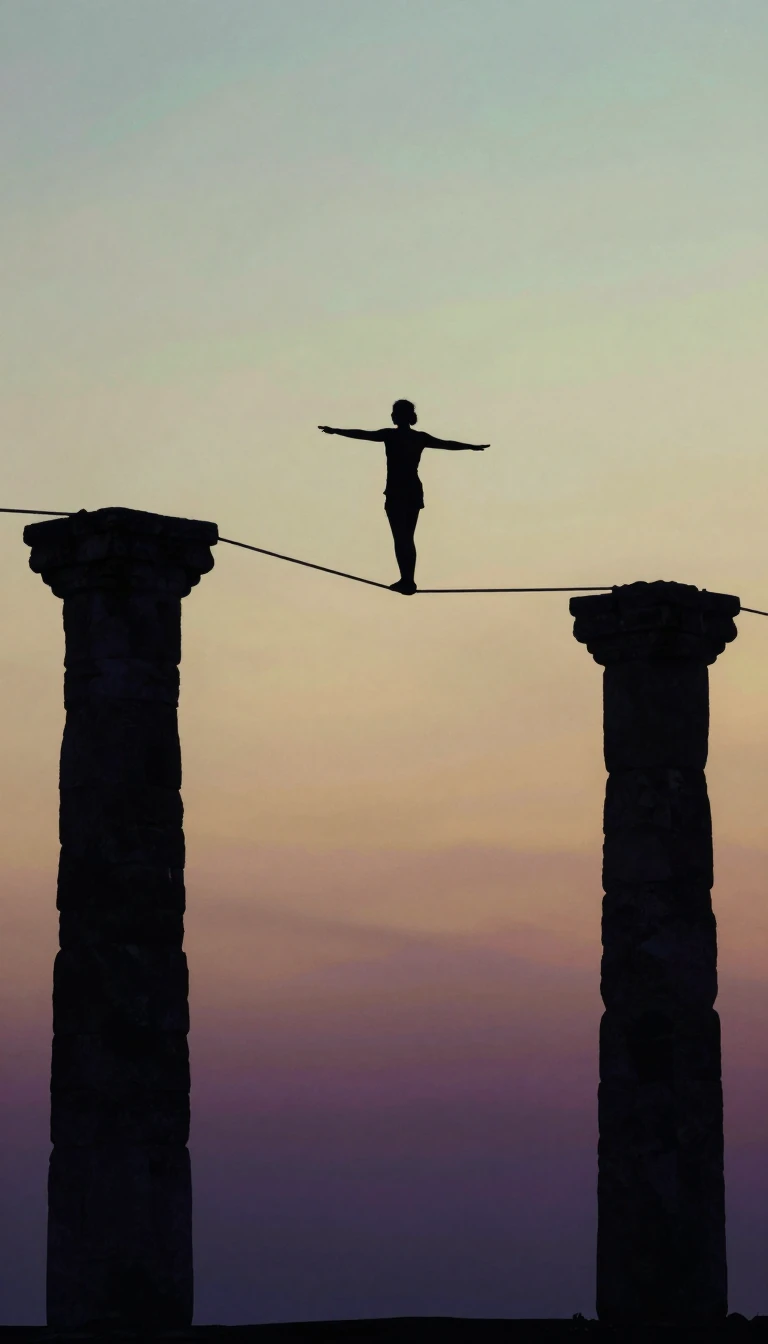 Acrobatics began as tiptoe strutting, not circus flips aloneThe Greek root meant walking on tiptoe, yet cultures worldwide turned balance and agility into harvest shows, court spectacle, and sport. Minoan art around 2000 BC already shows b…
 Western acting lore starts when Thespis left the chorusAristotle later claimed a sixth-century Athenian named Thespis stepped out of the dithyrambic chorus and spoke as a character—turning narration into enactment. From his name comes…
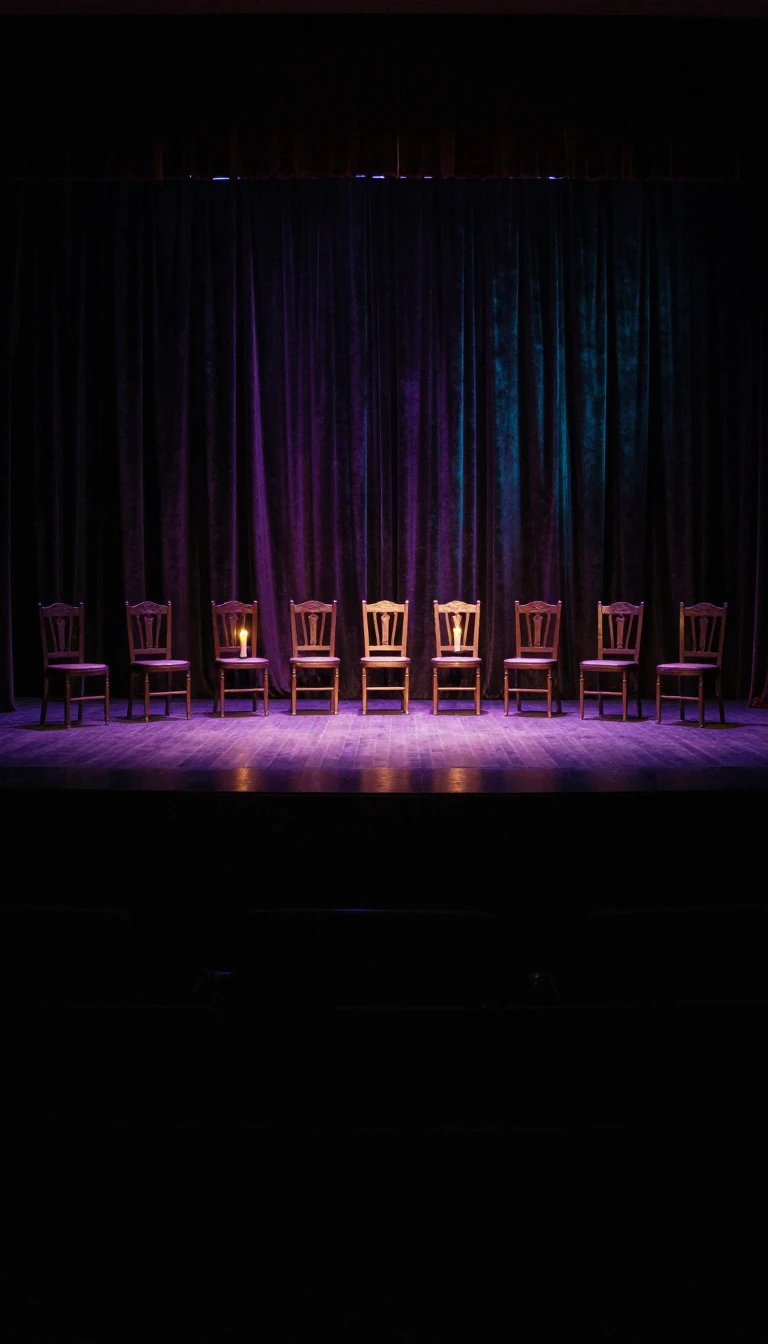 English stages barred women until the Restoration of 1660From Athens to Shakespeare's London, speaking roles were men's work; boys played many female parts. Rome allowed some women on stage but rarely with lines. After 1660, England fin…
 Audiences are not one crowd but many rhetorical inventionsListeners in a room differ from viewers separated by screens, and both differ from the imaginary public a speaker invents while drafting. Rhetoric scholars map immediate, mediated…
 Ballet left Italian courts for Louis XIV's academy rulesFifteenth-century Renaissance festivals dressed nobles in motion-limiting costumes; France then professionalized the art. Louis XIV founded a dance academy in 1661 and later place…
 Competitive ballroom split into International and American schoolsWhat began as privileged social dancing now has two codified contest systems. Outside the United States the International School's ten Standard and Latin dances dominate; American…
 Belly dance is a French label for torso-led Middle Eastern danceEnglish speakers borrowed danse du ventre from a nineteenth-century painting review, yet Arabic names such as raqs sharqi and raqs baladi describe professional and social forms ce…
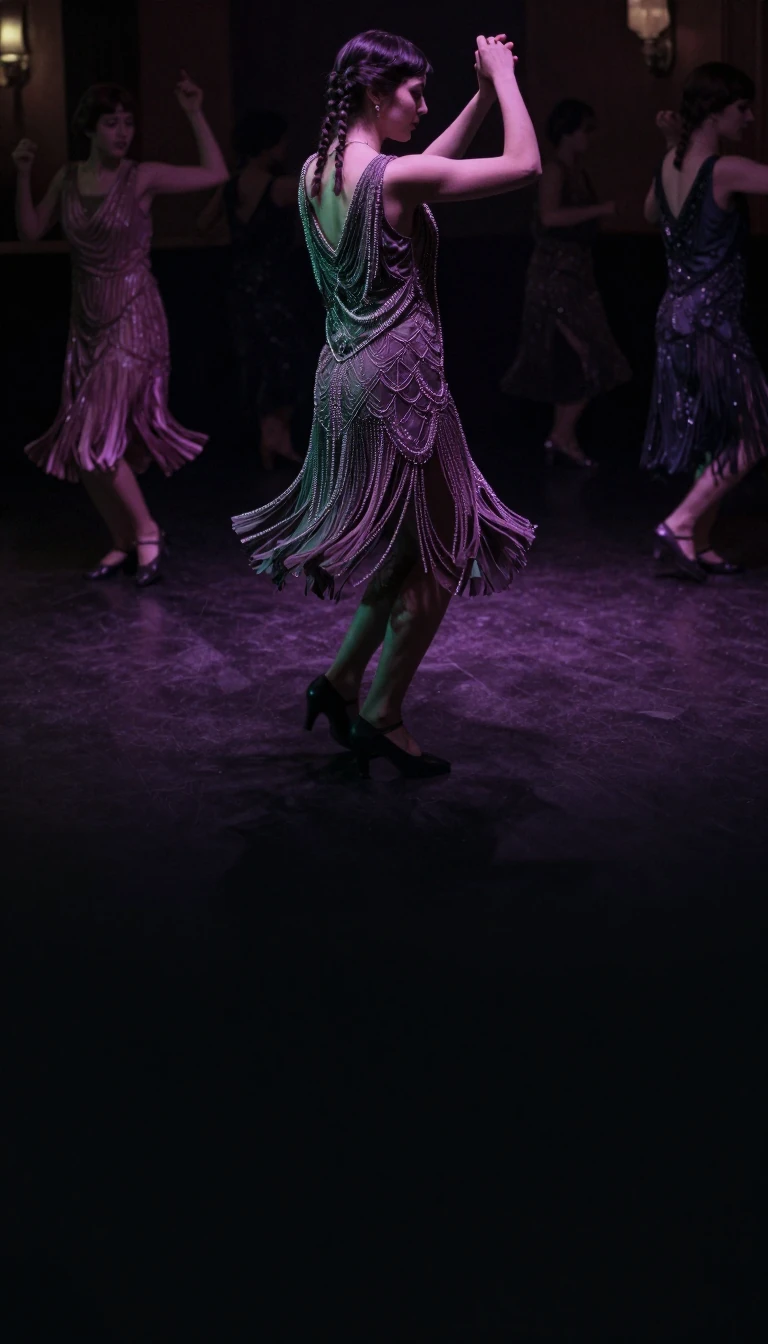 The waltz once scandalized Europe for dancing face to faceBorn from German-speaking folk steps in the eighteenth century, the waltz put couples in a closed embrace and spun them in triple time. Moralists called it shameless. By the 1780s…