 Intellect Plus
Global health
46 cards. Each one is a 40-second story with a five-minute read behind it.
 Moving from individual patients to global systems of careGlobal health is no longer a niche interest; it is a massive, interconnected field tackling issues like pandemic preparedness and climate-related risks. It requires professionals …
 The global health paradox: rapid gains meeting a wall of persistent inequalityWhile millions have gained access to clean water and life-saving treatments over the last decade, the world is currently falling short on nearly every major health target. We are …
 Health is not a privilege but a legally binding human rightThe right to health is often discussed as a moral goal, but it is actually a legal obligation. Global agreements establish that achieving optimal physical and psychological well-b…
 Beyond technical expertise, global health careers require deep community listeningEntering global health is often framed as a quest for specialized knowledge. However, experts suggest that the most impactful work stems from moving beyond predefined questions to…
 The global health landscape is a complex web of diverse actorsGlobal health is not just about medicine; it is an intricate ecosystem of organizations, governments, and private entities. To solve modern crises, we must understand how these di…
- Why the first lecture of a course defines the learning journeyThis video introduces the foundational concepts of global health, moving beyond simple definitions to explore the complex actors and organizational structures that shape internati…
 The reality of global health is rarely what you see on screenMany enter global health with a desire to help underserved communities, but the actual practice differs significantly from popular media portrayals. This video debunks common myth…
- Health equity means your zip code shouldn't determine your life expectancyThis episode explores the core mission of global health: ensuring everyone can live their healthiest possible lives regardless of geography. It examines how public health experts …
 How a single songbird holds the secrets to Earth's magnetic fieldThe Eurasian blackcap is more than just a musical warbler. As a master navigator, this species uses the Earth's magnetic field to guide its migrations. Now, a new high-resolution …
 Why animals and humans groom each other to build social powerIt is far more than simple hygiene. From macaques reducing their heart rate to humans building social capital on WeChat, grooming serves as a sophisticated tool for managing stres…
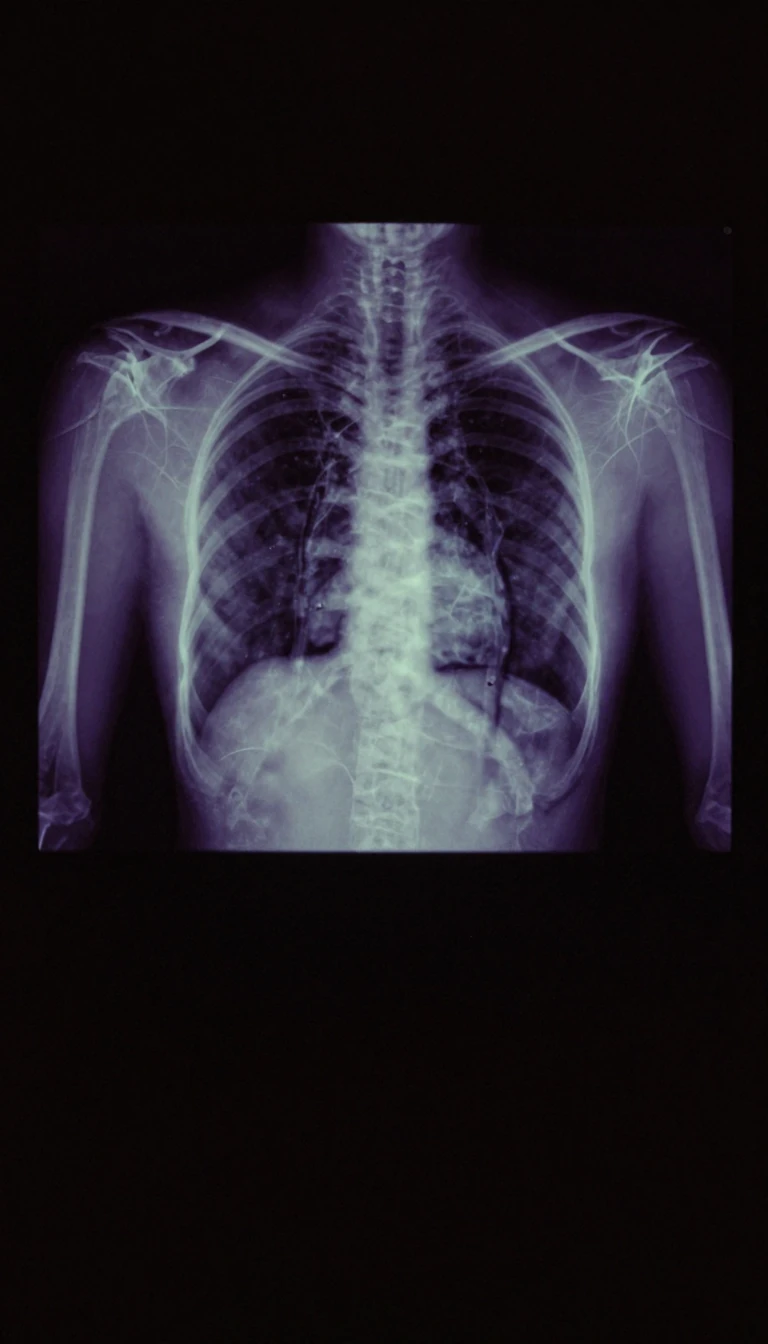 How computers find hidden patterns in DNA and clinical careMapping the blueprint of life requires solving a massive puzzle: how do we align sequences that have shifted, mutated, or been deleted over time? The Needleman–Wunsch algorithm pr…
 From forensic detectives to medical healers, nature's scavengers are essentialNecrophages—animals that feed on decomposing biomass—are far more than mere scavengers. They are sophisticated biological machines capable of detecting chemical signals over long …
- The gold standard for finding hidden biological blueprintsHow do scientists determine if two proteins share a common ancestor or if a new gene has a specific function? They use the Smith–Waterman algorithm. By mathematically scanning for…
 The TATA box: a modular docking station for life's instructionsMost genes are regulated by a complex web of proteins, but they often share a common starting point. The TATA box acts as a critical docking site for the machinery that reads our …
 Beyond the Blueprint: Why RNA Sequencing Reveals Secrets DNA CannotDNA is your body's instruction manual, but RNA is the actual work order being executed in real-time. While DNA sequencing shows what might happen, RNA-Seq captures what is happeni…
 The chemical defense of a garden favoriteSome popular garden shrubs can cause skin rashes similar to poison ivy. While many Grevillea species are prized for their vibrant blooms and nectar, certain varieties contain comp…
- From Victorian ivory disks to digital archives: the evolution of the microscope slideBefore the standardized glass we use today, scientists slid specimens between disks of transparent mica held in ivory or bone. Today, these fragile artifacts are undergoing a high…
 Why some data points are secretly linked to each otherStandard statistics often assume every data point is an independent island. But in biology and social science, this is rarely true. If you measure the same person twice, or study …
- How a 1990 algorithm traces the evolutionary footprints of ancient humansWhen scientists discover a new gene, they face a massive puzzle: where does it fit in the tree of life? The answer lies in BLAST, a high-speed heuristic algorithm that scans vast …
 The glowing chemical that reveals DNA but risks human healthIn molecular biology, ethidium bromide is a staple for visualizing DNA. It glows intensely under ultraviolet light, but this visual clarity comes at a cost. Because it binds direc…
 A funeral dress for an Australian icon in declineThe Yellow-tailed Black-Cockatoo carries a plumage so sombre it was once thought to resemble funeral attire. Yet, this large cockatoo faces a modern crisis: the rapid loss of anci…
 The parasite that turns the urinary tract into a battlefieldSchistosoma haematobium is more than a simple infection; it is a chronic parasitic disease that can lead to bladder cancer and permanent organ damage. By invading blood vessels an…
 The ancient art of cleaning water through physical and chemical barriersLong before the microscope revealed the existence of pathogens, civilizations were already mastering the science of filtration. From ancient Egyptian alum to modern municipal syst…
- The molecular 'starter' that allows life to copy its own blueprintDNA polymerase is the heavy machinery of replication, but it has a major limitation: it cannot start from scratch. It requires a pre-existing foothold to begin building. This tiny…
 Is the right to food more than just the absence of hunger?While we often equate food rights with preventing starvation, the legal standard is much higher. It demands dignity, safety, and variety. From prisons to households caring for chi…
- The molecular bridge: turning RNA into a readable DNA blueprintMost viruses carry their genetic instructions in RNA, a fragile molecule that is difficult to study directly. Reverse transcription polymerase chain reaction (RT-PCR) solves this …
 The invasive snail that might hold the key to human eye regenerationThe golden apple snail is a global agricultural menace, but its biology is hiding something profound. Beyond its ability to devastate rice crops and its unique method of building …
 The complex architecture of depression management and its many layersTreating depression is rarely a one-size-fits-all endeavor. From the precision of psychiatric evaluation to the emerging science of the gut-brain axis, managing mood disorders inv…
- The invisible expansion of Europe's most elusive disease vectorsSand flies are masters of stealth. These tiny, fragile insects are expanding their range across Europe, fueled by global warming and shifting human behaviors. Because they are non…
 How math turned biological chaos into the modern evolutionary synthesisFor centuries, biology struggled to bridge the gap between inheritance and evolution. It took a revolution in biostatistics—the application of rigorous mathematical modeling to li…
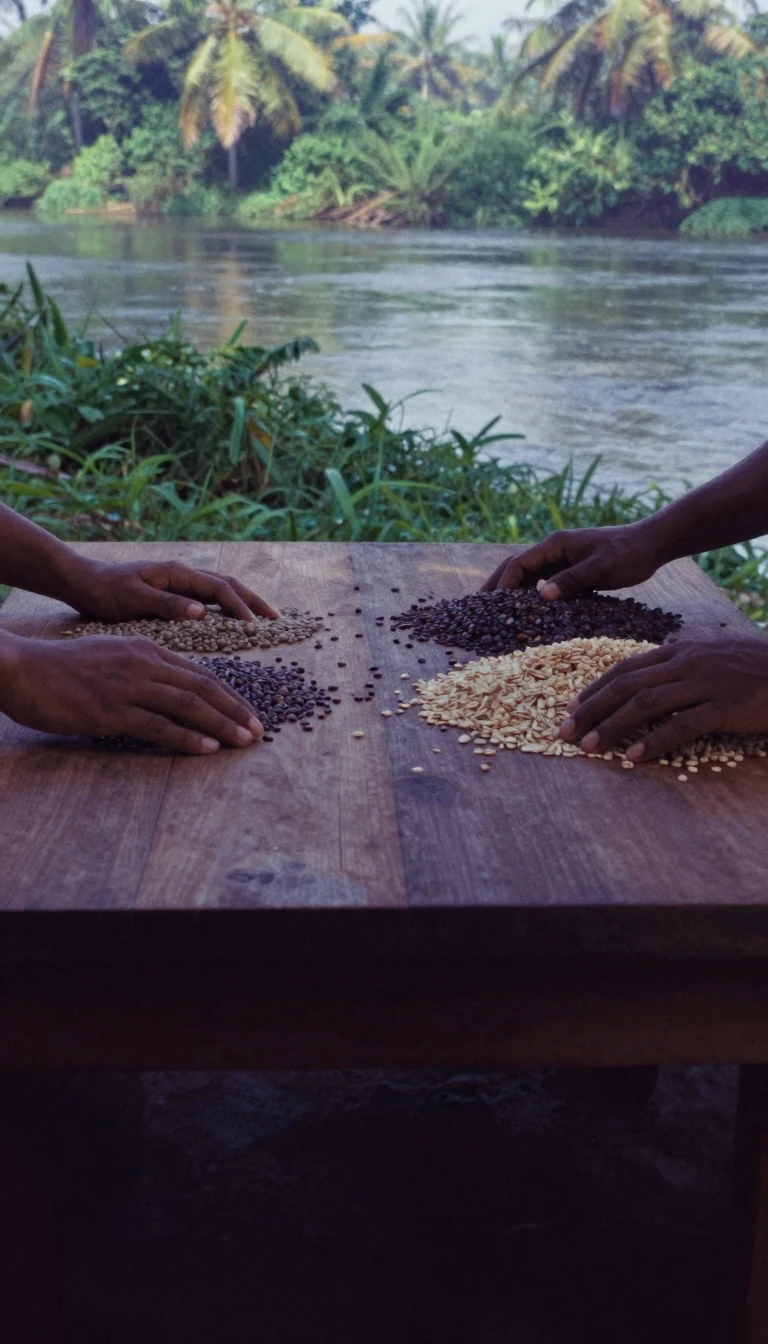 The bridge between a hospital bed and a healthy neighborhoodMost healthcare happens inside clinics, but the most impactful health work often occurs where people live, work, and play. Community health moves beyond treatment to address the s…
 Why we ignore health risks until they become impossible to overlookWe often believe we know how to stay healthy, yet a massive 'knowing-doing gap' persists. While psychological models suggest we weigh risks and benefits, real-world evidence shows…
- How do we measure the weight of a life lived in illness?If a person lives with a chronic condition, how do we quantify the 'cost' to their life? Public health experts use a metric called the Disability-Adjusted Life Year (DALY) to turn…
 The invisible numbers that track how much virus is hiding in your bodyWhether it is HIV or HPV, doctors use viral load to measure the quantity of virus in your fluids. These numbers are more than just statistics; they act as a vital compass for pred…
 Cuba exports more medical personnel to the developing world than the G8 combinedWhile many nations provide short-term aid, Cuba operates a massive, sustained medical export system. From 1963, it has deployed over 600,000 health workers to more than 160 countr…
 Why the 1971 treaty excludes alcohol and tobacco from international controlThe Convention on Psychotropic Substances regulates everything from LSD to benzodiazepines, yet leaves alcohol and tobacco untouched. It is not because they are harmless, but beca…
 The 200-year evolution of medicine from floating ships to modern towersTropical medicine began not in a laboratory, but on the deck of a decommissioned warship. From protecting colonial sailors to treating global refugees, the field has transitioned …
- The rat lungworm: a parasite that migrates to the human brainA tiny nematode, less than a millimeter long, can cause severe neurological disease by traveling from a snail to a human brain. Known as the rat lungworm, Angiostrongylus cantonen…
 Why the world remains vulnerable to the next global pandemicIn this TED Connects conversation, Bill Gates examines the lessons of COVID-19 and explores the critical infrastructure needed to prevent the next major outbreak.
- How a tiny metal tag reveals the secret lives of migratory birdsFrom Roman soldiers to modern scientists, marking birds has unlocked the mysteries of migration, longevity, and survival. By attaching unique, lightweight rings to a bird's leg, r…
 How smart sensors are protecting the global vaccine supply chainVaccine distribution relies on much more than just medical expertise; it depends on the integrity of refrigeration. This talk explores how real-time data from smart sensors can pr…
- Are we actually more prepared for the next global pandemic?The COVID-19 pandemic exposed profound vulnerabilities in our global health architecture. While the world faced unprecedented disruption, the response triggered a massive wave of …
- How family caregivers can transform global health outcomesThis video explores how training the loved ones of hospital patients can revolutionize medical care. Discover how the organization Noora Health is empowering families in India and…
 Haemorrhage and hypertensive disorders are leading causes of global maternal mortalityA systematic analysis of global health data found that just three conditions—haemorrhage, hypertensive disorders, and sepsis—accounted for more than half of all maternal deaths be…
- Global preterm birth rates reached 11.1 percent of all livebirths in 2010Researchers conducting a systematic analysis of 184 countries found that approximately 14.9 million babies were born preterm in 2010. This accounted for 11.1% of all livebirths wo…
 Can a digital platform bridge the global healthcare gap?Explore how AI-driven technology is being used to deliver medical care to underserved regions. This video examines Speetar, a digital health platform designed to connect patients …