 Intellect Plus
Health, medicine and disease
991 cards. Each one is a 40-second story with a five-minute read behind it. Page 13 of 17.
 Akathisia is a restlessness so intense its name means 'cannot sit'Some medicines, above all older antipsychotics, can leave people with an unbearable inner urge to move: pacing, rocking, shifting from foot to foot, then needing to sit, then need…
- Some people feel emotions but cannot find words for themAlexithymia, sometimes called emotional blindness, is not an absence of feeling. People with it may know they feel bad, yet struggle to tell sadness from anger, or an emotion from…
 An abscess is the body walling off an infection, and the wall backfiresWhen bacteria invade tissue, the body floods the spot with white blood cells and then seals the resulting pus inside a capsule of healthy cells. That barrier protects neighbouring…
 Acromegaly is gigantism that arrives after the body has stopped growingFlood a child's body with growth hormone and the result is extreme height. Do it after the growth plates have closed and bones can no longer lengthen, so hands, feet, jaw and brow…
 2C-B, Shulgin's 1974 invention, is now tested head-to-head against MDMA and psilocybinThe chemist Alexander Shulgin created 2C-B in 1974 and ranked it among his favourite compounds. A decade later it was sold as a substitute for ecstasy, and by the mid-1990s the Un…
 Fox cancelled 9-1-1, and on ABC it grew into a network's top dramaAfter six seasons, Fox dropped its first-responder drama 9-1-1 in May 2023. ABC picked it up the same day. A year later the seventh-season finale drew about 9.6 million viewers ac…
 The first 9/11 demolition claim appeared online within six hoursLess than six hours after the attacks of September 11, a chatroom post suggested the towers had been brought down by controlled demolition. That idea became the best known of many…
 Aachen's hot springs drew Celts, Romans and finally CharlemagneWarm mineral springs explain almost everything about Aachen. People settled beside them some 5,000 years ago, Celts worshipped a healing god there, Romans built bathhouses, and Ch…
 Everest's 1996 storm had been forecast before the summit push beganOn 10 and 11 May 1996, eight climbers died descending Everest in a blizzard. Years later one mountaineer reported that forecasts of a major storm, building after 8 May and peaking…
 Healing runs four stages; chronic wounds stallEvery normal wound follows hemostasis, inflammation, proliferation, then remodeling that can last a year or two. Acute injuries ride that timeline; chronic ones stall, often past …
 Yellow fever can rebound after patients seem betterMost yellow fever cases ease within five days. About fifteen percent then crash into a toxic second phase with returning fever, jaundice, and high bleeding risk. Death claims up t…
 Typhoid is not typhus—the names fooled doctors for centuriesTyphoid means "resembling typhus," yet the diseases come from unrelated bacteria and were only separated in the 1800s. Salmonella Typhi spreads through feces-contaminated food or …
 Three typhus diseases, three different biting carriers"Typhus" is a family: epidemic typhus from body-louse Rickettsia prowazekii, scrub typhus from chigger-borne Orientia tsutsugamushi, and murine typhus from flea-borne Rickettsia t…
- Urology bridges urine, surgery, and male fertilityFrom Greek ouron for urine plus logia, urology—also called genitourinary surgery—treats the kidneys, ureters, bladder, urethra, adrenals, and male reproductive tract. Fewer than 1…
 Vaccines prevent millions of deaths—but not all block infectionWHO credits vaccination with preventing 3.5–5 million deaths yearly; a Lancet analysis funded by WHO estimates 154 million deaths averted since 1974, 146 million in children under…
- Cowpox taught the world how to defeat smallpoxEdward Jenner named vaccines for Variolae vaccinae—cowpox—in 1798. Vaccination later erased smallpox worldwide and squeezed polio, measles, and tetanus into far smaller ranges. WH…
- Vaccine fear often rises after vaccines succeedVaccine hesitancy means delaying or refusing shots despite supply and strong evidence they work—or accepting some while doubting others. The World Health Organization lists it amo…
 Eyes open, sleep cycles—yet no awareness returnsA vegetative state means partial arousal after severe brain injury, not true awareness. After four weeks it is called persistent; permanence is timed differently in the U.S. and U…
 Cattle plague pushed France to invent veterinary schoolClaude Bourgelat opened the first veterinary school in Lyon in 1761–1762 after watching cattle plague wreck French herds. Students helped stop the outbreak, and the model spread i…
 Viruses outnumber every other biological entity on EarthViruses infect every domain of life and inhabit nearly every ecosystem, yet they replicate only inside living cells. Since tobacco mosaic virus was found in the 1890s, more than 1…
 Four in five cases of vision loss can still be treatedWHO estimates that about four-fifths of vision loss can still be prevented or cured—covering cloudy lenses, trachoma, river blindness, glaucoma, diabetic eye damage, and focusing …
 Thirteen vitamins—named from a wrong "vital amine"Casimir Funk coined “vitamine” in 1912 for a supposed vital amine that fought beriberi; by 1920 Jack Drummond dropped the final e once researchers saw not all were amines. Major h…
 Calorie deficit shrinks mass—regaining it is the normWeight falls when fewer calories are eaten than daily living, metabolism, and exercise burn. Intentional loss is the main treatment for obesity; evidence links a seven to ten perc…
 Most West Nile infections never announce themselvesAbout 80% of West Nile virus infections cause few or no symptoms. Roughly 20% bring fever, headache, vomiting, or rash; under 1% invade the nervous system as encephalitis or menin…
- The "100-day cough" still kills unvaccinated infantsPertussis, caused by Bordetella pertussis, starts like a cold then unleashes weeks of coughing fits—sometimes ending in a high whoop. Fits may last one to six weeks, or ten or mor…
 WHO called tobacco the top preventable cause of deathSeventy-nine Nicotiana species exist, but commerce runs on N. tabacum. Nicotine makes tobacco one of the world's most used recreational drugs, and in 2008 the World Health Organiz…
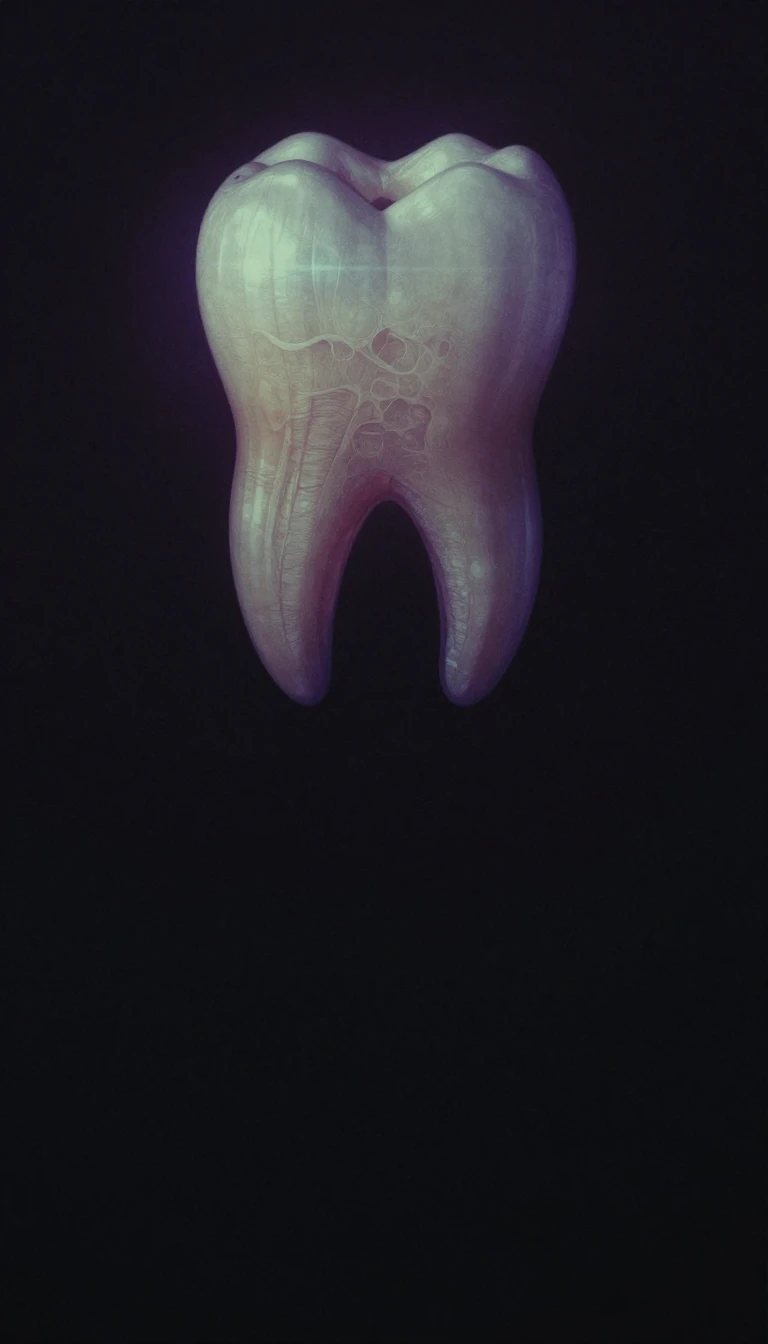 Sugar frequency, not just amount, drives tooth decayCaries is not a mysterious rot—it is acids from plaque bacteria dissolving enamel, dentin, and cementum. By 2016 roughly 3.6 billion people had decay in permanent teeth. The earli…
- Toothache can be pulp pain—or a heart or sinus clueMost facial pain starts in a tooth, yet pulp pain is poorly localized while ligament pain usually is not. In 2013, caries alone drove about 223 million toothache cases in permanen…
 The dose makes the poison—even water can be toxicToxicity is how far a substance or mixture can harm an organism, a cell, or an organ. Snake venom has a no-effect dose; enough water can kill. Southern African bone arrows from 72…
 Paracelsus’s rule still runs modern poison scienceToxicology studies how chemicals harm living things and how to diagnose and treat exposures. Dose, duration, route, species, age, sex, and environment all shape risk. Paracelsus’s…
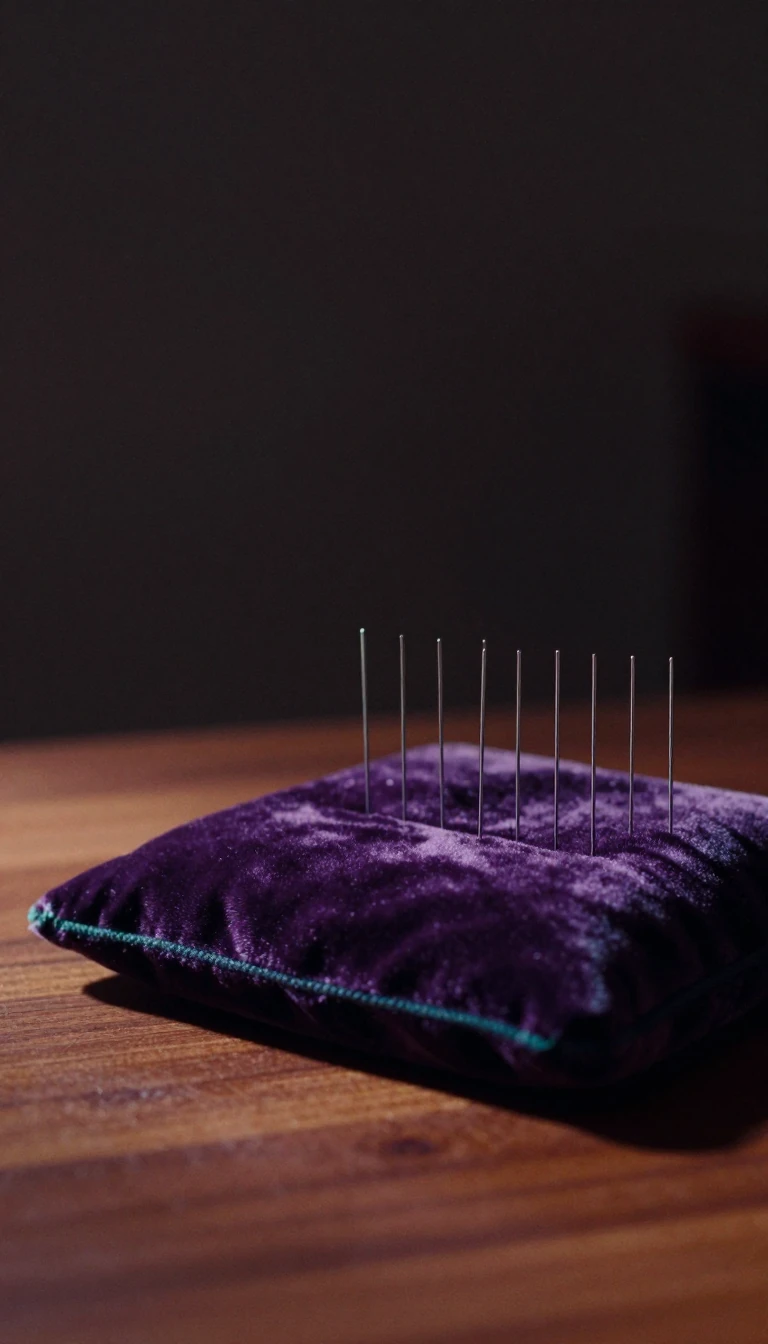 Today’s “traditional Chinese medicine” is largely a modern packPractices in historical China were plural and contested—not one timeless system. Historians call today’s TCM a largely twentieth-century synthesis. Meridians and circulating qi la…
- Herb books crossed empires long before clinical trialsTraditional medicine names healing knowledge rooted in cultural belief—Ayurveda, Chinese medicine, Unani, and countless folk systems. A 2024 WHO survey found two-thirds of countri…
 Transplants save lives—but supply meets only a fraction of needMoving an organ or tissue from one body to another can replace failed function. Kidneys are the most transplanted organs worldwide; corneas and musculoskeletal grafts outnumber or…
 A quarter of humanity carries latent tuberculosisMycobacterium tuberculosis still tops single-agent infectious deaths worldwide. Roughly two billion people harbor latent infection; in 2024 about 10.7 million fell ill and 1.23 mi…
 A syndrome is a pattern until a cause makes it a diseaseFrom Greek for concurrence, a syndrome is a correlated set of signs and symptoms. Pair it with a definite cause and medicine often calls it a disease instead—yet Down syndrome kee…
 Rust does not cause tetanus; puncture wounds canClostridium tetani spores live in soil, dust, and manure, not in iron oxide. A rusty nail is risky because rough metal carries dirt into a deep, low-oxygen wound—the niche where s…
 Therapy sits between holistic care and single interventionsTreatment and therapy—often abbreviated Tx—mean attempted remediation after diagnosis. Not every therapy works, and many bring adverse effects. In mental-health speech, therapy ma…
- The first virus discovered still paints tobacco leaves mottledIn 1892 Dmitri Ivanovsky showed that infectious tobacco sap passed filters that stopped bacteria. Martinus Beijerinck later named the reproducing agent a virus. Tobacco mosaic vir…
 Most strokes starve the brain, not flood itAbout eighty-seven percent of strokes are ischemic: a clot or blockage cuts blood to brain tissue. The rest are hemorrhagic, from bleeding into or around the brain. High blood pre…
 Dependence is not the same as addictionSubstance dependence means the body adapts so that stopping brings withdrawal and drives reuse. Addiction is compulsive use despite harm. DSM-5 dropped separate abuse and dependen…
- Eleven criteria turn use into a disorderSubstance use disorder means keeping going despite serious harm. DSM-5 merges older abuse and dependence labels and grades mild, moderate, or severe by how many of eleven criteria…
 Not every cut in medicine counts as surgerySurgery uses hands and instruments to diagnose, treat, reshape, or remove tissue. Urgency splits elective, urgent, and emergency work. Minimally invasive routes can enter through …
 Treating symptoms can hide the real diseaseSymptomatic treatment eases signs of illness without fixing the cause. For many viral diseases it is still the only option available. Yet muffling fever or headache can delay diag…
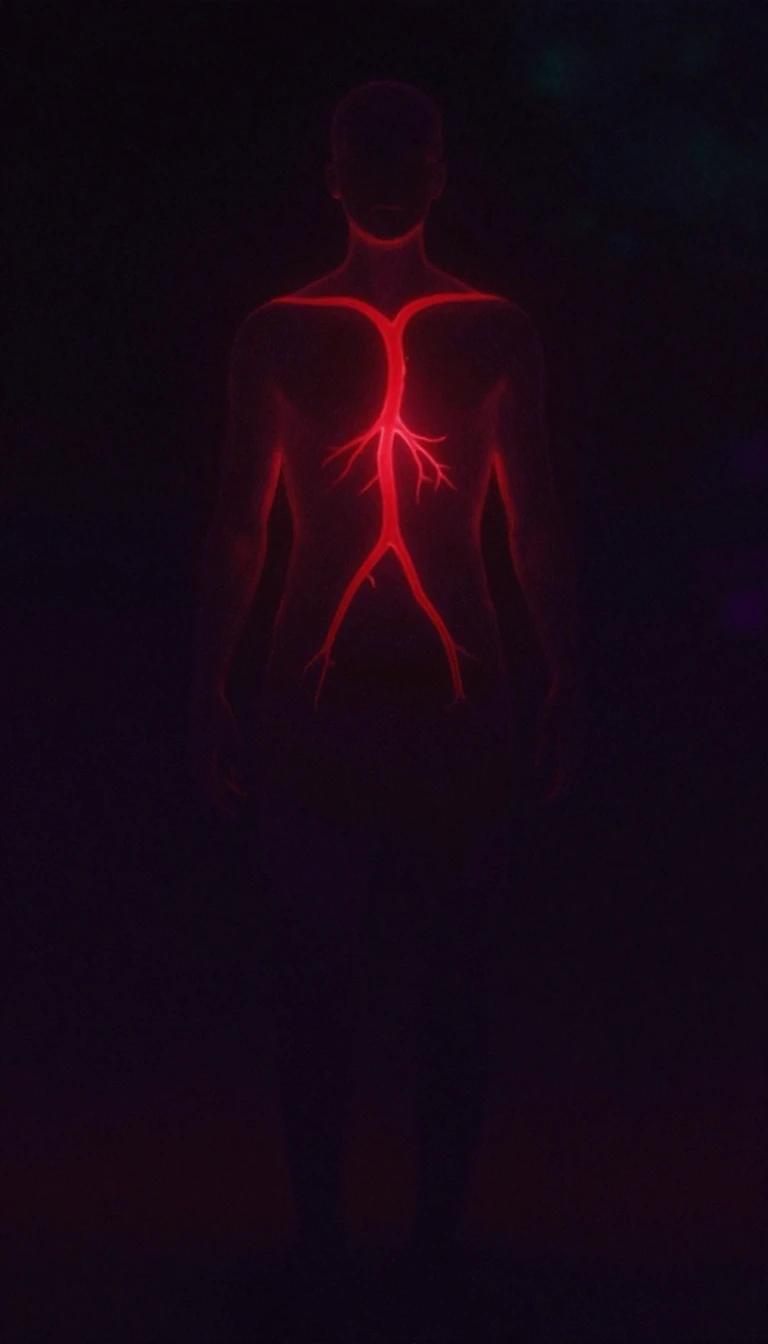 Shock means tissues are starving for blood flowCirculatory shock is not emotional jolt—it is insufficient blood reaching body tissues. Early signs can be weakness, racing pulse, fast breathing, sweat, anxiety, and thirst. Untr…
 Most skin cancers ride ultraviolet light into DNAAmong cancers that doctors identify in people, skin tumours top the list worldwide, and more than 90 percent of cases link to ultraviolet radiation from the sun or tanning devices…
 Smallpox is the only human disease ever eradicatedVariola virus killed with fever, mouth ulcers, and dented fluid-filled blisters that scarred survivors—and blinded some. The last natural case was diagnosed in October 1977; the W…
 One cigarette a day still halves the distance to heart riskBurning plant leaves and inhaling the fumes delivers drugs to the brain in under a second via hundreds of millions of alveoli. Tobacco smoking, practiced by over a billion people,…
- Most quit attempts fail alone; meds and counseling helpNicotine dependence makes stopping smoking hard, yet quitting halves heart-attack risk after one year and halves lung-cancer risk after ten. From 2001 to 2010, about 70 percent of…
 Sterilization aims for permanence; reversal is never sureMedical sterilization intentionally ends fertility for good. The common surgeries are tubal ligation or salpingectomy for women and vasectomy for men. Procedures are meant to last…
 Stimulants wake the brain—until the dose tips too farFrom caffeine and nicotine to cocaine and amphetamine, stimulants raise alertness by goosing sympathetic nerves and excitatory transmitters. Low prescribed doses can sharpen focus…
- Stress is the body fighting to restore its steady stateWhen a stressor jolts your world, two major systems usually answer: the autonomic fight-or-flight cascade and the HPA axis that releases cortisol. Adrenaline and cortisol are the …
 "Plastic" surgery means reshaping flesh, not operating with polymersThe label comes from Greek plastikē, the art of modelling malleable flesh—an English sense by 1598. In surgery the word appears by 1816 and was fixed by Eduard Zeis in 1838, about…
 In hospitalized pneumonia, most tests still find no pathogenPneumonia inflames the lung’s alveoli, bringing cough, chest pain, fever, and hard breathing in shifting mixes. Each year it hits about 450 million people—roughly 7% of the world—…
 Paracelsus’s rule still stands: the dose makes the poisonIn science, a poison is any chemical that harms or kills a living organism. The sixteenth-century physician Paracelsus, often called toxicology’s father, put it sharper: everythin…
- About three in four polio infections never show any symptomsPoliovirus infects only humans and spreads mainly by fecal–oral routes—or sometimes mouth to mouth. Roughly 75% of infections stay silent, yet carriers can shed virus for up to si…
 Rubella is often mild—until it crosses the placentaAlso called German measles or three-day measles, rubella is a vaccine-preventable viral infection that half of those infected may not notice. A pale rash can start about two weeks…
 Scarlet fever’s rash is written by bacterial toxins from a virusScarlet fever follows a minority of strep throat or skin infections with Streptococcus pyogenes. The sandpaper rash is not from the bacterium alone: strains need bacteriophages—es…
 Schizophrenia has no blood test—diagnosis waits on months of lived signsHallucinations, delusions, disorganized thought or behavior, and flat or mismatched emotion can mark schizophrenia, usually emerging in young adulthood. There is no objective diag…
- World wars put Gillette blades in millions of kitsCopper razors appeared around 3000 BC, yet the modern mass market arrived with disposable blades. In 1918 Gillette sold 3.5 million razors and 32 million blades to U.S. forces. In…
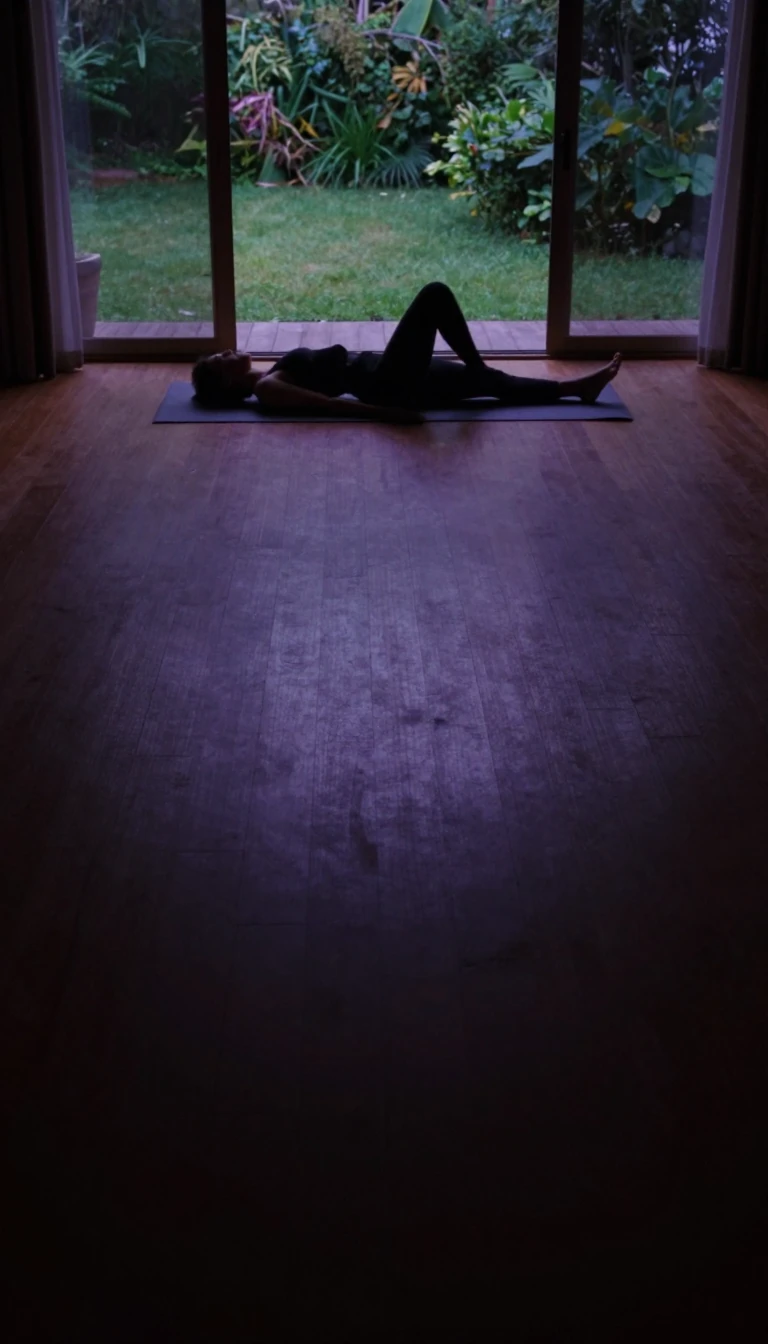 U.S. guidelines dropped the ten-minute exercise bout ruleAdults should still accumulate 150 to 300 minutes of moderate aerobic activity each week, or 75 to 150 vigorous minutes, plus twice-weekly muscle strengthening. The 2018 U.S. Phys…