 Intellect Plus
Morbidity
283 cards. Each one is a 40-second story with a five-minute read behind it. Page 4 of 5.
 Why a common herpes virus triggers a rare and complex form of cancerKaposi sarcoma is a cancer of the blood and lymph vessel linings, driven by the human herpes virus 8. While healthy immune systems keep this virus dormant, it can trigger aggressi…
 That red, painful eye might be keratitis, a serious inflammation of your cornea.Keratitis is the inflammation of the cornea, the clear tissue covering your pupil and iris. While minor injuries can trigger it, infectious forms caused by bacteria, viruses, or p…
 Why some people steal despite knowing it is wrong and risking everythingKleptomania is not a character flaw or a lack of willpower. It is a medical condition where the brain fails to inhibit the impulse to take items, regardless of their value. While …
 A tiny, silent fly bite can trigger a life-threatening, neglected tropical disease.Leishmaniasis is a parasitic infection transmitted by the bite of female sand flies, which are often one-fourth the size of mosquitoes. While many cases cause only skin sores, oth…
 Why that sudden dizzy spell when you stand up is usually nothing to fearFeeling lightheaded or off-balance is a common experience that rarely signals a serious health crisis. While the sensation of spinning or fainting can be unsettling, it often reso…
 Liver cancer is a complex disease driven by viral infections, metabolic issues, and toxinsLiver cancer is not a single condition but an umbrella term for various malignancies originating in the liver. While viral hepatitis remains a primary driver globally, rising rate…
 Long COVID is not a single illness, but a complex, fluctuating, and poorly understood condition.Long COVID affects millions, yet it remains a diagnostic puzzle without a definitive lab test. Symptoms can emerge, vanish, and return over years, often mimicking other chronic co…
 Why the world's leading cause of disability is often a mystery to medicineLow back pain is the most common musculoskeletal condition globally, affecting an estimated 619 million people. Despite its prevalence, about 90 percent of cases are classified as…
- Can we accurately predict which injured patients require specialized trauma center care?Major trauma remains a primary driver of global mortality and long-term impairment. To improve survival, paramedics use triage tools to determine if a patient needs specialized ca…
 A broken jaw is more than just pain; it can threaten your ability to breathe.While often associated with sports or accidents, a mandibular fracture is a serious medical emergency. Beyond the obvious pain and swelling, these breaks can misalign your bite or…
 Mass psychogenic illness proves that physical symptoms can spread without any infectious pathogen present.Mass psychogenic illness, or mass hysteria, triggers physical symptoms across a group without a biological cause. From medieval dancing manias to modern factory outbreaks, these e…
 Medulloblastoma is a fast-growing brain tumor that requires precise genetic classification for effective treatment.As the most common cancerous brain tumor in children, medulloblastoma originates in the cerebellum, the brain's center for balance and coordination. While once viewed as a single …
 Why metabolic syndrome is a silent threat hiding in plain sightMetabolic syndrome is not a single illness, but a cluster of conditions that significantly elevate your risk for heart disease, stroke, and type 2 diabetes. Affecting up to one-th…
 Why the metals in your body are a double-edged sword for your healthMetals are essential for life, yet they can become lethal pollutants. When toxic metals like lead or cadmium accumulate, they hijack your cellular machinery, displace vital nutrie…
 Why a mood disorder is far more than just feeling sad or blueA mood disorder is a significant mental health condition where your internal state disconnects from your actual life circumstances. Unlike fleeting sadness, these disorders are in…
 Why the world's deadliest animal is a tiny, buzzing, blood-seeking biological machineMosquitoes are responsible for over 700,000 deaths annually, accounting for 17% of all infectious diseases. These insects act as biological vectors, carrying viruses, bacteria, an…
 Why some children are physically unable to speak in specific social situationsSelective mutism is not a choice or an act of defiance. It is an anxiety-driven freeze response that renders speech impossible in certain environments. While often mistaken for sh…
 Muscle pain is rarely just about muscles, often signaling deeper systemic or lifestyle issues.Myalgia, or muscle pain, is a universal human experience, yet its origins range from simple exercise strain to complex neurological and metabolic conditions. While most cases reso…
 Why the brain fails to drive muscle activity in patients with ME/CFSMyalgic encephalomyelitis/chronic fatigue syndrome is a debilitating condition defined by extreme exhaustion and post-exertional malaise. While the exact cause remains unknown, re…
 Myiasis: When Fly Larvae Turn Human and Animal Tissue Into a Living HostMyiasis is the parasitic infestation of live tissue by fly larvae. While often associated with livestock, it frequently affects humans in tropical regions. Whether through open wo…
 That sudden twitch as you drift off is usually harmless, but why does it happen?Myoclonus is a sudden, involuntary muscle movement that ranges from common hiccups to complex neurological symptoms. While most people experience these jerks while falling asleep,…
- A broken nose is rarely an emergency, but timing is everything for proper healing.Most nasal fractures heal independently within three weeks, but ignoring a crooked nose or breathing difficulties can lead to permanent changes. While home care with ice and rest …
 A natural reservoir is not just a place for water, but a biological sanctuary.In civil engineering, a reservoir is a man-made basin for water storage. In epidemiology, it is a living host or environment where a pathogen persists. Both concepts involve conta…
- Why do over a billion people suffer from diseases we can easily cure?Neglected tropical diseases affect more than 1.6 billion people, yet they remain sidelined by global funding agencies. While these conditions are often preventable and treatable a…
 Most moles are harmless, but your skin's history holds vital clues about cancer riskA nevus, or mole, is simply a cluster of pigment cells. While most adults carry dozens of these spots, they are rarely cancerous. However, certain atypical moles act as markers fo…
 Nipah virus is a lethal, bat-borne pathogen with a high mortality rate and pandemic potential.First identified in Malaysia in 1998, Nipah virus is a zoonotic pathogen that causes severe neurological and respiratory disease. With no licensed treatment or vaccine, it remains…
 Why that sudden nosebleed is rarely a cause for genuine medical alarmNosebleeds, or epistaxis, are common, dramatic, and almost always harmless. While they can look frightening, the vast majority resolve without professional intervention. Understan…
- Why the most common personality disorder is often mistaken for a simple work ethicObsessive–compulsive personality disorder is the most prevalent personality disorder in the United States, yet it is frequently misunderstood. Unlike the anxiety-driven, intrusive…
 Obstructive shock is a mechanical emergency where the heart is fine but trapped.Obstructive shock occurs when something physically blocks blood from entering or leaving the heart. Unlike cardiogenic shock, where the heart muscle itself fails, obstructive shoc…
 Why an open fracture is a medical emergency requiring urgent multidisciplinary interventionAn open fracture is more than a broken bone; it is a high-acuity injury where the bone pierces the skin, creating a direct pathway for infection. Because these injuries often invo…
 Why some germs only become dangerous when your immune system stops fighting backOpportunistic infections are pathogens that typically cause little harm to healthy people but turn life-threatening when the immune system is compromised. Whether triggered by HIV…
 Is Oppositional Defiant Disorder a medical condition or a mismatch with the environment?Oppositional defiant disorder is a recognized diagnosis defined by persistent anger, argumentativeness, and vindictiveness toward authority figures. Yet, some experts argue these …
- Swimmer's ear is often a self-inflicted injury caused by cleaning the ear canal.While commonly associated with swimming, otitis externa is frequently triggered by the use of cotton swabs or other implements. These tools create microscopic abrasions in the pap…
 Why your child’s ear infection is often a plumbing problem, not just a germAn ear infection is rarely just about bacteria. It is a mechanical failure of the eustachian tubes, which struggle to drain fluid from the middle ear. Because these tubes are narr…
- Panic disorder is a cycle of fear where the body triggers false alarms.Panic disorder is more than just occasional anxiety; it is a recurring, often unpredictable experience of intense fear. While panic attacks can feel like a life-threatening medica…
 Paralysis is not just a loss of movement but a disruption of neural communication.Paralysis occurs when the vital messaging system between your brain and muscles breaks down. Whether caused by trauma, disease, or metabolic shifts, the condition ranges from loca…
- Why your brain might mistake a simple coincidence for a calculated personal attackParanoia is more than just feeling watched; it is a specific, persistent pattern of distrust without evidence. While occasional suspicion is normal, severe paranoia can signal und…
- Why do some people constantly scan their environment for hidden threats and malevolent intent?Paranoid personality disorder is defined by a pervasive, deep-seated mistrust of others. Those affected often interpret neutral actions as hostile, leading to a life of hypervigil…
 Parasites are not just distant threats; they are complex organisms living off our biology.Parasites are living entities that exploit human bodies for sustenance and shelter. Ranging from microscopic protozoa to visible worms, these organisms cause infections through co…
- Infection does not always equal disease: understanding the hidden mechanics of pathogen transmissionAn infectious disease is more than just a germ meeting a host. It is a complex cascade involving environmental factors, agent properties, and immune responses. While we often focu…
 Most bacteria are harmless, but a select few have evolved to hijack your biology.While thousands of bacterial species reside within you, fewer than a hundred are truly pathogenic. These specialized microbes have developed sophisticated mechanisms to bypass you…
- Escherichia coli is not just a gut resident; it is a master of genetic theft.While most E. coli are harmless members of our intestinal flora, pathogenic strains have evolved into dangerous opportunists. By hijacking genetic elements like plasmids and bacte…
- Pelvic inflammatory disease is a silent threat that can permanently damage reproductive health.Often causing no symptoms, pelvic inflammatory disease (PID) is an infection of the upper reproductive organs that can lead to infertility, chronic pain, and life-threatening ecto…
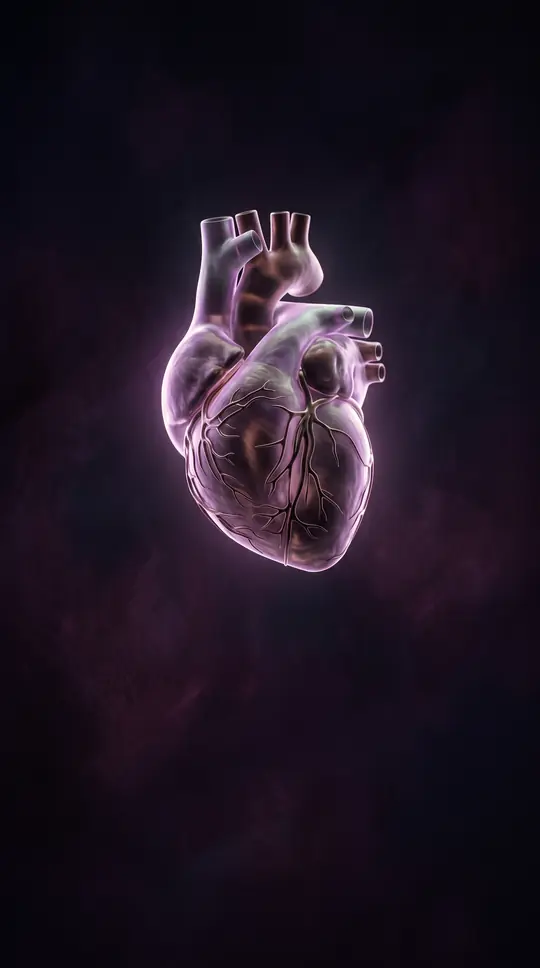 Why the velocity of a projectile matters more than its mass in penetrating traumaPenetrating trauma occurs when an object pierces the skin, creating a deep, narrow wound. While the type of weapon dictates the initial path, the severity of the injury depends he…
 How a simple change in medical equipment can save precious minutes for asphyxiated newbornsPerinatal asphyxia occurs when a newborn is deprived of oxygen during birth, risking severe brain injury. Therapeutic hypothermia is a critical treatment, but it must be started w…
- Gum disease is not curable, but it is a manageable condition with the right care.Periodontal disease is a silent, progressive condition that often goes unnoticed until significant damage occurs. While you cannot reverse the loss of structural support once it h…
 Is your leg pain just aging, or is it a sign of restricted blood flow?Many people dismiss recurring leg pain during exercise as a normal part of getting older. In reality, it may be peripheral artery disease, a condition where fatty deposits restric…
- Why that satisfying pop is actually the worst thing you can do for your skinPopping a pimple might feel like a quick fix, but it often backfires by driving bacteria deeper into your skin and risking permanent scarring. Instead of manual extraction, unders…
- Why fluid buildup in your lungs is a matter of pressure and permeabilityA pleural effusion occurs when excess fluid collects in the space surrounding your lungs, potentially collapsing them. Understanding whether this fluid is a transudate or an exuda…
 Why the medical community is renaming PCOS to reflect its true metabolic natureLong known as polycystic ovary syndrome, this condition is being rebranded as polyendocrine metabolic ovarian syndrome. This shift acknowledges that the disorder is not merely a r…
- Polytrauma is a complex medical condition defined by multiple severe, concurrent physical injuries.Polytrauma is more than just a collection of wounds; it is a clinical state where multiple body systems are compromised simultaneously. Often triggered by high-velocity accidents …
 Is post-nasal drip a real medical condition or just a normal bodily function?That persistent sensation of mucus dripping down your throat is often labeled post-nasal drip, but some experts argue it is actually a standard physiological process. While it is …
- Why your arms might feel too short for reading as you hit fortyPresbyopia is an inevitable consequence of aging, typically appearing after forty. As the eye's lens stiffens and loses flexibility, focusing on nearby objects becomes increasingl…
 The brain-eating amoeba is rare, but its path to the central nervous system is precise.Naegleria fowleri is a microscopic, free-living organism found in warm fresh water and soil worldwide. While infections are extremely rare, they are almost always fatal. The amoeb…
 Is your skin producing too many cells? Understanding the mechanics of chronic psoriasisPsoriasis is a long-term condition where the body mistakenly accelerates skin cell production, creating itchy, scaly patches. While often misunderstood as contagious, it is actual…
- Pyromania is a rare impulse-control disorder, not a synonym for criminal arson.Pyromania is a psychiatric condition defined by an uncontrollable urge to set fires, often driven by internal tension rather than external gain. Unlike arsonists, who act for prof…
 Almost everyone develops a skin rash, but identifying the cause is notoriously difficult.A rash is a universal human experience, yet its origins range from simple allergic reactions to complex viral infections. While many are harmless, some require immediate medical i…
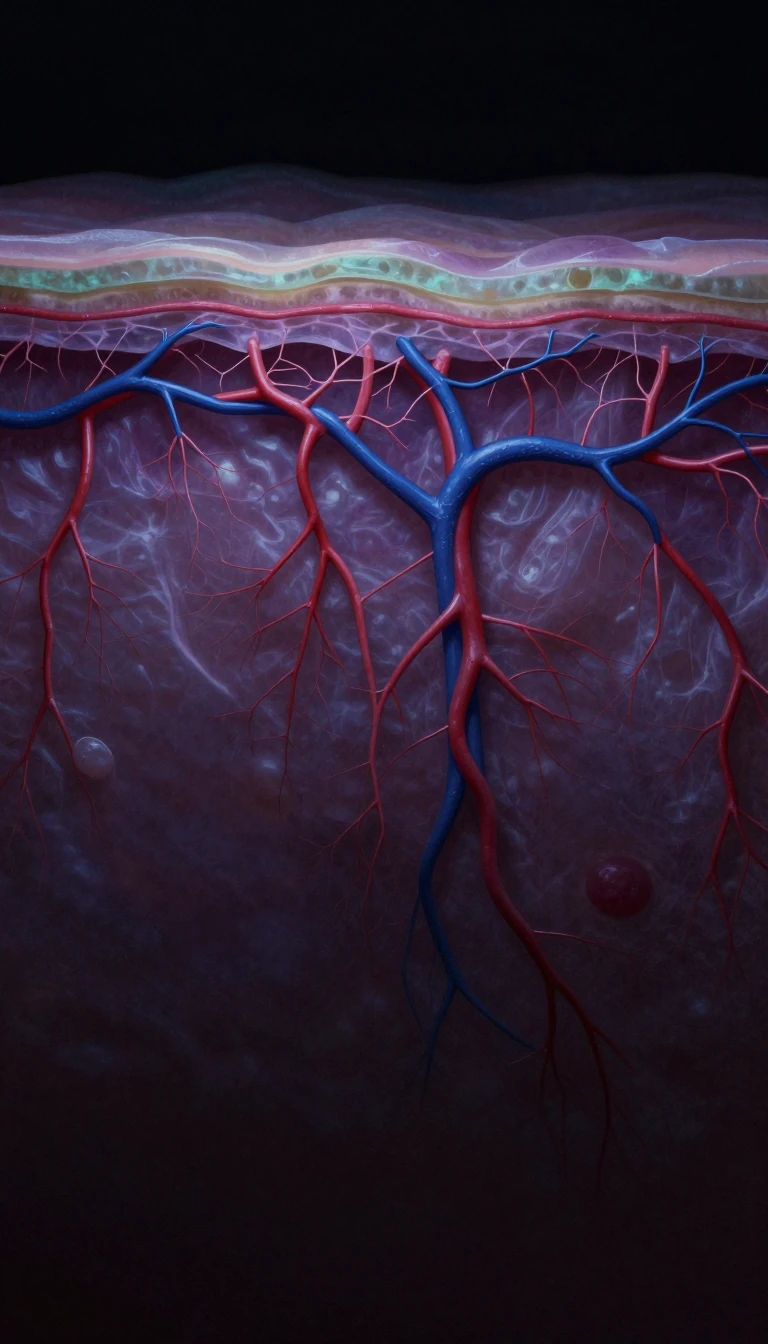 Why do your fingers turn white, blue, and then red in the cold?Raynaud's phenomenon is a common condition where blood vessels in your fingers, toes, or even nose spasm in response to cold or stress. While often just a minor inconvenience, the…
- Why the human respiratory system is uniquely vulnerable to a vast range of diseasesOur lungs are not just organs; they are a high-traffic gateway exposed to everything we inhale. From the nasal cavities to the microscopic alveoli, this complex system faces const…
- Your lungs are a battlefield where thousands of microscopic invaders are defeated every day.Every day, you inhale roughly 28,000 breaths, each carrying a cocktail of environmental bacteria, viruses, and fungi. Despite this constant barrage, your respiratory tract remains…