 Intellect Plus
Surgery
16 cards. Each one is a 40-second story with a five-minute read behind it.
 Lumbar decompression surgery relieves nerve pain but isn't a cureLumbar decompression surgery can ease leg pain from spinal stenosis, but it doesn't guarantee a pain-free life. Recovery takes weeks, and risks include infection and nerve damage.…
 ACDF surgery fuses neck bones but risks swallowing and speech issuesACDF surgery, a common cervical fusion, relieves nerve pain but carries risks like swallowing dysfunction and vocal changes. Surgeons use bone grafts and plates to stabilize the s…
 Hip replacement surgery is more predictable than you thinkThis video breaks down the real process of hip replacement surgery, from preparation to recovery, with clear, doctor-approved insights on what to expect and how to prepare.
 Reverse shoulder replacement lets deltoid muscle power the arm, not the rotator cuffThis surgery shifts the mechanics of the shoulder, allowing patients with damaged rotator cuffs to regain mobility. It's a radical shift in how we think about joint replacement, a…
 Hip replacement surgery can last a lifetime, but recovery variesHip replacement surgery is a major procedure that can restore mobility, but recovery timelines and long-term outcomes depend on individual factors. Learn how the surgery works, wh…
 Shoulder replacement surgery swaps broken bones for metal and plasticShoulder replacement surgery replaces damaged joint parts with metal and plastic implants, often used for osteoarthritis or rotator cuff injuries. A reverse version swaps the ball…
 Hip replacement surgery is more than just a bone fixThis 3D animation explains how hip replacement surgery works, why timing matters, and how technology improves outcomes. Watch to understand the science behind one of the most succ…
 Mohs surgery removes cancer with 99% precision, but risks existMohs surgery is a highly precise method for removing skin cancer, with a 99% success rate. This video explains how it works, the process, and the potential risks involved.
- The surgical pit crew: the hidden experts of the operating roomImagine a high-stakes race where the driver is the surgeon, but the victory depends on a coordinated pit crew. Surgical technologists are these essential allies, mastering the inv…
 Why low estrogen does more than just trigger hot flashesWhile many associate low estrogen with the transition into menopause, its impact reaches far deeper into the body's architecture. Beyond surface symptoms, hypoestrogenism can fund…
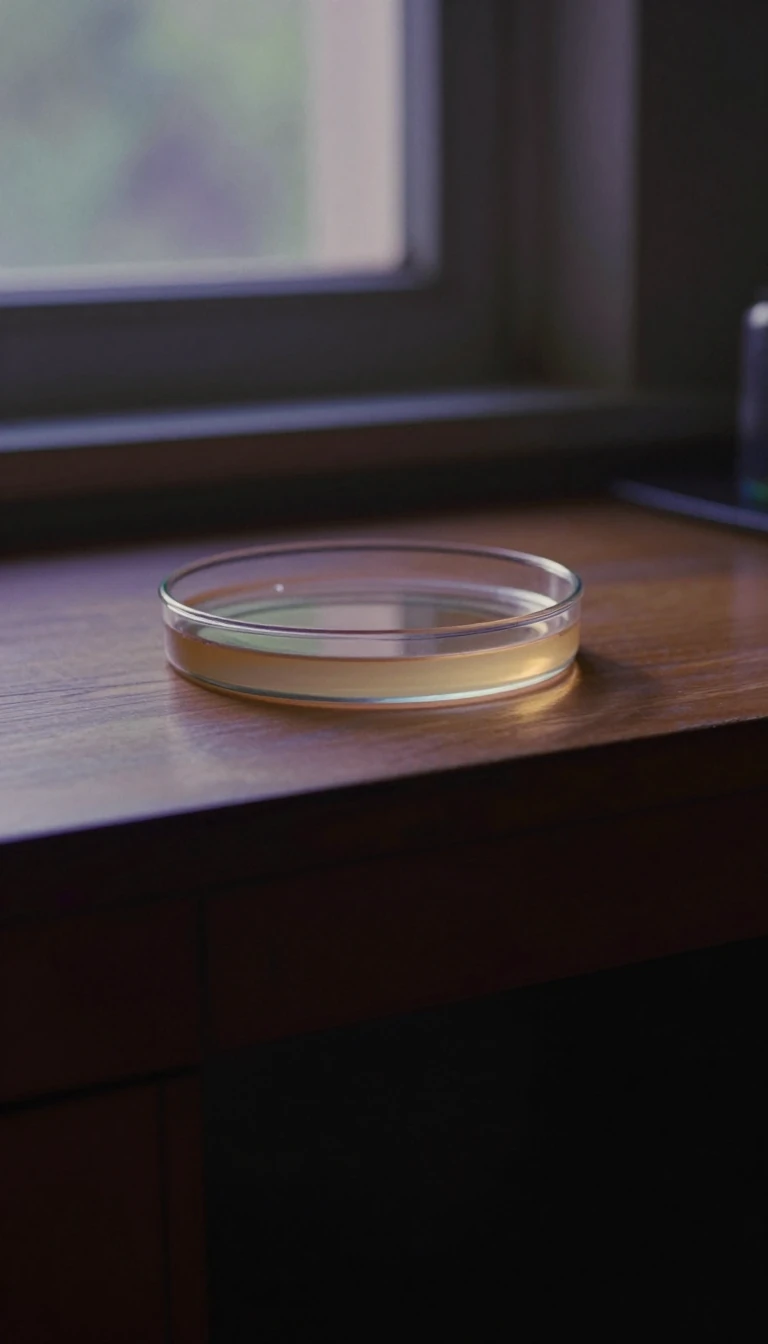 How a jam-making ingredient became the foundation of modern microbiologyThe ability to isolate, identify, and mass-produce microbes relies on a simple jelly-like substance. Originally used for preserving fruit, agar provided the first stable surface f…
 A cystocele is not a single defect, but a complex structural failureWhen the bladder pushes into the vagina, it is often labeled a cystocele. But this common condition isn't just one type of injury. It is a heterogeneous failure of the pelvic floo…
- The surgical tilt that moves organs to make roomIn the operating room, gravity is a tool. By tilting a patient so their feet are elevated above their head, surgeons can physically shift internal organs. This maneuver, known as …
 The invisible wall: how surgeons mastered the art of nothingnessGerms are everywhere—in the air, water, and on our skin. To perform surgery safely, doctors must create a localized reality where these pathogens simply do not exist. This transit…
 How machine perfusion could solve the critical challenges of organ transplantationOrgan transplants save lives, but they face two major hurdles: the ticking clock of organ preservation and the constant risk of biological rejection. This video explores how new p…
 A Boston dentist made surgery painless, then tried to patent it.On 16 October 1846, in a Boston operating theatre, William Morton had a patient inhale ether before a surgeon cut a tumour from his neck. The man felt no pain, and the news crosse…