How a jam-making ingredient became the foundation of modern microbiology
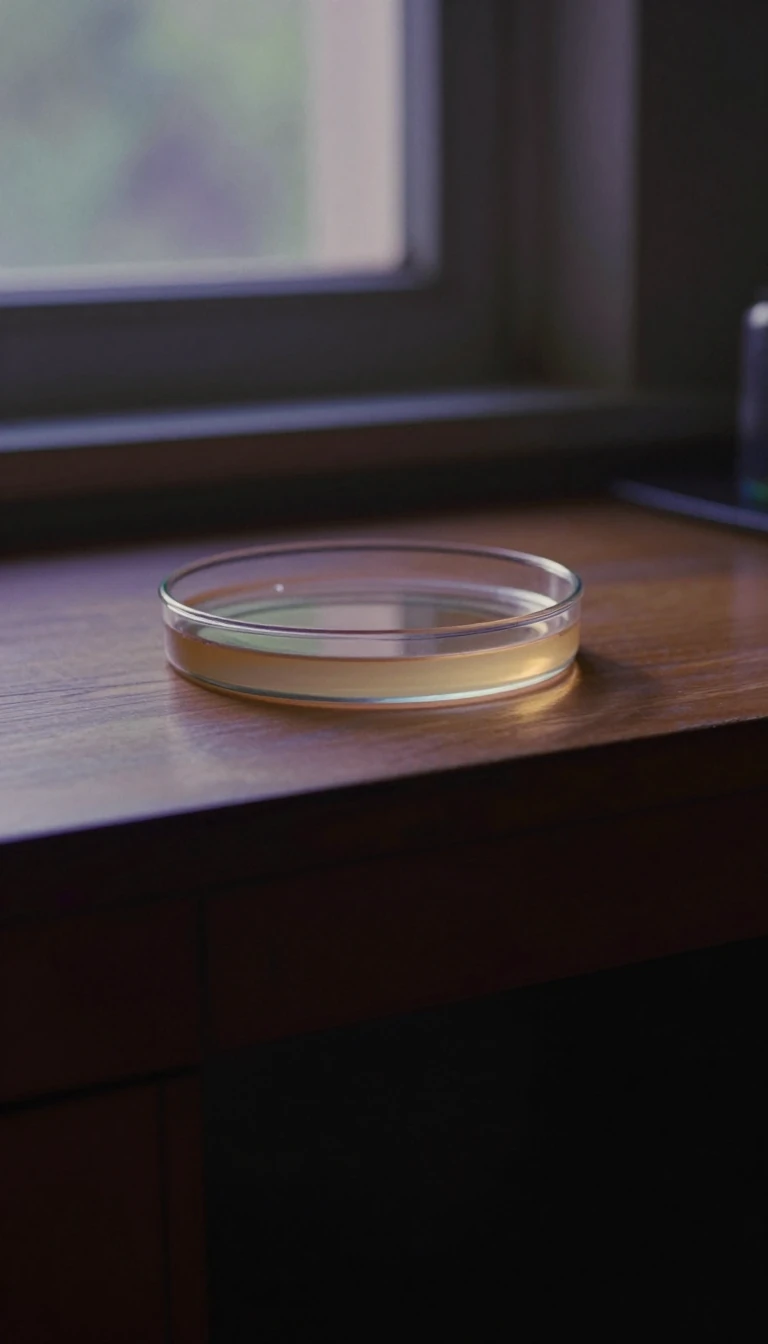
In short: The ability to isolate, identify, and mass-produce microbes relies on a simple jelly-like substance. Originally used for preserving fruit, agar provided the first stable surface for scientists to grow distinct colonies. This transition from the kitchen to the laboratory enabled the development of modern diagnostics and personalized phage therapies.
In 1881, Fanny Hesse, a technician in Robert Koch's laboratory, proposed using agar as a setting agent for microbial cultures. She chose it because it was already a common ingredient in jam making.
The versatility of the agar plate lies in its chemical customization. Scientists can create "defined" media, where every molecule is known, or "undefined" media made from natural products like yeast extract. These can be "permissive," allowing any organism to grow, or "selective," using antibiotics or specific nutrients (like lactose) to isolate only certain species. For example, MacConkey agar uses bile salts and crystal violet to inhibit gram-positive bacteria while differentiating gram-negative ones, while Mannitol salt agar uses high salt content to select for halophiles.
Beyond simple growth, agar plates serve as diagnostic tools. "Indicator plates" use enzymes to cause color changes, and "blood agar plates" (BAPs) allow researchers to detect hemolytic activity—the breakdown of red blood cells. For instance, β-hemolysis shows complete digestion of cell contents, while α-hemolysis leaves the membrane intact, turning the area green or brown. Modern applications even include using agar to standardize the production of bacteriophages, using "plaque assays" to measure phage yield and optimize therapy against antimicrobial-resistant bacteria.
Today, the field is moving toward high-precision automation. Researchers are developing 3D-printed lightboxes to standardize smartphone photography of these plates. This reduces glare and shadows, allowing machine learning algorithms to accurately count colonies and analyze colony margins. This evolution from a 19th-century jam ingredient to AI-assisted diagnostics highlights the enduring utility of agar in human achievement.
Opens the Intellect+ feed with this card first. Swipe up for the next one.
Sources
- Summary by Intellect · source: Agar plate
- Also: MicrobiologyOpen — Improving Agar Plate Image Quality Using a Low-Cost 3D-Printed Lightbox: A Proof-of-Concept Evaluation for Machine Learning-Assisted Analysis. · CC BY
- Also: Antibiotics (Basel, Switzerland) — Standardization of the Agar Plate Method for Bacteriophage Production. · CC BY
To cite this card, link to https://intellectplus.co.uk/app/health-agar-plate.
How we source, check and correct cards: Editorial standards.
General information, not professional advice. Spotted an error? Flag the card or see corrections and complaints.
Intellect Plus is a visual educational discovery platform for exploring fascinating facts and ideas. Brain Food, Not Brain Rot. What is Intellect Plus?
Related
More in Surgery · More in Health · Latest · A–Z · All topics
