 Intellect Plus
Writers
1,873 cards. Each one is a 40-second story with a five-minute read behind it. Page 31 of 32.
 Ghalib's Persian poems outnumber his Urdu five to one, yet Urdu made himMirza Asadullah Beg Khan (1797 to 1869), known as Ghalib, wrote in Persian and Urdu as the Mughal Empire faded and British rule rose. His Persian output is at least five times lar…
 Casanova escaped a Venetian prison and talked France into a state lotteryGiacomo Casanova (1725 to 1798) is a byword for seduction, but his real legacy is a memoir. Written in French and published after his death, The Story of My Life is now valued as …
 A banker's son who hated banking became Europe's greatest prose writerGiovanni Boccaccio (1313 to 1375), Petrarch's friend and one of Italy's Three Crowns alongside Dante, gave up banking and law for literature. His Decameron became the model for It…
 Fuzuli chose a pen name meaning presumptuous so nobody else would share itMuhammad bin Suleyman (1483 to 1556), known as Fuzuli, wrote in Azerbaijani, Persian and Arabic while Iraq passed between Aq Qoyunlu, Safavid and Ottoman rulers. He never left Ira…
 Sentenced to death in 1849, Dostoevsky was reprieved at the last momentFyodor Dostoevsky (1821 to 1881) wrote thirteen novels, three novellas and seventeen stories that probed guilt, faith and freedom in nineteenth-century Russia. Before the masterpi…
 An English phrasebook inspired Ionesco's first absurdist playRomanian-born Eugène Ionesco (1909–1994) wrote mostly in French and helped detonate mid-century avant-garde drama. Learning English at forty, he found the textbook's stiff dialogu…
 Euripides made mythical heroes feel painfully ordinaryAlongside Aeschylus and Sophocles, Euripides (c. 480–c. 406 BC) is one of three classical Athenian tragedians with plays still ascribed by name. He cast legendary figures as every…
 Pound shaped modernism—and broadcast for Fascist ItalyAmerican poet Ezra Pound (1885–1972) drove Imagism's spare precision and midwifed other modernists from London editorial desks. He later moved to Italy, pushed social-credit econo…
 The Great Gatsby flopped, selling under 23,000 copies in its first yearF. Scott Fitzgerald (1896–1940) became the novelist of Jazz Age glitter and crash, a term he popularized himself. Yet Gatsby sold poorly, his fame faded in the Depression, and onl…
 Lorca wanted to be a composer before he became Spain's poetFederico García Lorca (1898–1936) led Spain's Generation of '27 with Andalusian ballads and experimental theatre. He dreamed first of a life in music, turned to writing only after…
 Ferdowsi spent a lifetime forging the Persian Book of KingsAbu al-Qasim Ferdowsi (940–1025) composed the Shahnameh, among the longest epics by a single poet and the core of Persian literary identity. A landowner from near Tus, he worked o…
 Pessoa wrote under roughly seventy-five other selvesLisbon's Fernando Pessoa (1888–1935) ranks among the twentieth century's pivotal literary minds. He refused the word pseudonym for about seventy-five other names—especially Albert…
 Rabelais hid humanist fire inside giant belly laughsFrançois Rabelais (born 1483–1494, died 1553) is often called the first great French prose writer—a Renaissance Greek scholar whose comic giants angered John Calvin and the Cathol…
 Villon earned degrees—then a rap sheet—in medieval ParisFrançois Villon (c. 1431–after 1463) remains Late Medieval France's most famous poet, a University of Paris graduate who kept colliding with the law. Court papers called him Montc…
 Kafka wrote German nightmares from a Prague insurance deskFranz Kafka (1883–1924), a German-speaking Jewish Czech from Prague, fused realist detail with the fantastique. Trained in law and tied to insurance jobs, he published little, die…
- Schiller's friendship with Goethe remade German lettersFriedrich Schiller (1759–1805), playwright, poet, philosopher and historian, stands among Germany's classical giants. The son of a Lutheran army doctor, he was meant for the pulpi…
 A Prohibition gin raid invented the name Dr. SeussTheodor Geisel did not invent his famous pen name for marketing. At Dartmouth, a Prohibition bust cost him his humor-magazine editorship, so he kept drawing under “Seuss.” Later c…
 Tang China’s poet-sage left nearly fifteen hundred poemsDu Fu (712–770) failed the imperial exams, briefly held a minor court post, then watched the An Lushan rebellion shatter his career and family life. Later critics called him Poet-…
 A Swansea teenager’s poems outlived the doomed-poet mythDylan Thomas left school for a Welsh newspaper desk, yet published a death-defying lyric nationally at nineteen. Radio, American reading tours, and Under Milk Wood made him famous…
 America’s first full-time writer invented detective fictionEdgar Allan Poe turned short stories into a paying craft, helped invent detective fiction, and nudged early science fiction—while rarely escaping debt. His raven poem made him fam…
 A Gilded Age insider took fiction’s first women’s PulitzerEdith Wharton grew up among the New York Joneses—so rich that “keeping up with the Joneses” is said to name them—and turned that world into novels. In 1921 The Age of Innocence ma…
- The Faerie Queene earned Spenser a queen’s lifelong pensionEdmund Spenser’s allegorical epic celebrating Elizabeth I brought a fifty-pound yearly pension—and still failed to win him a secure court post. Ireland gave him land, a burned cas…
 A teenage camp survivor turned memory into fifty-seven booksElie Wiesel survived Auschwitz and Buchenwald, then spent a lifetime turning witness into literature and advocacy. Night retold the ordeal; fifty-seven books, a Boston University …
- Only ten of nearly eighteen hundred Dickinson poems saw print aliveEmily Dickinson wrote almost eighteen hundred poems in Amherst, yet only about ten appeared in her lifetime. After her death, sister Lavinia found the packets. Early editors smoot…
- Sargon’s daughter may be literature’s earliest named authorEnheduanna, high priestess of the moon god Nanna at Ur around 2300 BCE, appears as narrator in Sumerian hymns and is often called the first named author. Assyriologists still argu…
- Twelfth-century poet who invented Arthur's modern novelChrétien de Troyes, trouvère at Champagne and Flanders circa 1160–1191, shaped the Matter of Britain—Erec, Lancelot, Yvain, Perceval, and the Grail—in rhymed eight-syllable couple…
 Widowed Venetian scribe who built a city of ladiesChristine de Pizan, born Cristina da Pizzano in Venice in 1364, became France's court writer after plague killed her husband in 1389. Patronized by Orléans, Burgundy, and Charles …
 Kit Marlowe's Tamburlaine swagger ended in mysteryChristopher Marlowe, baptized Canterbury 26 February 1564, dominated pre-Shakespeare London drama with Tamburlaine's imitators yet died at twenty-nine in 1593 amid spy rumors, ath…
 Alexandria's unpublished poet waited for barbariansConstantine P. Cavafy, Konstantinos Kavafis of Alexandria (1863–1933), wrote 154 canonical poems yet refused book publication, sharing broadsheets and newspapers instead. Forster …
 Journalist spy who popularized the English novel formDaniel Defoe (c. 1660–1731) survived plague, fire, pillory, and debtors' prison to write Robinson Crusoe—four editions before 1719 ended—and some 545 attributed titles. Merchant, …
 Florentine exile who mapped Hell in Tuscan verseDante Alighieri (c. 1265–1321) wrote the Divine Comedy in vernacular Tuscan when Latin still ruled scholarship—terza rima, Beatrice, and Guelph exile shaping Western art. Boccacci…
- From Belfast atheist to Narnia and Oxford roomsClive Staples Lewis held English chairs at Magdalen, Oxford, then Magdalene, Cambridge, while publishing more than thirty books translated into dozens of languages. A wartime Somm…
 Kyrgyz steppes, Soviet halls, and mythic modern proseChinghiz Aitmatov wrote chiefly in Russian yet became a voice for remote Soviet Kyrgyzstan—novelist, film jurist, Communist Party member, and later ambassador to Luxembourg and Br…
 Igbo storytelling turned into Africa's most read novelAlbert Chinụalụmọgụ Achebe made Things Fall Apart (1958) the most studied African novel worldwide, then built an African Trilogy while broadcasting in Lagos and later teaching at …
 Okri became the Booker’s youngest winner at thirty-twoNigerian-born British writer Ben Okri, born 15 March 1959 in Minna, won the 1991 Booker Prize for The Famished Road at age thirty-two—still the prize’s youngest fiction winner. Re…
- Brecht fled Nazis in 1933 and rewrote political theatreBertolt Brecht (1898–1956), born Eugen in Augsburg, became Weimar Germany’s defining playwright-poet before Nazi rule forced him into Scandinavian then Southern California exile a…
 Soviet pressure made Pasternak refuse his own NobelBoris Pasternak (1890–1960) wrote My Sister, Life in 1917 (Berlin, 1922) and later Doctor Zhivago (1957), smuggled abroad after Soviet rejection. Awarded the 1958 Nobel Prize in L…
 Haworth’s parsonage forged three novelists from one nurseryThe Brontë siblings—Charlotte, Emily, Anne, and brother Branwell—grew up in Haworth after Thornton births, inventing shared imaginary worlds before publishing under male masks. Ir…
 Grimm tales came from townsfolk, not peasant cottages aloneJacob (1785–1863) and Wilhelm Grimm (1786–1859) gathered Kinder- und Hausmärchen mainly from educated urban acquaintances, then revised the language across a lifetime. Romantic na…
- Oil nationalism taught Fuentes he was Mexican at tenCarlos Fuentes (1928–2012), Panama-born son of a Mexican diplomat, dated his Mexican self-awareness to the 1938 oil expropriation that angered the United States. Where the Air Is …
 Haussmann’s Paris forced Baudelaire to redefine beautyCharles Baudelaire (1821–1867) fixed modern lyric attention on industrialising Paris in Les Fleurs du mal. Born to an ageing civil-servant father who died in 1827, he watched his …
 A blacking factory at twelve forged Dickens’s social eyeCharles Dickens (1812–1870), Portsmouth-born second of eight, left school at twelve for a boot-blacking warehouse when father John entered debtors’ prison. The 1836 Pickwick Paper…
- Perrault’s court tales taught the Grimms their French stepsCharles Perrault (1628–1703), Académie française member, helped invent the literary fairy tale. His polished versions of older stories shaped the German Grimm corpus more than a c…
- Eleven complete comedies still stage classical AthensAristophanes of Athens (c. 446–c. 386 BC) wrote about forty plays, and eleven survive nearly whole as the best surviving examples of Old Comedy. He mocked living politicians, poet…
 Clarke sketched geostationary relays years before SputnikArthur C. Clarke (1917–2008) did not invent the geostationary orbit, but in 1945 he argued that satellites parked there would make ideal radio relays. The orbit 36,000 kilometres …
 A physician’s failed practice launched Sherlock HolmesSir Arthur Conan Doyle (1859–1930) trained as a doctor in Edinburgh and opened a practice in Portsmouth that attracted few patients. While he waited, he wrote. The result, four Ho…
 Miller wrote Salesman’s first act in under a dayArthur Miller (1915–2005) shaped mid-century American drama with All My Sons, Death of a Salesman, The Crucible, and A View from the Bridge. In a Roxbury studio in 1948 he wrote S…
 Rimbaud quit literature before most poets beginArthur Rimbaud (1854–1891) packed nearly all his poetry into his late teens, assembled his last major work, Illuminations, and stopped writing literature at twenty. He spent the r…
- Pippi won a contest after another publisher said noAstrid Lindgren (1907–2002) built modern children’s literature with Pippi Longstocking, Emil, Karlsson-on-the-Roof, and the Bullerby kids. In 1945 her Pippi manuscript took first …
- Strindberg’s Inferno crisis remade his drama after naturalismAugust Strindberg (1849–1912) wrote more than sixty plays and thirty-odd books of fiction and critique, inventing fierce naturalistic battles in The Father, Miss Julie, and Credit…
- A Tang poet’s plain style traveled all the way to JapanBai Juyi (772–846), courtesy name Letian, wrote Tang verse about office life and ordinary sights so clear that Japanese readers still honor him as Haku Rakuten. Narrative landmark…
 A Sydney solicitor wrote Australia’s bush into songAndrew Barton “Banjo” Paterson (1864–1941) practised law in Sydney while sending bush ballads to The Bulletin under the name of his favourite horse. He gave Australia The Man from…
 Bricklayer’s stepson became Jacobean comedy’s satirist-in-chiefBen Jonson (c. 1572–1637) popularized the comedy of humours and minted Volpone and Every Man in His Humour while arguing with half of literary London. Classically trained yet appr…
- Carpentier was born in Lausanne, not Havana as long assumedThe Cuban novelist who shaped the Latin American boom entered the world on 26 December 1904 in Switzerland to a French architect and a Russian language teacher. The family moved a…
 Solzhenitsyn's camp novel needed Khrushchev's nod to appearA Red Army captain turned Gulag witness, Aleksandr Solzhenitsyn won the 1970 Nobel Prize in Literature for ethical force that exposed Soviet repression. His 1962 novella One Day i…
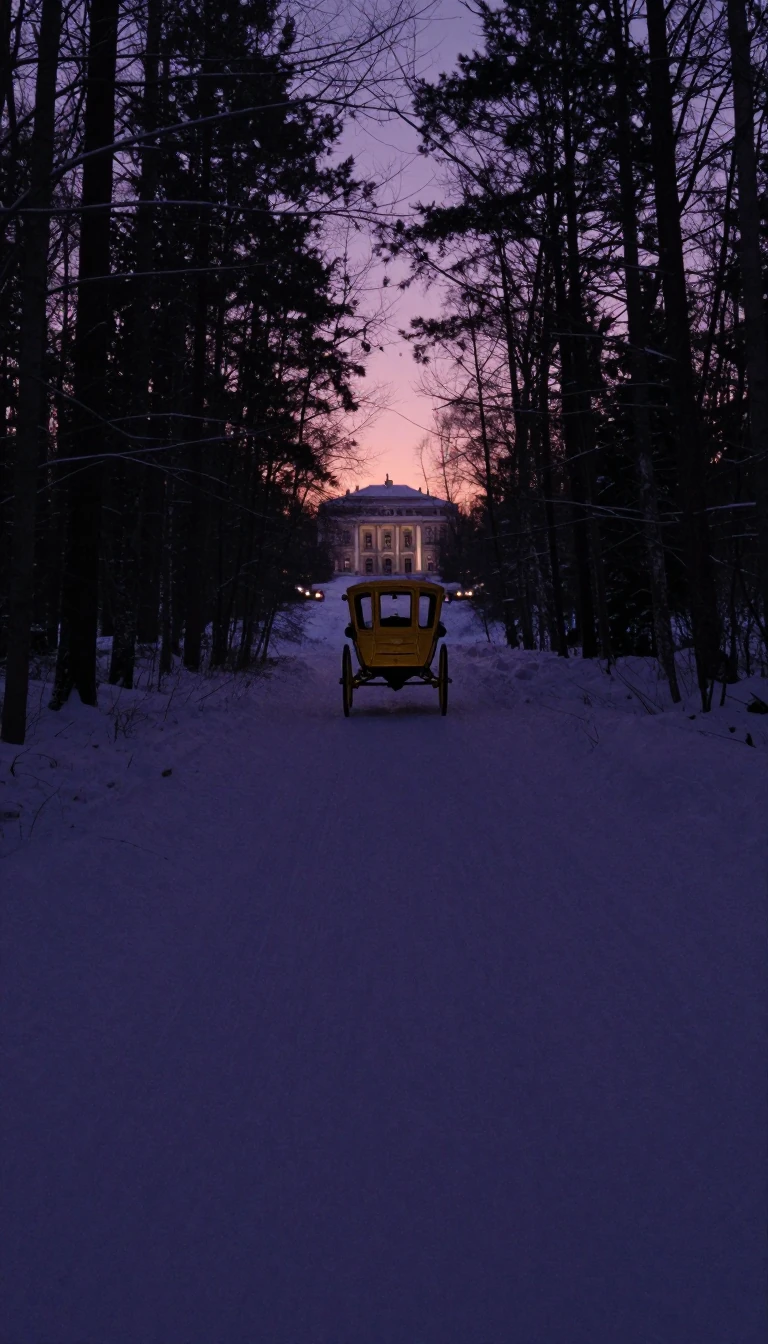 Pushkin's African great-grandfather served Peter the GreatRussia's Romantic giant, born in Moscow in 1799, descended through his mother from Abram Gannibal, an African page transferred to Peter I after Ottoman captivity. Nabokov doubted …
 Dumas père inherited a Haitian general's surname and driveAlexandre Dumas, born 24 July 1802, remains among the world's most-read French novelists thanks to serial adventures like The Three Musketeers and The Count of Monte Cristo. His f…
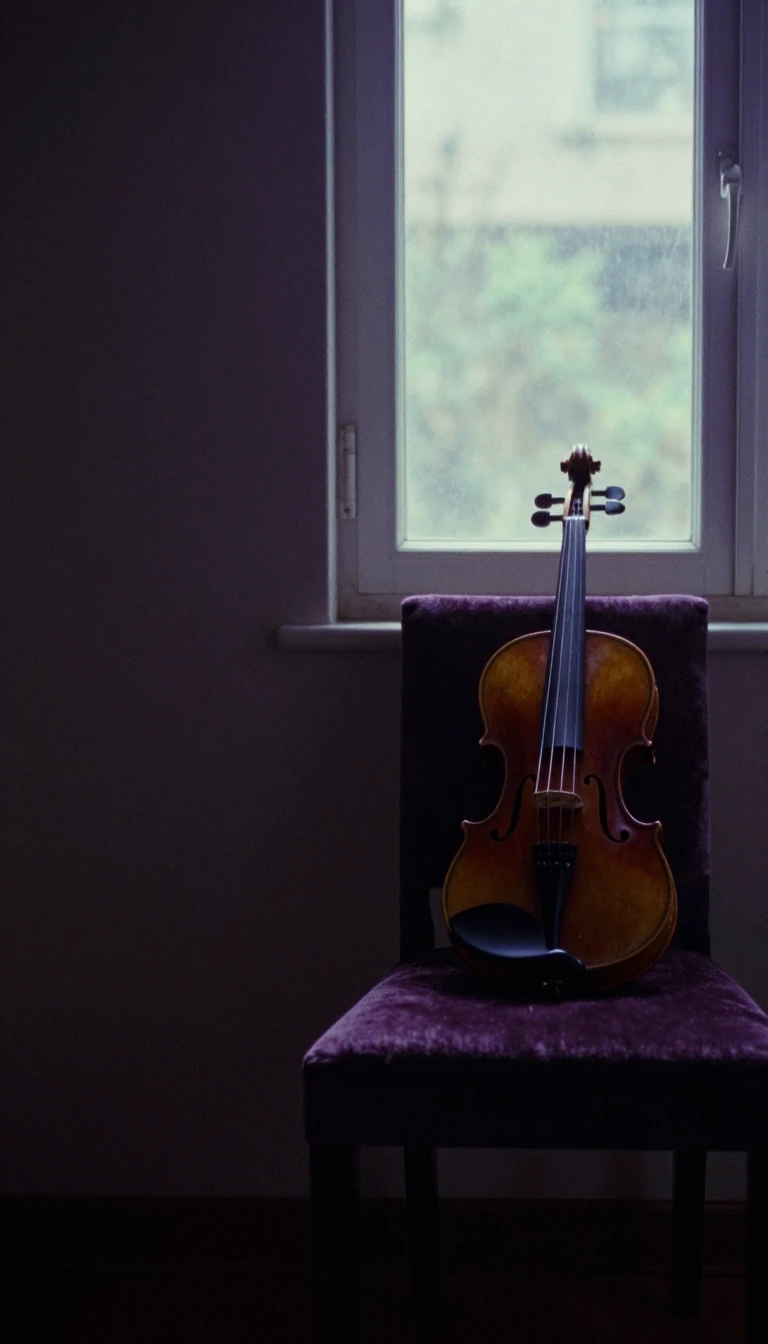 Amir Khusrau is called the father of qawwaliThe Indo-Persian Sufi poet of the Delhi Sultanate (1253–1325) wrote mainly in Persian while also using Hindavi and Punjabi. Discipleship under Nizamuddin Auliya, invention myths a…
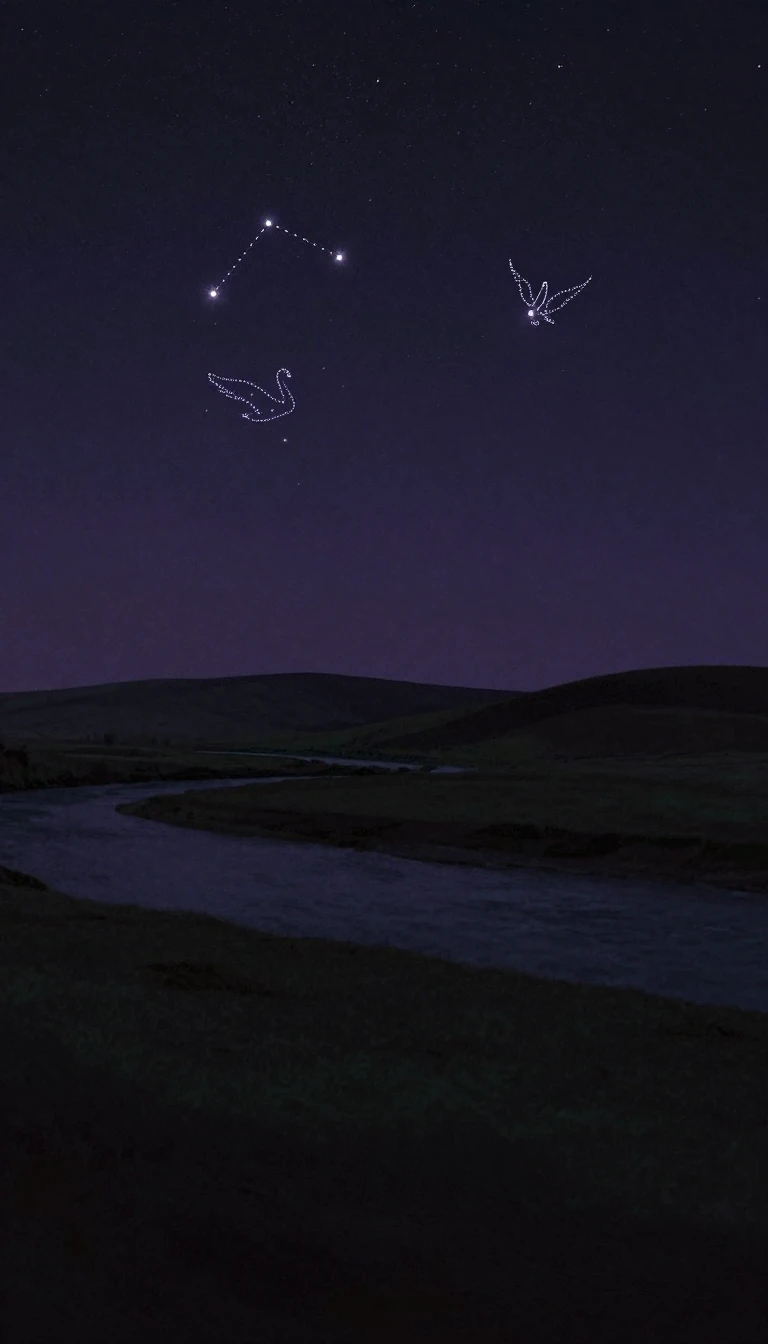 Akhmatova's Requiem turned Stalinist terror into spare lyricAnna Gorenko, writing as Akhmatova, built a voice of economy and restraint that still defines modern Russian lyric. Nobel nominations came in 1965 and 1966, yet many readers know …
- Only Otto Frank returned—and published Anne's diary in 1947Annelies Marie Frank (1929–1945) wrote in hiding under German occupation of the Netherlands. After Westerbork and Auschwitz, she and Margot died at Bergen-Belsen around February o…