 Intellect Plus
Historical cities
135 cards. Each one is a 40-second story with a five-minute read behind it. Page 3 of 3.
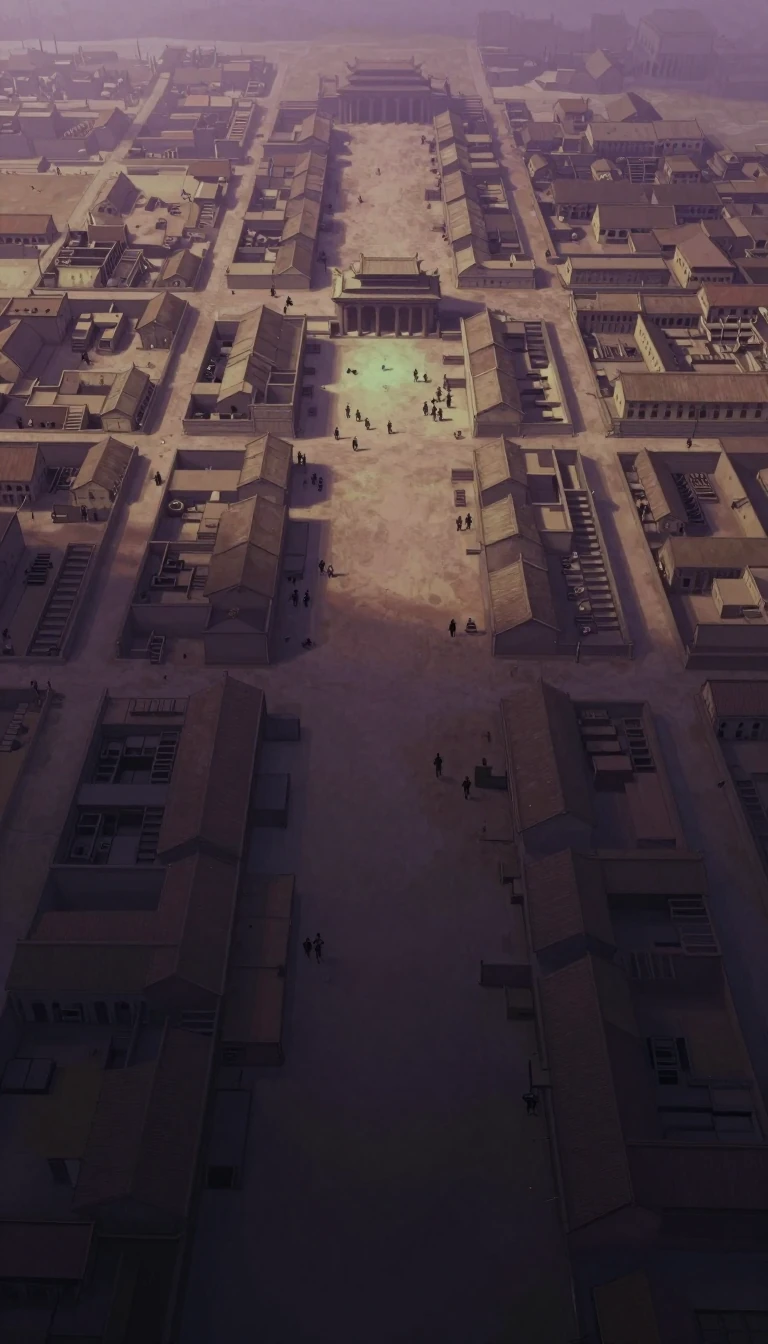 A Cretan hill town became the Minoan palace capitalKnossos sits about five kilometres south of Heraklion on Crete and is often ranked as Europe’s earliest urban centre. People settled Kephala hill near 7000 BCE; growth into a city…
 Pachacuti’s ridge estate became a New Wonder above the UrubambaMachu Picchu, a fifteenth-century Inca citadel at 2,430 metres in Peru’s Eastern Cordillera, sits about eighty kilometres northwest of Cusco above the Sacred Valley. Built around …
 Indus planners abandoned a 40,000-person brick metropolisMohenjo-daro—“Mound of the Dead Men” in Sindhi—rose about 2500 BCE as one of the Indus Valley Civilisation’s largest cities in Pakistan’s Larkana District. At least 40,000 residen…
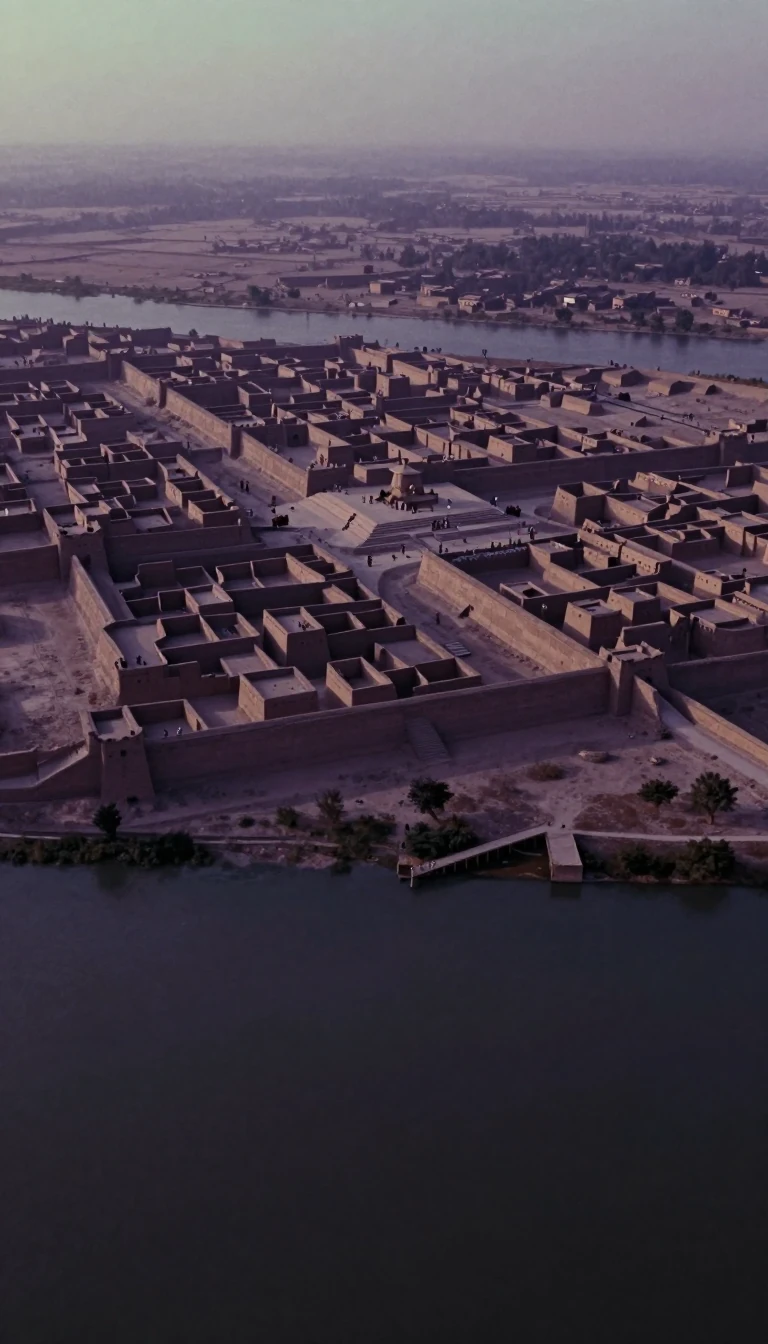 The world’s largest city fell in 612 BCE and never recoveredNineveh sat on the Tigris inside today’s Mosul and served as the Neo-Assyrian realm’s chief metropolis—briefly the biggest on Earth—until Medes, Babylonians, and Scythians sacked …
 Zenobia’s caravan city briefly defied Rome from the desertPalmyra in central Syria appears in documents from the early second millennium BCE, with Neolithic finds beneath. Silk Road merchants funded the Great Colonnade and Bel’s temple; …
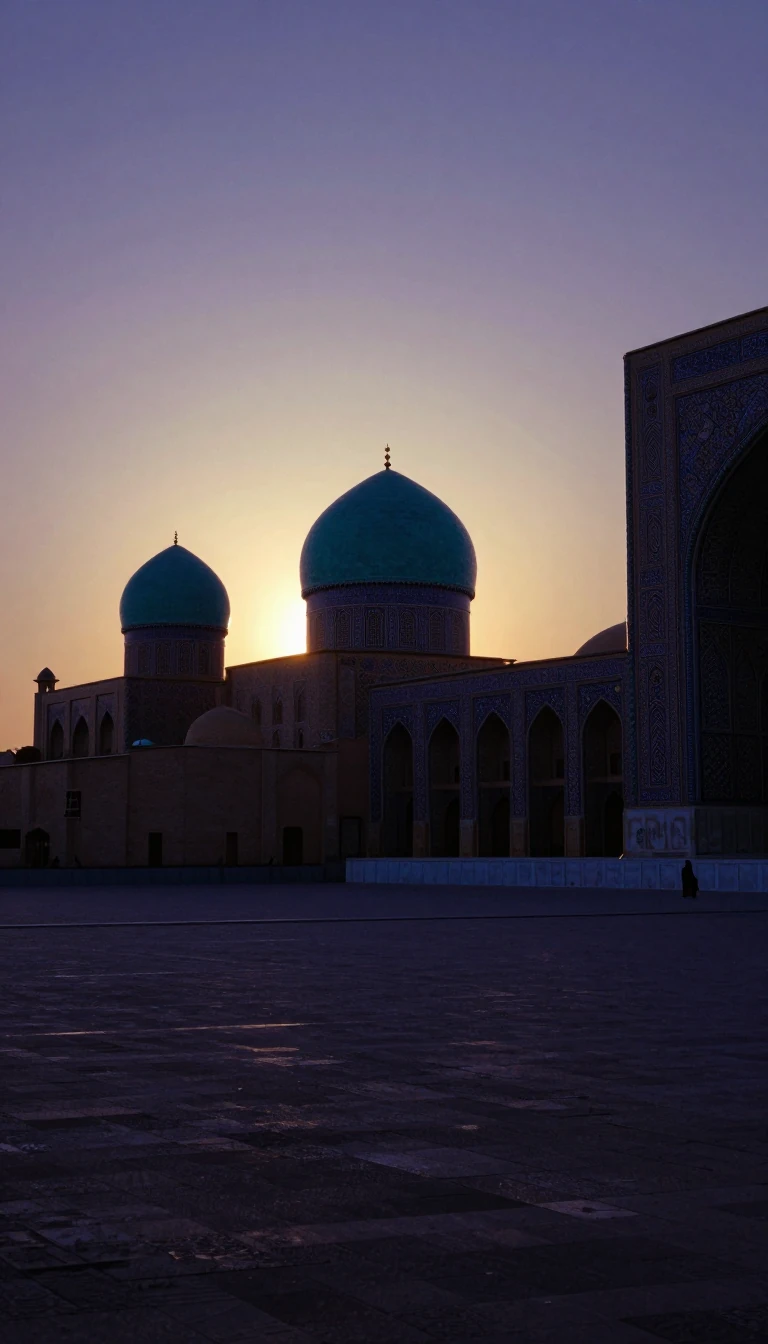 A seasonal Persian stage set unlocked cuneiform for modernsPersepolis—Parseh, or Takht-e Jamshid—was the Achaemenid Empire’s ceremonial capital (c. 550–330 BCE) on Iran’s Marvdasht plain. Remains begin about 515 BCE: a raised palace-citad…
 Nabataean Raqmu carved a rock city for twenty thousand soulsPetra—Arabic Al-Batra, “Rock,” once Raqmu to Nabataeans—lies in southern Jordan. Habitation nearby reaches 7000 BCE; Nabataeans settled in the fourth century BCE and made it their…
 Vesuvius buried a Roman town under six metres of ash in 79Pompeii, near Naples, vanished under four to six metres of Vesuvius ash and pumice in AD 79 with Herculaneum and Stabiae. A wealthy city of perhaps 10,000–20,000—household counts …
 Elamite Susa stars in Esther, Ezra, and Aeschylus alikeSusa, in Iran’s lower Zagros about 250 kilometres east of the Tigris between the Karkheh and Dez, underlies modern Shush. An Elamite name (Šušun/Šušan), it ranks among the Ancient…
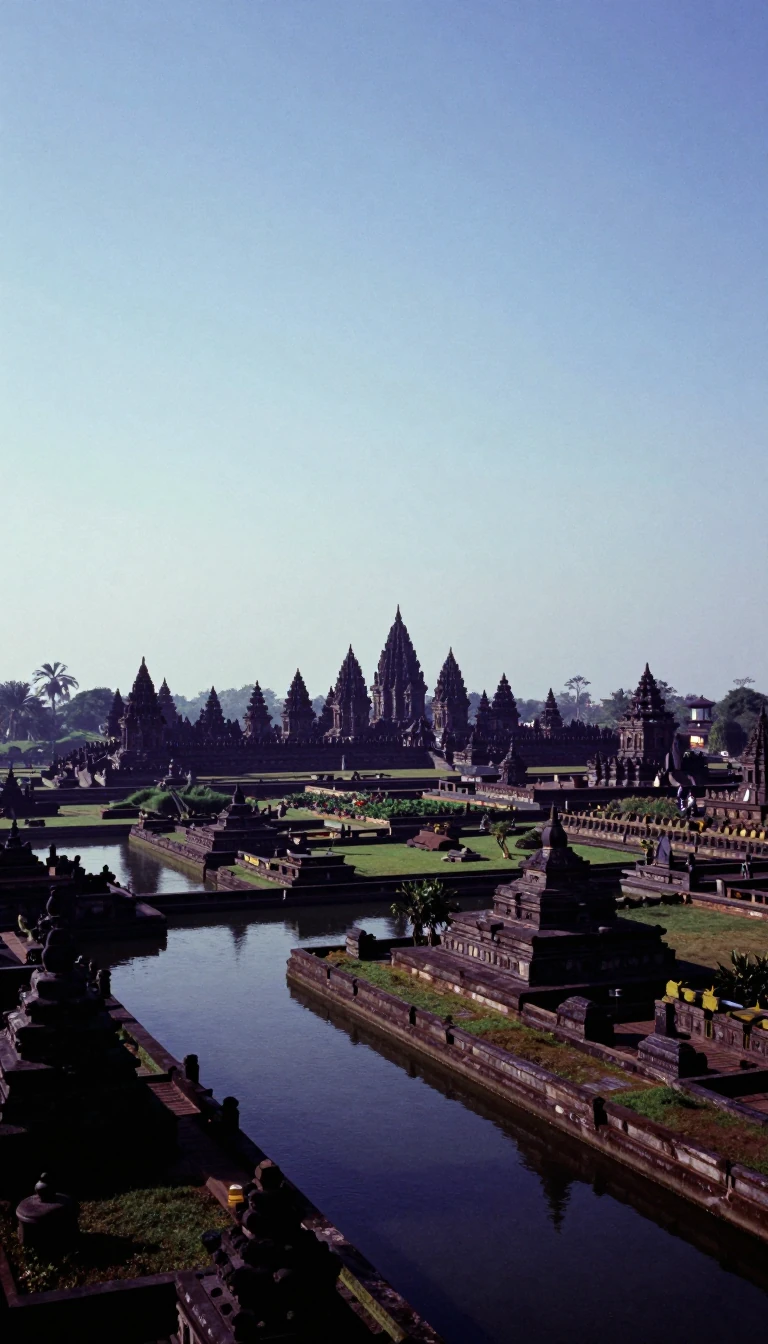 Teotihuacan housed most of a valley under twin pyramidsTeotihuacan, in a sub-valley of Mexico’s Valley of Mexico, built the Pyramid of the Sun and Pyramid of the Moon—among the Americas’ greatest pre-Columbian monuments. Covering abou…
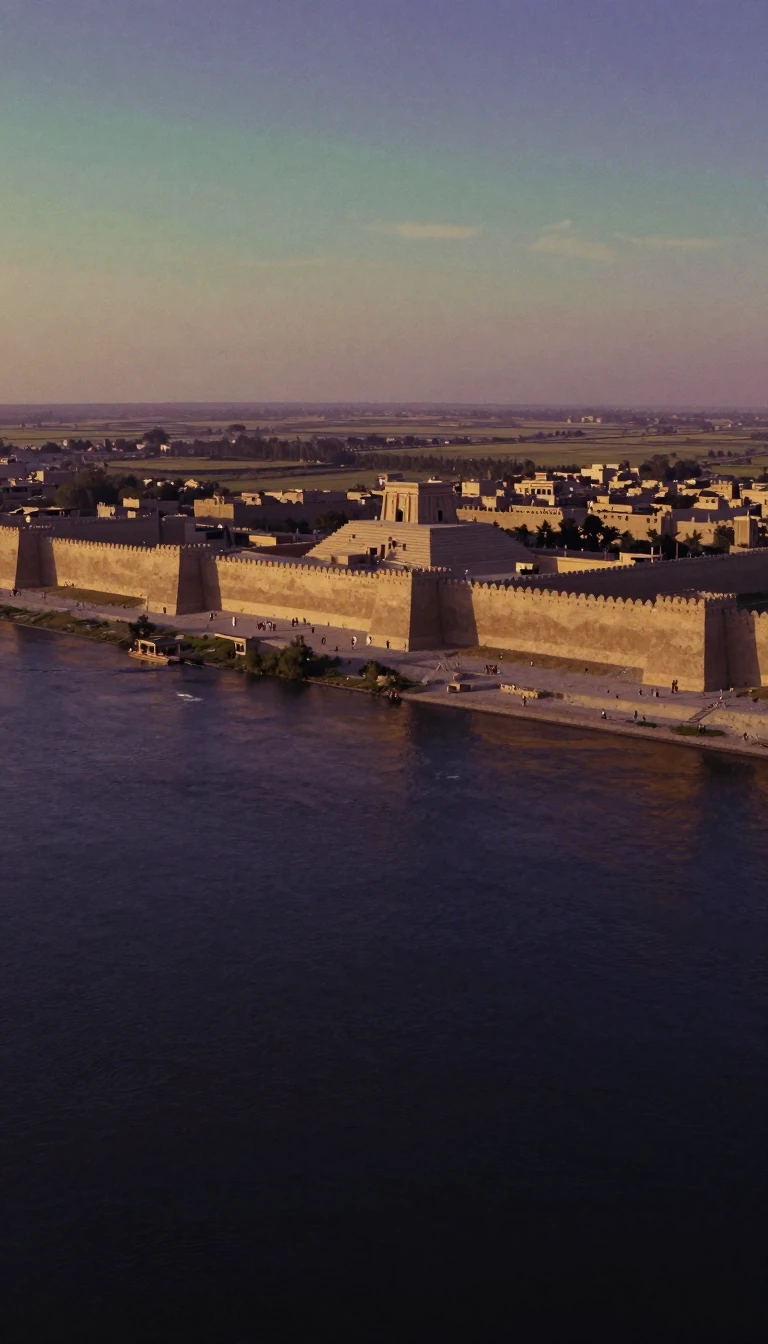 Waset on the Nile was Egypt’s City of Amun for centuriesThebes—Egyptian Waset—stood about 800 kilometres south of the Mediterranean along the Nile at modern Luxor. Close to Nubia and Eastern Desert mines, it was often Egypt’s most vene…
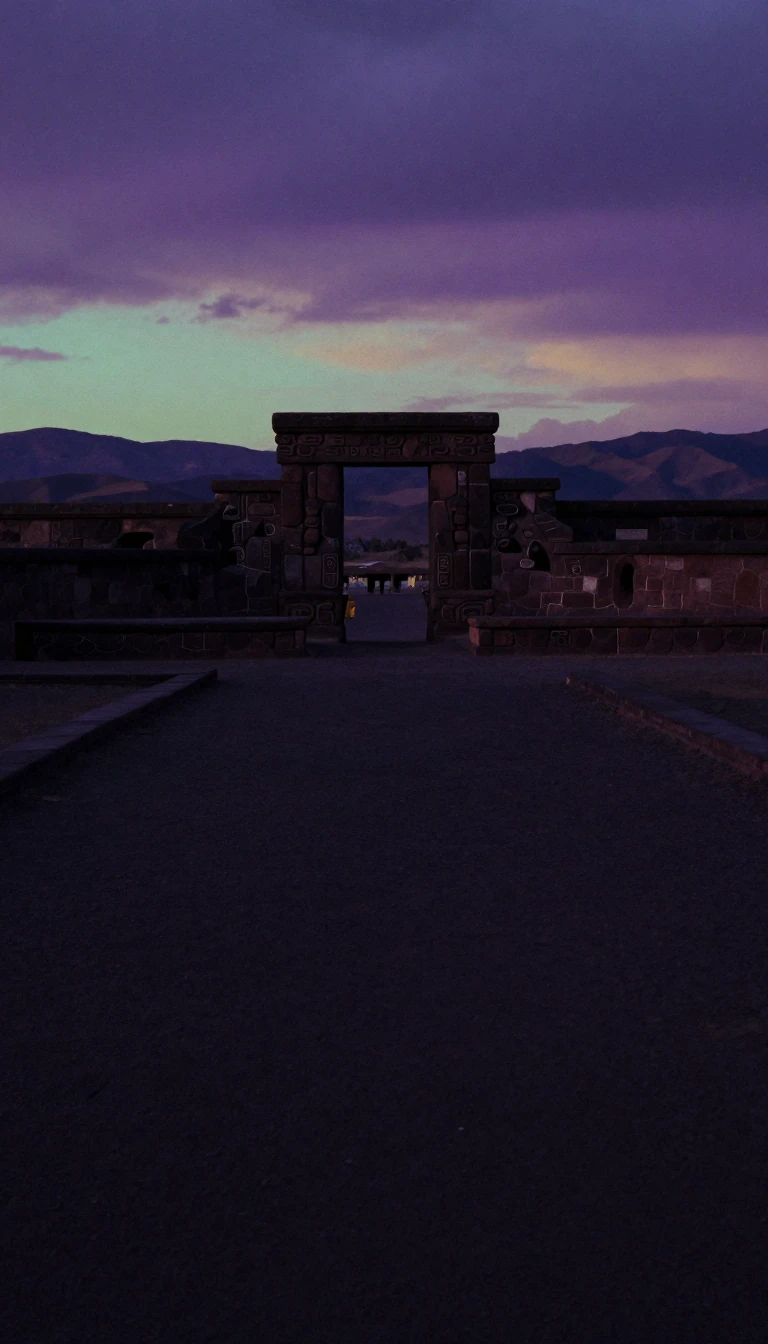 Titicaca’s stone centre grew into an Andean city of 10,000Tiwanaku near Lake Titicaca in western Bolivia, about seventy kilometres from La Paz, ranks among South America’s largest archaeological sites, with surface remains around four sq…
- Nine stacked Troys hide under the tourist hill of HisarlıkTroy—Ilion—at Hisarlık in Çanakkale, Turkey, is the legendary Trojan War setting and a UNESCO site open to visitors. Settled about 3600 BCE, fortified by 3000 BCE (Troy I), it was…
 Ugarit’s clay archives preserve the oldest systematic alphabetUgarit, at Ras Shamra near Latakia in northern Syria, revealed since 1928 the oldest known systematic alphabet. Occupied from the late eighth millennium BCE until destruction arou…
- Ur’s moon-god ziggurat rose where the Euphrates once met the GulfUr, at Tell el-Muqayyar in Iraq’s Dhi Qar Governorate, was a major Sumerian city-state once coastal near the Euphrates mouth on the Persian Gulf—silt has since moved the shore. Na…