 Intellect Plus
Historical cities
135 cards. Each one is a 40-second story with a five-minute read behind it. Page 2 of 3.
 The blond conqueror whom the Aztecs called a sun godHe was a man of dazzling manners and terrifying brutality. Pedro de Alvarado, a key figure in the conquest of the Americas, possessed a charisma that charmed empires and a temper …
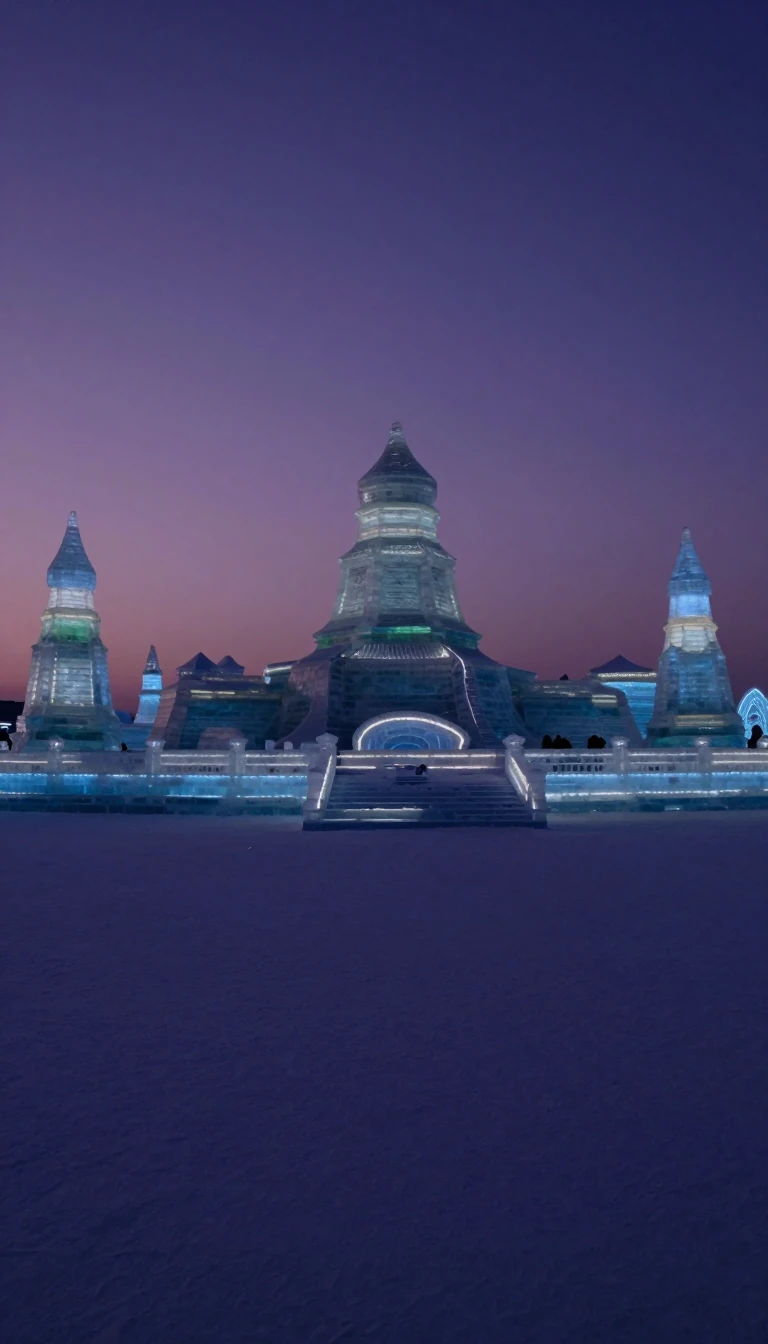 How ancient Persian engineers turned the freezing cold of outer space into desert iceIn the blistering heat of the Dasht-e Lut desert, ancient engineers built massive, cone-shaped structures capable of producing and storing ice year-round. These yakhchāls utilized…
 How a 1994 Brooklyn heist launched a global conflict between ancient robotic factionsSet in 1994, Transformers: Rise of the Beasts follows an electronics expert and a museum intern who accidentally trigger a hunt for a powerful artifact. As Autobots and Maximals u…
 Why the humble vestibule is architecture's most effective tool for control and comfortFrom ancient Roman homes to modern skyscrapers, the vestibule serves as a critical threshold. More than just a waiting area, this transitional space acts as a sophisticated airloc…
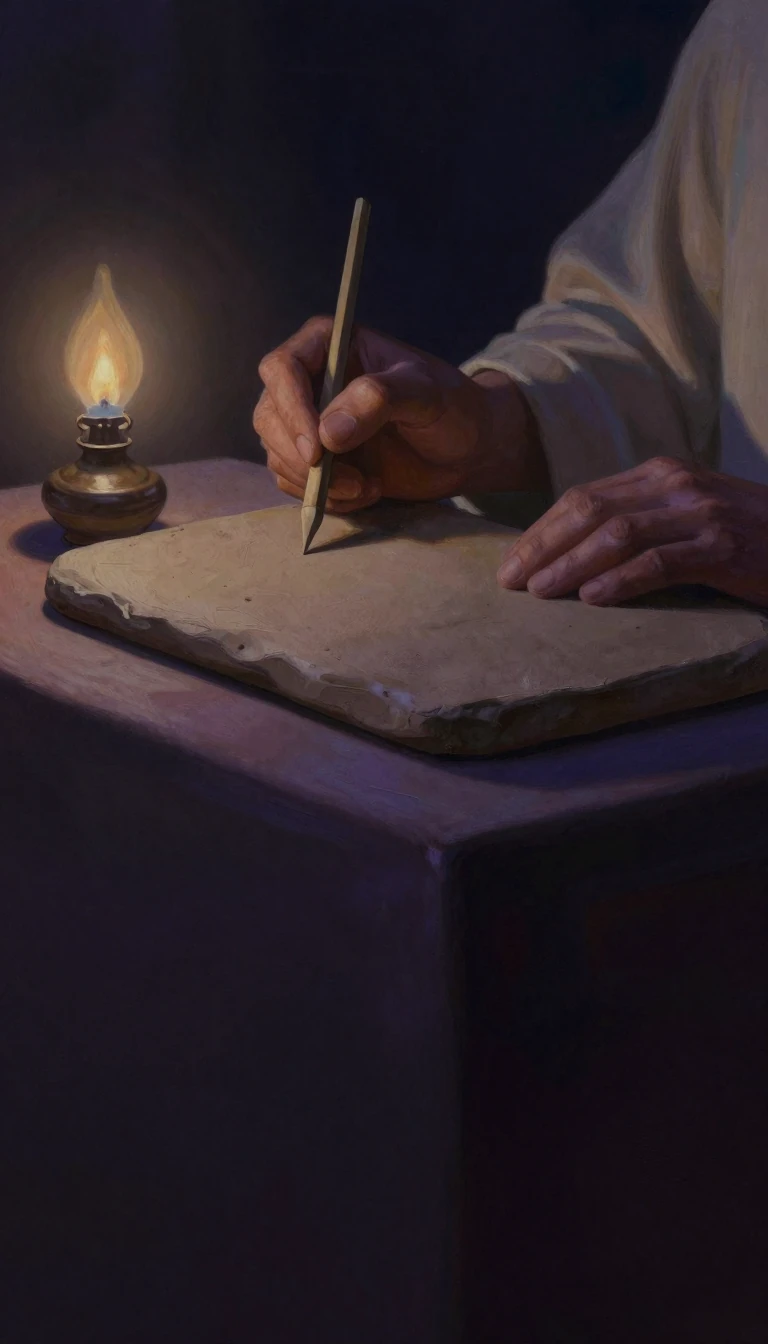 The Uruk period: How 4th-millennium Mesopotamia invented the city and the stateDuring the 4th millennium BC, Lower Mesopotamia underwent an urban revolution that birthed the world's first true cities. This era, named after the site of Uruk, introduced standa…
 Was Theodosius II a weak puppet or a sophisticated architect of the Roman state?Proclaimed emperor as an infant, Theodosius II reigned for nearly half a century. While ancient critics dismissed him as a spineless figure manipulated by his sister, wife, and eu…
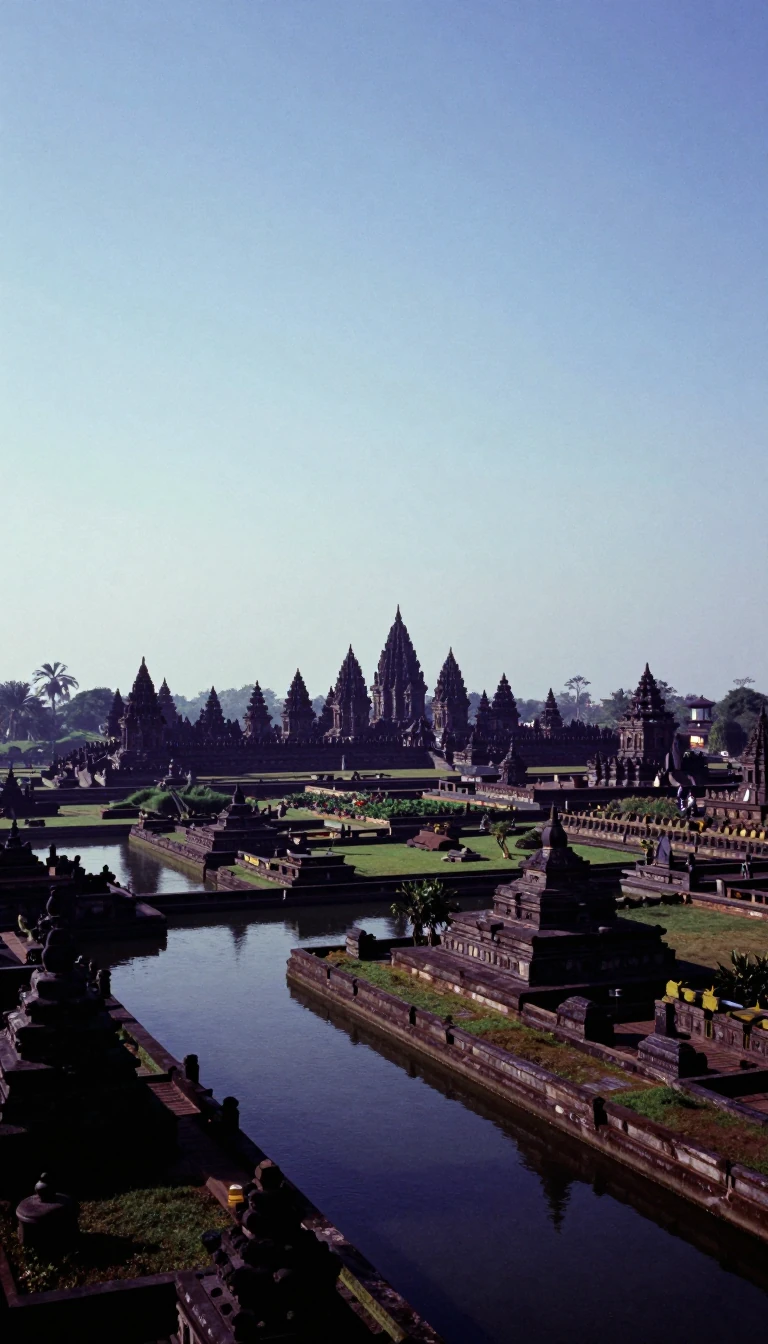 Was Tikal the most powerful kingdom of the ancient Maya civilization?Hidden deep within the rainforests of Guatemala lies Tikal, an expansive urban center that once dominated the Maya region. As the capital of a formidable state, this ancient metro…
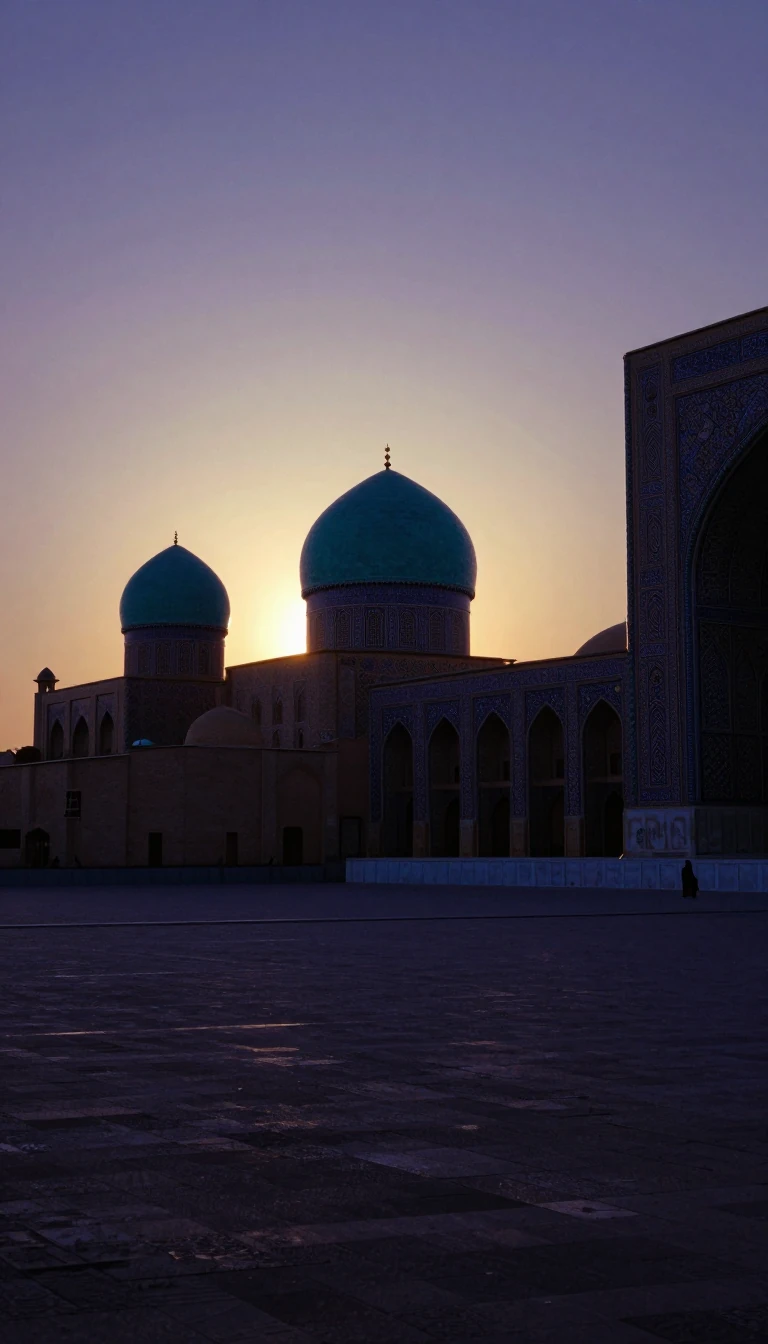 The Umayyads were once Muhammad's fiercest enemies before becoming Islam's first hereditary ruling dynasty.The Umayyads began as a powerful Meccan clan that staunchly opposed the Prophet Muhammad. Yet, within decades of his death, they transformed into the architects of the largest emp…
 Did the early Church really steal December 25 from the Roman sun god?For decades, historians have debated whether Christmas was placed on December 25 to co-opt the birthday of Sol Invictus. While the theory is popular, recent scholarship suggests t…
 The world's oldest continuously inhabited monastery holds secrets hidden beneath layers of erased text.Nestled at the base of Mount Sinai, this ancient fortress has survived for over 1,400 years. Beyond its massive walls lies a library containing the world's second-largest collecti…
 Why did the King of Spain choose to become an invisible, distant monarch?Philip III of Spain redefined kingship by retreating from public life, delegating his authority to a royal favorite. While his father was known as the empire's chief clerk, Philip…
- From Militant Leader to President: The Unlikely Political Transformation of Ahmed al-SharaaAfter the 2024 collapse of the Assad regime, Syria entered a new era under Ahmed al-Sharaa. Once a notorious militant commander known as Abu Mohammad al-Jolani, he now serves as p…
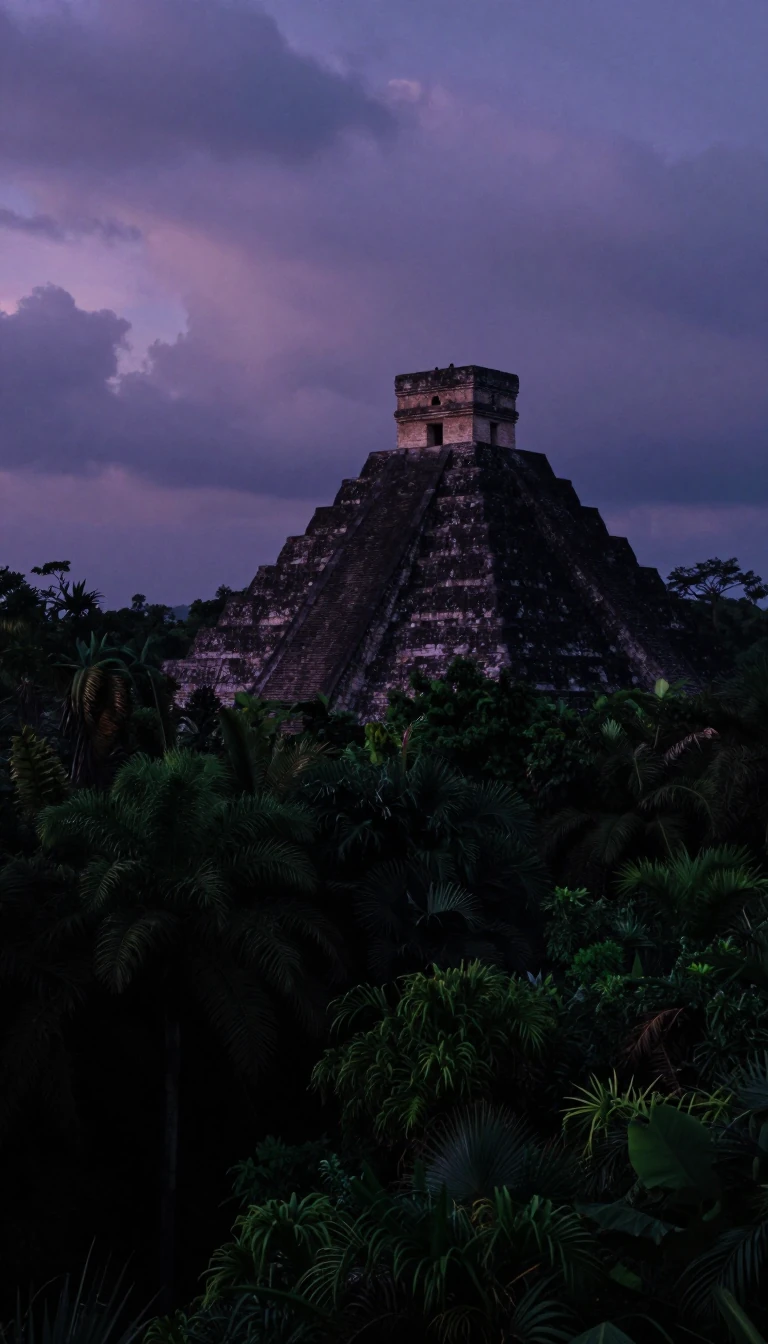 Why did the ancient people of Teotihuacan build a massive pyramid over a cave?Rising 75 meters above the Avenue of the Dead, the Pyramid of the Sun remains one of Mesoamerica's most imposing structures. While its name comes from later Aztec visitors, the tr…
 The Mesopotamian Sun God Shamash Saw Everything, From Daily Justice to the UnderworldShamash, also known as Utu, was the ancient Mesopotamian sun god who traveled the sky daily to witness all human affairs. Beyond his role as a celestial body, he served as the sup…
 Stone tools are not just ancient relics; they are humanity's most enduring, successful technology.While we associate stone tools with the distant Stone Age, they represent a sophisticated mastery of materials that spans millions of years. From the earliest percussion-based fla…
 The pistachio is a desert-dwelling tree that can spontaneously combust in storageBeyond its culinary appeal, the pistachio is a botanical marvel that thrives in saline, arid environments. Yet, this desert survivor hides a volatile secret: its high oil content …
 Is this ancient city the final resting place of the biblical figure Noah?Perched in the Zangezur foothills, Nakhchivan is a historic exclave with a name steeped in legend. While scholars debate its etymology, local tradition links the city to the after…
 Was the biblical land of Midian a real kingdom or a nomadic confederation?Midian appears in ancient texts as a mysterious desert power, yet historians struggle to pin it to a single map. Was it a settled nation, a wandering tribal alliance, or perhaps a…
- Why is this Greek mountain forbidden to women for over a thousand years?Rising from the Aegean Sea, Mount Athos is a self-governing monastic republic where time seems to have stopped. Since the ninth century, this rugged peninsula has served as a sanc…
 The Mexica were the last nomadic tribe to settle in the Valley of Mexico.Long before they were known as the Aztec Empire, the Mexica were late arrivals to the Valley of Mexico. Searching for a divine sign, they built a grand island metropolis that even…
- Ancient trash heaps are actually the most detailed archives of human history ever foundWe often dismiss ancient waste as mere garbage, but middens—massive, intentional mounds of discarded shells, bones, and tools—are goldmines for archaeologists. By preserving organ…
 How the Muscogee Confederacy Mastered the Balance of Power Between Three Colonial EmpiresLong before their forced removal in the 1830s, the Muscogee people built a sophisticated confederacy across the American Southeast. By playing British, French, and Spanish interes…
 Why Plutarch’s ancient biographies of Greeks and Romans remain a timeless guide to characterWritten nearly two millennia ago, Plutarch’s Parallel Lives pairs famous Greeks with Romans to explore the moral motivations behind their legendary deeds. Rather than simple histo…
- Why Shakespeare confused the ancient Egyptian obelisk with the pyramidThe obelisk is a singular, tapered stone monument topped with a pyramid, a design perfected by the Egyptians. While the term originated from the Greek word for a pointed spit, his…
 Why the Giza plateau remains the ultimate symbol of ancient architectural ambition and enduranceRising from the edge of the Western Desert, the Giza necropolis stands as a testament to Fourth Dynasty engineering. Home to the Great Pyramid and the monuments of Khafre and Menk…
 Before Springfield, Matt Groening built a career on the dark side of Los AngelesLong before he became a household name, Matt Groening was a struggling artist in Los Angeles, working odd jobs and self-publishing a cynical comic strip called Life in Hell. This …
 Why do once-thriving cities suddenly turn into silent, empty shells of their former selves?A ghost town is more than just a ruin; it is a settlement where the original reason for its existence has vanished. Whether through economic collapse, war, or government-mandated …
- Was King Hezekiah a pious reformer or a pragmatic ruler consolidating his power?Hezekiah, the thirteenth king of Judah, is one of the best-attested figures in biblical history. His reign, marked by a dramatic revolt against the Assyrian Empire and the surviva…
 Were the medieval Kipchaks a fair-haired, blue-eyed people or a nomadic Asian confederation?The Kipchaks were a sprawling medieval Turkic confederation that spanned from Siberia to Egypt. While historical records often describe them as fair-skinned with red hair and gree…
 Did this ancient Egyptian capital give the entire country its modern name?Memphis was once the bustling heart of ancient Egypt, serving as a vital hub for trade, religion, and craftsmanship. While little remains of its former glory today, the city left …
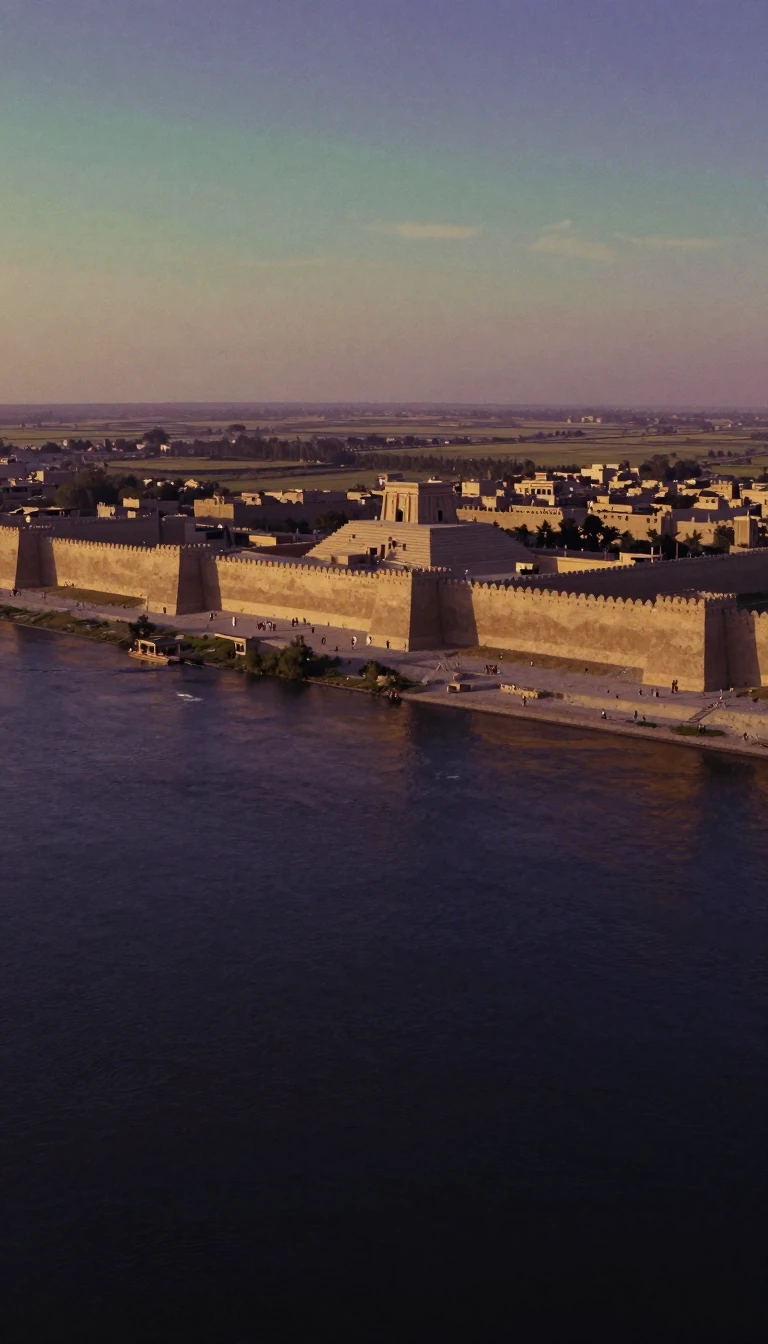 The Ancient African Capital That Once Rivaled the Great Powers of the NileDeep in the Sudanese desert lies Meroë, a once-thriving capital of the Kingdom of Kush. Flourishing for nearly a millennium, this sophisticated state left behind a sprawling lands…
 The sudden collapse of Syria's hereditary dictatorship reshaped the Middle East in late 2024After decades of totalitarian rule, the Assad family's grip on Syria dissolved in a matter of days. Following a swift military offensive, Bashar al-Assad fled to Russia, ending a …
- Dagan was the ancient father of gods, not a fish-like water deity.Long before modern fiction reimagined him as a sea monster, Dagan was a supreme figure in ancient Syria. Revered as a source of royal legitimacy and prosperity, he was the archety…
 How a tiny Byzantine rump state became a legendary symbol of imperial wealthFormed in 1204 with Georgian support, the Empire of Trebizond survived as the longest-lasting Byzantine successor state. Nestled on the Black Sea coast, this remote polity leverag…
 The world's first nuclear reactor was a pile of bricks built under a stadium.In 1942, Enrico Fermi led a team to construct Chicago Pile-1, the first artificial nuclear reactor. Built beneath the west viewing stands of Stagg Field, this crude assembly of gr…
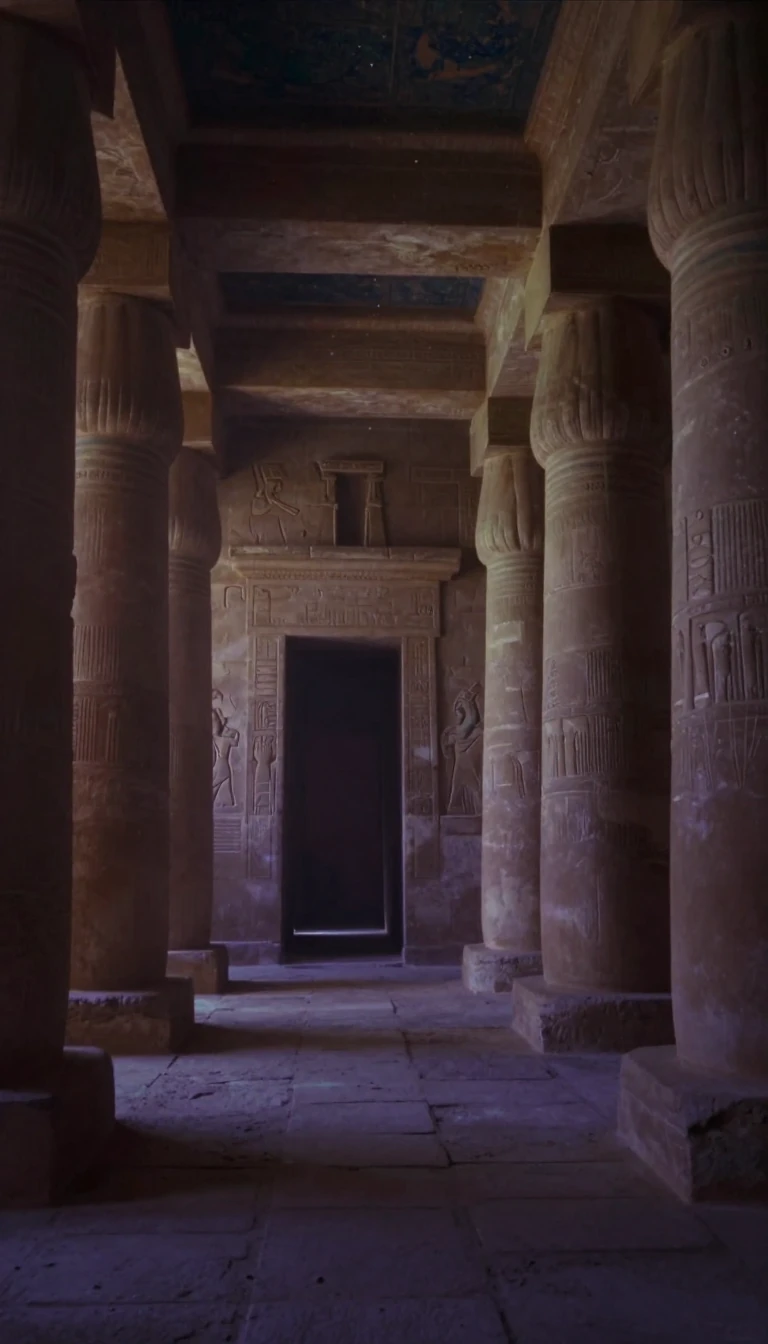 Why ancient Near Eastern history remains a floating puzzle of contested datesEstablishing a precise timeline for the ancient Near East is notoriously difficult. While thousands of cuneiform tablets exist, they are often damaged, biased, or looted. Scholars…
 Was the legendary architect Daedalus a real person or a symbol of human ingenuity?In Greek mythology, Daedalus was the master craftsman who built the Labyrinth and fashioned wings to escape Crete. Yet, historical traces suggest he was more than just a fable. Fr…
 The Nazi submarine that became a top-secret American trophy and a Chicago museum icon.Captured by the US Navy in 1944, U-505 was a high-stakes intelligence prize. To protect the secret of Enigma code-breaking, the crew was held in total isolation for years. Today, …
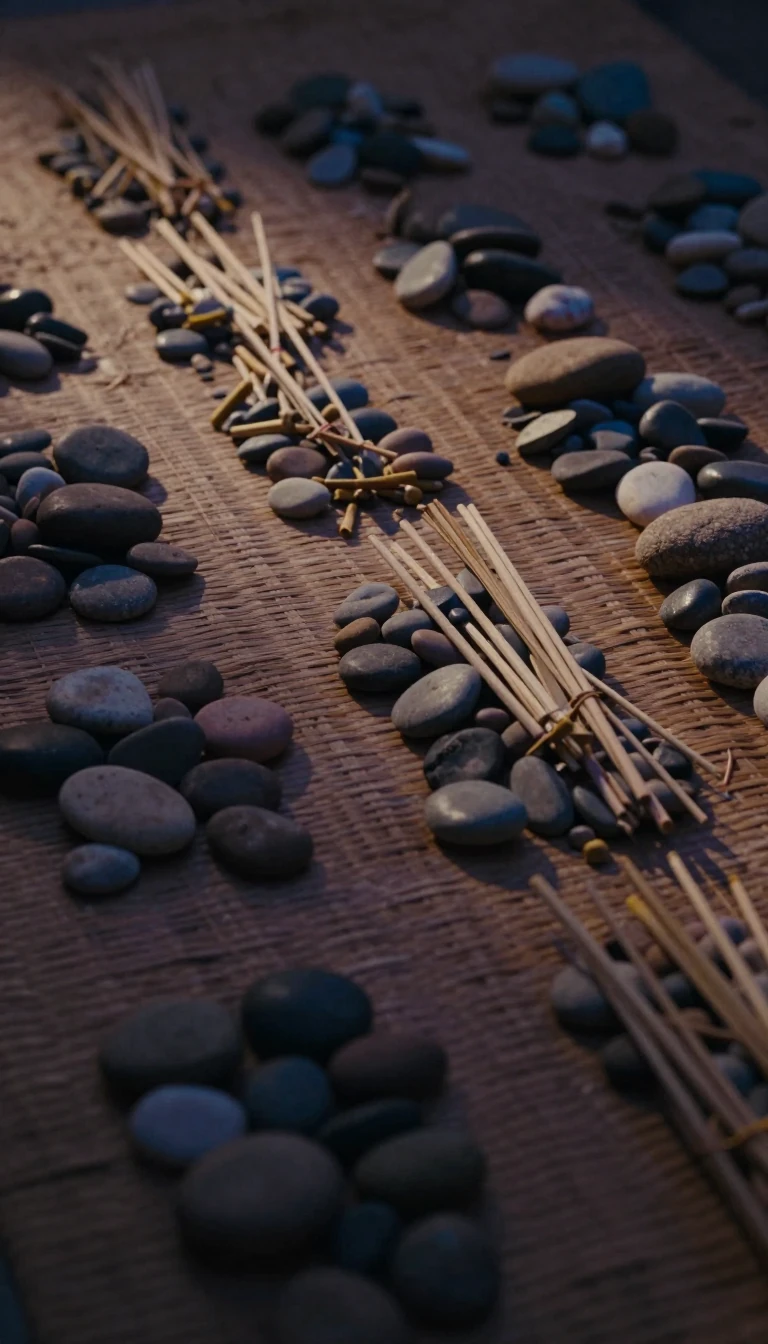 How a forgotten Canaanite city became the first biblical site ever positively identifiedPerched between Jerusalem and Tel Aviv, Gezer was once a strategic powerhouse controlling ancient trade routes. Though its history spans millennia of conquest, fire, and shifting …
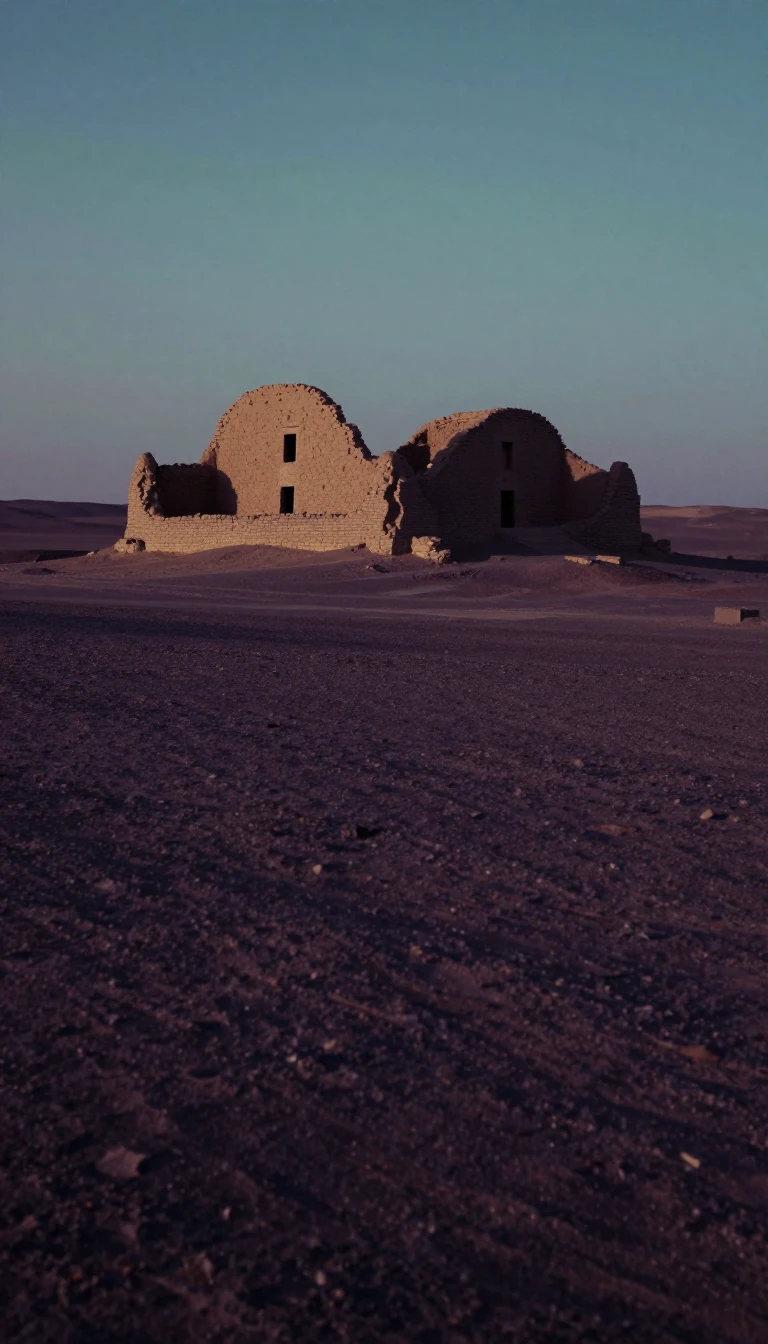 Andijan: The Ancient Silk Road Hub That Shaped the Mughal EmpireWith roots stretching back over 2,500 years, this Fergana Valley city has survived earthquakes, Soviet industrialization, and political upheaval. Known as the birthplace of the fi…
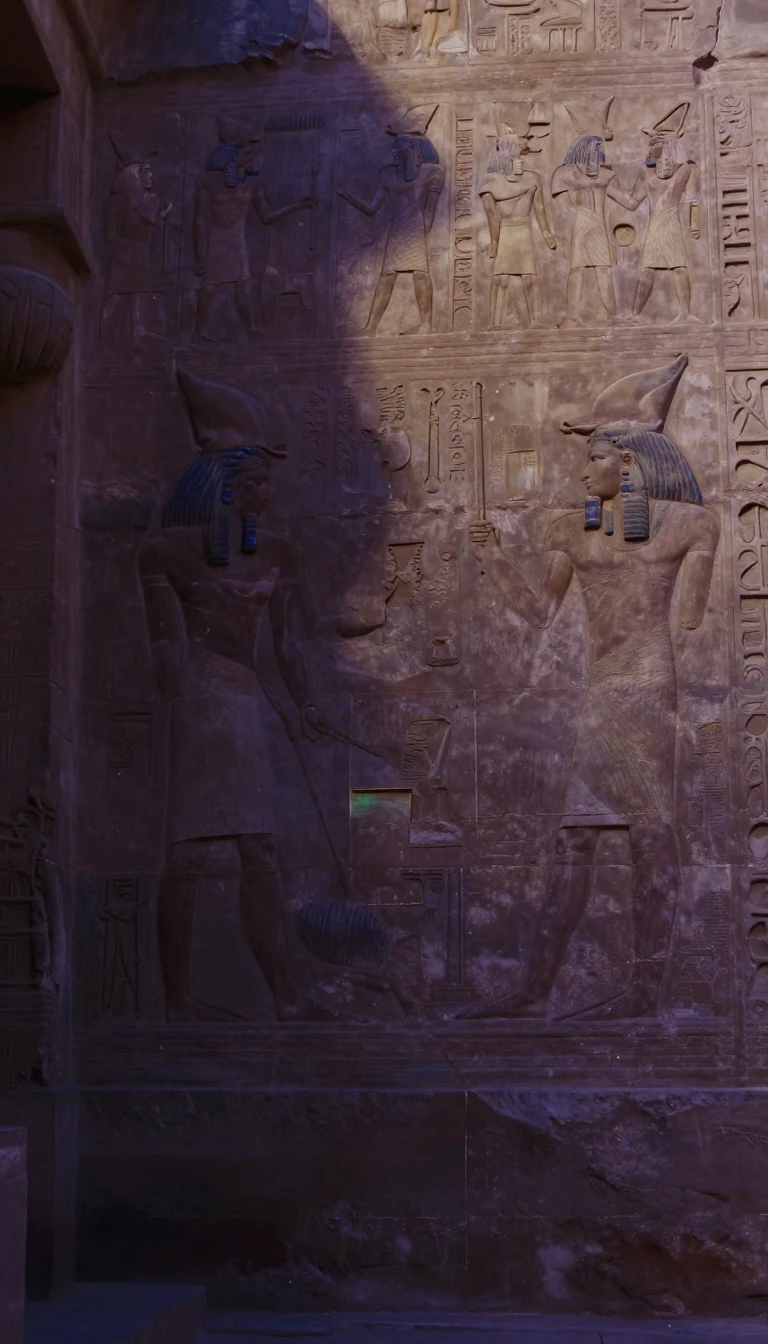 Why did ancient people hide shoes in walls and paint eyes on their boats?Apotropaic magic is the ancient, universal practice of warding off misfortune through ritual. From painting eyes on drinking vessels to burying shoes in house walls, humans have l…
 The ancient text that dared to rewrite the Torah and divide time itselfThe Book of Jubilees is a mysterious, 50-chapter religious work that claims to reveal secret history dictated to Moses by angels on Mount Sinai. While excluded from mainstream Jew…
 The Dajjal is the ultimate deceiver in Islamic eschatology, masquerading as the promised Messiah.Before the Day of Judgment, a figure known as Al-Masih ad-Dajjal will emerge to lead the world astray. Often described as a one-eyed man with the word 'disbeliever' on his forehea…
 The Anunnaki: From Ancient Sumerian Deities to Modern Extraterrestrial Conspiracy TheoriesThe Anunnaki were once the powerful, fate-decreeing deities of ancient Mesopotamia, yet today they are frequently misidentified as extraterrestrial visitors. While modern conspira…
 Is the Book of Daniel a historical record or a coded political prophecy?Set in the 6th century BC, the Book of Daniel chronicles the visions of a Jewish exile in Babylon. While it appears to be a historical narrative, scholars argue it was actually wr…
 Is the Book of Esther a historical record or a cleverly crafted political novella?The Book of Esther is a unique anomaly in the Hebrew Bible. It is the only book that never explicitly mentions God, focusing instead on human agency and political maneuvering. Sch…
 How Three Distinct Industrial Towns Amalgamated to Form the Modern City of CambridgeIn 1973, the Ontario city of Cambridge was born from the merger of Galt, Preston, and Hespeler. Each settlement arrived at this union with a unique industrial heritage, ranging fr…
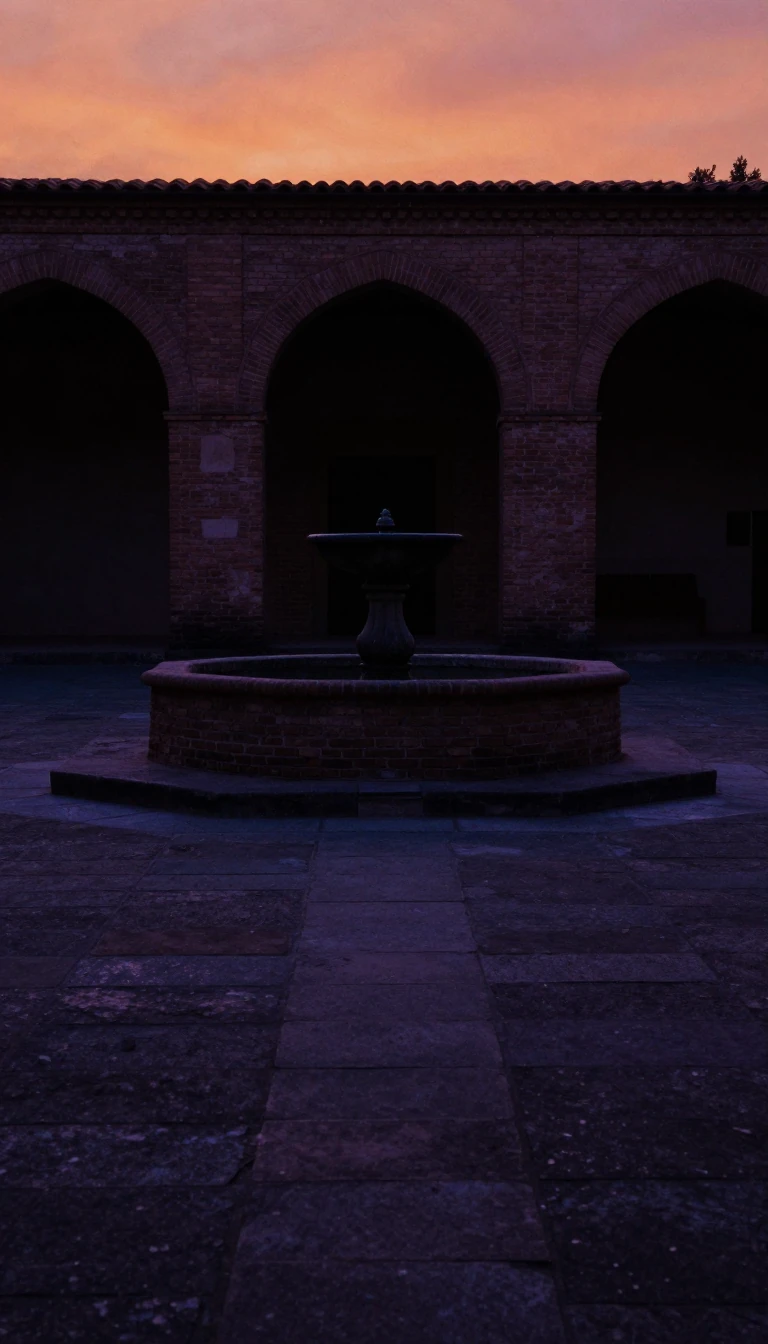 How a legendary mountain fortress was captured without a single drop of blood spilled.Perched high in Iran's Alborz mountains, Alamut Castle was considered impregnable. Yet, in 1090, Hassan-i Sabbah seized this strategic stronghold from its lord without violence. B…
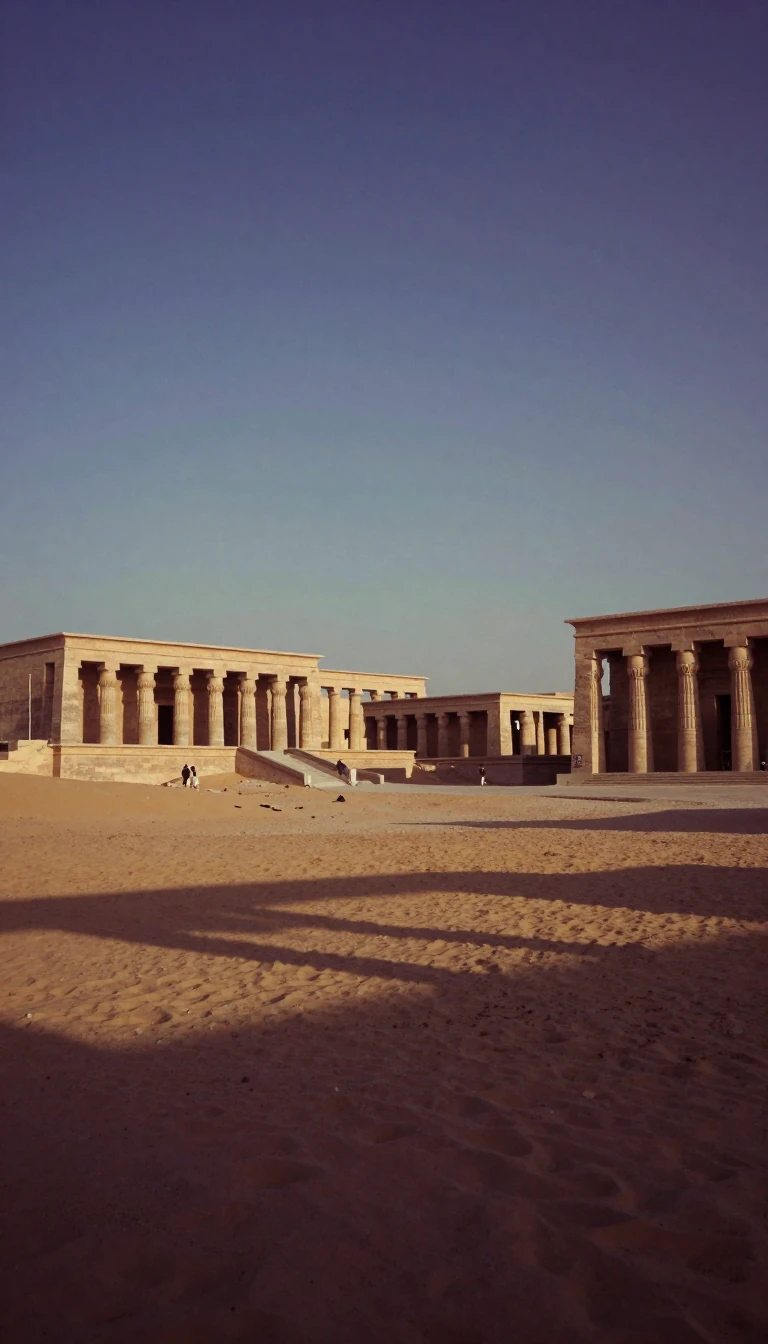 The capital of the world's first empire remains a ghost on the mapAkkad was the heart of the Akkadian Empire, a dominant Mesopotamian power for 150 years. Despite its historical significance and mentions in the Hebrew Bible, its exact location r…
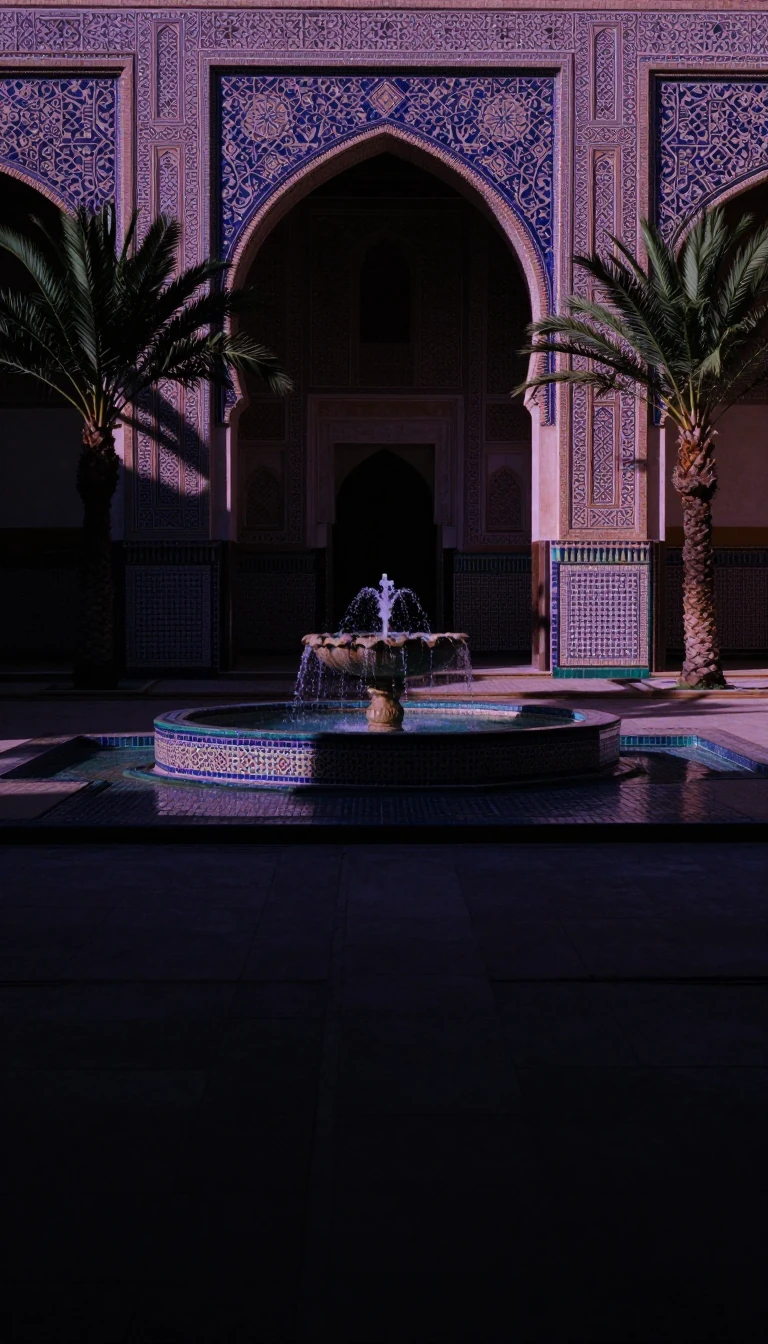 The frugal caliph who built Baghdad and founded the Abbasid Empire's enduring powerAl-Mansur, the second Abbasid caliph, transformed a revolutionary movement into a stable, centralized imperial power. Known as the Father of Small Change for his extreme fiscal di…
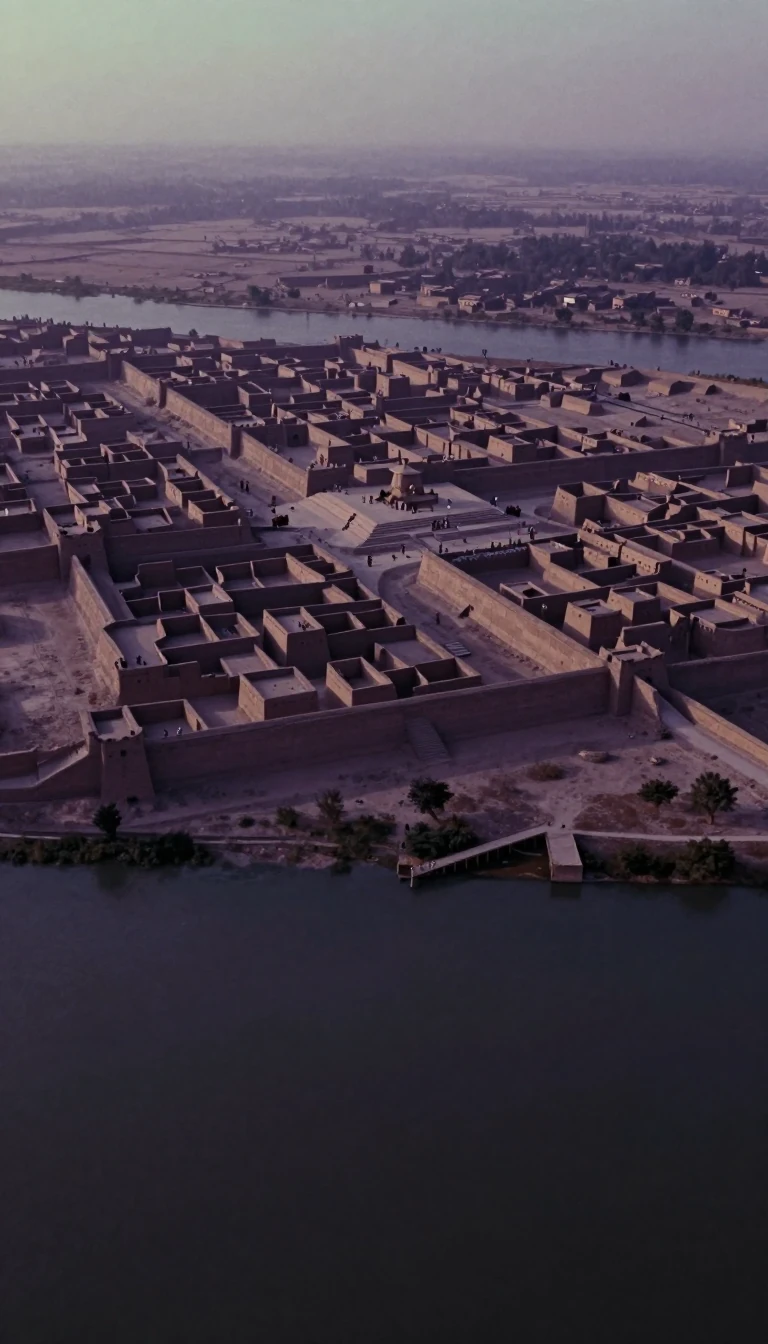 Around 3100 BC, Uruk was probably the largest city on EarthUruk, now the ruin mound of Warka in southern Iraq, may have housed up to 50,000 people at its peak, with tens of thousands more around it. Laced with canals nicknamed Venice in t…
 Seleucus founded Antioch as a Hellenistic frontier capitalAntioch, beneath today’s Antakya in Turkey, was founded in 300 BCE by Seleucus I Nicator on the Orontes in the fertile Amuq plain. It became the Seleucid capital, a Roman and Byza…
 Çatalhöyük packed a Neolithic city into forked tumuliÇatalhöyük—Turkish for fork tumulus—is a vast Neolithic–Chalcolithic proto-city on Turkey’s Konya Plain that thrived from about 7500 to 5600 BCE, peaking near 7000 BCE. UNESCO lis…
- Hammurabi turned a Euphrates town into Babylonia’s nameBabylon sat on the lower Euphrates near modern Hillah, Iraq, about eighty-five kilometres south of Baghdad. First named on a tablet under Shar-Kali-Sharri (2217–2193 BCE) as a mod…
 North America’s greatest earthen city rose opposite St. LouisCahokia Mounds mark a Native American city that flourished about 1050–1350 CE across the Mississippi from today’s St. Louis, in southwestern Illinois. It was the largest Mississip…
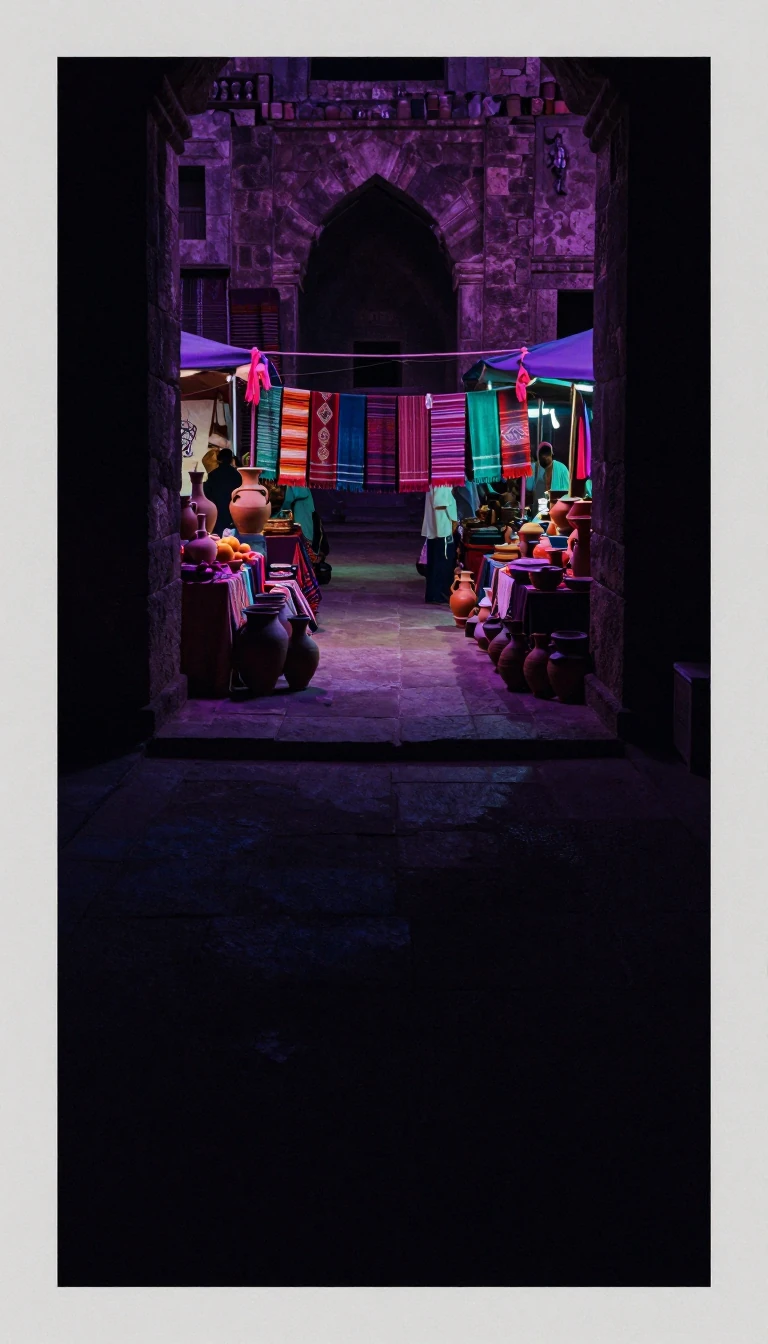 Rome erased Phoenician Carthage, then rebuilt it as Africa’s jewelCarthage, on Tunis’s lake shore in modern Tunisia, grew from a Tyrian Phoenician colony—legend credits Queen Dido—into the Punic capital that dominated the southwest Mediterranean…
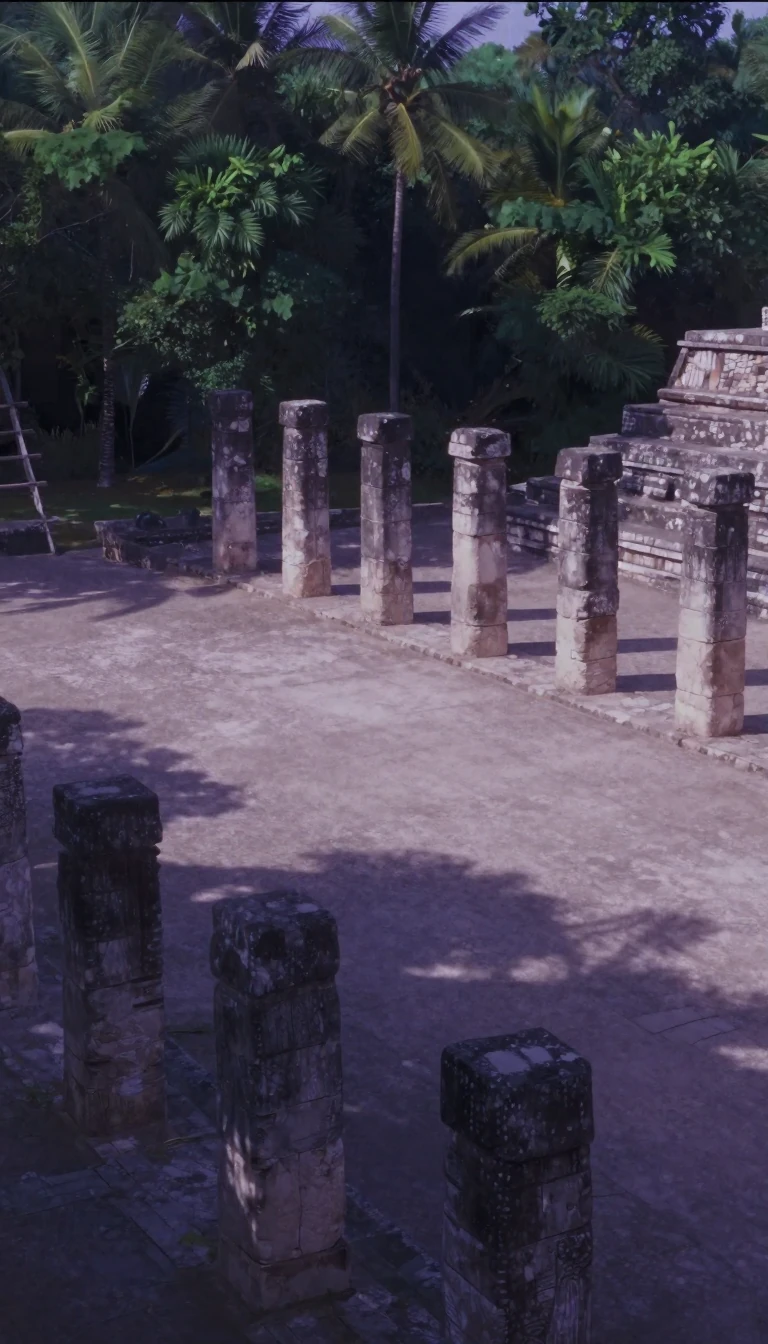 A northern Maya Tollan mixed many architectural accentsChichen Itza, in Yucatán’s Tinúm Municipality, was a major Terminal Classic Maya city spanning Late Classic through early Postclassic centuries (roughly 600–1200 CE). Likely one o…
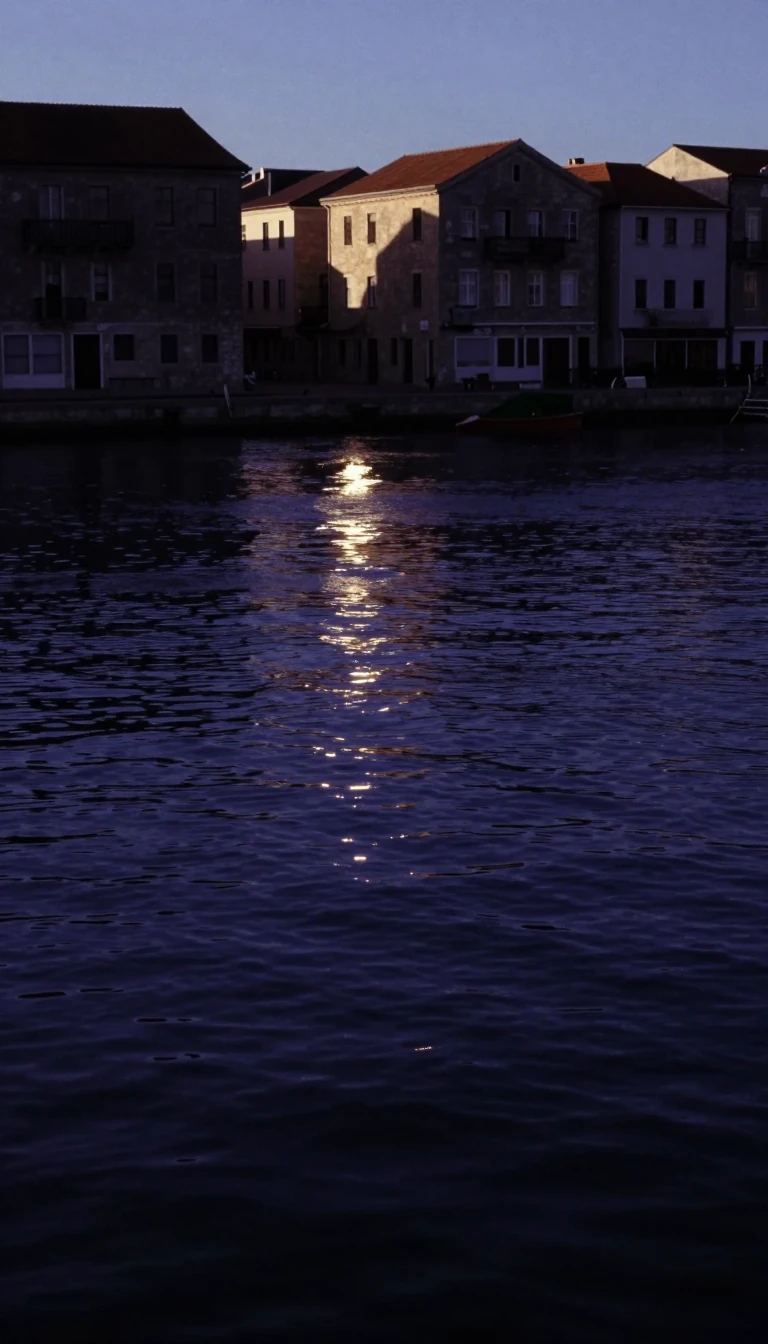 Constantine’s New Rome ruled until Ottoman 1453Constantinople, today’s Istanbul, became Roman capital in 330 after Constantine refounded Byzantium as New Rome in 324. It stayed Byzantine until the 1453 Ottoman conquest, then s…
- Parthian and Sasanian kings ruled from a Tigris mega-cityCtesiphon stood on the Tigris’s east bank about thirty-five kilometres southeast of Baghdad. Merging with Seleucia and neighbours as “the Cities” (Mahoza/al-Mada'in), it grew into…
 Potbelly Hill was a settled Neolithic town, not only a shrineGöbekli Tepe—“Potbelly Hill” in Turkish, also Kurdish Wish Hill—in Upper Mesopotamia’s Turkey was occupied from about 9500 BCE to at least 8000 BCE at the dawn of permanent settle…