 Intellect Plus
Space telescopes
10 cards. Each one is a 40-second story with a five-minute read behind it.
 Navigating the overwhelming landscape of beginner astronomy equipmentChoosing your first telescope can be confusing due to the sheer variety of designs available. This video breaks down the different types of telescopes to help beginners understand…
 A billion galaxies in a single lifetime: NASA's next great leapThe Nancy Grace Roman Space Telescope isn't just another observatory; it is a wide-angle lens for the universe. While previous giants peered deep into narrow slices of space, Roma…
 Why mirrors beat lenses in the quest to see the cosmosTo see the furthest reaches of the universe, astronomers need to capture every possible photon. While early telescopes relied on glass lenses, modern giants favor mirrors. This sh…
 Choosing the right lens: Refractors, reflectors, and catadioptrics explainedSelecting a telescope is not a one-size-fits-all decision. This guide breaks down the three primary telescope designs to help you understand which optical system best suits your s…
- Is the James Webb Space Telescope actually a time machine?Join Neil deGrasse Tyson as he breaks down the science of the JWST. This explainer clarifies how the telescope captures light to peer into our universe's history and what it means…
- The next generation of eyes will see beyond our current limitsWhile the Hubble Space Telescope is nearing the end of its long journey, a new era of observation is beginning. This video explores the four powerful upcoming instruments currentl…
 The telescope that sees 100 times more sky than HubbleWhile the James Webb Space Telescope peers into the deepest corners of space with extreme focus, NASA's Nancy Grace Roman Space Telescope is built for the grand panorama. It offer…
 The universe speaks in radiation, but we only see a sliver.Human eyes are tuned to a tiny sliver of the electromagnetic spectrum. To see the rest, we build machines that act as time machines. By capturing light that travels across billion…
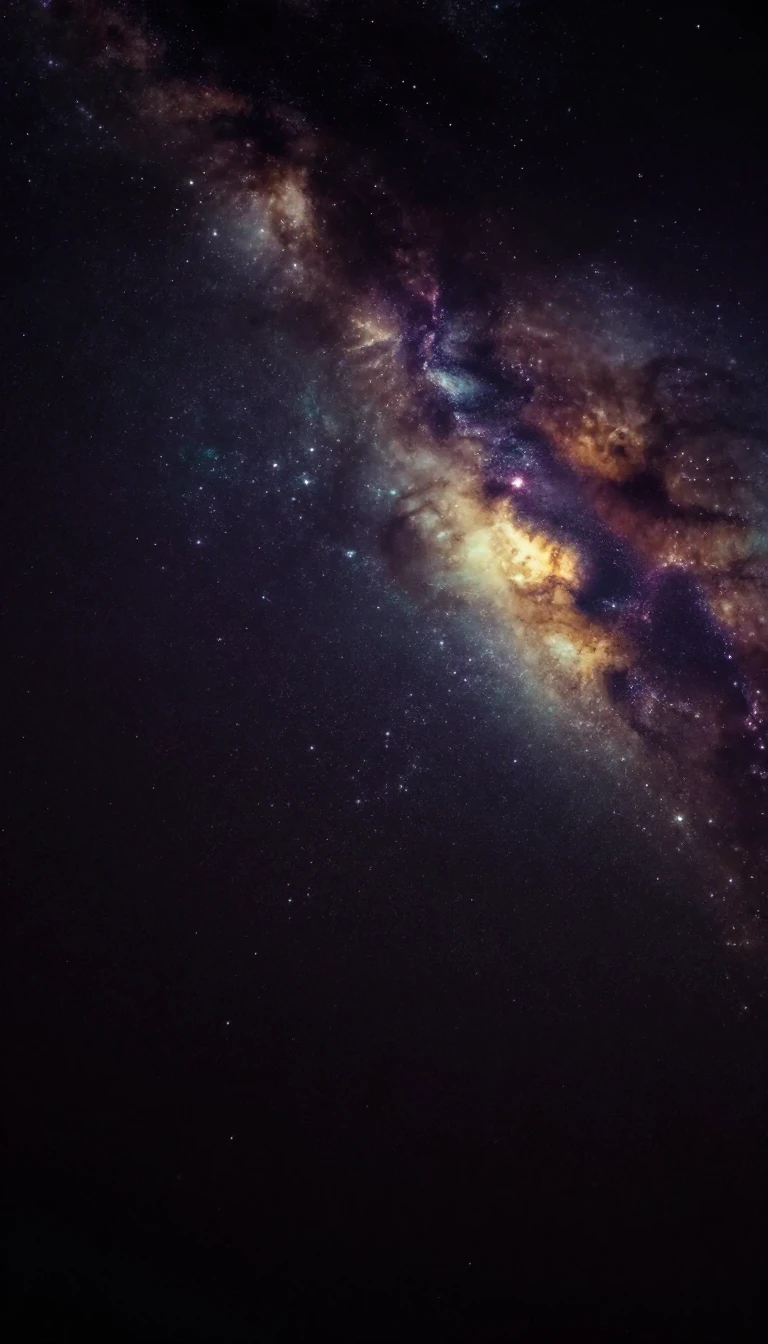 The only way to see water in the Milky Way's cloudsEarth's atmosphere acts as a shield, blocking the very signals needed to map our galaxy's chemistry. To study the birth of stars and planets, NASA had to send a specialized telesc…
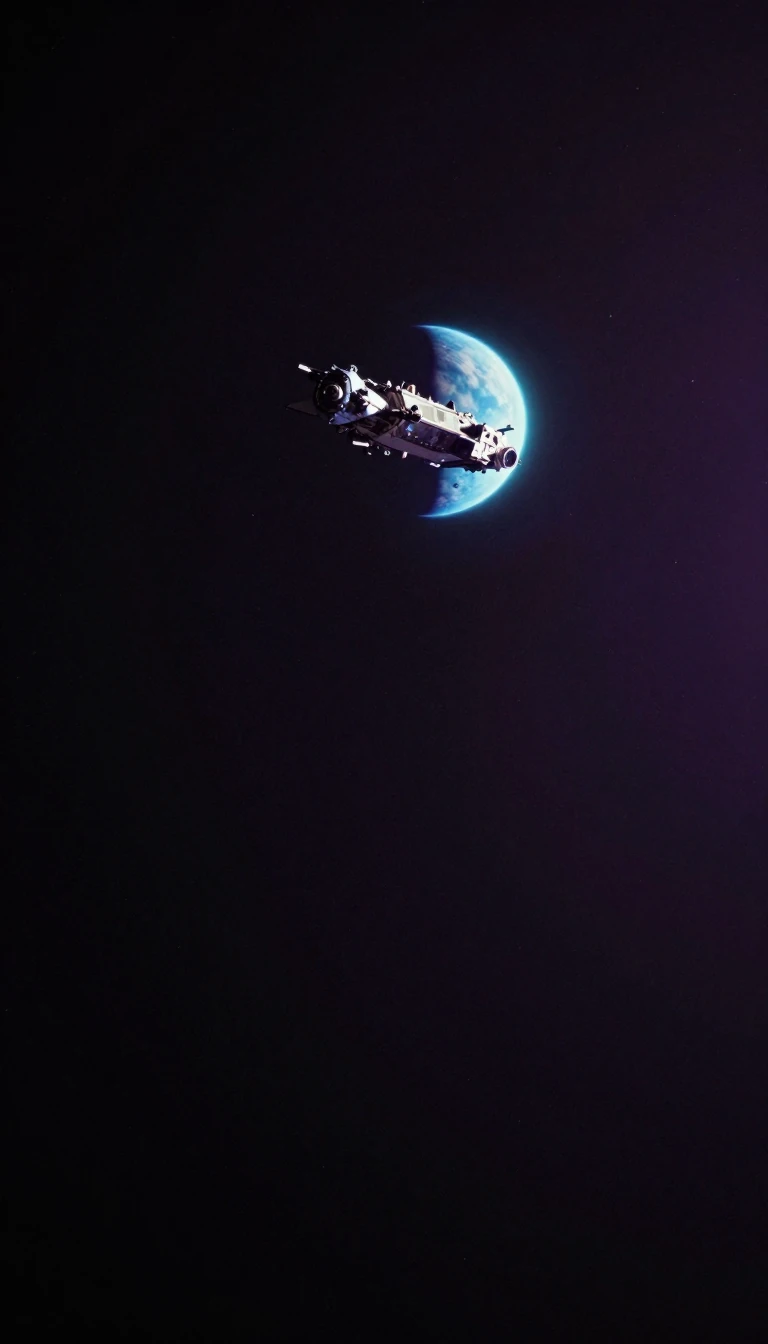 NASA's 'Stubby Hubbles' were born from a canceled spy programIn 2012, the U.S. government handed NASA a pair of high-tech secrets: two optical imaging systems originally built for clandestine reconnaissance. Though deemed obsolete for spyin…