 Intellect Plus
Space
Planets, stars and galaxies, the history of astronomy and the missions, telescopes and astronauts that explore the universe.
9,120 cards. Each one is a 40-second story with a five-minute read behind it.
Biggest areas: Space agencies · Astronomy · Space · Astronomical objects · Space stations · Cosmology · Planetary science · Physics
Subtopics
 Space agencies1,705 cards
 Astronomy1,610 cards
 Space237 cards
 Astronomical objects227 cards
 Space stations221 cards
 Cosmology214 cards
 Planetary science171 cards
 Physics166 cards
 Mars128 cards
 Black holes123 cards
- Exoplanets118 cards
 Rockets & launch vehicles110 cards
- Celestial sphere95 cards
- Sun & solar physics78 cards
 Stellar astronomy71 cards
- Moon exploration68 cards
 Spaceflight66 cards
- Astronauts64 cards
 Galactic and extragalactic astronomy58 cards
 Astronomy and geodesy53 cards
- Dark matter53 cards
- Observational astronomy53 cards
 Astronomical technology50 cards
- Celestial mechanics47 cards
 Navigation and timekeeping43 cards
 Astronomy basics34 cards
 Physical cosmology33 cards
 Mars exploration30 cards
- Jupiter28 cards
 Comets26 cards
- Asteroids22 cards
 Gravity20 cards
 Saturn20 cards
- Moon18 cards
- Space probes17 cards
 Exploration16 cards
- Dark energy14 cards
- Relativity14 cards
- Seti14 cards
- Spacecraft14 cards
 Moons13 cards
- Planets13 cards
 Supernovae13 cards
 Galaxies12 cards
 Stars11 cards
- Telescopes11 cards
 Constellations10 cards
- Meteorites & asteroids10 cards
 Space telescopes10 cards
 Interstellar9 cards
 Light9 cards
 Weather9 cards
 Apollo8 cards
- Big bang8 cards
- Nebulae8 cards
- Observatories8 cards
- Quantum7 cards
- Future Frontier6 cards
- Satellites6 cards
 Deep time4 cards
- Impacts4 cards
- Volcanoes3 cards
Every space card
 A spacecraft from 1977 is still talking to us from interstellar space.Voyager 1 launched the summer Star Wars came out. It crossed into interstellar space in 2012, and it still sends data home on a transmitter weaker than a fridge light bulb. The si…
- A Tesla Roadster became an artificial satellite of the Sun in 2018In February 2018, SpaceX launched a red Tesla Roadster into space as a test payload on its Falcon Heavy rocket. A mannequin named Starman sat in the driver's seat. The car now tra…
- The first untethered spacewalk needed glasses designed by an astronaut's own ingenuityIn February 1984, Bruce McCandless drifted free of the shuttle Challenger, becoming the first person to fly in space untethered. Beneath his visor he wore glasses he had redesigne…
- Apollo astronauts drove a battery buggy across the Moon, and three are still thereThree astronauts' Moon buggies were driven on the lunar surface during the last three Apollo landings in 1971 and 1972. Built by Boeing and nicknamed the Moon buggy, each rover ca…
- Two spacecraft carry a message of gold for any finder in deep spaceIn 1972 and 1973, NASA sent Pioneer 10 and Pioneer 11 out of the Solar System, each carrying a small gold-anodized plaque. It shows a man and a woman, a map of pulsars and a plane…
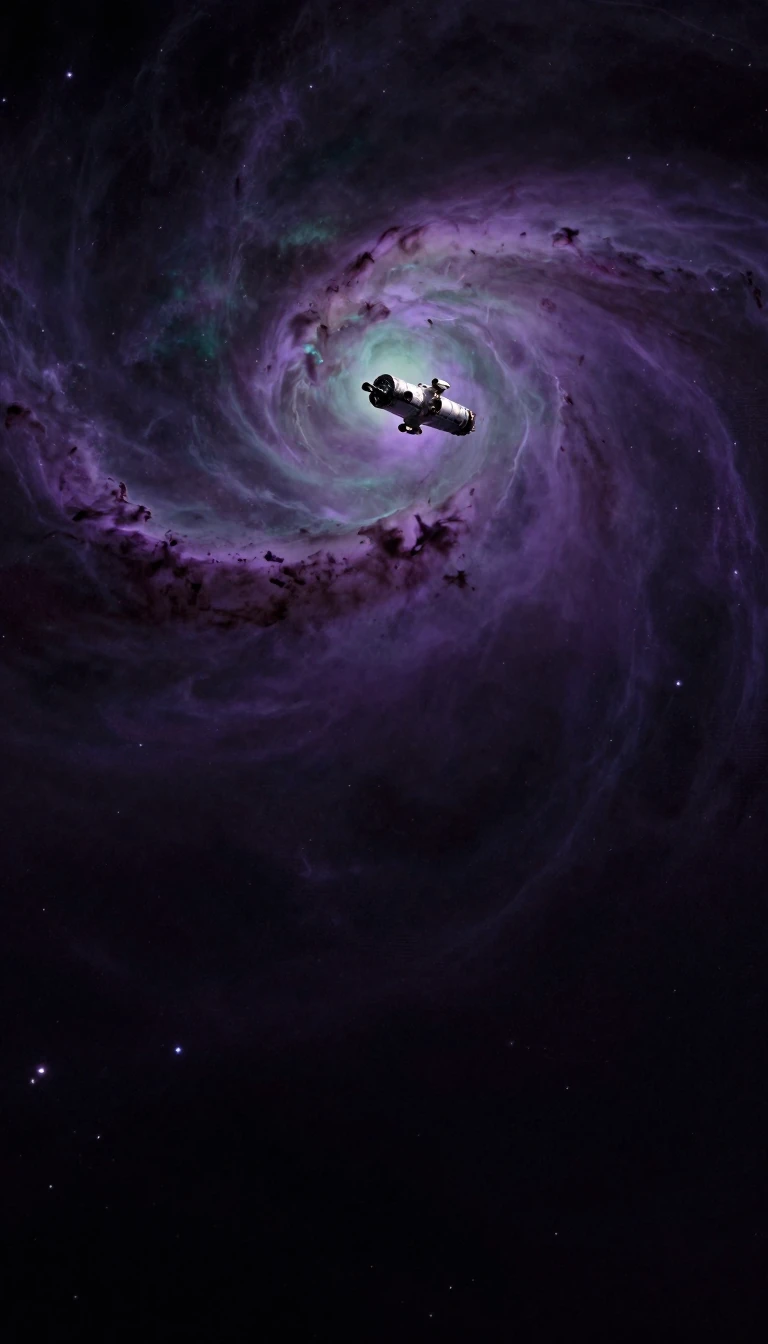 NASA deliberately crashed a spacecraft into an asteroid and moved itIn September 2022, NASA's DART spacecraft struck the small asteroid Dimorphos head-on. The impact shortened its orbit around its larger companion by 32 minutes, far beyond the 73-…
- SpaceX's Raptor was the first full-flow staged combustion engine to flyMost rocket engines burn their fuel in a simpler way. SpaceX's Raptor family routes both propellants through the turbines before combustion, a design that had never flown before i…
- A European probe is heading to Jupiter to study three icy moons that may hide oceansEurope's Jupiter Icy Moons Explorer, called Juice, lifted off in April 2023 and is bound for Ganymede, Callisto and Europa. Each is thought to conceal liquid water beneath a froze…
- Could tiny microbes be floating in the clouds of Venus?Venus is often called Earth's twin, yet its surface is hot enough to melt lead. Its clouds, however, are cooler and may be the only habitable zone. Researchers have detected phosp…
- Starship's heat shield is made of about eighteen thousand hexagonal tilesSpaceX's Starship is a reusable spacecraft meant to carry people and cargo to Earth orbit, the Moon and Mars. Its windward side is covered by roughly eighteen thousand black tiles…
- Only 14 super heavy-lift payloads had launched successfully before 2022Before 2022, only fourteen payloads had ever been successfully launched by super heavy-lift rockets: twelve Apollo-era Saturn V missions and two Soviet Energia flights. Their rare…
- A Canadian test pilot's route to orbit was reshaped by a spacecraft's delaysJoshua Kutryk is a Canadian astronaut who trained as a fighter pilot and test pilot before joining NASA's program. His path to orbit changed when problems with Boeing's Starliner …
- The Apollo command module's heat shield was built to be consumed on purposeThe Apollo command module was a cone-shaped cabin that carried astronauts home from the Moon. Its heat shield was designed to char and melt during reentry, carrying the intense he…
- A 1997 lander bounced on airbags and released a rover that changed robotic explorationIn July 1997, Mars Pathfinder reached the surface by bouncing on a cushion of large airbags, a landing method never tried before. Its small rover, Sojourner, rolled out to study t…
- Mars may have had enough water to cover a fifth of the planetMars is now a cold, dry desert, yet evidence suggests it was once partly covered by water. Scientists estimate that a primitive ocean held more water than Earth's Arctic Ocean, an…
- A space habitat could spin itself into artificial gravity, like a giant rotating cylinderPhysicist Gerard K. O'Neill proposed huge rotating cylinders in space, where spinning creates a gravity-like pull on the inner surface. Paired counter-rotating cylinders cancel ou…
- Luca Parmitano went from military test pilot to commanding the International Space StationLuca Parmitano trained as a military pilot before joining the European Space Agency. He later became the first Italian to command the International Space Station, and he has been …
- A private Indian firm reached orbit with its first rocket in July 2026In July 2026, Skyroot Aerospace, a private company founded by two ex-ISRO engineers, launched Vikram-1 and deployed its payload at 450 km. That made India the third country, after…
- The Soviet Energia rocket could lift about 100 tonnes into low Earth orbitFew rockets have ever matched Energia. Built in the Soviet Union in the 1980s, it could place roughly 100 tonnes into low Earth orbit, a figure only the American Saturn V had exce…
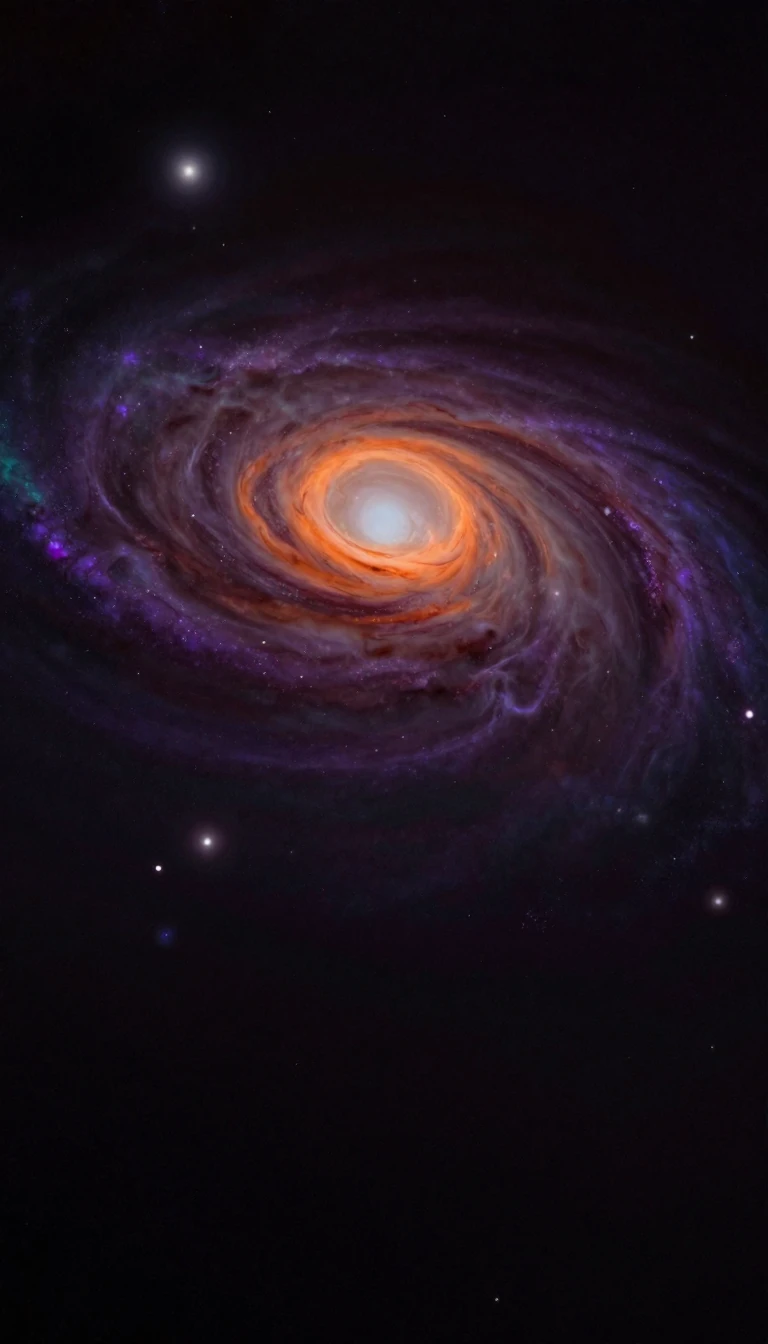 A space telescope helped narrow the universe's estimated age to 13 to 14 billion yearsBefore Hubble flew, astronomers could only bracket the age of the universe somewhere between 10 and 20 billion years. Observations of pulsating stars made from orbit tightened tha…
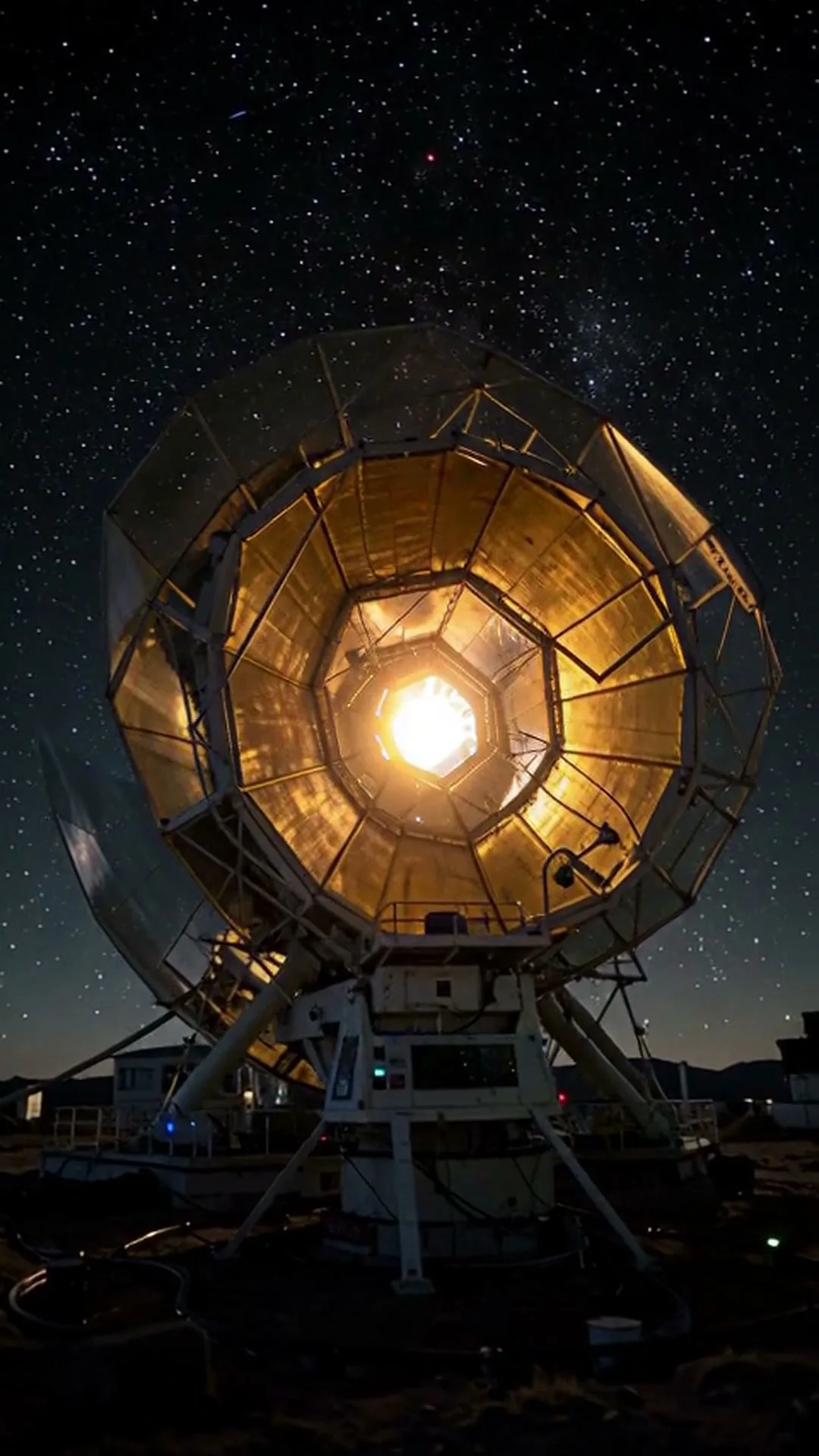 The Physics of the James Webb Space Telescope's Gold MirrorsThe James Webb Space Telescope uses a gold-coated beryllium mirror to reflect infrared light from the early universe while staying cold enough to avoid its own heat interference.
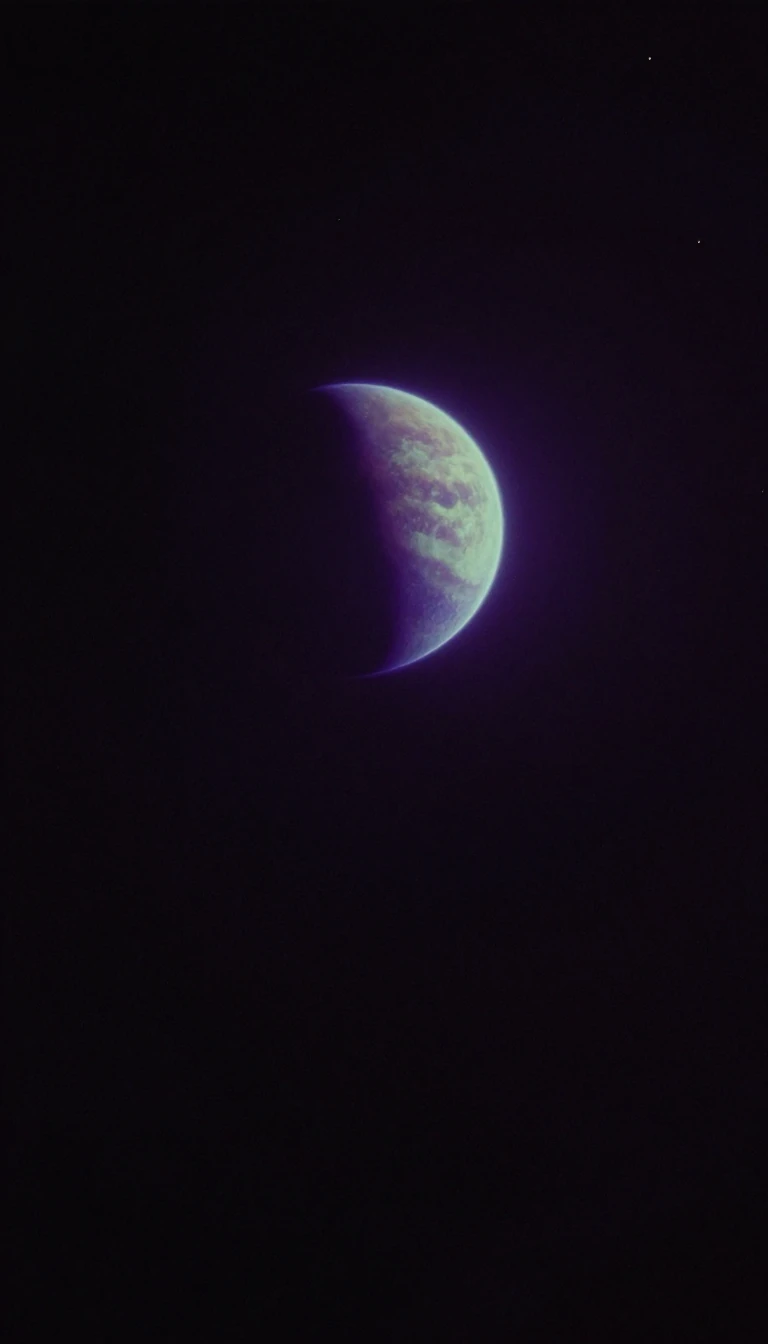 A day on Venus lasts longer than its yearVenus spins backwards compared with most planets, and it turns so slowly that one of its days is longer than its year. Measurements from Earth-based radar tracked how its rotation…
- Why astronauts go to space is a question with more than one answerAstronauts are trained for years, yet the reasons they fly are varied: science experiments, building and maintaining the International Space Station, and testing the limits of hum…
 Saturn's rings are mostly ice particles shaped by gravity from Saturn and its moonsSaturn's rings look like smooth, solid bands, but they are made of countless ice particles in constant motion. Gravity from Saturn and its many moons sculpts them into spirals, cl…
- Saturn is the only planet that would float on waterSaturn is the only planet in our Solar System less dense than water, which means a bathtub large enough could in principle hold it afloat. Its rings, its six-sided storm at the no…
- The International Space Station was born from a merger of two failing station plansBefore the International Space Station existed, the United States and Russia each had a station plan that collapsed under budget pressure and political change. In 1993 the two gov…
 A famous 1941 novel imagined a starship whose crew forgot they were on a shipIn Robert A. Heinlein's 1941 novella Universe, the people aboard a vast starship believe their metal world is the entire cosmos. Their ancestors' purpose has been lost for generat…
 SpaceX set out to make rockets reusable, the way aircraft are reusedAirplanes fly again and again, but rockets were traditionally thrown away after one launch. SpaceX privately funded a program to change that, aiming to land rocket stages and fly …
- A pilot spun in a spinning cage to test whether women could be astronautsIn April 1960, pilot Jerrie Cobb climbed into a cage-like rig that spun her in three directions at once. She volunteered to take the test that the first NASA astronauts had to pas…
- NASA built a wingless spacecraft to bring astronauts home in an emergencyLong before a crewed spacecraft could simply be bolted on, NASA tested a wingless vehicle that could glide an emergency crew back from the International Space Station. Its shape c…
- A rocket nozzle narrows, then widens, to push gas faster than soundRocket engines do not simply burn fuel. A specially shaped tube, the nozzle, squeezes hot exhaust to a narrow throat and then lets it expand. That shape turns the gas into a super…
 Some surfaces send light straight back to where it came fromA retroreflector bounces light back toward its source instead of scattering it in every direction. That is why road signs, cyclists' gear and even instruments on the Moon can glow…
- One Vandenberg launch pad has hosted rockets for six decades under two different ownersSpace Launch Complex 4 at Vandenberg, California, has launched Atlas, Titan and SpaceX rockets since 1963. Its two halves were rebuilt several times, and one pad now lands rockets…
- A spaceplane's 2014 breakup taught the industry a hard lesson about fail-safe designVSS Enterprise, the first SpaceShipTwo spaceplane, broke apart during a powered test flight in 2014, killing one pilot. The investigation pointed to a premature deployment of its …
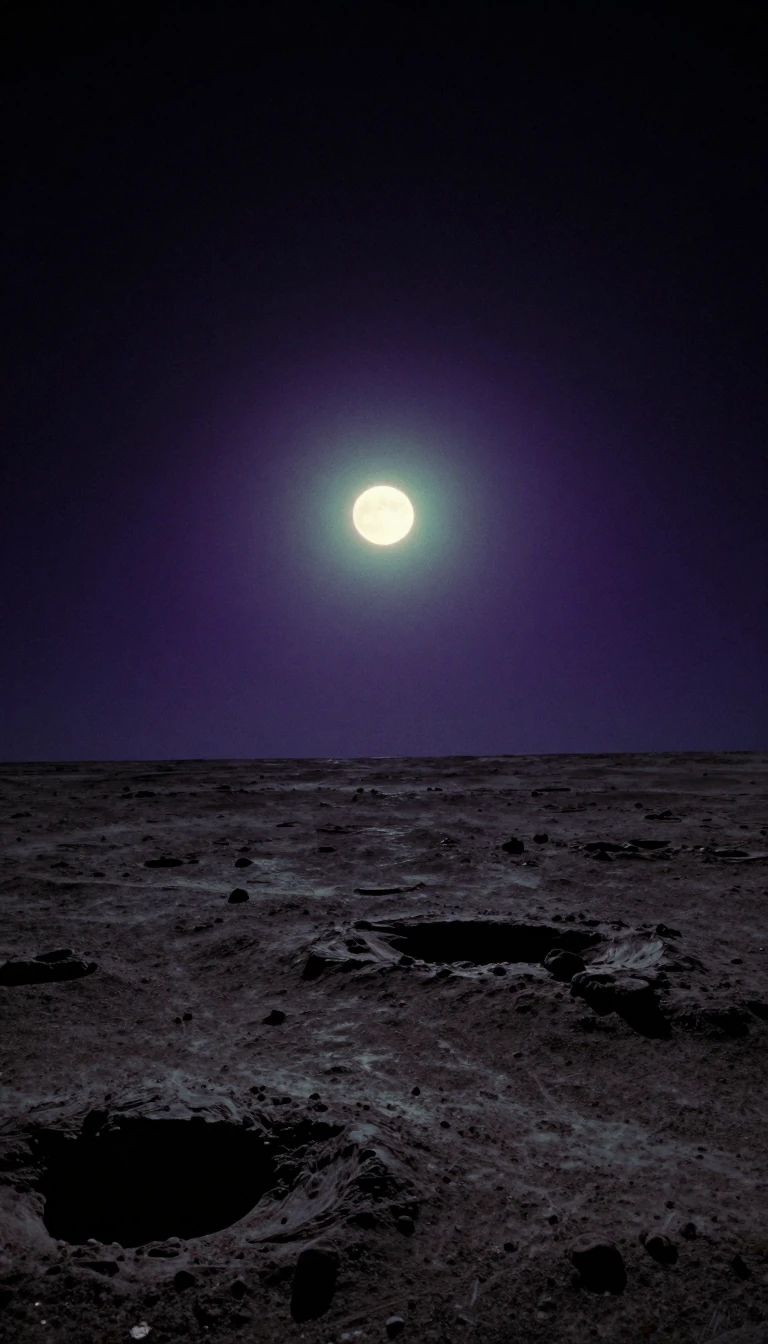 The Sun's energy hitting Earth barely changes, yet it is not truly constantThe solar constant is the energy the Sun delivers to a square metre facing it at Earth's distance. It is roughly 1.36 kilowatts, and it varies by only about a tenth of a percent a…
- Shuttle Columbia's 1999 mission carried a telescope that studies X-rays from spaceIn July 1999, Space Shuttle Columbia carried the Chandra X-ray Observatory into orbit, the heaviest payload the shuttle system had ever flown. Commanded by Eileen Collins, the fir…
- A spacecraft shape that flies without wings, built from plywood and steelSome of the most unusual aircraft ever flown had no wings at all. NASA tested a series of lifting bodies in the 1960s and 1970s, vehicles whose rounded shapes alone produced lift.…
- A secret Soviet military space station program flew three crewed stations in the 1970sFew people know the Soviet Union ran a secret military space station program called Almaz. Three stations were launched disguised as civilian Salyut stations, and one was even arm…
- The Soviet rocket engine designer who fought his rival over which fuel to useValentin Glushko designed many of the Soviet Union's rocket engines and later led the whole Soviet space programme. Yet his refusal to accept hydrogen fuel, and his disputes with …
- A turbopump is a pump powered by its own gas turbine inside a rocketA rocket engine must force enormous quantities of liquid fuel and oxidizer into its combustion chamber. A turbopump does this using a gas turbine on the same shaft as the pump, sp…
- The Apollo spacesuit took over three years to design and was built in stagesThe Apollo spacesuit was not made in one go. Its base design took more than three years to produce, with several contractors, competitions and redesigns along the way. The suit th…
 India plans its own space station, with a first module targeted for 2028India's planned Bharatiya Antariksh Station would be a modular laboratory in low Earth orbit, roughly 400 kilometres up, where astronauts could stay for three to six months. Its f…
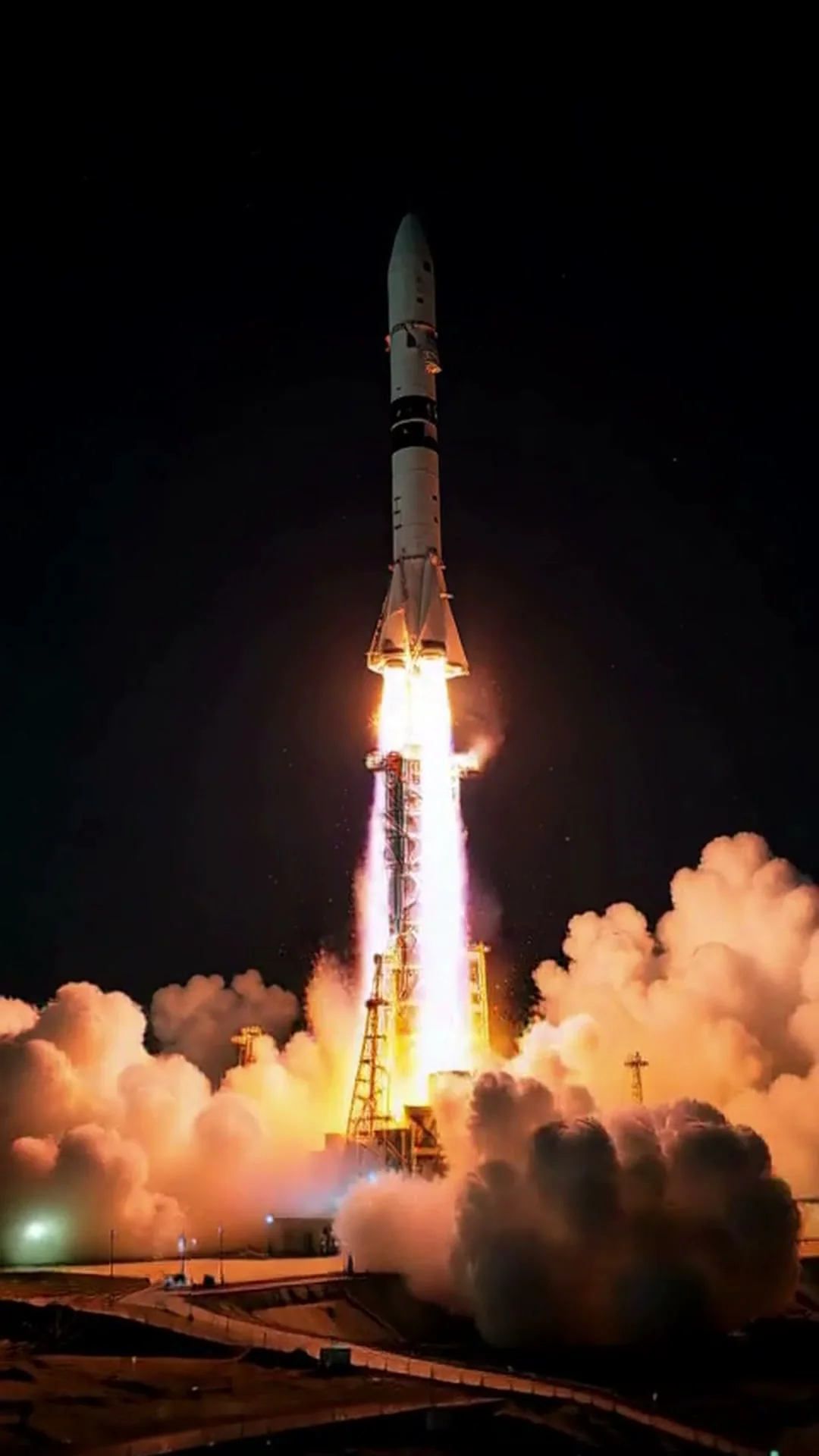 How the James Webb Space Telescope UnfoldsThe James Webb Space Telescope was engineered to fold into a compact configuration and unfold in space, allowing its massive mirror and sunshield to observe the first galaxies in …
- A rocket's fuel needs depend on a number called delta-vEvery space mission runs on a running tally of how much the spacecraft must change its speed. That tally, called a delta-v budget, decides how much fuel a rocket must carry. Surpr…
- An astronaut who was also a chemist, a flute player and a Space Shuttle veteranCatherine Coleman trained as a chemist, flew two Space Shuttle missions and spent 159 days in orbit. She also carried several flutes to the International Space Station and played …
- A star system where the smallest known planet was once the record holderIn 2013, astronomers announced Kepler-37b, a rocky world slightly larger than our Moon. At the time it was the smallest known exoplanet, and it orbits its star every 13 days. The …
- The astronomer who became the scientist of UFOs, despite starting as a skepticBefore he studied UFOs, J. Allen Hynek was hired by the U.S. Air Force to explain away sightings. He began as a skeptic, but the witnesses changed his mind. His work turned a ridi…
- The most Earth-like planet found around Gliese 581 turned out not to existIn 2010, astronomers announced Gliese 581g, then the most Earth-like exoplanet known, sitting in its star's habitable zone. Today most astronomers no longer think it is real. Its …
- South Korea's Nuri rocket delivered 14 of 15 satellites on its fifth flightSouth Korea's homegrown Nuri rocket lifted off on October 6, 2026, carrying 15 satellites. Nearly all reached low Earth orbit as planned, a milestone for a rocket that failed on i…
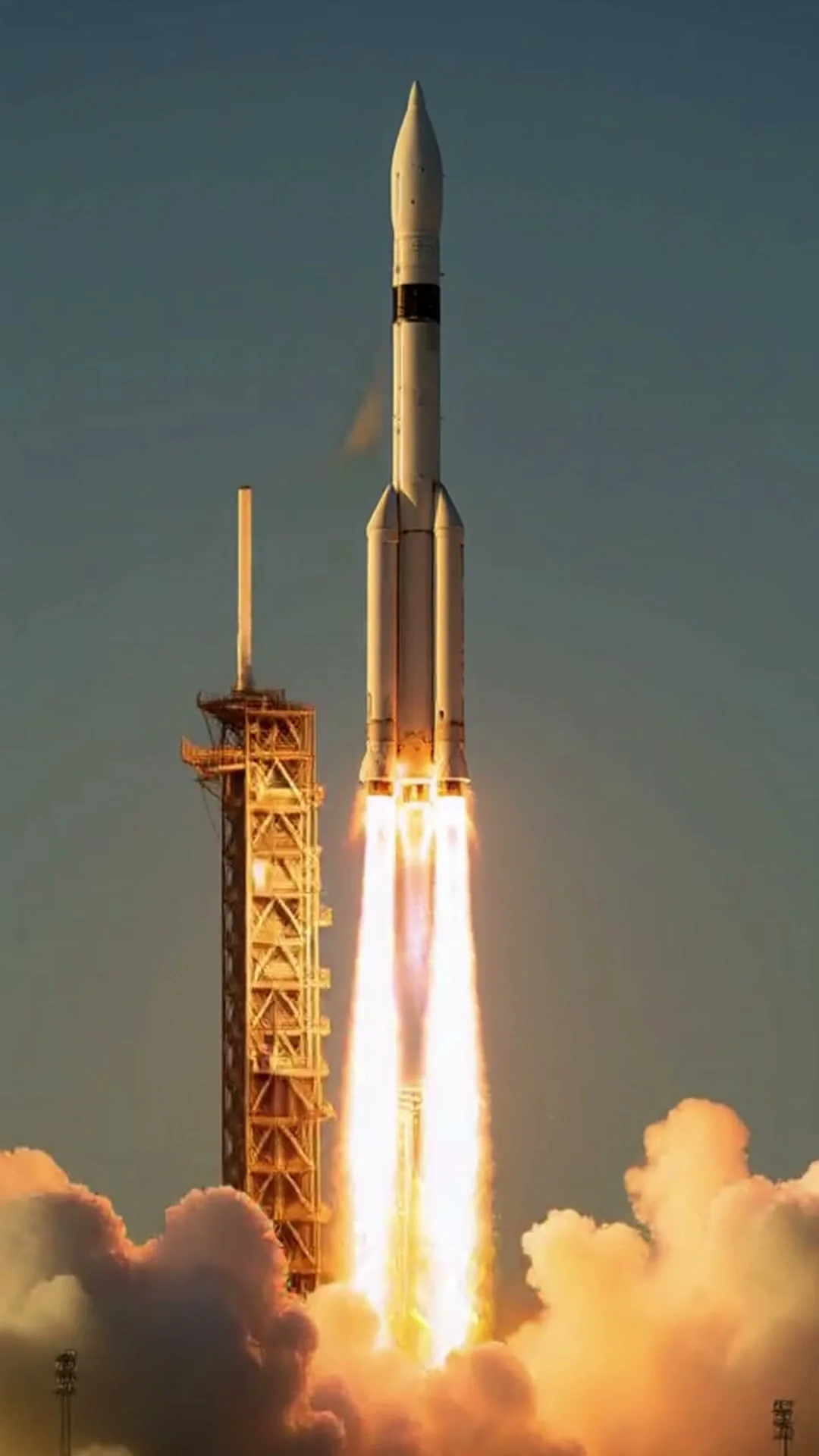 The Engineering of the James Webb Space TelescopeThe James Webb Space Telescope uses complex folding mechanisms and a gold-plated beryllium mirror to observe the earliest galaxies in the universe.
- Simulations recreate real galaxy clustersAstronomers simulated the formation of a massive galaxy cluster and found that their model closely matches observations of real clusters. The simulation includes over 5000 galaxie…
- Meteorites contain rare nucleobase analogs found in spaceA study of 12 meteorites found three unusual nucleobase analogs, including purine, 2,6-diaminopurine, and 6,8-diaminopurine. These compounds, not typically found on Earth, were al…
- Why the Earth's tilt creates two distinct seasonal shiftsUnderstand the celestial mechanics behind the Autumn Equinox and explore which constellations dominate the northern hemisphere's night sky during this transition.
- Why space exploration requires eight distinct robotic architecturesSpace is a vast environment of planets, stars, and galaxies that demands specialized engineering to explore. Because the hostile conditions vary so wildly from planetary orbits to…
- From beach balls to moon rockets: the icons of space explorationThis video traces the evolution of human spaceflight by breaking down the most significant spacecraft ever built. It explores how these machines transitioned from simple radio bee…
- The silent ghosts of space: tracking humanity's lost machinesFrom landers that functioned in total isolation to probes drifting for decades, this video explores twelve spacecraft that vanished from our reach. It examines the mystery of why …
- How a single beeping sphere redefined the trajectory of the 20th centuryThis video traces the pivotal early milestones of space exploration, focusing on how two small satellites—one that merely beeped and one that discovered radiation—sparked the glob…
- A visual lineage of human exploration on the Red PlanetExplore the evolution of Martian engineering through a comprehensive comparison of every spacecraft that has touched down on the surface. This video provides a detailed look at th…
- From atomic bombs to trapdoors: the bizarre history of weaponized orbitThe Cold War pushed aerospace engineering into surreal territory. This video explores the most eccentric military spacecraft ever conceived, from nuclear-propelled city ships to s…
- To reach orbit, a rocket must fight the curve of spacetimeLaunching into space is more than just moving upward; it is a violent struggle against the very fabric of reality. To escape Earth, a spacecraft must overcome a gravitational funn…