 Intellect Plus
Aviation
87 cards. Each one is a 40-second story with a five-minute read behind it.
 Why English became the global standard for the skiesEnglish is one of the world's most spoken languages, but its role in aviation is more than just common usage. This video explores how it secured its 'standard' status and why it i…
 The invisible infrastructure that keeps global aviation movingModern airports are complex ecosystems of synchronized systems. This lecture-style breakdown explains the core mechanics behind passenger flow, aircraft movement, and safety proto…
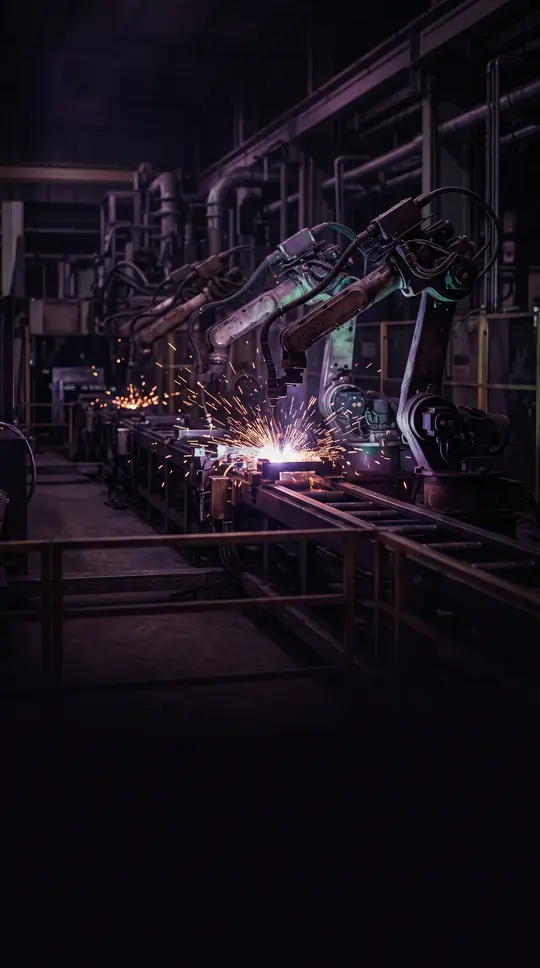 The conductors of the high-flying orchestra: what an Aviation Manager doesAviation Managers are the unsung heroes ensuring planes stay on schedule and airport operations remain seamless. This video explores the demanding daily responsibilities of these …
 Beyond the Cockpit: The Diverse Careers of AviationWhile pilots often capture the public imagination, the aviation industry relies on a vast ecosystem of specialized roles. This video explores various career paths within the field…
 The invisible choreography behind every seamless flightEver wondered how thousands of passengers move through an airport without total chaos? This tutorial breaks down the complex logistics and infrastructure required to keep global a…
 A Soviet trainer aircraft is now hunting modern strike dronesThe Yakovlev Yak-52 was designed as a primary trainer for Soviet sport and military pilots. Today, this rugged, piston-engine aircraft has found a second life on the battlefield, …
 The $300 million experiment that redefined the future of flightIn 1979, Beechcraft set out to build a successor to the King Air. The result was the Starship: a radical, carbon-fiber marvel featuring a canard wing and pusher propellers. It was…
 How to fly for hundreds of miles without a single drop of fuelGliding is the art of harvesting the atmosphere. By identifying invisible currents of rising air, pilots can stay airborne for hours, traveling hundreds of kilometers across conti…
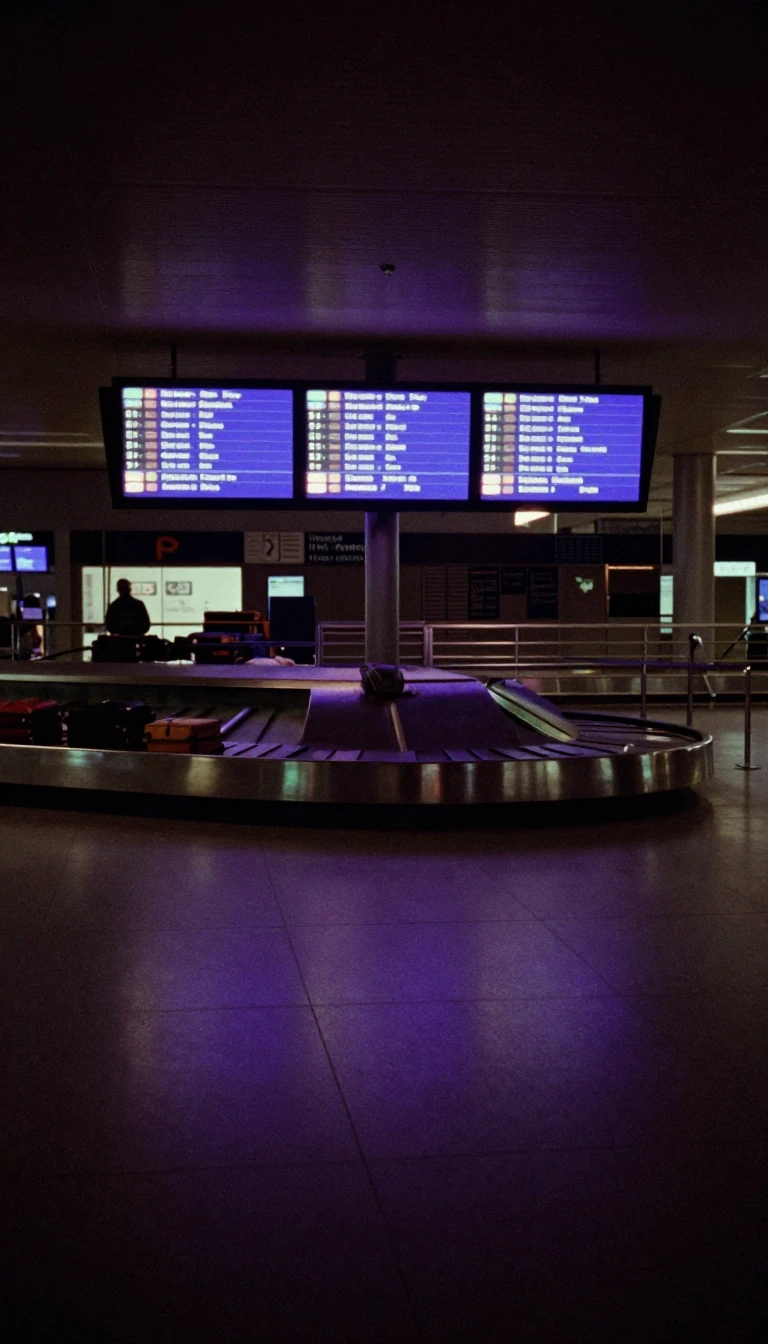 The silent digital heartbeat that tracks every commercial flight across the globeBefore automated data links, pilots relied on voice reports to log flight times, a process prone to human error and inefficiency. Introduced in 1978, the Aircraft Communications A…
- Can NASA turn the deafening roar of supersonic flight into a gentle, manageable thump?NASA is currently testing the X-59, an experimental jet designed to break the sound barrier without the typical window-rattling sonic boom. By transforming supersonic travel into …
 Why aerostats float: the physics of buoyancy in the skyAerostats rely on the simple principle of buoyancy to remain airborne, displacing air with lighter-than-air gases like helium or hydrogen. Unlike aerodynes, which require constant…
 The forgotten invention that defined how every modern airplane banks and turnsAilerons, the hinged surfaces on wings, are the unsung heroes of flight. While the Wright brothers famously fought to patent their wing-warping technique, a British scientist had …
 How aircraft use controlled drag to master the art of slowing down mid-flightTo land a jet, you cannot simply rely on engine power. Unlike propeller planes, jet engines offer little natural braking when throttled back. Engineers developed air brakes—surfac…
 How modern aircraft avoid mid-air collisions without relying on ground-based air traffic controlThe Airborne Collision Avoidance System (ACAS) acts as a vital safety net for pilots, functioning independently of ground controllers to prevent mid-air collisions. By monitoring …
 How a risky, free-lease gamble turned a struggling European airliner into a global icon.The Airbus A300 was nearly a failure, with production stalling and no new orders for eighteen months in the mid-1970s. To break into the American market, Airbus took a massive gam…
 The Airbus A320 family revolutionized aviation by pioneering digital fly-by-wire controls in commercial airliners.Launched in 1984, the A320 family transformed the single-aisle market by introducing advanced digital flight controls and a wider fuselage than its competitors. From its humble or…
 Why aircraft rely on hidden shells to slice through the sky with easeAn aircraft fairing is a specialized structure designed to smooth out an airplane's silhouette, effectively minimizing drag. By covering gaps and junctions between various compone…
 How pilots command the skies: from manual wing warping to fly-by-wire intelligenceModern flight control systems are far more than simple levers. They are complex networks that translate a pilot's physical input into precise aerodynamic maneuvers. Whether using …
 Why every civil aircraft carries a unique code that functions like a license plate.Every civil aircraft is required by international law to display a unique alphanumeric registration code. This identifier, which must be prominently marked on the fuselage, acts a…
 The airframe is the skeleton of flight, balancing gravity against the physics of lift.An airframe is more than just a shell; it is the fundamental structure of an aircraft, excluding the engine and instruments. From wings to landing gear, every component must be me…
 Why airlines concentrate traffic through massive hubs instead of flying direct to every cityThe hub-and-spoke system allows airlines to serve vast networks with fewer aircraft and routes. By funneling passengers through a central airport, carriers create economies of sca…
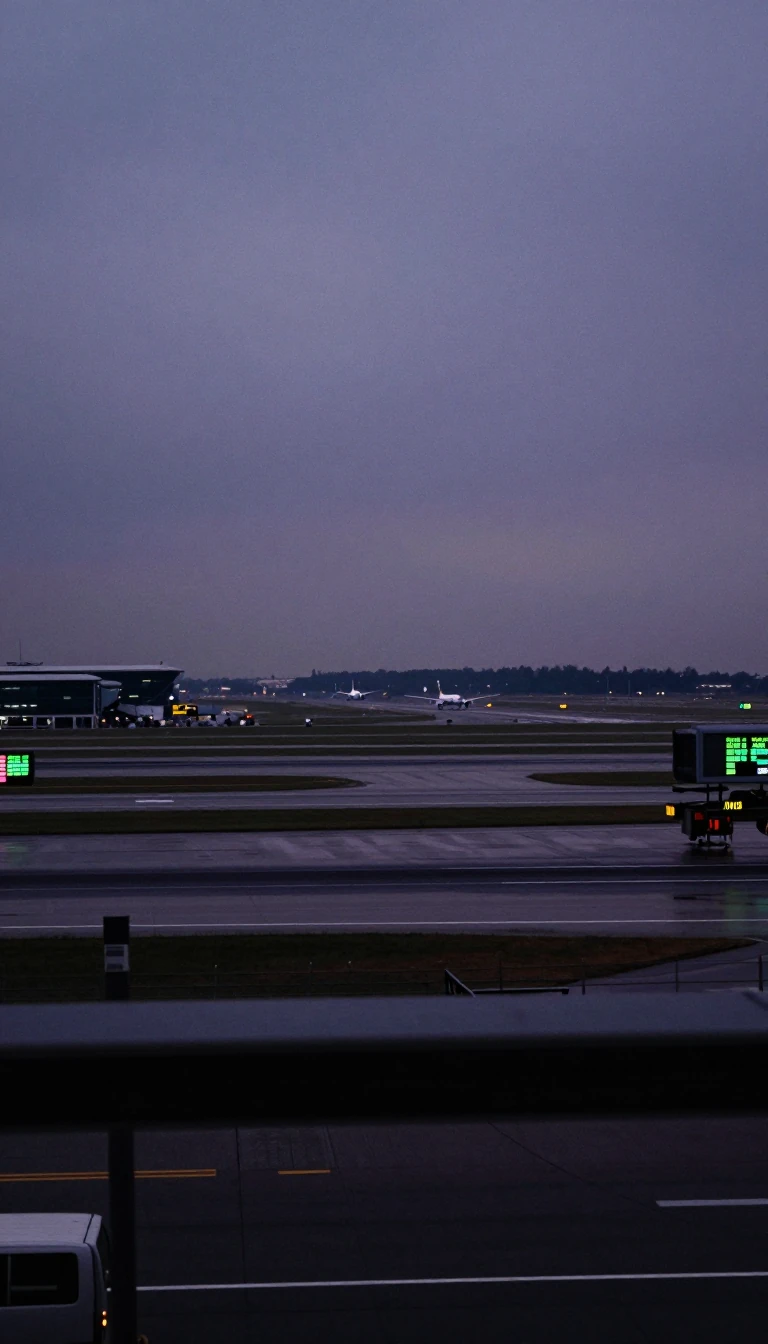 Why airport terminals are the most rapidly evolving buildings on the planetAirport terminals are more than just transit hubs; they are architectural mirrors of national ambition and technological flux. Unlike other infrastructure, these buildings undergo…
- The invisible language keeping commercial aircraft flying safely across the globe every dayARINC 429 is the quiet backbone of modern aviation. This technical standard defines how critical flight data moves between sensors and computers on most commercial aircraft. By us…
- Autopilot systems do not replace pilots; they act as partners to reduce fatigue.Far from autonomous robots, autopilots are sophisticated assistants designed to manage the repetitive, high-precision tasks that once exhausted human crews. By automating flight p…
 The hidden engine that keeps modern aircraft and tanks running when they are stationaryAn auxiliary power unit is a secondary engine providing energy for non-propulsion functions. From the early blimps of World War I to the sophisticated gas turbines on modern airli…
- Why the biplane dominated the skies before fading into aviation historyBefore sleek monoplanes took over, the biplane was the king of the air. By stacking two wings, early engineers created structures that were remarkably light and stiff. This design…
- Why the iconic blimp is actually a fragile balloon held together by gas pressureA blimp is not a rigid machine but a soft, cigar-shaped envelope that relies entirely on internal gas pressure to maintain its form. Unlike its sturdier cousins, the zeppelin, a b…
- Why the most advanced fighter jets look like they are flying backwardA canard is a wing configuration where a small foreplane sits ahead of the main wing. Named for its resemblance to a duck in flight, this design was used on the first powered airp…
 Why the world's most vital cargo planes are often just recycled passenger jetsModern air cargo is the backbone of global trade, moving over six trillion dollars in goods annually. While specialized freighters exist, most of the planes in the sky are actuall…
 Why the Cessna 172 remains the most iconic and enduring aircraft in aviation historyWith over 44,000 units produced since 1956, the Cessna 172 is unmatched in longevity and global reach. From its humble origins as a tricycle-gear evolution of the 170 to its moder…
- Beyond the Airline Seat: How Civil Aviation Powers Our Global MovementCivil aviation is far more than just commercial flights. It encompasses everything from agricultural crop dusting to private recreation, all governed by a complex international we…
 Why the place where you fly a plane is named after a blood sportThe cockpit was once a pit for fighting cocks, but its linguistic journey took a strange turn through 17th-century naval history. Today, this space has evolved from an open-air se…
- How the Dash 8 evolved from a failed city-hopper to a global aviation stapleBorn from the shadow of the Dash 7, the Dash 8 traded short-field performance for efficiency. It survived corporate buyouts, a high-stakes production pause, and shifting market de…
- The legendary DC-3: Why the only true replacement for this plane is another one.Born from a marathon phone call between airline titans, the Douglas DC-3 transformed air travel by proving planes could be profitable without mail subsidies. Nearly a century late…
 How a simple hinged flap at the tail controls the pitch of an aircraftThe elevator is the unsung hero of flight, a small surface that dictates whether a plane climbs or dives. By manipulating the downward force at the tail, these hinged components a…
- Why the tail of an airplane is more than just a rudderThe empennage, or tail assembly, is the unsung hero of flight stability. Borrowing its name from the French word for feathering an arrow, this rear structure does far more than st…
- Why aviation's climate impact is far more complex than just carbon dioxide emissionsWhile commercial aviation accounts for roughly 2.4 percent of global carbon dioxide, its true climate footprint is significantly more complicated. Beyond fuel exhaust, high-altitu…
 Why modern aircraft engines are managed by computers with no manual overrideA Full Authority Digital Engine Control (FADEC) system manages every aspect of an aircraft engine, from fuel flow to temperature limits, without human intervention. By analyzing f…
 Why airplane wings change shape to master the physics of takeoff and landingTo fly safely, airplanes must balance lift and drag. Wing flaps are the hidden control surfaces that allow pilots to manipulate wing geometry mid-flight. By altering camber or sur…
- How hinged surfaces on wings and tails turn air pressure into controlled flightTo steer an aircraft, pilots do not just push against the air; they manipulate pressure. By deflecting hinged surfaces on wings and tails, they create unbalanced forces that rotat…
 The silent pilot: how flight management systems automate the modern skyModern airliners no longer require dedicated flight engineers or navigators. Instead, a specialized computer system called the Flight Management System (FMS) handles complex navig…
 Fly-by-wire replaces heavy mechanical cables with electronic signals to make aircraft safer and lighter.Imagine flying a plane where your control stick is not physically connected to the wings. Instead, computers interpret your intent, stabilize the aircraft, and prevent dangerous m…
- Why the perfect aerodynamic aircraft design remains a nightmare to control and flyThe flying wing is theoretically the most efficient aircraft shape, promising minimal drag and maximum fuel economy. Yet, by eliminating the fuselage and tail, engineers lose the …
 The fuselage is more than just a shell; it is the backbone of flight.The fuselage is the central body of an aircraft, housing crew, passengers, and cargo. Far from a simple container, its design must balance aerodynamics, structural integrity, and …
 How digital satellite links are shrinking the vast, empty gaps between transoceanic flights.For decades, oceanic air traffic control relied on slow, error-prone voice radio and massive safety buffers. The Future Air Navigation System (FANS) replaced this with automated d…
- Before hot-air balloons dominated the skies, gas balloons ruled for nearly two centuriesUnlike their heat-dependent counterparts, gas balloons rely on lifting gases like helium or hydrogen to stay aloft. These vessels can remain airborne for days, travel vast distanc…
 General aviation is the vast, often invisible backbone of the world's skiesWhile commercial airliners dominate headlines, the majority of global air traffic belongs to general aviation. This diverse sector encompasses everything from private jets and agr…
 How digital screens replaced steam gauges to transform the modern pilot's flight experienceBefore the digital age, pilots navigated using over a hundred mechanical dials. Today, glass cockpits consolidate this complexity into intuitive, customizable LCD displays. While …
- Why the letter H is the universal language of vertical flightA helipad is more than a concrete slab; it is a precision-engineered landing zone for vertical lift aircraft. From skyscraper rooftops to the extreme heights of the Siachen Glacie…
- Why modern aircraft are moving away from dedicated hardware to integrated modular avionicsTraditional aircraft systems relied on federated architectures, where every function had its own dedicated hardware. Integrated modular avionics shifts this paradigm by using a sh…
- Landing gear is the unsung hero of aviation, bearing immense weight and punishing impact forces.Beyond simple wheels, landing gear is a complex engineering marvel that balances aerodynamic efficiency with the brutal reality of touchdown. From retractable systems that vanish …
 Why the secret to safer, slower landings is a small gap in the wing.Leading-edge slats are aerodynamic surfaces that transform how wings behave at low speeds. By opening a slot to re-energize airflow, they allow aircraft to maintain lift at steepe…
- The Lockheed Constellation was a pressurized marvel that redefined long-distance air travel forever.With its signature triple tail and dolphin-like curves, the Lockheed Constellation was the first pressurized airliner to see widespread use. It allowed passengers to fly above tur…
- The DC-9 was a short-haul jet designed to land where others could not.Engineered for smaller airports with limited infrastructure, the McDonnell Douglas DC-9 revolutionized regional travel. By mounting its engines on the tail and incorporating built…
- The Mil Mi-8 is the world's most-produced helicopter, still flying after six decades.Born from a Soviet leader's desire to match American presidential luxury, the Mil Mi-8 evolved into a global workhorse. With over 17,000 units built, this rugged twin-turbine airc…
 Why the monoplane eventually conquered the skies over the once-dominant biplaneFor decades, the biplane ruled aviation, favored for its maneuverability and structural lightness. Yet, the monoplane held the secret to aerodynamic efficiency. As engine power su…
 Why the radial engine, shaped like a star, once ruled the skies of history.Before gas turbines dominated aviation, the radial engine powered the world's most iconic aircraft. With cylinders radiating from a central crankcase like spokes on a wheel, this …
- The rise and fall of the rigid airship: from mountain crashes to global travelBefore airplanes dominated the skies, rigid airships promised a new era of long-range travel. These massive, trussed structures, famously pioneered by Ferdinand von Zeppelin, coul…
- Beyond the Helicopter: How Rotary Wings Redefine the Physics of FlightRotorcraft are more than just helicopters. From unpowered kites towed by boats to complex hybrids that stop their blades mid-air to transform into fixed-wing aircraft, these machi…
 Why runways are numbered by magnetic compass and repainted when the Earth shiftsA runway is more than just a strip of pavement; it is a precisely engineered navigation tool. Numbered by their magnetic heading, these surfaces must occasionally be repainted as …