The silent digital heartbeat that tracks every commercial flight across the globe
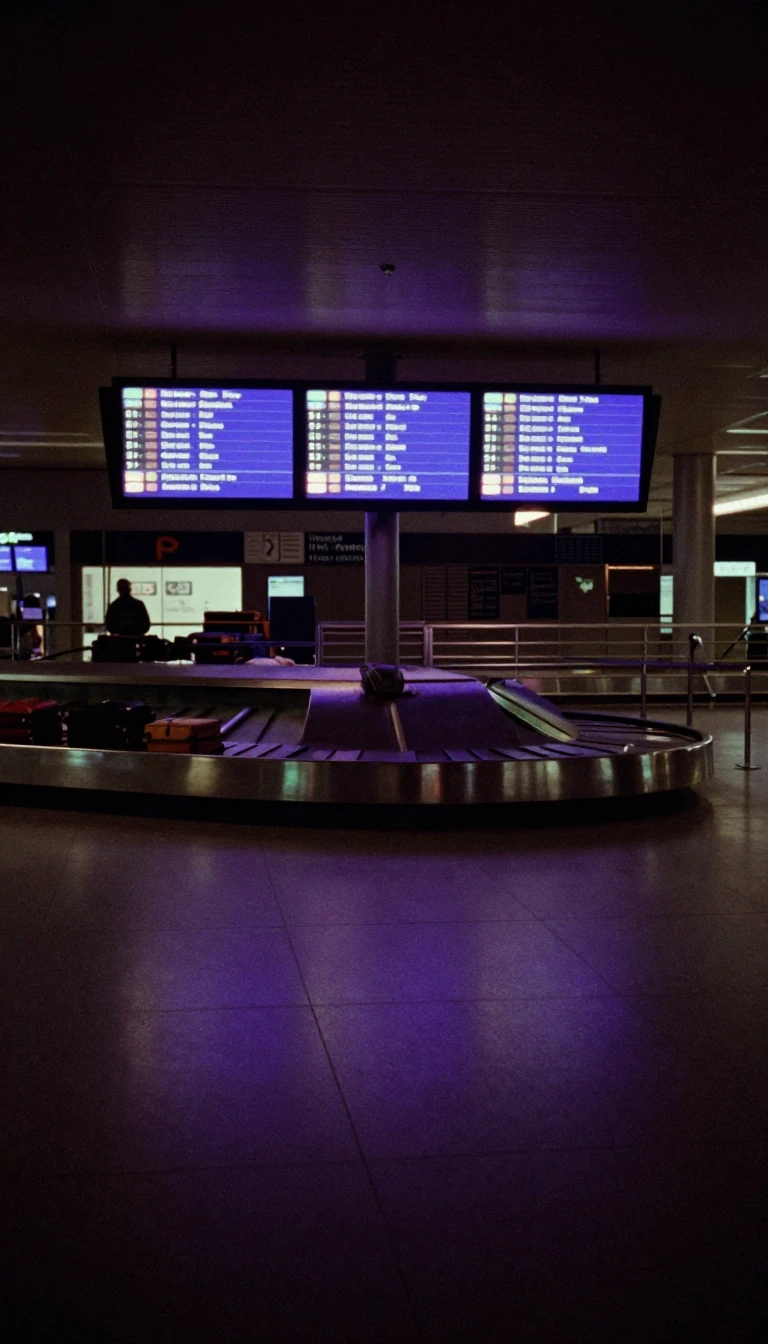
In short: Before automated data links, pilots relied on voice reports to log flight times, a process prone to human error and inefficiency. Introduced in 1978, the Aircraft Communications Addressing and Reporting System transformed aviation by automating status updates, maintenance monitoring, and weather reporting, effectively creating a digital nervous system for modern aircraft.
Developed by ARINC and launched with Piedmont Airlines in July 1978, the system—originally named for its creator—was designed to replace manual voice logs. Airlines needed a way to eliminate self-reported flight times to ensure data integrity and reduce the workload on flight crews and radio operators. By utilizing sensors on landing gear, doors, and parking brakes, the system automatically detects key flight phases: leaving the gate, takeoff, landing, and arrival. These OOOI events are transmitted as digital messages, providing airlines with precise tracking of aircraft and crew status.
Beyond simple timekeeping, the system acts as a sophisticated communication hub. It interfaces with flight management computers to update flight plans and weather data in real-time, while simultaneously relaying equipment health diagnostics to ground maintenance teams. If a sensor detects an anomaly, such as smoke or a mechanical fault, the system transmits these alerts instantly. This capability has proven vital in incident investigations, such as the 2016 EgyptAir Flight 804 crash, where messages regarding smoke in the avionics bay provided critical clues before the aircraft was lost.
The infrastructure relies on a global network of VHF radio stations and satellite links, managed by service providers like ARINC and SITA. While the system is primarily for operational control and air traffic clearances, its utility has expanded significantly. Since 2002, commercial aircraft have functioned as mobile weather stations, feeding wind and temperature data into NOAA models. Despite its maturity, the system remains a cornerstone of aviation safety, even when primary units are disabled, as demonstrated by the satellite pings that helped track the path of Malaysia Airlines Flight 370 in 2014.
Opens the Intellect+ feed with this card first. Swipe up for the next one.
Sources
- Summary by Intellect · source: ACARS
To cite this card, link to https://intellectplus.co.uk/app/technology-acars.
How we source, check and correct cards: Editorial standards.
General information, not professional advice. Spotted an error? Flag the card or see corrections and complaints.
Intellect Plus is a visual educational discovery platform for exploring fascinating facts and ideas. Brain Food, Not Brain Rot. What is Intellect Plus?
Related
More in Aviation · More in Technology · Latest · A–Z · All topics
