 Intellect Plus
Machinery and tools
329 cards. Each one is a 40-second story with a five-minute read behind it. Page 5 of 6.
 The screw came roughly two thousand years before anyone made a screwdriverThe screw was the last of the six classic simple machines to appear, turning up in Assyria between 911 and 609 BC, where King Sennacherib boasted of casting water-screw pumps weig…
 A janitor's soap box and his wife's pillowcase gave the world the HooverIn 1907 James Murray Spangler, a department store janitor in Canton, Ohio, rigged an electric fan to blow dust into a soap box fitted with one of his wife's pillowcases, adding a …
 The oldest valve is a hinged flap that lets the flow do the workPicture a flap hanging on a hinge inside a pipe. Push fluid one way and it swings open; try to send it back and the current slams the flap shut. That ancient design, the check val…
 The first automatic washing machine had to be bolted down to stop it walkingIn 1937 Bendix Home Appliances launched the first domestic automatic washer, a front-loader that looks familiar even now. It had no drum suspension, so owners anchored it to the f…
 Why a splitting maul has a fatter head than an axeA thinner wedge multiplies force more, so you might expect a log-splitting maul to be razor-slim. It is the opposite. In springy material such as wood, friction grabs a narrow wed…
 Ancient Mexico built wheeled toys but never a wheeled cartArchaeologists in Mexico have dug up small wheeled figures, apparently children's toys, some around 3,500 years old. Yet Mesoamerica never put the wheel to practical work before t…
 A car's wheels actually lose force, and that is the whole pointAs a simple machine, the wheel and axle exists to multiply force: push on the big rim and the slim axle turns with extra strength. A car runs it backwards. Its transmission drives…
 In 18th-century China, whole fleets of wheelbarrows travelled under sailNear the southern edge of Shandong in 1797, a Dutch East India Company man named Andreas van Braam Houckgeest was astonished to meet a convoy of big wheelbarrows, each carrying a …
 Spectrometers read what stars and metals are made of from their lightEvery chemical element leaves its own pattern of bright or dark lines when light passes through or comes off it. A spectrometer spreads that light out by wavelength so the pattern…
 The humble spring runs from Bronze Age tweezers to your tape measureA tape measure snaps back into its case because of a thin steel band that is slightly curved across its width. Rolled up, it lies flat; pulled out, it springs back to its curve, p…
 In the 1950s an induction cooker boiled water through a sheet of newspaperOn a touring General Motors showcase in the mid-1950s, Frigidaire demonstrated an induction cooker heating a pot of water with a newspaper sandwiched between burner and pan. The s…
 A coffeemaker, Biosphere 2 and the Universe sort neatly into three kinds of systemYour coffeemaker swaps both matter and energy with its surroundings, which makes it an open system, like a car or planet Earth. A computer or the Biosphere 2 project trades energy…
 Anders Celsius put boiling at zero and freezing at one hundredWhen Anders Celsius proposed his temperature scale in 1742, water boiled at zero degrees and froze at 100. The scale carrying his name today runs the other way round. That reversa…
- The water sitting in a toilet bowl is a plug against sewer gasThat pool of water always waiting in a flush toilet has a job. The bowl drains through a pipe bent like an upside-down U, and the lip of that bend sets how high the water can stan…
 The Sewing Machine War: how a patent tangle gave birth to buying on instalmentsBy the 1850s, America's sewing machine makers spent as much energy suing each other as selling. The fight over needles, shuttles and feeds grew so tangled it became known as the S…
 Frederick Taylor's 'science of shovelling' demanded a different scoop for every materialAround 1900, efficiency pioneer Frederick Winslow Taylor decided that using one shovel for brown coal on Monday and gravel on Tuesday was wasteful. Match each scoop's size to the …
 The sickle's jagged edge has survived 15,000 years, all the way into combine harvestersThe first harvesting sickles, around 15,000 years ago, were wooden handles fitted with toothed flint. That serrated edge never went away. It still dominates grain reaping, turns u…
- Physicists still argue about exactly why a siphon lets water run uphillAnyone who has emptied a fish tank with a hose knows the trick: water climbs up and over the rim with no pump at all. Egyptians were doing it by 1500 BC. Yet how a siphon actually…
 Long before the word robot, inventors built mechanical waitresses, drummers and a digesting duckThe word robot dates only from a 1920s Czech play, where it meant forced labourer. The machines are far older. A 13th-century engineer built a hydraulic waitress that appeared thr…
 Teaching robots to walk on two legs turned out harder than making them flyAn airliner is practically a flying robot: its autopilot can handle takeoff, cruise and landing while two humans supervise. Yet engineers still struggle to build a two-legged mach…
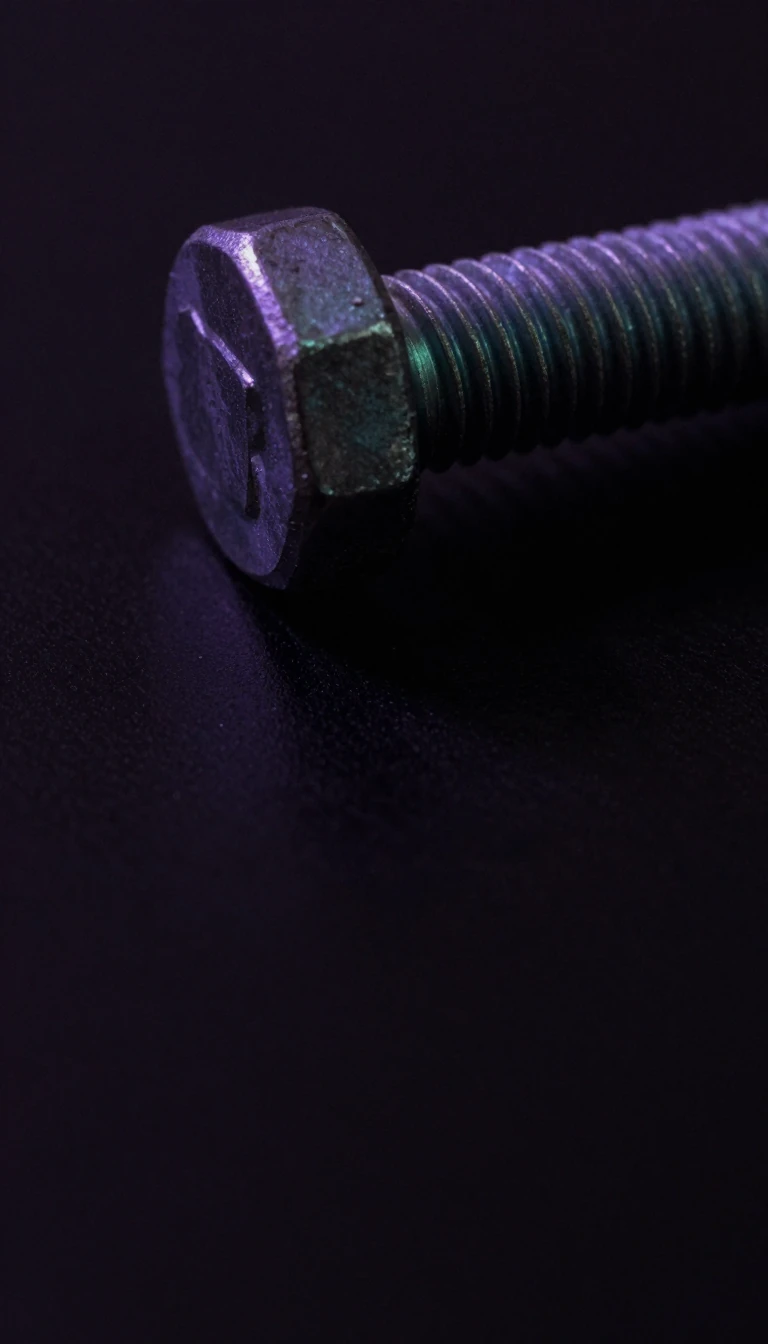 Rope holds together because every layer is twisted against the one before itPull apart a piece of ordinary three-strand rope and you will find the fibres twisted one way, the yarns the other, and the strands back again. That alternating counter-twist is t…
 What measures the ruler? A 4,600-year-old bar and a puzzle from WittgensteinEvery metre stick was once checked against a single official bar kept in Paris. Philosopher Ludwig Wittgenstein noticed an odd gap: nothing could prove that the bar itself measure…
- Cut an eight-foot board into one-foot pieces and you only get sevenTry slicing an eight-foot plank into one-foot lengths with a saw that removes an eighth of an inch per cut. You end up with seven good pieces and an eighth that falls short by sev…
- Why most 'left-handed' scissors still fight the people who use themMany scissors sold for left-handers only swap the finger grips. The blades still sit the right-handed way, so a lefty ends up prying them apart with the thumb while the upper blad…
- The metal screw stayed a rarity for centuries, until factories made 16,000 a dayIn the 1780s a Staffordshire wood-screw works turned out 16,000 screws a day with just 30 workers, a staggering output at the time. Before machines like theirs, each metal screw w…
- Righty-tighty is a convention, and left-handed threads exist for clever reasonsAlmost every screw tightens clockwise, possibly because right-handers turn a screwdriver that way using the arm's stronger muscle. But some threads deliberately run backward: on w…
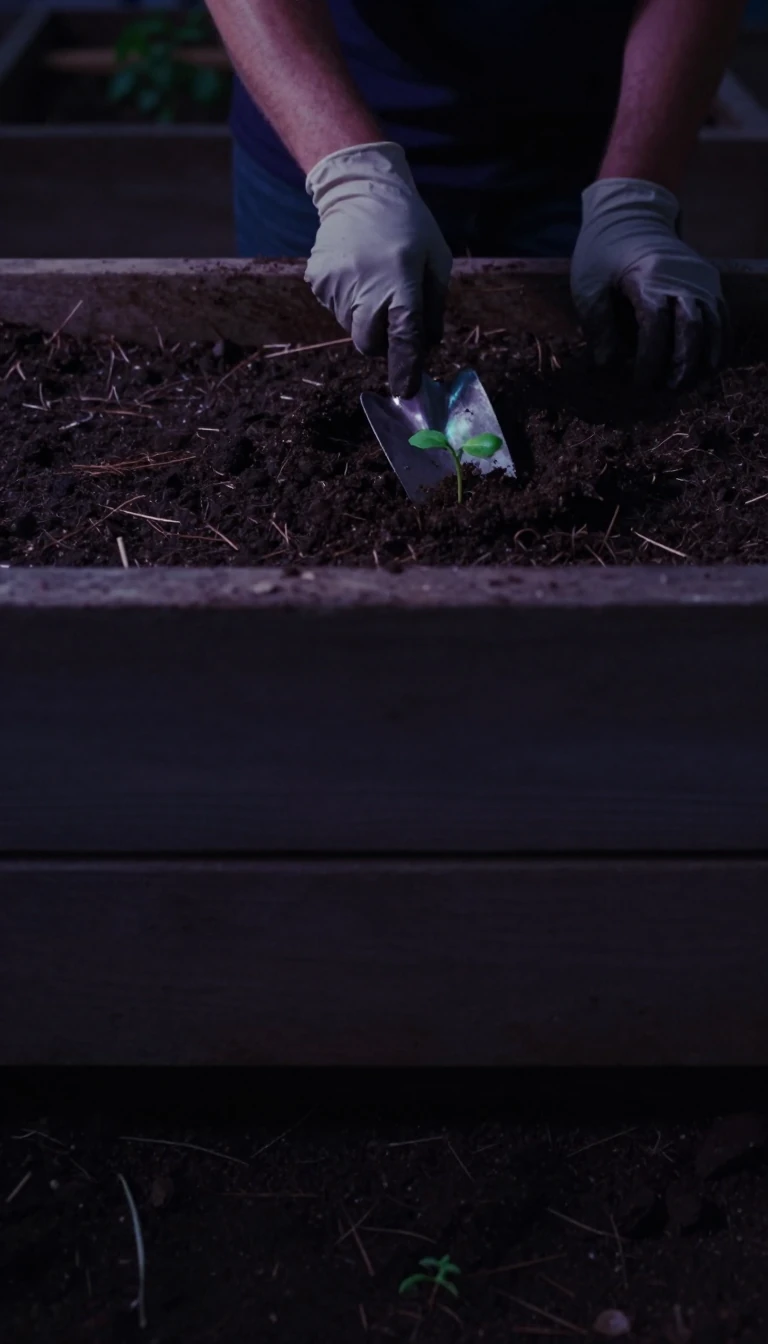 Why a Han Chinese plough needed two oxen while Europe's needed up to eightBefore the 18th century, a European farmer might hitch four, six or even eight draught animals to one plough. In Han China, two usually sufficed, and later just one. The differenc…
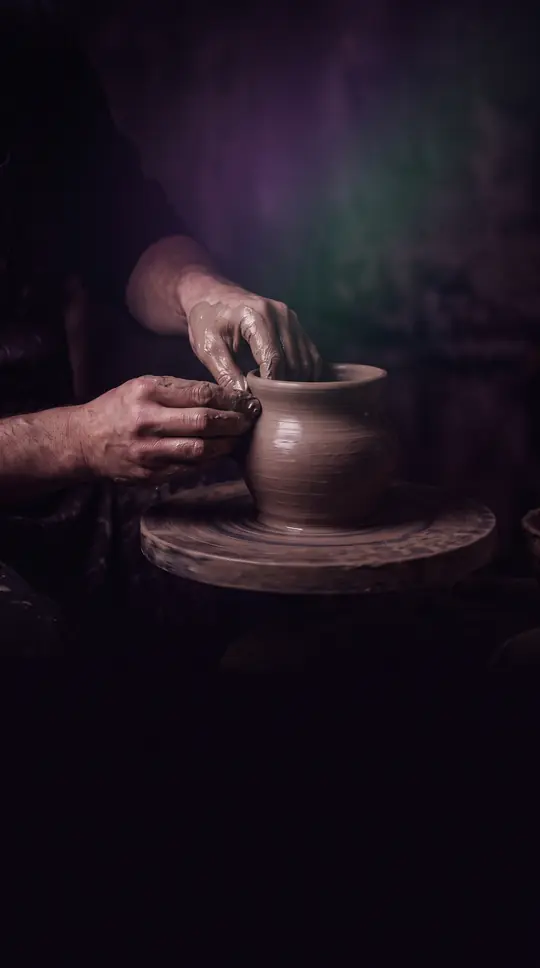 Most potter's wheels spin counterclockwise, except in Japan, and there may be an ancient reasonWalk into almost any pottery studio and the wheel turns counterclockwise, with the right hand shaping the outside of the pot. Japanese potters traditionally do the reverse. One th…
 Count the ropes on a pulley block and you know how much it multiplies your strengthPlutarch tells how Archimedes, using a set of compound pulleys, drew a fully loaded ship toward himself as smoothly as if it floated on calm water. The trick behind that feat is a…
 The humble rake: pig-demon weapon, lucky charm, and slapstick's favourite trapIn Journey to the West, the pig-faced pilgrim Zhu Bajie fights with a nine-toothed rake. Japanese markets sell decorated rakes each November to scoop in good fortune. Russians war…
 In 1922 a home refrigerator cost more than a brand-new Model T FordOne 1922 refrigerator, with a wooden cold box, a water-cooled compressor and a single ice tray, sold for 714 dollars. A Model T Ford that year went for about 476. Its motor sat in…
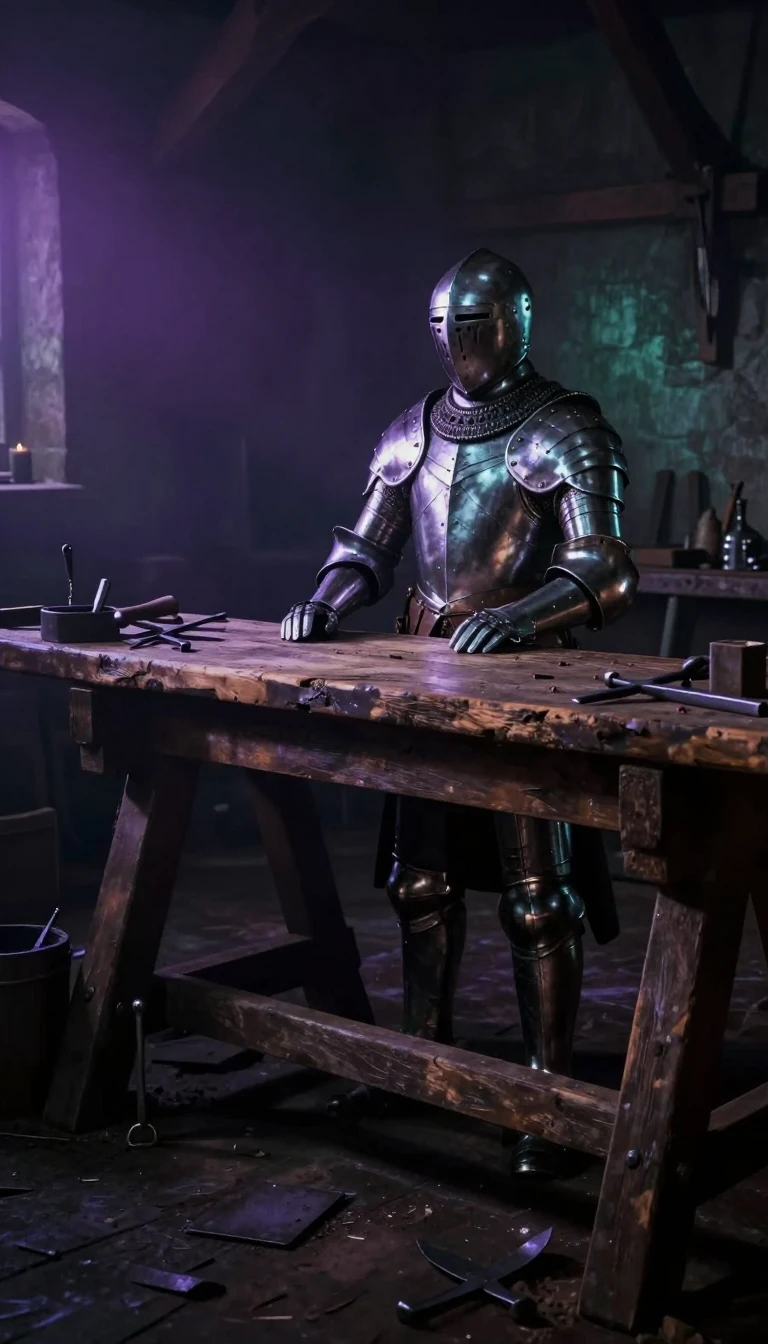 Red-hot rivets once flew through the air on every steel building siteOld steel frames were stitched together by four-person gangs. One heated rivets until they glowed cherry red, near 900 degrees Celsius, then tossed them with tongs to a catcher ho…
 The pencil owes its lead to a guarded Cumbrian mine that was never leadAround 1565, people near Seathwaite in Cumbria found a deposit of graphite so pure and solid it could be sawn into sticks. Nobody knew what it was, so they called it plumbago, lea…
 Measuring brightness once took nothing more than paper and a grease spotPut a spot of oil on a sheet of paper and it turns slightly translucent. Hold it between two lamps and slide it along until the spot seems to vanish from both sides: now each face…
 Egyptian blue, the first human-made colour, vanished for centuriesMore than five thousand years ago, Egyptian craftsmen heated quartz sand, lime and a copper mineral such as malachite together and created a brilliant blue that nature never suppl…
 Why a half-inch pipe measures nothing like half an inchMeasure a half-inch iron pipe and you will find no dimension that is actually half an inch. Early pipes of that name did have a half-inch bore, but thick walls. As metal got bette…
 The woodworker's plane has barely changed since Roman PompeiiThe oldest known woodworking planes come from Pompeii, and a carpenter today would recognise them at once: a body with a slot through the middle, a blade angled down to its sole, …
 The unpickable lock that sat in a London shop window for 67 yearsFrom 1790, Joseph Bramah kept a lock in his Piccadilly shop window with a standing offer of 200 pounds to anyone who could pick it. Nobody managed it for over six decades. Then, a…
 Every woven cloth comes from the same three moves, repeated endlesslyWhether it is a stick frame in a nomad's tent or a powered factory machine, a loom has one core job: keep a set of lengthwise threads tight so a crosswise thread can weave over an…
 The Central American cane knife that became a Connecticut brand nameAcross Latin America a good machete was once simply called un collin, after a company in Collinsville, Connecticut. Founded in 1826 to make axes, Collins and Company sold its firs…
- From the blacksmith's hammer to a machine that bends metal with 3,000 tonsThe back plate of your computer case was almost certainly shaped by a press brake, a machine that folds sheet metal with forces reaching 3,000 tons and, under computer control, la…
 Why stop-motion animators love clay that never dries outLeave a lump of ordinary pottery clay out and it hardens as its water evaporates. Oil-based modelling clay does not, because oil stays put. That simple difference keeps it soft fo…
 Nails were once so precious that colonists burned houses to recover themIn colonial Virginia, families moving on would sometimes set fire to the house they were leaving, then sift the ashes for its nails. Iron nails were scarce and costly, mostly made…
- Standard nuts and bolts let the Crystal Palace rise in 190 daysFor centuries each nut was made to fit one particular bolt, and no other. Lose one and you had to make a replacement by hand. Then, in 1851, the builders of London's Crystal Palac…
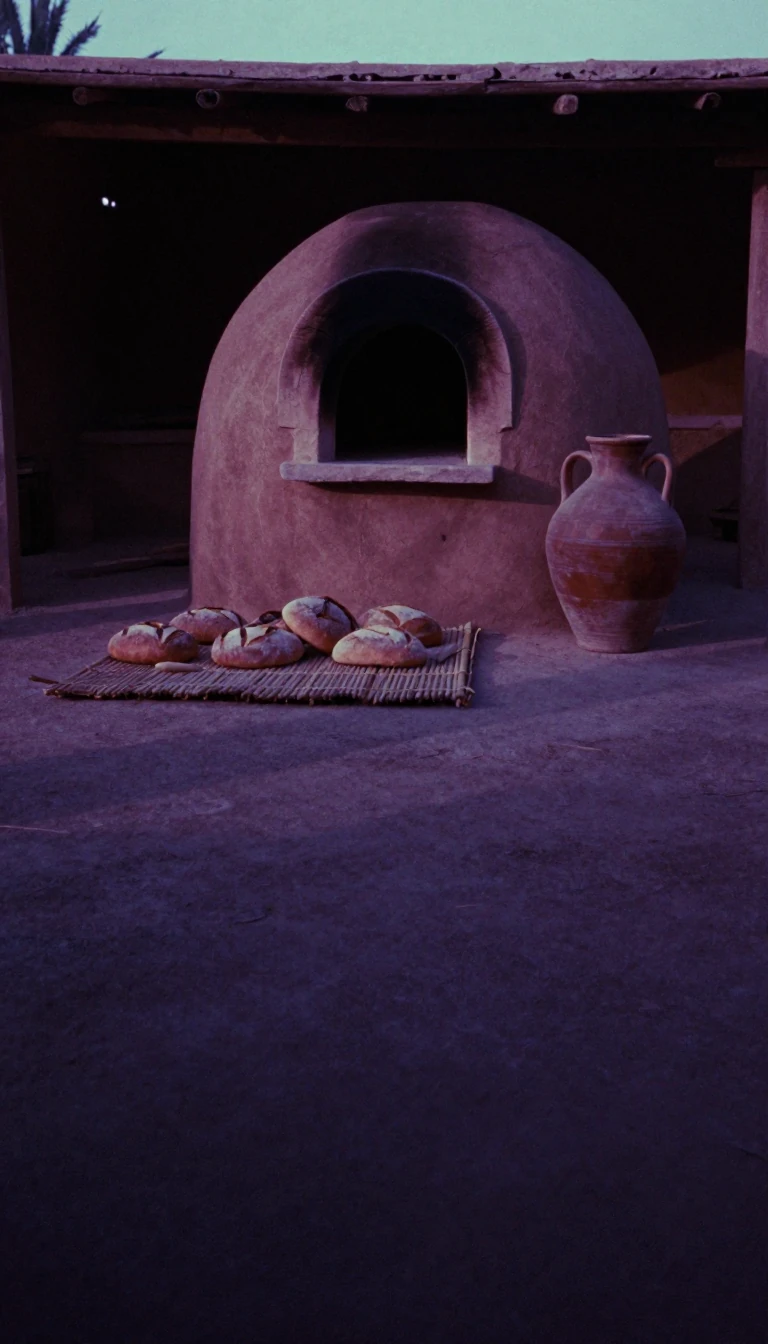 The first ovens were pits for roasting mammoth 31,000 years agoLong before bread, kitchens or even farming, people in Central Europe were cooking mammoth in roasting and boiling pits dug inside their shelters, around 29,000 BC. An oven, at he…
 A 100,000-year-old paint kit and the long road to the tinIn Blombos Cave in South Africa, archaeologists found an ochre mixture about 100,000 years old that could have served as paint, and later a whole kit for grinding pigments. For mo…
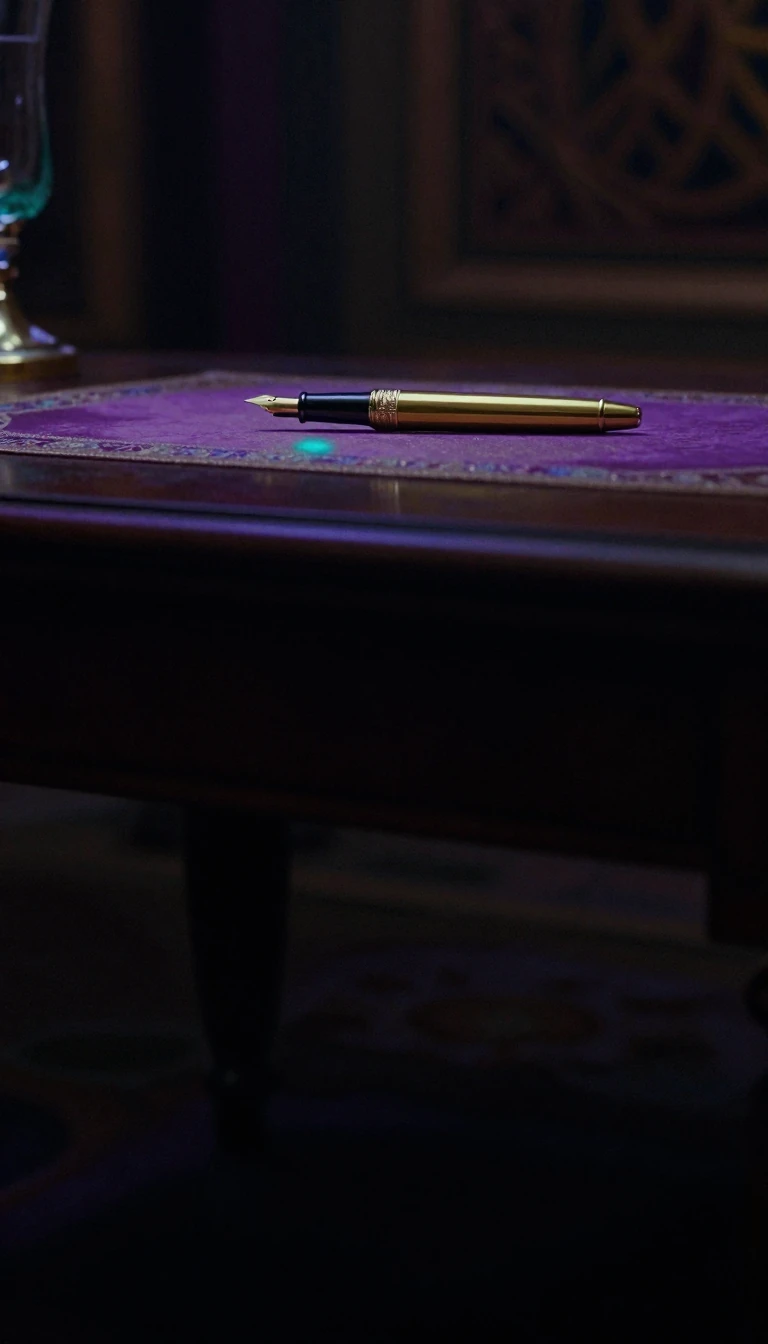 A tenth-century caliph asked for a pen that would not stainIn 953, the Fatimid caliph of Egypt, al-Mu'izz, demanded a pen that would not dirty his hands or clothes. His craftsmen delivered one that stored ink inside and fed it to the nib,…
- Every knot you tie makes your rope weakerTie a knot in a rope and pull until something gives: the break almost always comes at the knot or right beside it. The bends and pinches that hold a knot together stress the fibre…
 The lathe spins the work, not the tool, and built the machine ageMost tools move while the material sits still. A lathe does the opposite: it spins the workpiece and lets a fixed tool carve it, producing anything round, from bowls and baseball …
- How an 1830 grass-cutting machine helped write the rules of modern sportBefore 1830, a smooth lawn meant a scythe or a flock of grazing animals. Then Edwin Budding of Stroud patented a push-along machine with a spinning cylinder of blades. Its even, c…
- Seesaws, tweezers and the bones in your ear all obey one ruleA lever is nothing more than a rigid bar turning on a pivot, yet it lets a small push lift a heavy load. The trade is distance: the end you press travels further than the end doin…
 The ramp was the last simple machine anyone admitted was a machineAncient Greek thinkers named five simple machines and left out the ramp, even though people had been dragging heavy loads up slopes since prehistory. As late as 1826 Karl von Lang…
 The favourite ink of medieval scribes is slowly eating Bach's original scoresFor centuries iron gall ink, brewed from iron salts and tannin from tree galls, was considered the finest ink available. It is also acidic. About a quarter of the Johann Sebastian…
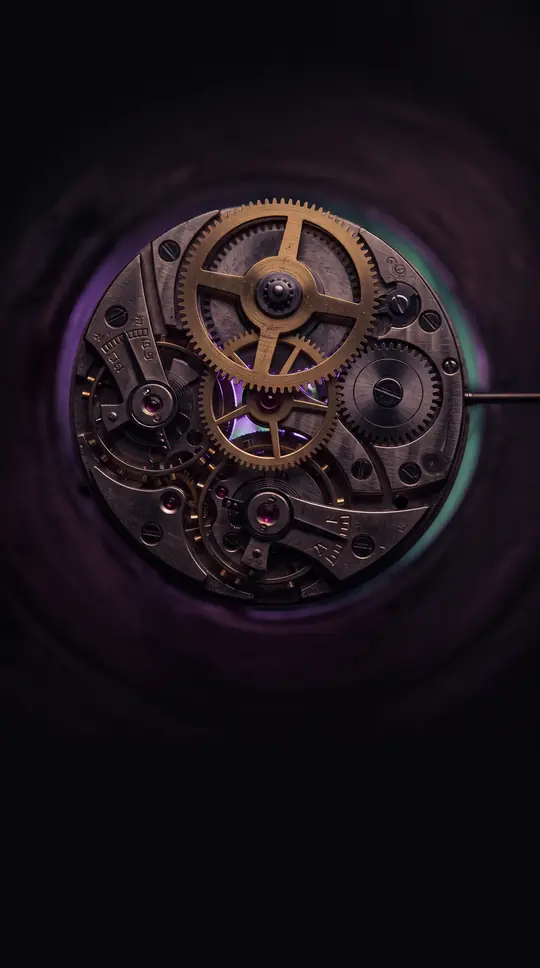 From a pharaoh's water clock to the 4-20 milliamp signal running factoriesIn 1663 Christopher Wren showed the Royal Society a design for a weather clock, with sensors steering pens across paper driven by clockwork. Meteorologists ignored the idea for ab…
- How a buried valve, a plunger and a rubber diaphragm switch on your lawn sprinklersWhen an underground sprinkler zone springs to life, the trigger is tiny. A magnetised solenoid lifts a small stainless steel plunger, letting water bleed off the top of a rubber d…
 Two young engineers, unaware of each other, raced to build the first jet engineFrank Whittle, an RAF College Cranwell cadet, put his turbojet idea to his superiors in 1928 and patented it in 1930, but could not get the British government interested. In Germa…
- A socialite tired of chipped china built the first dishwasher that caught onJosephine Cochrane was wealthy enough to have servants, and that was her problem: they kept damaging her good china while washing it. In 1886, working with a mechanic in her tool …
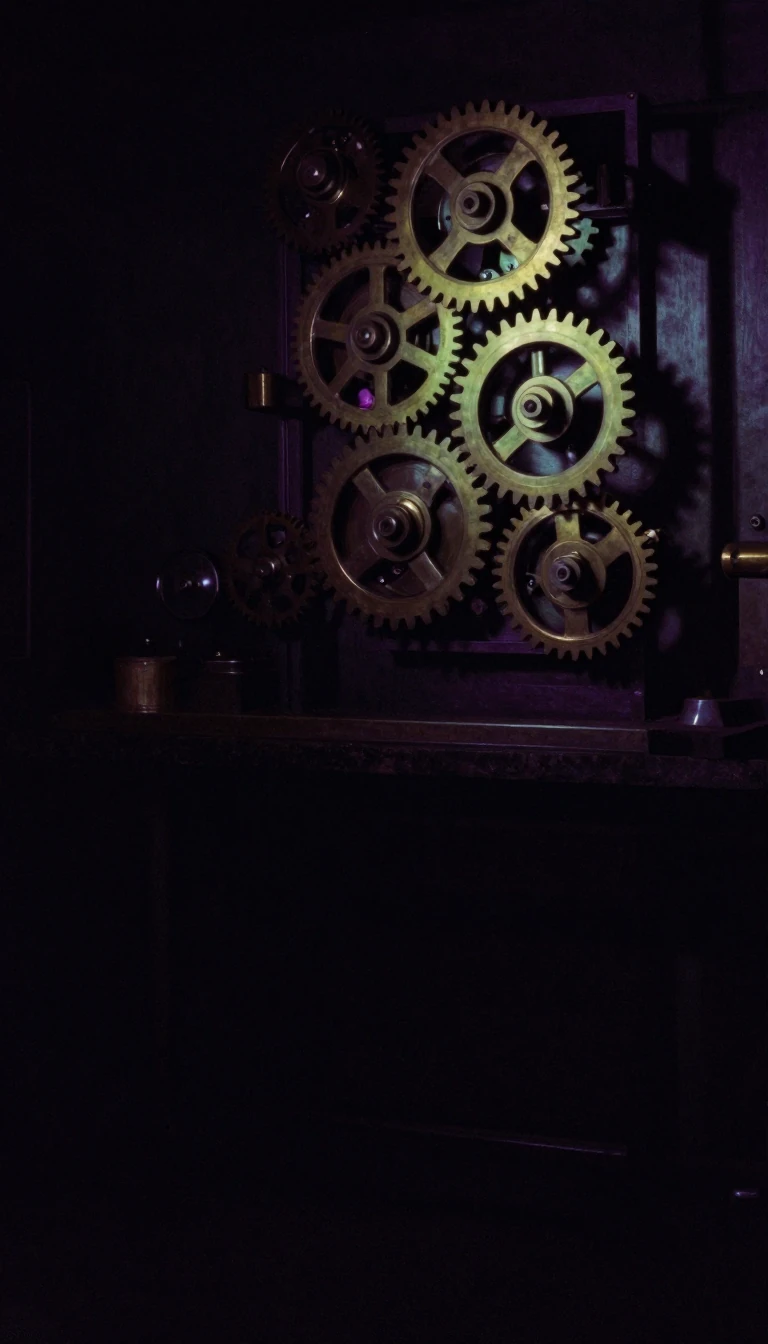 Gun barrels, curling stones and shaking bits: the hidden craft of drilling holesA gun drill can bore a hole more than 300 times deeper than it is wide and stay dead straight. The trick, first worked out for rifle barrels, is a bit that centres itself, riding …
- A wire circling a magnet in mercury started a century of electric motorsDown in the Royal Institution's basement on 3 September 1821, Michael Faraday hung a wire into a pool of mercury with a magnet in it. When current flowed, the wire swept around th…
 Why the wires inside your cables are twisted, braided, tinned and wrappedTake a pair of wires, clamp one end in a hand drill and spin it while keeping the line taut. The result is a twisted pair, one of the simplest defences against electrical interfer…