 Intellect Plus
Media and communication
141 cards. Each one is a 40-second story with a five-minute read behind it. Page 3 of 3.
 Broadcasting borrowed its name from farmers flinging seed across a fieldLong before radio, to broadcast meant sowing seed by scattering it widely by hand. The word later stretched to cover spreading news through print and telegraph, and by 1898 it des…
 Cable television began with antennas on hilltops feeding towns that mountains cut offIn 1948, rural American communities hidden behind hills could barely pull in a television picture. The fix was blunt: raise one enormous antenna on high ground, taller than anyone…
 Retro gamers still hunt old tube televisions because light guns refuse to work without themFlat screens replaced bulky picture tubes years ago, yet some players still haul the old sets home. Light guns in classic games work only with cathode ray tubes, because they depe…
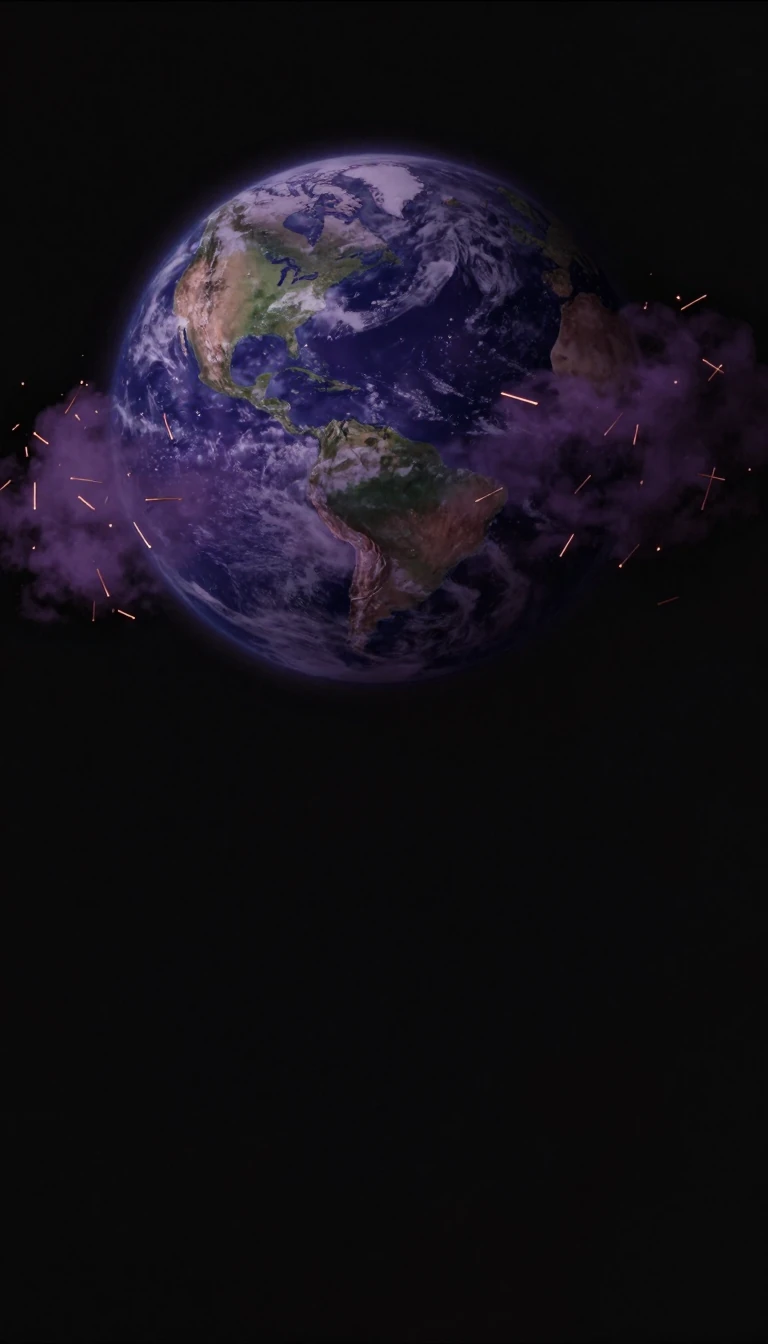 Engineers once scattered 350 million copper needles in orbit to bounce radio signalsBefore satellites could reliably amplify signals, engineers tried simply reflecting them off something up high. The Moon served as one mirror. Another experiment, Project West For…
 The 160-character text limit came from an engineer counting letters at homeIn 1984, Friedhelm Hillebrand of Deutsche Telekom sat at his home typewriter writing random sentences and tallying every letter, digit, space and punctuation mark. Nearly every me…
 How the humble book, folded from awkward scrolls, won the ancient worldFor centuries the written word came rolled up, and finding a passage near the far end meant winding through everything before it. The fix was to fold the roll into pages and bind …
- A dial-up modem was secretly playing a very fast tune to send dataOld telephone lines were built for voices, not for zeros and ones, so computers talked over them by singing. A modem turned pairs of bits into distinct tones, like an instrument w…
 The oldest recordings of a human voice waited 150 years to be heardIn 1857 a Parisian inventor captured sound waves as wavy lines scratched through soot on paper. His machine could record but never play back; it was meant only for looking at soun…
 HAL's dying song in 2001 came from a real Bell Labs computer demoIn 1961 an IBM 7090 at Bell Labs sang Daisy Bell in a synthetic voice. Arthur C. Clarke happened to be visiting a friend there and heard it. He was so struck that he wrote the mom…
 Great Wall smoke signals could warn of armies but never spell a wordChinese signallers on the Great Wall threw wolf dung onto fires to make dark smoke by day, and by the Tang dynasty a warning could travel 1,100 kilometres in a single day. Impress…
 Fifteen years before Bell, a German inventor's phone said the horse won't eat cucumber saladIn October 1861 Johann Philipp Reis showed the Physical Society of Frankfurt a device that turned a voice into electrical signals, and used it to transmit a deliberately odd sente…
- Why a satellite dish never moves, and why rain can blank the pictureA satellite dish bolted to a wall can stay pointed at one spot forever because the satellite it listens to circles Earth exactly as fast as the planet spins. Parked about 36,000 k…
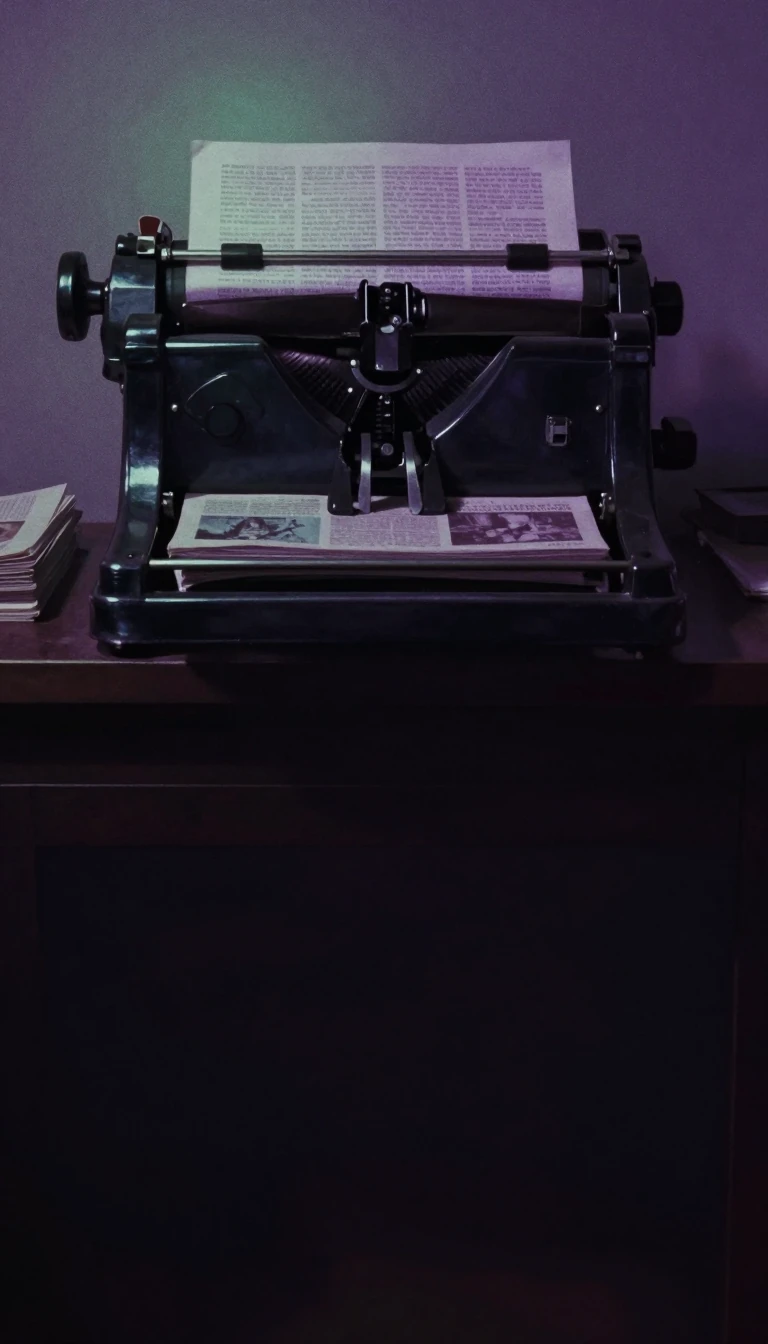 Charles Babbage designed a computer printer that waited until 2000 to be builtThe first computer printer was designed in the 19th century by Charles Babbage, as a mechanical output for his difference engine. Nobody actually built it until 2000. He also sket…
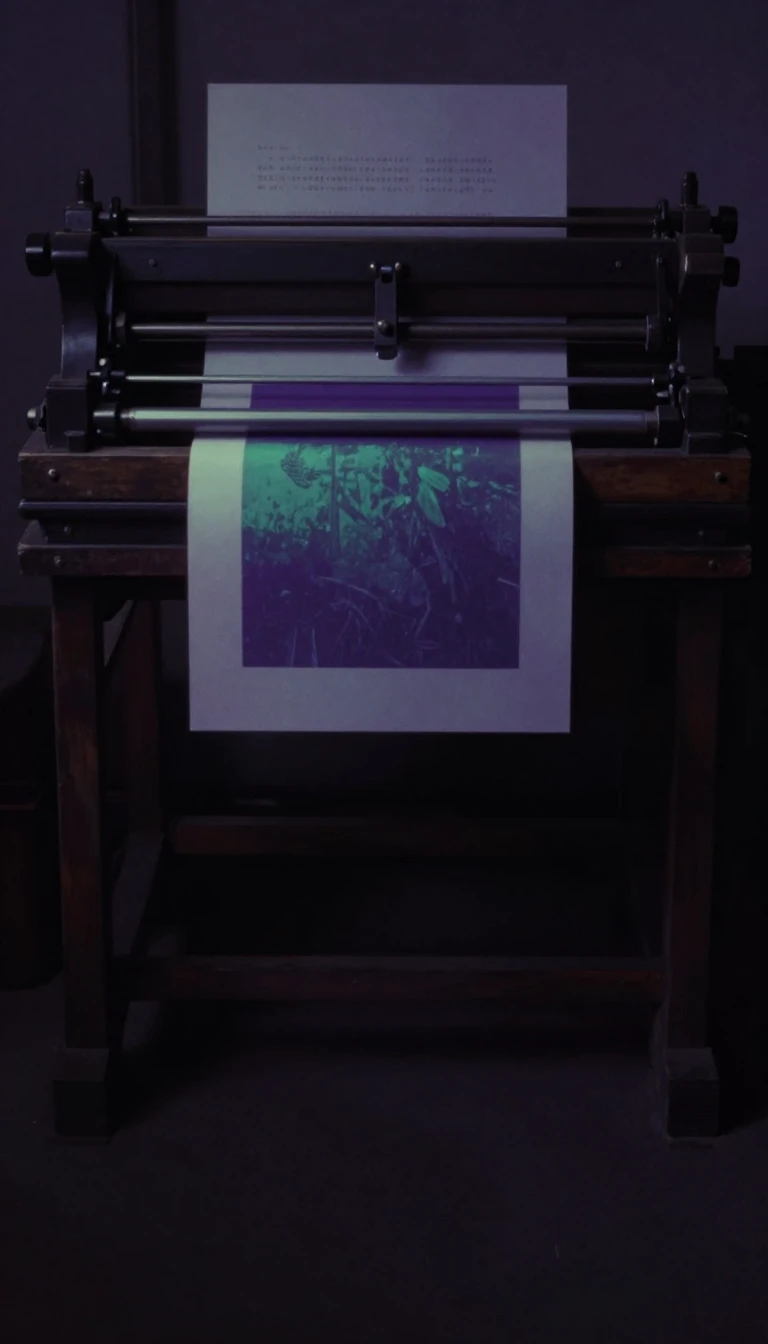 Medieval tricksters secretly printed amulets and sold them as handwrittenBetween roughly 900 and 1444, street magicians across the Islamic world known as the Banū Sāsān printed amulets bearing Quranic verses from wooden and tin blocks. They kept the me…
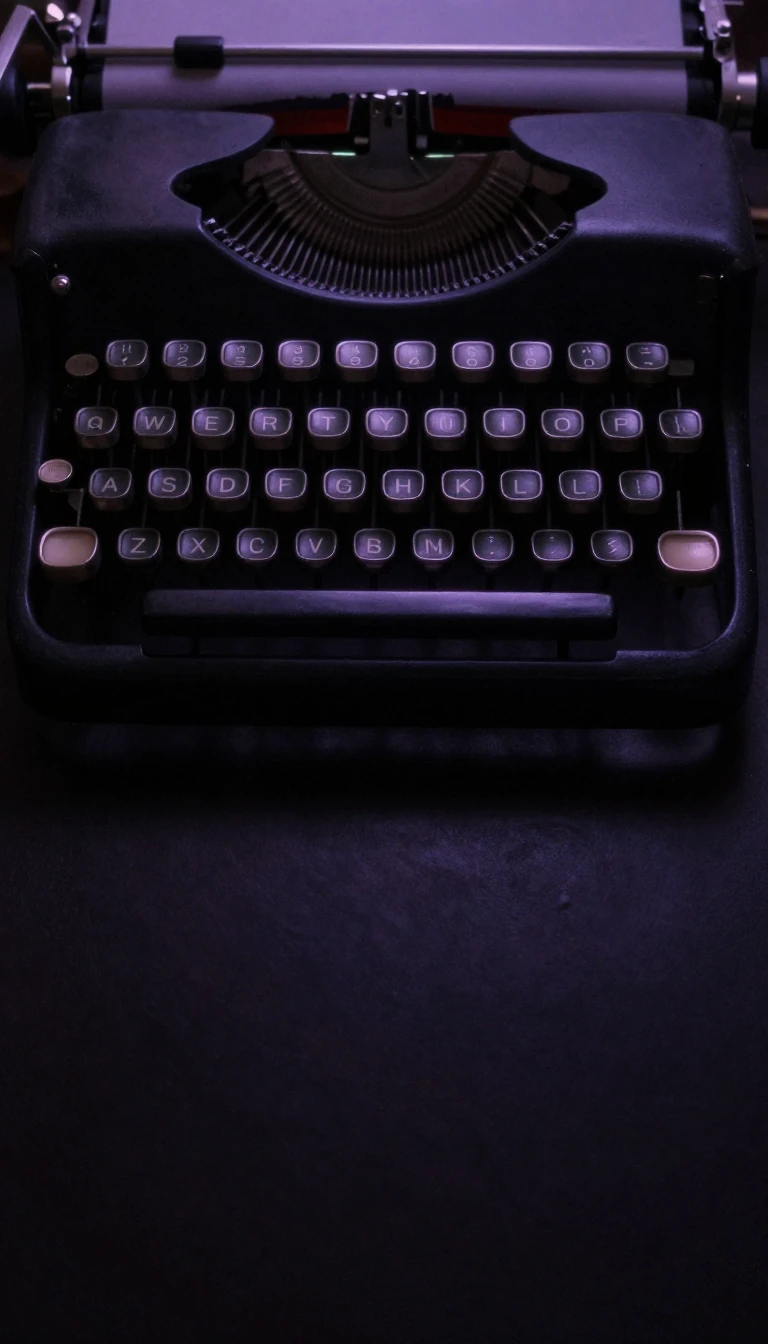 Gutenberg's genius was combining four old inventions, including a wine pressThe printing press that transformed Europe around 1440 was built largely from borrowed parts: a Roman-era screw press used for grapes and olives, movable type, the book format and…
 The word radio started as a label on telegrams before meaning broadcastsIn December 1904, the British Post Office told telegraph operators to mark messages sent without wires with the word radio. Two years later an international convention in Berlin m…
- Before radio stations, Europeans heard the news down telephone linesLong before radio, some European cities had telephone newspapers that piped news and entertainment to paying subscribers. They could bill every listener but reached only one town,…
- The photocopier was born in a kitchen and rejected by IBMChester Carlson, a patent attorney with arthritis, hated copying documents by hand, so he experimented in his kitchen. In 1938 he made the first photocopy, the words 10-22-38 Asto…
 Podcasts had a 1965 ancestor: sales lessons on cassette for the carIn 1965 the scriptwriting firm Storycraft made hour-long audio programmes on then-new Philips cassettes so Westinghouse salespeople could learn while driving. Called Salespoint, i…
 British stamps still carry no country name, a privilege of going firstEvery nation's postage stamps must name the issuing country, with one exception: the United Kingdom. Britain launched the idea on 1 May 1840 with the Penny Black, bearing Queen Vi…
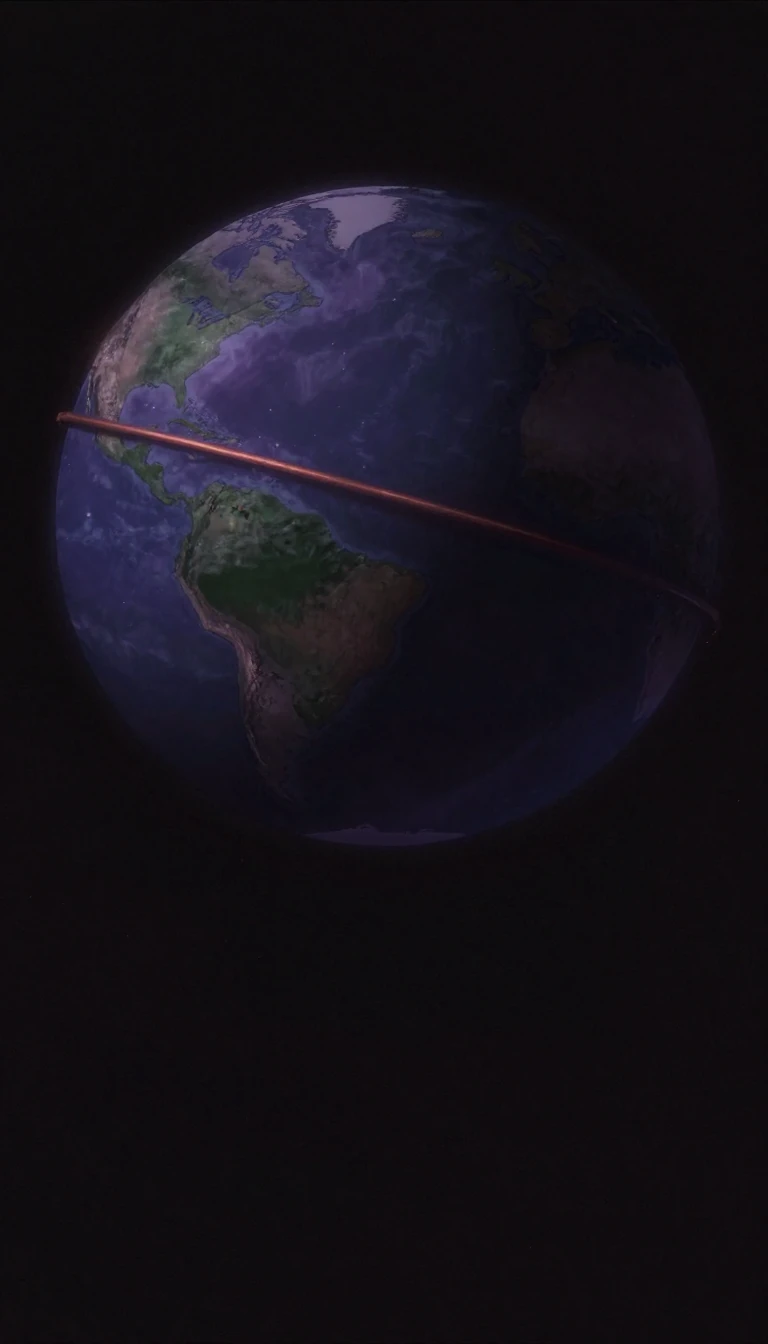 From 2-kilogram bricks to global ubiquity: the evolution of the cellular networkIn 1973, the first handheld mobile phone weighed about 2 kilograms and required a massive battery. Today, mobile subscriptions exceed 9.1 billion. How did we transition from manua…