 Intellect Plus
Media and communication
141 cards. Each one is a 40-second story with a five-minute read behind it. Page 2 of 3.
 Why the quest for high-definition television was a century-long race for bandwidthHigh-definition television is not a single invention, but the result of a century-long struggle to pack more detail into limited broadcast spectrum. From mechanical systems with 3…
 Is high fidelity a measurable scientific standard or just a subjective audiophile dream?High fidelity promises sound reproduction so accurate it mimics a live performance. Yet, the pursuit of this perfection has sparked decades of debate. While engineers rely on blin…
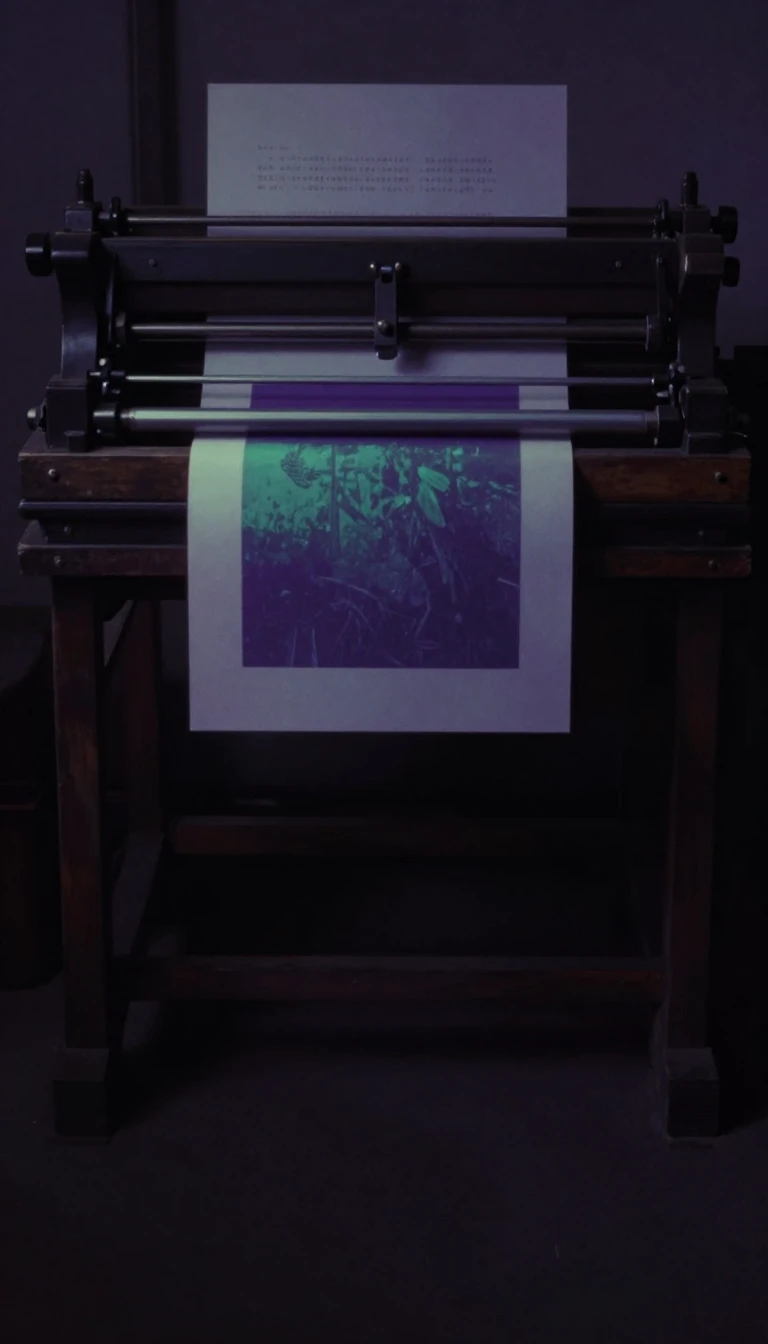 Why the year 1500 marks the mysterious cradle of the printed bookThe term incunabula refers to books printed during the infancy of typography, specifically between the 1450s and January 1501. While this cutoff date is technically arbitrary, it …
 From office documents to 3D printing: the hidden physics of inkjet technologyInkjet printing is more than just spraying ink on paper. By manipulating fluid surface tension and electrical charges, this technology can deposit everything from solder paste to …
 How Japan’s Digital Broadcasting Standard Conquered Global Markets Beyond Its Own BordersIntegrated Services Digital Broadcasting, or ISDB, is the Japanese standard for digital television and radio. Since its 2003 debut, it has replaced older analog systems across Sou…
- The slow death of the landline: why your home phone is becoming a relicOnce the backbone of global communication, the humble landline is rapidly disappearing. As mobile networks and broadband-based voice services take over, the copper wires that defi…
- Before the printing press, the world was built on the labor of the handFor centuries, every book, law, and letter was a unique, hand-wrought object. From fragile papyrus scrolls to elaborate illuminated codices, these manuscripts were the primary ves…
 Before pixels, television relied on spinning metal disks and beams of light.Long before the cathode-ray tube or modern LCD screens, early television was a mechanical marvel. Inventors used spinning disks with spiraling holes to scan images line by line. W…
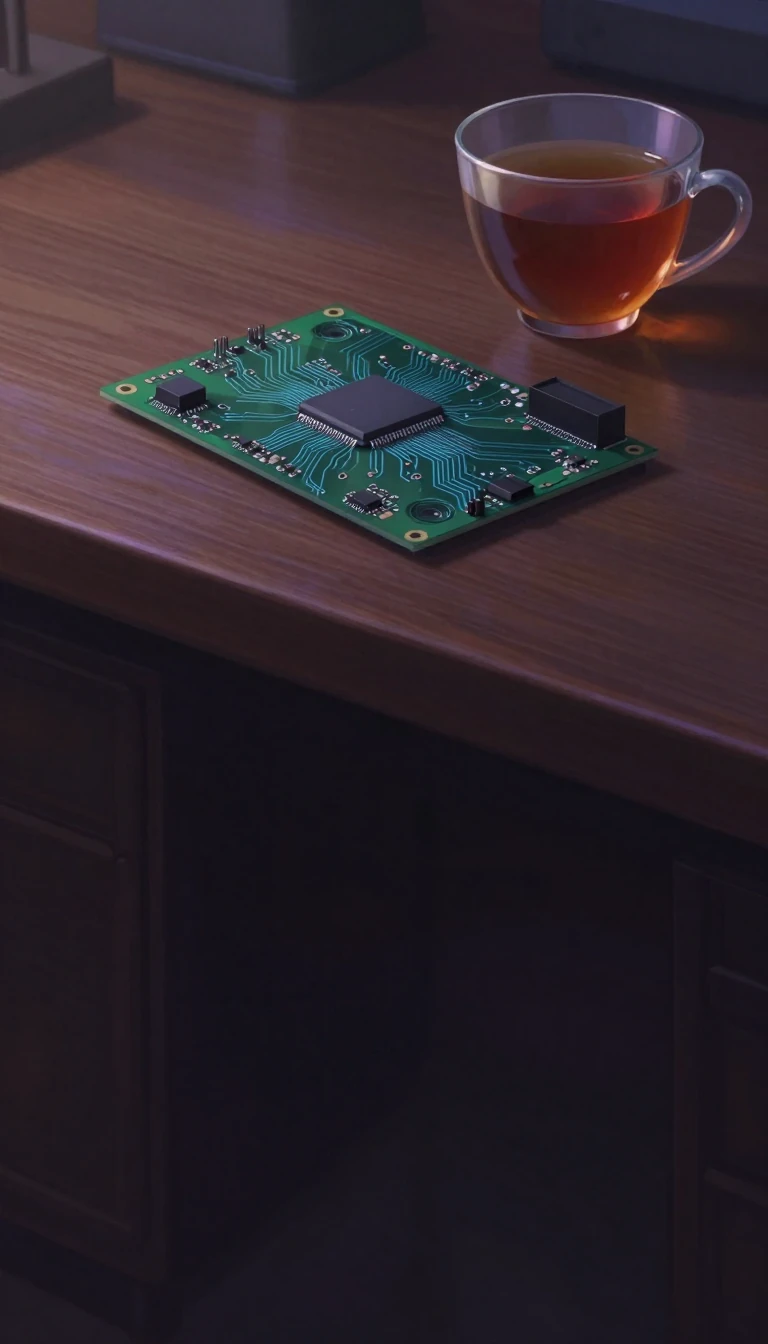 Micro-LEDs promise the ultimate display, but manufacturing them remains a monumental engineering challenge.Micro-LEDs offer superior brightness, durability, and energy efficiency compared to current OLED and LCD screens. While they represent the next generation of display technology, t…
 Why your smartphone can talk to a sticker from four centimeters awayNear-field communication, or NFC, powers everything from contactless payments to instant device pairing. By using magnetic fields rather than radio waves to transmit data over tin…
 How the NTSC standard solved the impossible problem of color television compatibility.When color television arrived, it threatened to render millions of black-and-white sets obsolete. The NTSC standard, adopted in 1953, performed a technical miracle: it hid color i…
- Why the world's most famous television standard was almost named after a breakageDeveloped to fix the color-shifting flaws of the American NTSC standard, the Phase Alternating Line system became the dominant television format across Europe, Asia, and beyond. I…
 How phase modulation encodes the invisible data powering your Wi-Fi and satellite connectionsPhase modulation is the silent engine behind modern digital communication. By shifting the phase of a carrier wave rather than its frequency or amplitude, it allows devices to tra…
 The phonograph was an accidental byproduct of Edison’s work on office communication technology.Thomas Edison is famous for inventing the phonograph in 1877, but the device emerged indirectly from his experiments with telegraphy. While attempting to improve automatic telegra…
- Before the telegraph, the world relied on the natural homing instincts of trained pigeons.Long before digital networks, homing pigeons served as a vital communication backbone. From ancient Roman military campaigns to 19th-century financial markets and besieged cities,…
 How a simple neon tube principle powered the era of the giant flat-screen television.Before OLED took over, plasma display panels defined the high-definition home cinema experience. By trapping ionized gas between glass plates, these screens created vibrant, sharp…
 Before the smartphone, a digital revolution fit in your pocket and changed music forever.The portable media player transformed how we consume sound, evolving from clunky hard-drive prototypes to the sleek devices that defined a generation. While often remembered as a …
- Why the future of publishing is printing only what you actually sellPrint on demand transforms the economics of creation by eliminating the need for bulk inventory. By shifting from traditional offset runs to digital, order-triggered production, b…
 Why your projection screen is more than just a simple white sheetA projection screen is not merely a surface for light; it is a complex optical tool designed to manipulate reflection, contrast, and geometry. From high-gain materials that fight …
 How your radio pulls invisible signals from the air and turns them into soundA radio receiver is an electronic bridge between invisible electromagnetic waves and human experience. By capturing oscillating currents from an antenna, the device filters, ampli…
 How satellite phones bypass terrestrial networks to keep the world connected from anywhereSatellite phones bypass traditional cell towers by connecting directly to orbiting spacecraft. While early models were bulky, modern technology now allows even standard smartphone…
 Why your digital clock uses a clever, low-cost trick to show you the timeThe seven-segment display is a masterpiece of minimalist engineering. By arranging just seven simple bars into a rectangular shape, designers can represent every Arabic numeral. I…
 From six-second loops to trillion-view empires: the evolution of the short-form videoShort-form video has evolved from the fleeting six-second loops of Vine into a global commercial juggernaut. While these vertical clips define modern internet culture for younger …
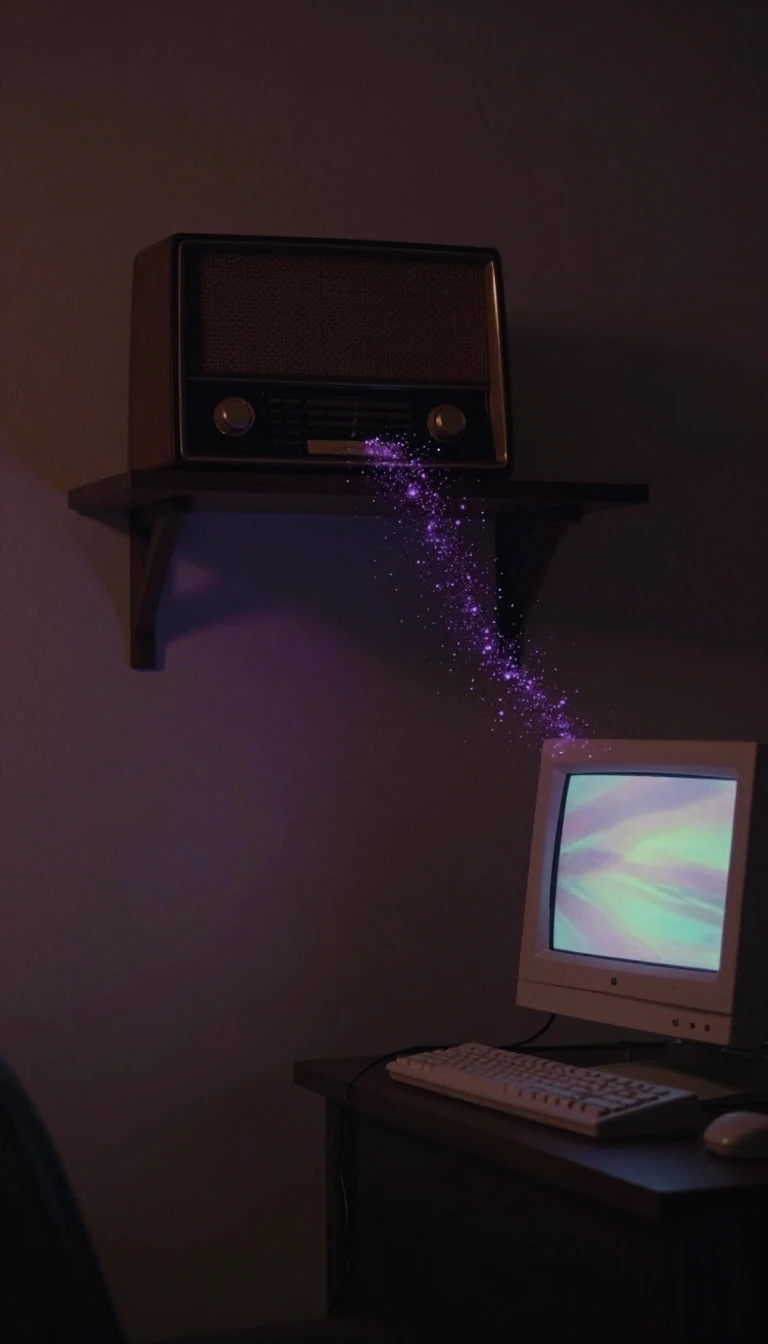 How a discarded radio band became the backbone of global communication and propagandaBefore the internet, shortwave radio conquered the globe by bouncing signals off the atmosphere. Once dismissed as useless by commercial interests, this technology enabled long-di…
 Your smart TV is a powerful computer that may be watching you right back.Smart TVs have evolved from simple broadcast receivers into complex information appliances. By integrating internet connectivity and app-based operating systems, these devices off…
- Software-defined radio turns rigid hardware into flexible, programmable code for global communicationTraditional radios rely on fixed electronic circuits to process signals. Software-defined radio replaces these analog components with computer code, allowing a single device to ad…
 Why the most realistic movie sounds are often complete fabricationsSound effects are rarely about capturing reality. Instead, they are carefully engineered illusions designed to satisfy audience expectations. From frying bacon made of cellophane …
- Why your local paper shop is named after a medieval fixed-location book merchantThe term stationery originated in the 13th century to describe merchants with permanent shops near universities, distinguishing them from itinerant peddlers. While we now use the …
 From Cave Walls to Microchips: The Surprising Versatility of the Humble StencilStenciling is far more than a simple craft project. This ancient technique, dating back over 35,000 years, has evolved from blowing pigment over hands in prehistoric caves to defi…
 Why your subwoofer is the secret to feeling music in your bonesA subwoofer does more than just add volume; it reproduces the fundamental tones of thunder, explosions, and deep bass that standard speakers simply cannot reach. By offloading the…
- How a clever frequency shift conquered the chaos of early radio broadcastingBefore the superheterodyne receiver, tuning a radio was a frustrating, multi-knob ordeal. By shifting incoming signals to a fixed intermediate frequency, this design separated tun…
 How the humble telephone evolved from manual switchboards to a global digital networkTelephony began as a manual task for switchboard operators connecting physical wires. Today, it is a sophisticated digital infrastructure driven by silicon chips and internet prot…
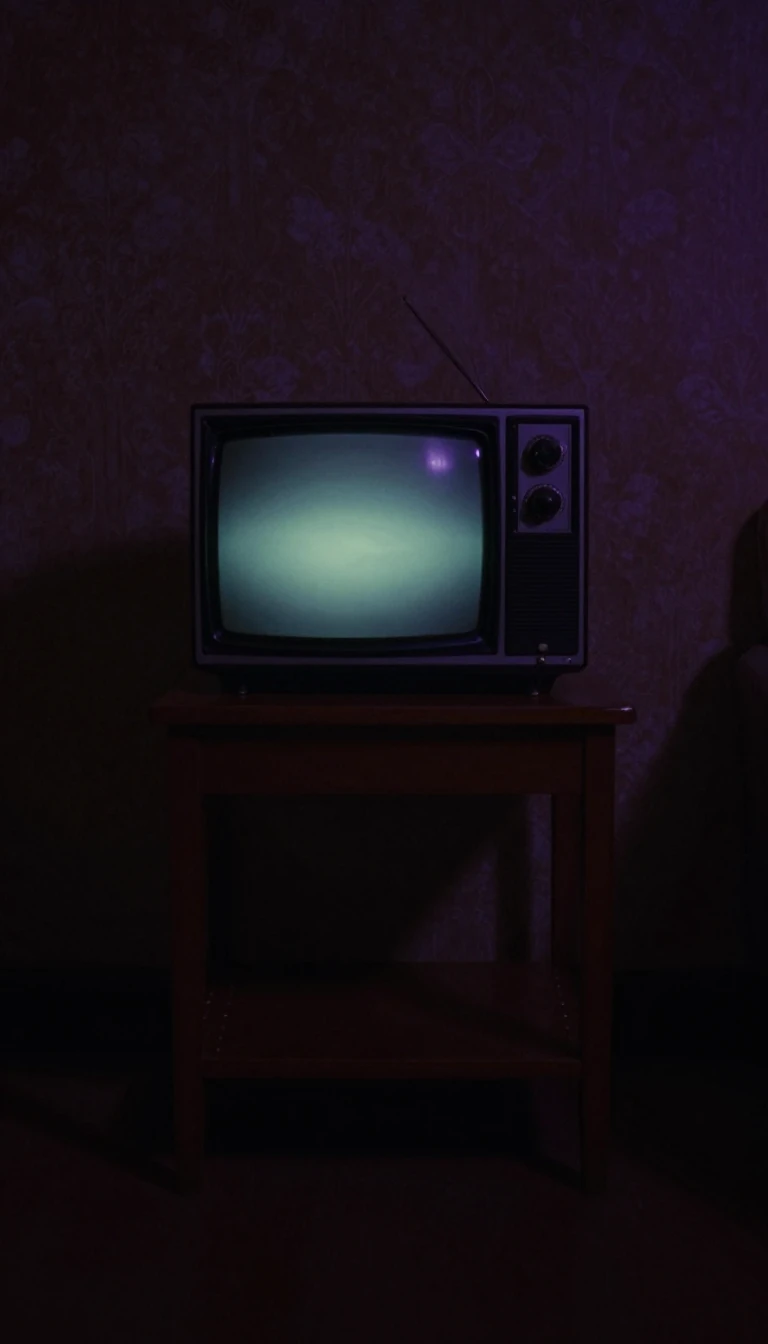 From bulky wooden cabinets to rollable screens, the evolution of the television setThe television has transformed from a mechanical curiosity into a dominant household fixture. Once a bulky piece of furniture requiring lead glass for safety, it has evolved throu…
 Why billions still rely on the invisible radio waves of terrestrial televisionWhile streaming dominates the modern media landscape, terrestrial television remains a global powerhouse. Transmitted via radio waves from Earth-based stations, this original broa…
- How the transistor radio shrank the world and birthed the youth culture eraBefore the 1950s, portable radios were heavy, fragile, and required bulky batteries. The invention of the transistor changed everything, allowing electronics to fit into a shirt p…
 How a simple electronic circuit turns electricity into invisible waves that carry our world.A transmitter is the unsung workhorse of modern life, converting electric power into radio waves to beam everything from your phone calls to garage door signals. By modulating a c…
- The tuner is the unsung gatekeeper that turns invisible radio waves into audible sound.A tuner does more than just find a station; it acts as a precise filter, isolating a specific frequency while discarding unwanted noise. From the simple crystal sets of the 1920s …
- Why your computer's font menu is a direct descendant of 19th-century metal castingTypesetting once required manual labor, where workers physically arranged backwards metal letters into trays. Today, this craft has evolved into digital code, yet the core princip…
- Why your eyes might not actually see the difference in 4K televisionUltra-high-definition television promises breathtaking clarity, but human biology imposes strict limits. At typical home viewing distances, the human eye often cannot distinguish …
- How a magnetic ribbon revolutionized television and changed how we watch the worldBefore videotape, television was almost entirely live. The invention of the practical videotape recorder in 1956 allowed broadcasters to shift schedules and preserve history. This…
- Why the videophone was a billion-dollar flop before it became our daily realityFor decades, the videophone was a futuristic dream that consistently failed to find an audience. Despite massive corporate investment and early demonstrations, the technology stru…
- How a 1930s speech synthesizer became the secret backbone of modern digital communication.Invented at Bell Labs to conserve bandwidth, the vocoder analyzes the human voice by breaking it into frequency bands and transmitting only the essential parameters. This process,…
- The walkie-talkie was a secret wartime innovation that redefined portable two-way communication foreverBorn from clandestine World War II research, the walkie-talkie evolved from heavy, backpack-mounted military gear into a ubiquitous tool for industry and play. These half-duplex d…
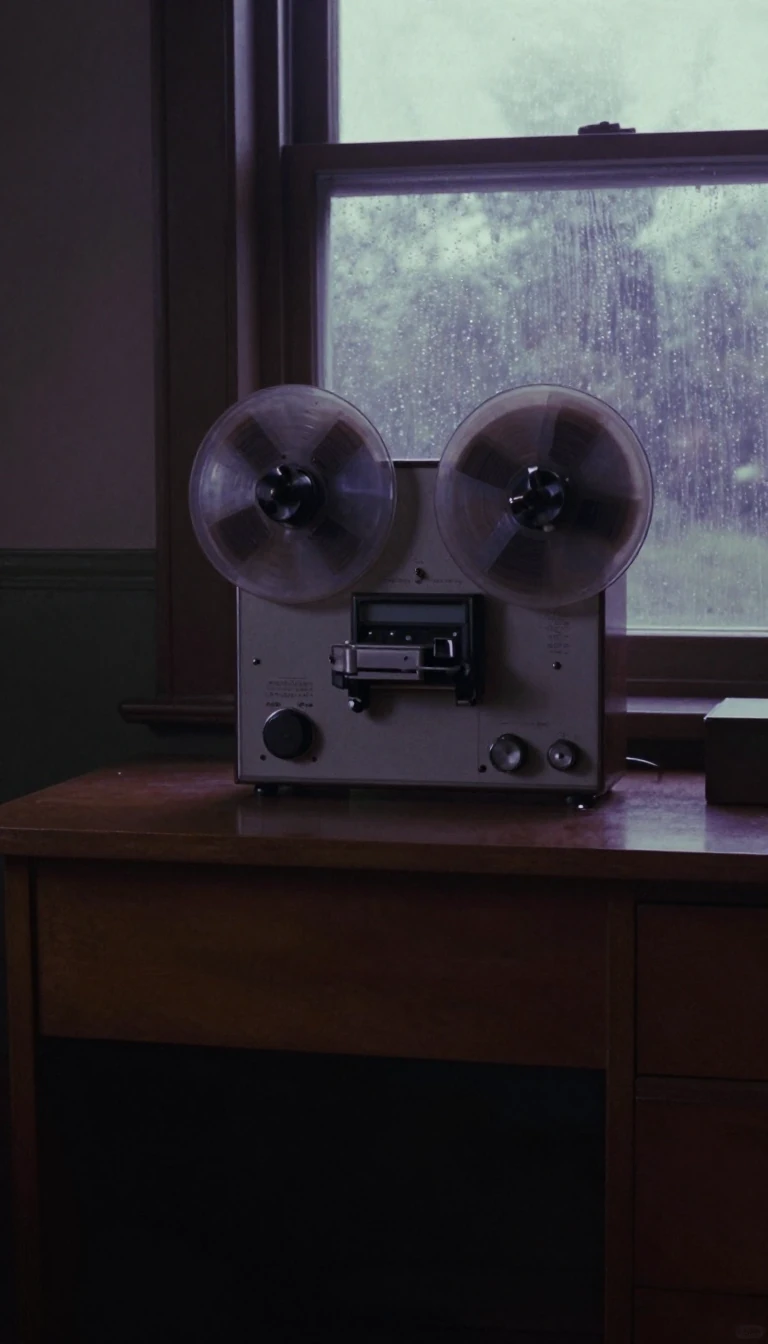 How a modified journalist's recorder transformed global music consumption and created the Walkman effect.In 1979, Sony transformed a bulky professional tape recorder into a portable stereo, sparking a cultural revolution. By enabling private, mobile listening, the device fundamentall…
- Wireless technology is far older than the digital revolution of the 1990s.While we associate wireless with modern Wi-Fi and smartphones, the quest to transmit information without cables began in the 1880s. From light-beam telephones to induction telegra…
 Can media be truly public without being commercial or political?Public broadcasting operates on a paradox: it must serve the people without being owned by them, and without selling out to advertisers. By prioritizing social benefit over profit…
 How a "singer in a box" transformed the music industryImagine a performer who never tires, never misses a note, and exists entirely as code. Since its 2004 commercial debut, Vocaloid has turned singing into a digital art form, allowi…
- The invisible architecture of sound that surrounds youBefore modern home cinemas, sound was trapped in front of the audience. Today, sophisticated multi-channel arrays trick your brain into perceiving depth and direction, turning a f…
 Before the internet connected the world, it had to learn to connect the room.A local area network (LAN) is the digital infrastructure that binds computers in a single building. While we now take seamless connectivity for granted, the early days of networki…
 How a small North Carolina college transformed into a nationally recognized, selective universityFounded in 1889, Elon University evolved from a regional religious college into a selective institution with national reach. By prioritizing academic standards and strategic growt…
 From Ancient Beacons to Modern Code: The Enduring Logic of Semaphore CommunicationBefore the internet, global communication relied on a sophisticated visual language. Semaphore—the art of transmitting signals through light, flags, and mechanical arms—bridged va…
 Ancient Greek actors amplified their voices with horn-mouthed masksIn fifth-century BC Greece, theatre masks had horn-shaped mouth openings that acted as acoustic megaphones, pushing actors' voices across open-air amphitheatres. More than two tho…
- Many of the earliest typewriters were built so blind people could writeAround 1802 in Italy, Pellegrino Turri built a writing machine for his blind friend, Countess Carolina Fantoni da Fivizzano. It was far from alone. Inventors in Britain and Americ…
- John Logie Baird recorded television in 1927 that nobody could watch for decadesIn 1927 John Logie Baird captured television pictures on discs he called Phonovision, the first somewhat successful attempt to record video at all. No machine of the day could pla…
- The inventor of holography fought a years-long patent war over flat TV screensIn 1958 Dennis Gabor, later famous for holography, patented a flat cathode-ray tube so similar to William Aiken's design that the two spent years in court. By the time the rulings…
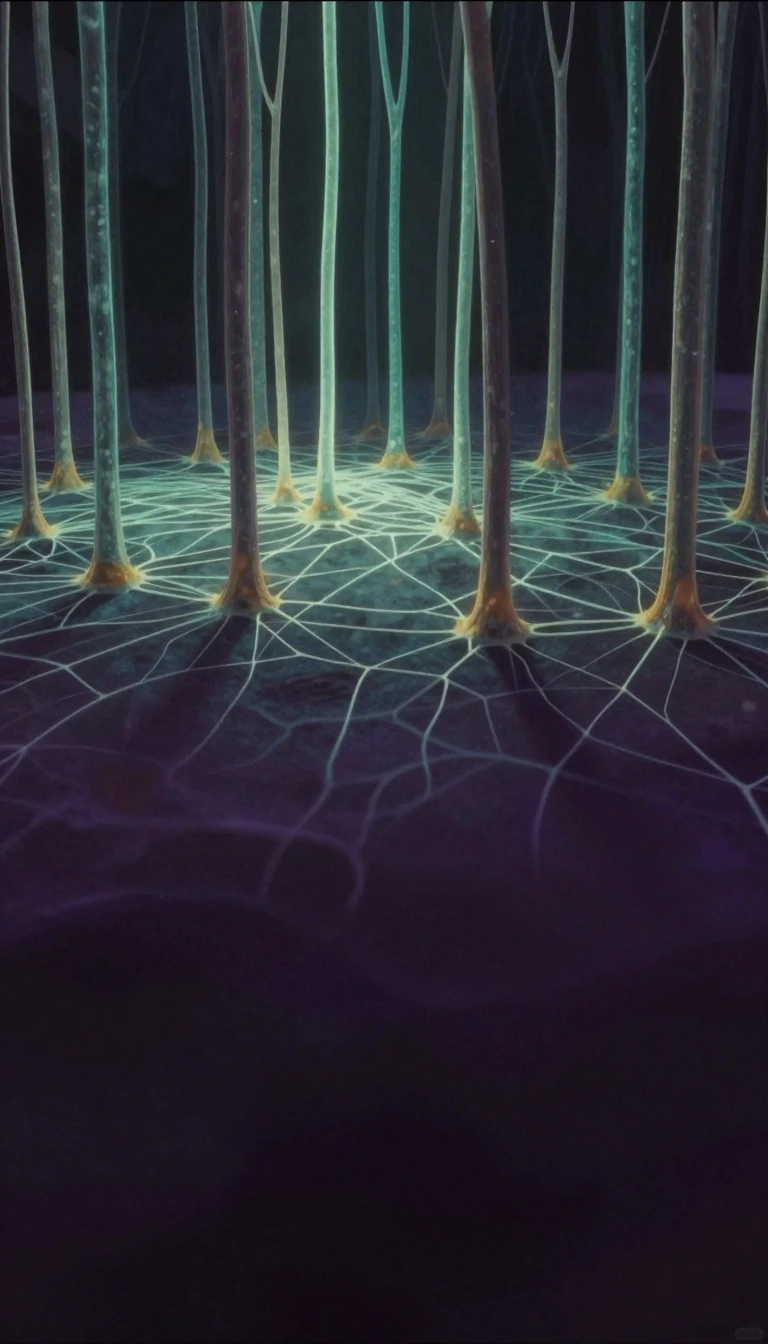 Persistence of vision does not explain movies, despite what you were taughtFilms run at 24 still frames a second, a standard fixed when talking pictures arrived in the late 1920s. The popular explanation, that each picture lingers on the retina, is not s…
- The first image scanned into a computer was a photo of a babyIn 1957 Russell Kirsch and his team at the US National Bureau of Standards built a drum scanner that fed pictures into the SEAC computer. They tested it on a snapshot of Walden, K…
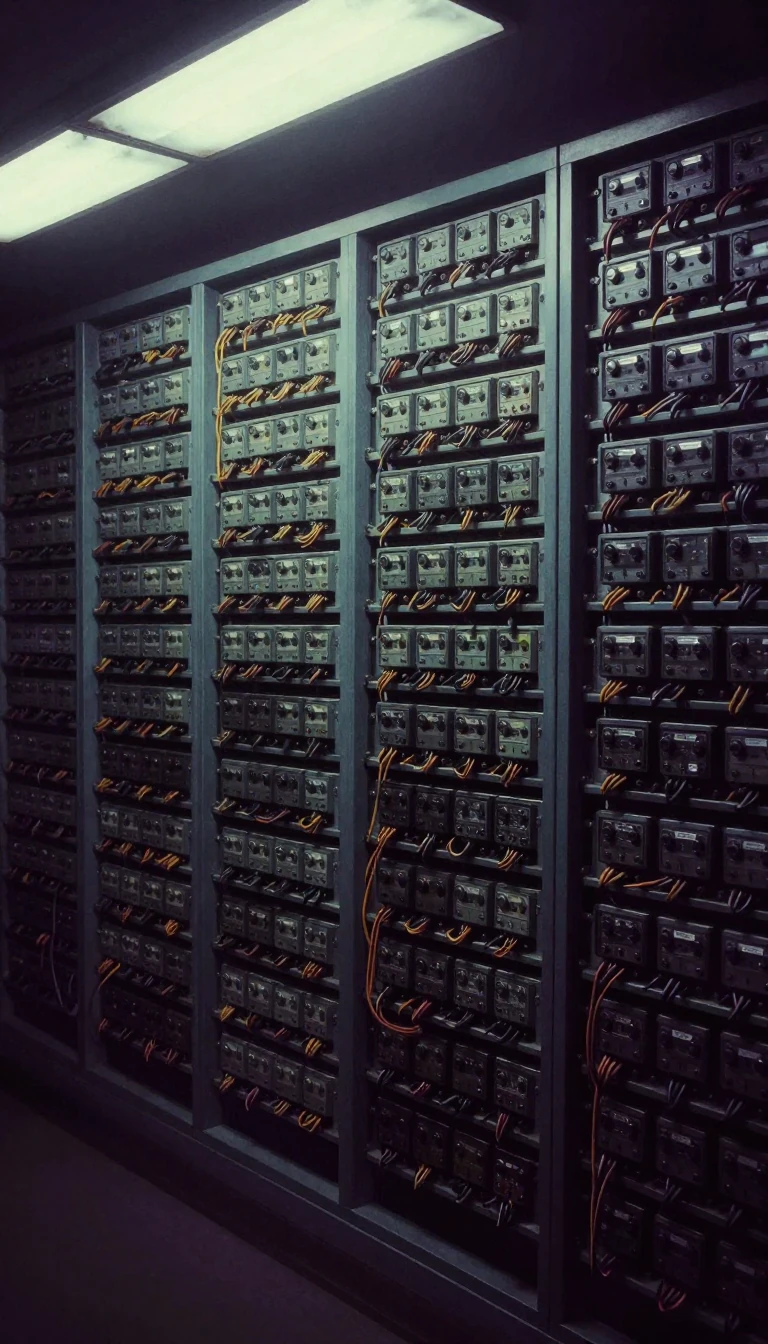 Before magnets got cheap, some loudspeakers were powered by compressed airAround 1900 a few record players pushed sound out with blasts of compressed air. Horace Short patented the idea in 1898 and sold it to Charles Parsons, and companies like Pathé bu…
 The famous postal motto on a New York post office is PersianCarved across the James Farley Post Office in New York is a line about couriers undeterred by snow, rain, heat or gloom of night. It comes from Herodotus, who was describing Persi…
- Radio hobbyists proudly call themselves hams, a word that began as a telegraph insultIn 19th-century wired telegraphy, professionals mocked clumsy Morse senders as ham-fisted, or simply hams. When hobbyists started tinkering with wireless, professional operators o…