 Intellect Plus
UK & Ireland: wars
384 cards. Each one is a 40-second story with a five-minute read behind it. Page 6 of 7.
 The Bavarian Crown Prince who commanded armies, defied Hitler, and claimed the British throne.Rupprecht of Bavaria was a World War I field marshal who foresaw Germany's defeat, rejected Nazi overtures, and spent his life navigating the collapse of monarchies. A direct desc…
 Beyond the Grim Reaper: How the humble scythe shaped agriculture and historyLong before tractors, the scythe was the ultimate agricultural powerhouse. While modern culture often associates this curved blade with death, it was once a revolutionary tool tha…
 Two pivotal battles of the Wars of the Roses unfolded in St AlbansWhile known today as a peaceful cathedral city, St Albans was once the site of two major clashes during the 15th-century Wars of the Roses. These battles, fought in 1455 and 1461,…
 How a medieval ecclesiastical powerhouse transformed into the world's most famous golfing destinationOnce the religious capital of Scotland, St Andrews was a cosmopolitan hub of medieval pilgrimage and political influence. Today, the town is globally recognized as the home of gol…
 Is the Prince of Wales a symbol of national pride or historical oppression?The title Prince of Wales, once used by native rulers to assert supremacy, has evolved into a contested symbol of the British monarchy. While traditionally granted to the heir app…
 Why did the Allies sit on their hands while Germany invaded Poland in 1939?The Phoney War was an eight-month period of eerie inactivity on the Western Front at the start of World War II. While Poland fell to German forces, Britain and France remained lar…
 Did Richard III murder his nephews, or is the mystery a Tudor-era smear campaign?In 1483, two young princes vanished from the Tower of London, sparking a centuries-old debate. While many historians point to their uncle, King Richard III, as the culprit, the la…
 How the son of England’s most powerful revolutionary became a forgotten, exiled footnote.Richard Cromwell inherited the title of Lord Protector in 1658, yet his reign lasted only nine months. Lacking his father Oliver's military prestige and political iron, he was qui…
 The Kingmaker: How one man’s ambition reshaped the English throne during the Wars of the RosesRichard Neville, 16th Earl of Warwick, was the wealthiest peer in fifteenth-century England. Known as the Kingmaker, he was instrumental in the rise and fall of monarchs during th…
 The lost prince: Did Richard of Shrewsbury survive his mysterious disappearance in 1483?Richard of Shrewsbury, Duke of York, vanished into the Tower of London as a child alongside his brother, King Edward V. While history long blamed their uncle, Richard III, for the…
 How a radical military experiment transformed England into a republic and changed warfare foreverIn 1645, Parliament created a professional, centralized force to win the English Civil War. Unlike regional militias, this army served anywhere, pioneered meritocratic officer sel…
 How the Nazi regime used the occupation of Czechoslovakia to fuel its war machineBy 1939, Germany’s aggressive rearmament program had pushed its economy to the brink of collapse. To secure the resources and foreign currency required for total war, Hitler syste…
 How Nazi Germany and the Soviet Union systematically dismantled a nation during World War II.Following the 1939 invasion, Poland was carved up by two hostile powers intent on erasing its sovereignty and culture. Through forced labor, mass deportations, and the systematic …
 How the English Parliament evolved from a royal advisory council into a legislative powerhouseParliament began not as a democratic body, but as a feudal mechanism for kings to extract taxes and counsel. Over centuries, it transformed from a passive assembly into a constitu…
 Morris dance: A 15th-century 'Moorish' spectacle that evolved into a global folk traditionMorris dancing is more than just bells and handkerchiefs. Emerging in 15th-century England as a courtly fashion for exotic spectacle, this rhythmic dance survived near-extinction …
 How the Allied occupation of Japan reshaped a nation without ever seizing direct controlBetween 1945 and 1952, the Allied occupation of Japan, led by General Douglas MacArthur, fundamentally transformed the country into a parliamentary democracy. Unlike the occupatio…
 Was Philip VI of France really the incompetent monarch history often portrays?Philip VI is frequently dismissed as a chivalry-obsessed failure, yet his early reign was marked by strategic brilliance and successful statecraft. While the Hundred Years' War ev…
 The Scottish throne was often a battlefield where kings were made and unmade by war.From the early Pictish kings to the final Stuart claimants, the Scottish monarchy was defined by dynastic feuds, civil wars, and foreign interventions. While the title of King of …
 How a simple burning cord changed the face of global warfare foreverBefore modern triggers, soldiers relied on the matchlock—a firearm ignited by a smoldering piece of twine. By allowing musketeers to fire without losing focus, this mechanism tran…
 The Messerschmitt Bf 109: How a Controversial Interceptor Became History's Most Produced Fighter AircraftDesigned for speed and simplicity, the Bf 109 served as the backbone of the Luftwaffe throughout the Second World War. Despite initial skepticism from pilots regarding its narrow …
 The Messerschmitt Bf 110: From Failed Offensive Fighter to Formidable Night HunterDesigned as a long-range battle destroyer, the twin-engined Messerschmitt Bf 110 initially struggled against agile single-seat fighters during the Battle of Britain. Yet, it prove…
 Why the longest day of the year became a festival of fire and saintsMidsummer is a global tapestry of ancient solar reverence and Christian tradition. While the solstice marks the peak of the sun, the festivities—from bonfires to herb gathering—re…
 How a tragic riding accident in 1482 reshaped the map of modern EuropeWhen Mary of Burgundy died at age 25, she left behind a power vacuum that triggered centuries of conflict. By marrying Maximilian of Austria, she had already set the stage for a F…
 Matilda of Flanders was a queen of royal blood who married a common bastardMatilda of Flanders brought legitimacy to William the Conqueror, a man of illegitimate birth. Their union, initially blocked by the Pope for consanguinity, became a powerful polit…
- Was Scotland's King John Balliol a mere puppet or a victim of English aggression?Known derisively as Toom Tabard, or empty coat, John Balliol is often remembered as an ineffective monarch who surrendered his kingdom. Yet, his reign was defined by relentless pr…
 Why a quiet English county became the unlikely heart of aerial warfareLincolnshire is famously rural, defined by its flat fens and agricultural heritage. Yet, this peaceful landscape earned the nickname Bomber County during the Second World War. Its…
- How a Duchess survived the Wars of the Roses and beat a witchcraft trialJacquetta of Luxembourg navigated the treacherous English civil wars by switching sides at the perfect moment. From a royal marriage to a secret romance and a scandalous accusatio…
 The unbreakable code that was actually broken by mathematiciansIn the early 20th century, the Enigma machine was the gold standard of secrecy. Its complex electromechanical rotors scrambled letters so effectively that even the most top-secret…
 How a failed wine salesman became the architect of Nazi Germany's disastrous foreign policy.Joachim von Ribbentrop rose from a struggling wine importer to Hitler’s Foreign Minister by mirroring the dictator’s most radical impulses. Though he lacked diplomatic training an…
 From Roman fortress to industrial powerhouse: the resilient evolution of Lincoln, EnglandLincoln is a city of layers, where Iron Age origins and Roman ruins sit beneath medieval cathedrals and industrial relics. Once a vital military outpost and a wealthy cloth-tradin…
- How a single 15th-century battle in Leicestershire reshaped the English monarchy foreverWhile Leicestershire is known today for its rolling hills and agricultural heritage, it was the site of the 1485 Battle of Bosworth Field. This pivotal clash did more than just se…
 Why does a lieutenant general outrank a major general in modern military hierarchies?The military ranking system often feels counterintuitive, especially when comparing lieutenants and majors. While a lieutenant typically ranks below a major, the lieutenant genera…
 Was the House of York’s claim to the English throne actually superior to Lancaster’s?The Wars of the Roses were defined by a clash between two branches of the Plantagenet dynasty, each represented by a rose. While the House of York’s claim was legally complex, the…
 Why a London peninsula once declared independence from the rest of the cityThe Isle of Dogs is not an island, yet it has a history of acting like one. From royal kennels and industrial dockyards to a satirical 1970s secessionist movement, this Thames-sid…
 Was the Tokyo War Crimes Tribunal a pursuit of justice or victor's vengeance?Following World War II, the Allies convened the International Military Tribunal for the Far East to judge Japanese leaders. While it aimed to set a legal precedent for state aggre…
- Why the legendary knight Hotspur became a cautionary tale of royal betrayal and vengeanceSir Henry Percy, known as Hotspur for his battlefield speed, was a kingmaker who helped place Henry IV on the English throne. Yet, within years, he led a rebellion against the ver…
 Infrastructure is more than just roads and bridges; it is the skeleton of society.We often think of infrastructure as concrete and steel, but it encompasses everything from legal systems to social networks. By categorizing these assets into hard and soft system…
 Hitler's personal vendetta against Yugoslavia triggered a swift, multi-front Axis invasion in 1941.When a coup d'état in Belgrade defied the Axis, Adolf Hitler viewed it as a personal insult. He immediately ordered the total military destruction of Yugoslavia. The resulting Apr…
- The usurper king who died in a room named for his failed crusadeHenry IV seized the English throne by deposing his cousin, Richard II, in 1399. His reign was defined by constant rebellion, a mysterious, disfiguring illness, and a desperate sea…
 How a Nazi General Convinced the West His Army Fought a Noble WarFranz Halder was a key architect of Hitler's war crimes in the East, yet he spent his postwar years successfully rebranding the Wehrmacht as an innocent, professional fighting for…
- The Bavarian Duke who is technically the rightful heir to the British throneFranz von Bayern, head of the historic House of Wittelsbach, holds a unique position in history. While he is the pretender to the defunct Bavarian throne, he is also the Jacobite …
- German resistance to Nazism was a fragmented, desperate, and often invisible struggle for survival.Contrary to the myth of a unified resistance, opposition to the Nazi regime was a collection of isolated, disparate groups. From aristocrats and military officers to ordinary citi…
- The Gloster Meteor: Britain’s First Jet Fighter That Defined the Early Jet AgeThe Gloster Meteor was the only Allied jet to see combat in the Second World War. Born from Frank Whittle’s radical jet propulsion ideas, this twin-engined fighter became a versat…
 Can a Spartan-inspired boarding school really prepare students to lead in the modern world?Founded by a Jewish educator fleeing Nazi Germany, Gordonstoun rejects traditional privilege in favor of rugged, experiential learning. From cold-weather expeditions to mandatory …
 Why do cultures across history dream of a lost, perfect Golden Age?From ancient Greek myths to modern fantasy, humanity consistently looks backward to a primordial era of peace and abundance. Whether defined by metal-based cycles or moral decay, …
 The Fallschirmjäger: Elite German Paratroopers Who Became Infantry Legends After Their Airborne Era EndedThe Fallschirmjäger were Germany's premier airborne force, pioneering large-scale parachute operations before World War II. Yet, after suffering heavy losses in the 1941 invasion …
- The flying ace: a propaganda myth that became a measure of aerial dominanceEmerging in 1915, the title of flying ace was a calculated propaganda tool designed to manufacture heroes during the attrition of World War I. While the public envisioned chivalro…
 Erich Raeder: The Grand Admiral Who Believed He Was Above PoliticsErich Raeder, the man who led the German Kriegsmarine through the first half of World War II, viewed himself as an apolitical officer serving the nation. Yet, this self-styled ser…
 How Blitzkrieg tactics and industrial superiority defined the early European theatre of World War IIBetween 1939 and 1945, the European theatre transformed global power through unprecedented mechanized warfare. While the Allies held greater industrial and human resources, German…
 How a Scottish singer earned his stage name by spending too much time bathingBorn Derek William Dick, the former Marillion frontman adopted the moniker Fish after a landlady grew weary of his marathon sessions in the tub. From his rise in the 1980s progres…
 The flintlock mechanism transformed infantry warfare, yet it remained a dangerous, temperamental piece of engineering.Before the percussion cap, the flintlock reigned supreme for two centuries. By replacing the unreliable, fire-hazardous matchlock with a spark-based ignition, it allowed soldiers …
- The Focke-Wulf Fw 190 was designed as a rugged cavalry horse, not a racehorse.While the Spitfire and Bf 109 were delicate racehorses built for speed, the Fw 190 was a robust workhorse. Designed by Kurt Tank, it prioritized ease of maintenance, durability, a…
 Why millions of ethnic Germans were forced from their homes after World War IIBetween 1944 and 1950, approximately 12 million ethnic Germans were displaced from Eastern and Central Europe. Driven by shifting borders, the desire for ethnically homogeneous na…
- The Wooden Wonder: How a Controversial Unarmed Bomber Outpaced the SpitfireDuring the Second World War, the de Havilland Mosquito defied conventional military wisdom by ditching defensive turrets for pure speed. Constructed primarily of wood to conserve …
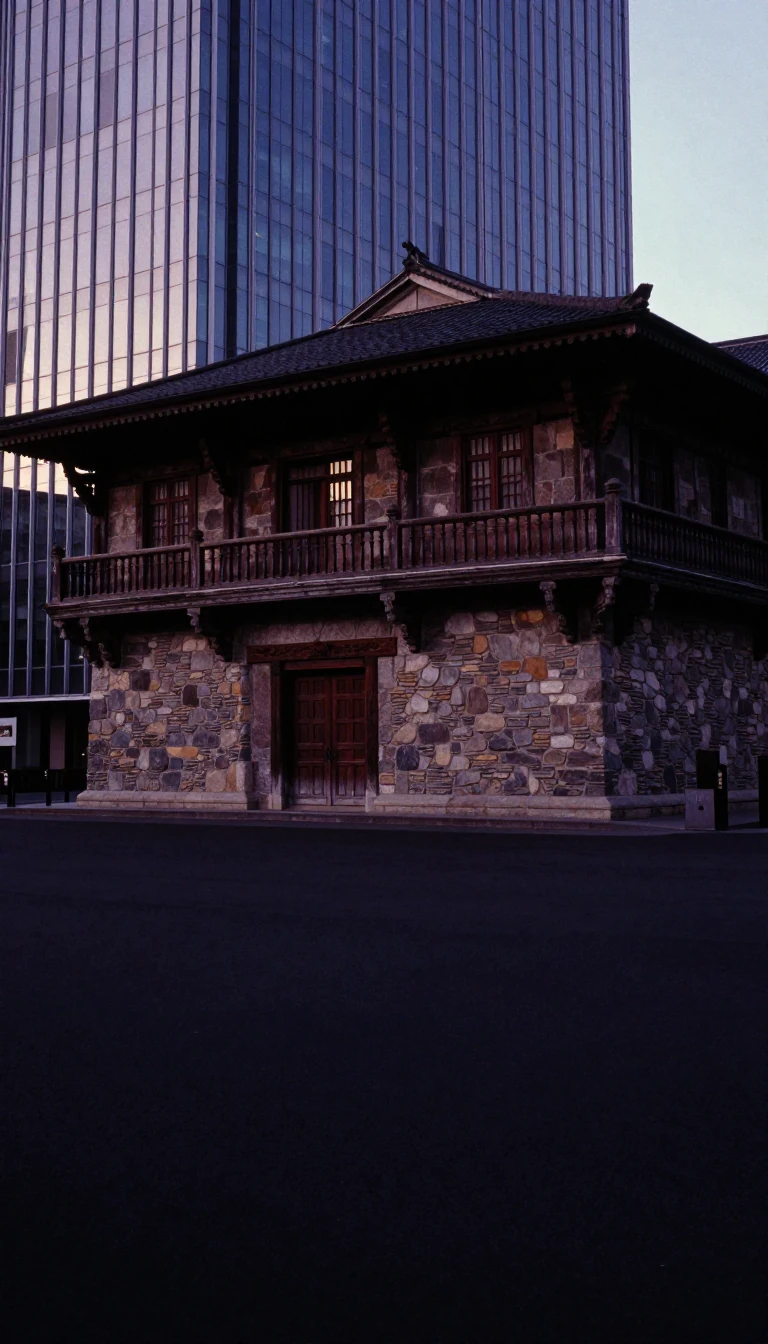 How a Medieval Buffer State Between England and Scotland Shaped Durham’s Unique HistoryFounded in 995 to protect the relics of Saint Cuthbert, Durham evolved into a semi-independent palatinate. Ruled by powerful prince bishops who minted coins and raised armies, the…
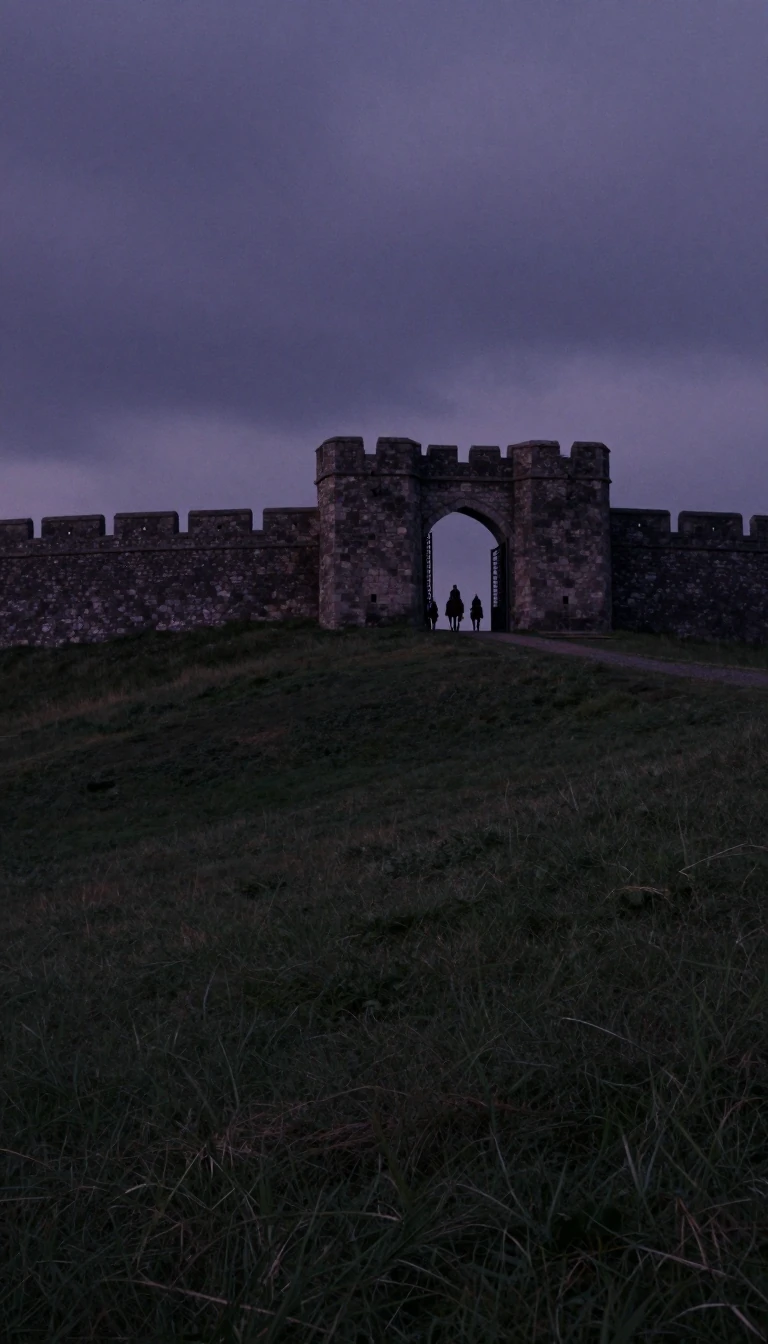 Edmund Ironside: The English King Who Fought a Danish Invasion for 222 DaysIn 1016, England faced a brutal struggle for survival against Cnut the Great. Edmund Ironside emerged as a defiant, albeit short-lived, leader who challenged the Danish occupation…
 Edward IV: The Tall, Charismatic King Who Failed to Secure His Own DynastyStanding 6 feet 4 inches tall, Edward IV was a formidable warrior who seized the English throne twice during the Wars of the Roses. Yet, despite his military brilliance and a cour…
 Was the boy king Edward V murdered in the Tower or did he survive?Edward V was King of England for less than three months in 1483 before vanishing from the Tower of London. While history long blamed his uncle, Richard III, for the princes' death…
 Emma of Normandy was the most powerful queen in 11th-century England and Denmark.Emma of Normandy navigated the volatile politics of the 11th century by marrying two rival kings, Æthelred the Unready and Cnut the Great. As a queen, regent, and mother to two ki…
 The end of World War II in Europe was not a single moment in time.While Victory in Europe Day is celebrated on May 8, 1945, the conflict did not simply vanish at the stroke of a pen. Fighting persisted across the continent for weeks, and the leg…