 Intellect Plus
War and military
450 cards. Each one is a 40-second story with a five-minute read behind it. Page 8 of 8.
 Andorra's citizen army has not fought a battle in more than 700 yearsTucked into the Pyrenees, Andorra has never kept a standing army in modern times. Its defence rests on an old principle: when the call called the Sometent sounds, every able-bodie…
 Ancient crews dodged ramming by rushing to one side and tilting their shipIn Greek and Persian sea battles, warships fought by smashing reinforced prows into enemy hulls. Crews under attack had a clever defence: every marine dashed to the side about to …
- A tenth-century Indonesian fleet sailed about 7,000 kilometres to raid East AfricaIn 945 and 946 AD, seafarers from the island kingdoms of what is now Indonesia, either Malays of Srivijaya or Javanese of Mataram, sent around a thousand boats across the Indian O…
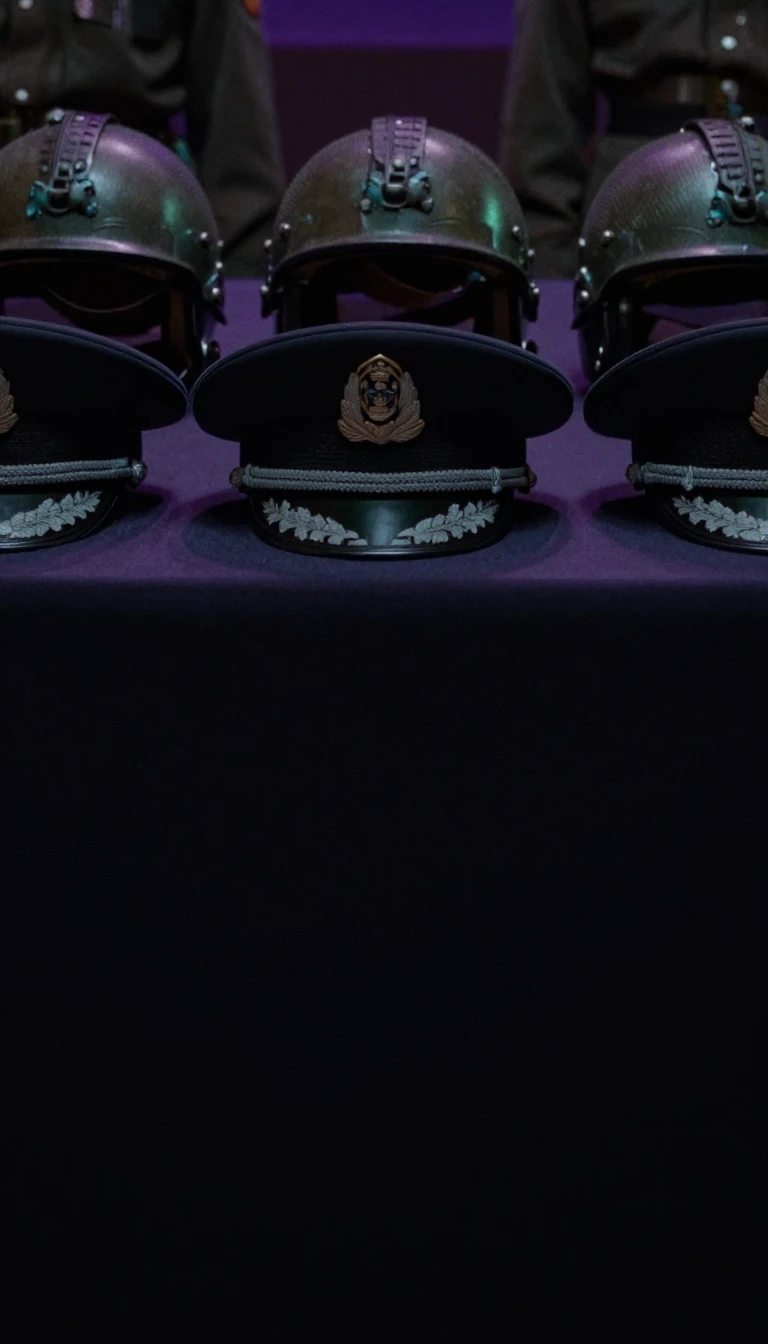 Modern armed forces have far more officers per soldier than armies of the pastIn the First World War fewer than one British soldier in twenty held a commission. Today officers make up around a sixth of many Western forces. Early in the 20th century Spain's …
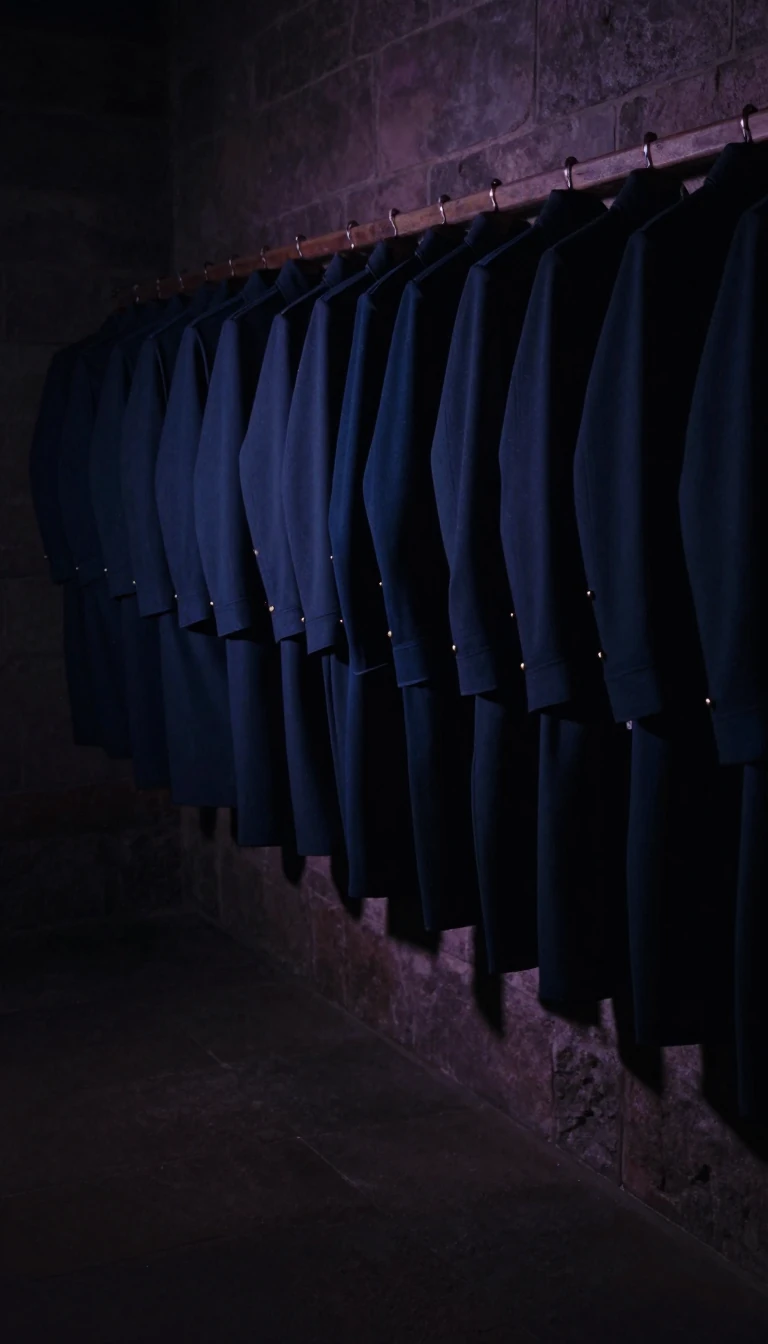 Why the good guys are always blue in war games: thank Prussian uniformsIn Western training exercises the friendly side is blue and the pretend enemy is red, a neutral way to avoid naming any real country. The habit traces back to Georg von Reisswitz,…
 Eisenhower made the phrase military-industrial complex famous, but he did not invent itOn 17 January 1961, departing president Dwight Eisenhower, a retired five-star general, warned Americans to guard against the unwarranted influence of the military-industrial comp…
 Ask four militaries what a squadron is and you will hear four answersMilitary vocabulary sounds precise, but a single word can mean wildly different things. To most admirals a squadron means a cluster of warships. To most air commanders it means a …
- Several armies tried scrapping military ranks entirely, and every one brought them backCommunist governments have occasionally tried running armies without formal ranks. The Soviet Red Army went without them from 1918 to 1935, China's People's Liberation Army from 1…
- The lawyer who coined genocide considered the treaty banning it a failureRaphael Lemkin invented the word genocide during the Second World War and spent years persuading the new United Nations to outlaw it. When a convention was finally agreed, it had …
- Infantry and infant share a root meaning without speechThe word infantry traces back through French and Italian to the Latin infans, meaning speechless or newborn, the same source as infant. In Renaissance Italy and Spain, infanteria …
 Why Confederate warships were treated like American ones abroadDuring the American Civil War, no foreign power recognised the Confederacy as a sovereign nation. It was, however, recognised as a belligerent, so its warships enjoyed the same ri…
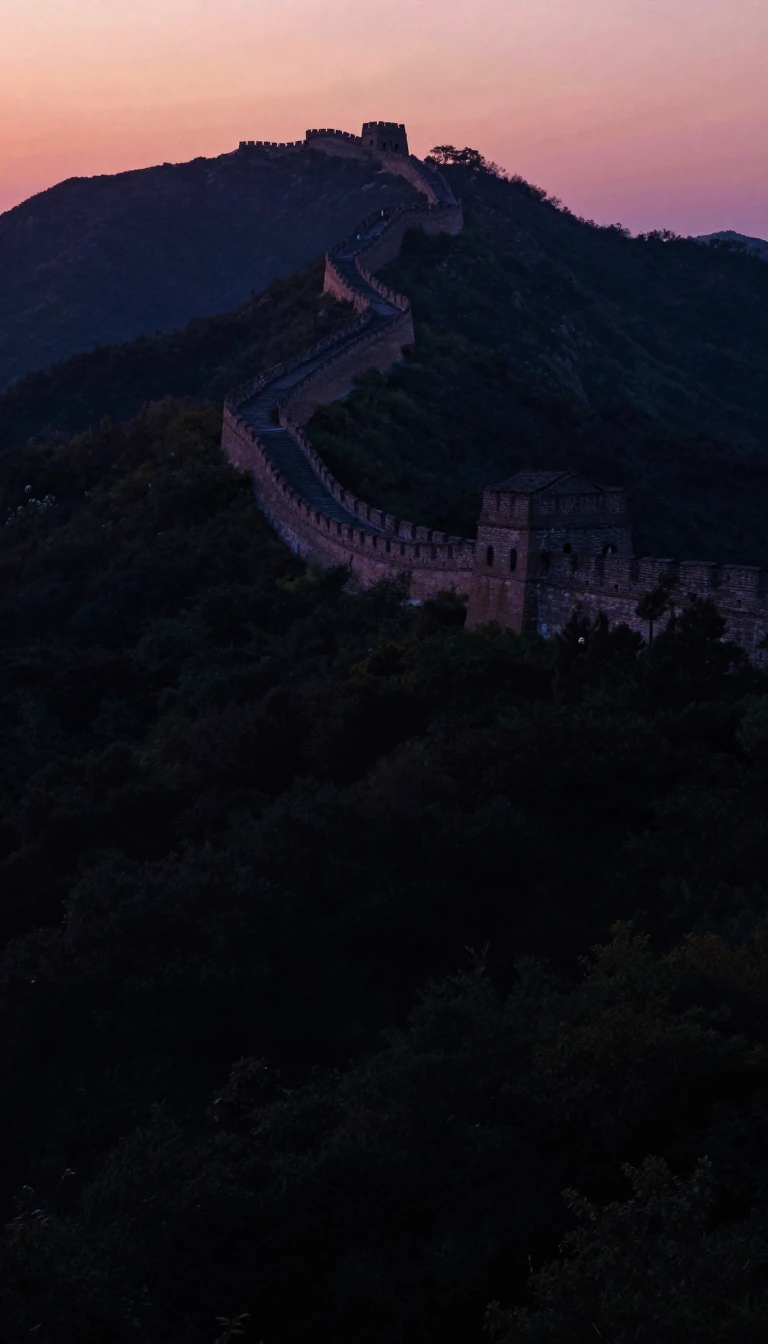 Great walls and border forts could only delay an invasionHadrian's Wall, the Great Wall of China and the Danish Danewerk all tried to stop invaders at the frontier. Such barriers demanded huge garrisons and constant upkeep. Chains of fo…
 An Irish abbot drafted rules to shield civilians in 697In 697 the abbot Adomnán of Iona summoned kings and churchmen from across Ireland and Scotland to Birr. There he gave them the Law of the Innocents, which forbade killing women an…
- Prussia's soldier king spent most of his budget on the armyFrederick William I of Prussia, nicknamed the Soldier King, launched sweeping military reforms in 1713 and pushed army spending to 73 percent of the state's annual budget. When he…
- Military once described only soldiers, not sailors or the whole armed forcesWhen the Royal Military Academy opened in 1741 and West Point's United States Military Academy in 1802, military still meant land forces and the soldier's trade. Only around the N…
 An 18th-century Spanish general blamed rebellions on bad rulersWriting between 1726 and 1730, the Marquis of Santa Cruz de Marcenado argued that a people seldom rises up unless its governors are at fault. His prescription for stopping rebelli…
 Australia refused to execute its deserters in the First World WarBritain pressed hard, but Australia's government would not allow soldiers of its First Australian Imperial Force to be shot for desertion. It held firm even though its troops went…
- A British officer was once cashiered for refusing to duelDuelling was illegal across Europe, yet in 1814 a British officer was court-martialled and thrown out of the army for failing to challenge a man who had publicly insulted him. Kil…
 Renaissance Venice guarded its secrets even from its own dogeVenice lived by trade, and trade secrets were worth protecting at almost any cost. Its security body, the Council of Ten, would not let even the doge browse government archives fr…
 Three rival theories try to explain why ethnic groups clashIf ethnic conflict sprang from ancient hatreds always simmering below the surface, neighbouring groups would fight constantly. Instead violence erupts in sporadic bursts, often af…
- Nelson hid his ships over the horizon to lure out a fleetA blockade does not aim to capture a city; it aims to choke a whole country. Britain perfected the full naval version against France in the 1750s, and in 1805 Nelson pulled his sh…
 A military casualty need not be dead, or even woundedWhen a report lists casualties, many people read it as a death toll. In military usage the word is far broader: a deserter, a prisoner, a soldier laid low by illness or a missing …
 Early Assyrian horsemen rode in pairs with no saddles or stirrupsRiding a horse is one thing; fighting from one is far harder. Carvings of Assyrian cavalry from around 865 BC show riders working in pairs, one holding the reins for his neighbour…
 Babylon ran a draft under Hammurabi, and people already dodged itNearly four thousand years ago, Babylonians owed the king service called Ilkum: soldiering in war, labour in peace, in exchange for land. Some hired substitutes, some traded the o…
 Air warfare began with man-carrying kites in ancient ChinaLong before engines, Chinese armies lifted people aloft on kites to look over the battlefield. Balloons, zeppelins and fixed-wing aircraft followed, the last entering war only in …
- Britain and Finland both claim the world's first independent air forceIn 1918 two countries created air arms that answered to no army or navy. Britain's Royal Air Force was formed on 1 April by merging two older flying services. Finland's traces its…
 Why anti-aircraft fire is called flak, ack-ack and archieAir defence has collected a remarkable set of nicknames. Flak shortens a German word for aircraft-defence cannon, ack-ack comes from the British signallers' way of saying AA, and …
 Germany built only twenty tanks in the First World WarTanks were invented to break the deadlock of trench warfare, and their debut at the Somme in 1916 largely failed. Britain and France kept investing anyway, fielding thousands by 1…
- Paying soldiers full-time may have helped create the modern stateMedieval Englishmen owed their king forty days of military service, far too short for a campaign overseas. So most paid a fee instead, and that money bought professional troops. O…
- Before the 19th century, most battles were over within a dayGettysburg's three days were unusually long for its era; most earlier battles ended in hours because armies could not be fed in the field or fight well at night. Then railways and…