 Intellect Plus
Cards starting with R
1,301 cards. Page 19 of 22.
 Romantic who wrote Notre-Dame and Les MisérablesVictor Hugo (1802–1885), French Romantic poet, novelist, playwright, and politician, is world-famous for the Notre-Dame novel of 1831 and for Les Misérables three decades later. F…
 Romantics made feeling the law—and mistrusted the industrial cityRomanticism rose in Europe near the end of the eighteenth century against Enlightenment rationalism and Industrial Revolution materialism. Advocates put subjectivity, imagination,…
 Romário: The Prolific Striker Who Mastered the Penalty Area and Brazilian PoliticsRenowned for his clinical finishing and trademark toe-poke, Romário is one of football's greatest strikers. Beyond his 784 official goals and 1994 World Cup triumph, he navigated …
 Romblon is a linguistic anomaly where three distinct language branches meet on one archipelagoWhile most Philippine provinces share a single linguistic root, Romblon is a rare exception. Its three primary languages—Romblomanon, Onhan, and Asi—each belong to entirely differ…
 Romblon: A Philippine archipelago capital built on centuries of marble and maritime historyKnown as the second-largest marble producer in the Philippines, the municipality of Romblon is a historic port town nestled in the Sibuyan Sea. From ancient burial caves to Spanis…
 Rome and Iran fought for nearly seven centuriesFrom Crassus's disaster at Carrhae in 53 BC to the final Byzantine–Sasanian clash ending in 628 AD, Roman and Iranian empires traded border towns without lasting conquest. Their s…
- Rome began as a riverside town that rewrote the MediterraneanTradition dates the city's founding to 753 BC beside the Tiber. From kingdom to republic to empire, Rome absorbed Greek southern Italy, beat Carthage, then governed a world whose …
 Rome called the Mediterranean “Our Sea”—and meant itFor the first time in history, one state cleared piracy from an entire sea. Under Augustus the Romans branded the Mediterranean Mare Nostrum and turned it into a commercial lake r…
 Rome chose a defeated Trojan, not a Greek victor, as its founding heroAeneas was a minor figure in Homer's Iliad, a Trojan the gods kept rescuing as if saving him for something. Rome supplied the something. In Virgil's Aeneid he escapes burning Troy…
 Rome counted with additive letters until place value won outRoman numerals dominated European number writing into the Late Middle Ages, summing symbols like C for 100. From the 1400s, Hindu–Arabic place value gradually replaced them, yet y…
 Rome did not fall in a day—control drained until 476In 376 Goths fleeing the Huns crossed into the empire and could not be crushed. After Theodosius I died in 395, weak sons and civil war left the West brittle. By 476 the western e…
 Rome erased Phoenician Carthage, then rebuilt it as Africa’s jewelCarthage, on Tunis’s lake shore in modern Tunisia, grew from a Tyrian Phoenician colony—legend credits Queen Dido—into the Punic capital that dominated the southwest Mediterranean…
 Rome has been continuously lived-in for over three millenniaRome is Italy's capital and largest city, seat of Lazio and Roma Capitale—about 2.7 million people across 1,287 square kilometres, third among European Union cities. Myth sets the…
 Rome kept its treasury in the temple of a god whose statue wore woollen fettersFor most of the year, the cult statue of Saturn in Rome had its feet bound with wool. Only during his December festival, the Saturnalia, were the bindings removed, and the city br…
- Rome learned eastern empire by fighting Macedon repeatedlyBetween 214 and 148 BC the Roman Republic waged a chain of Macedonian Wars that pulled Greece and the eastern Mediterranean into its orbit. Polybius later asked how Rome mastered …
 Rome named Germania; Germans stopped the empireJulius Caesar called land east of the Rhine Germania. Arminius wrecked Varus's legions in the Teutoburg Forest, freezing Rome's frontier for good. Otto I became the first Holy Rom…
- Rome nearly broke apart under twenty-six rival emperorsFrom 235 AD, after troops murdered Severus Alexander, the Roman Empire staggered through invasions, plague, and civil war. At least twenty-six men claimed the purple. Aurelian's r…
- Rome needed two centuries and a brutal revolt to win PannoniaThe Roman province of Pannonia stretched across what is now western Hungary, eastern Austria, northern Croatia and parts of four other countries, bounded by the Danube. Rome's fir…
 Rome once paid the Dacian king Decebalus to keep the peaceAfter Decebalus's Dacians defeated a Roman army in the mountain pass of Tapae, Emperor Domitian, stretched by wars elsewhere, agreed to pay him eight million sesterces a year and …
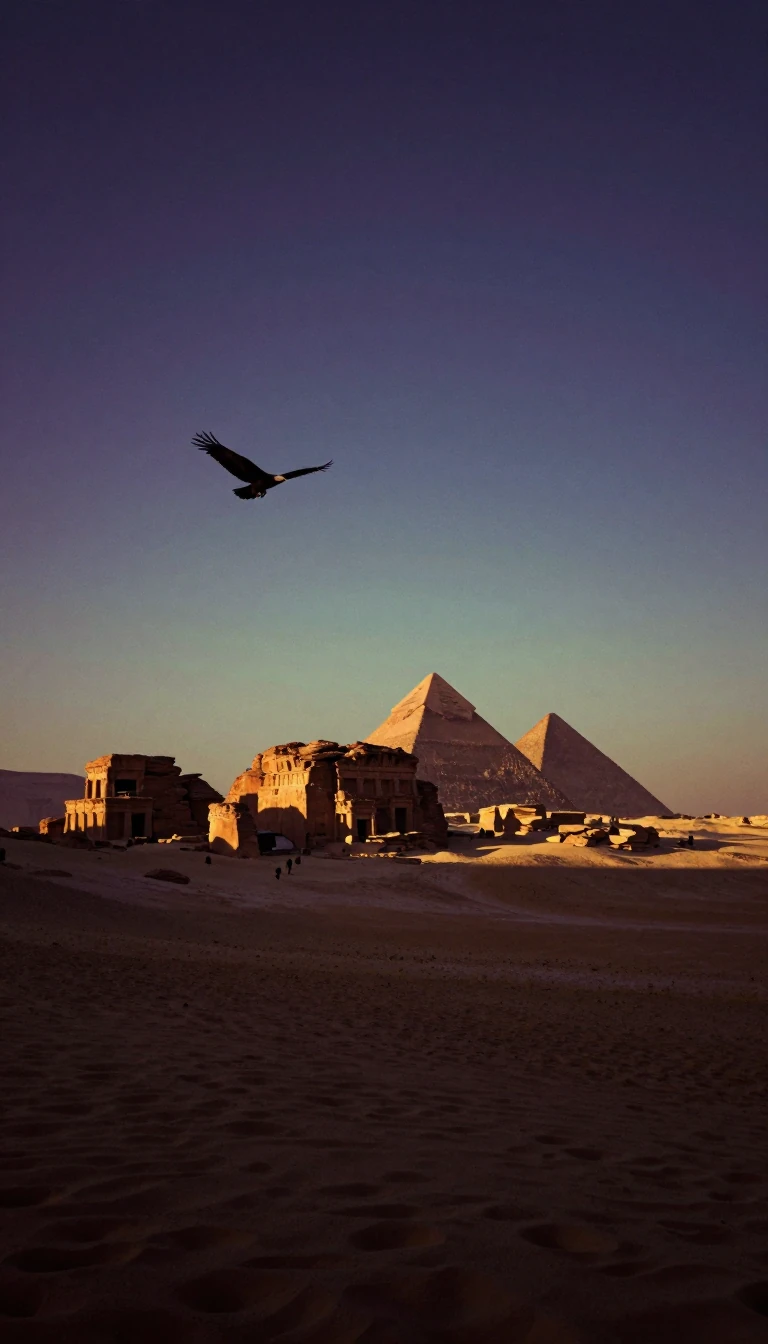 Rome once put a phoenix on public display, and even Pliny called it fakeIn 47 AD a supposed phoenix was brought from Egypt and exhibited in Rome's Comitium to mark the city's 800th anniversary. Pliny the Elder said nobody could doubt it was a fabricat…
 Rome renamed this Italian city because its old name meant bad windThe Samnite town the Romans captured sounded to Latin ears like Maleventum, bad wind, an unlucky omen. So when they planted a colony there in 268 BC they flipped it to Beneventum,…
- Rome ruled Egypt for nearly seven centuries as the emperor's private breadbasketAfter Cleopatra and Mark Antony died in 30 BC, Octavian treated Egypt as his own possession. For almost 700 years it fed the empire with grain and was its richest province outside…
 Rome was not built by a single plucky city, but by a complex allianceThe traditional narrative of Rome as a singular, ambitious city-state conquering its neighbors is fading. Historian Greg Woolf suggests a more collaborative origin, where local la…
 Rome was not built by a single plucky tribe, but by a coalitionHistorian Greg Woolf re-examines the Roman Empire, tracing its evolution from a cluster of 8th-century BCE villages to its eventual transformation by the 8th century CE. This over…
- Rome wrote Carthage's history after burning its librariesFounded by Tyrian merchants around 814 BC, Carthage grew into the west Mediterranean's richest naval power. Almost no Punic books survived the Third Punic War, so the city that ri…
 Rome, Open City was shot on black-market film just months after liberationRoberto Rossellini began his career making films for Mussolini's navy, then made Rome, Open City with borrowed money and black-market stock as soon as the Nazis left. It turned hi…
 Rome's Clement ordered Corinth to reinstate its eldersNear the year 100, Bishop Clement of Rome—counted among the Apostolic Fathers—wrote to Corinth after locals deposed their presbyters. His letter insists those elders rule by apost…
- Rome's elite hated Nero, but ordinary Romans liked him enough to expect his returnAncient writers paint Nero as a debauched tyrant who may even have started the Great Fire of Rome. Yet he was popular with common citizens, who loved his games and performances. A…
 Rome's emperor Geta was erased from marble but survived on coinsAfter Geta was killed in December 211, his brother Caracalla ordered his memory wiped out, and the job was done so thoroughly that hardly any marble portraits of him remain. His f…
 Rome's famous defensive wall was built by the wrong kingThe Servian Wall is a cornerstone of Roman history, yet its name is a literary fiction. While attributed to a 6th-century BC king, the massive fortifications were actually constru…
 Rome's famous founding revolution may be mostly a story borrowed from AthensEvery Roman schoolboy learned how Brutus drove out the tyrant Tarquin in 509 BC and swore Rome would never again have a king. Modern historians suspect much of that tale was inven…
 Rome's famous two centuries of peace were quieter than before, not peacefulThe Pax Romana is usually dated from Augustus in 27 BC to the death of Marcus Aurelius in AD 180, one of history's longest stretches of relative calm. Yet it included revolts and …
- Rome's first co-emperor got the job because Marcus Aurelius insistedWhen Antoninus Pius died in 161, the Senate meant to crown Marcus Aurelius alone. Marcus refused unless his adoptive brother Lucius shared equal powers. So for the first time Rome…
 Rome's first written laws came from commoners demanding fair judgesEarly Roman magistrates applied unwritten custom however they liked. A plebeian tribune pushed to get the rules written down, and after eight years of struggle Rome produced the T…
- Rome's Five Good Emperors were mostly chosen by adoptionSeven rulers from Nerva to Commodus held Rome between 96 and 192 AD. The first five—Nerva, Trajan, Hadrian, Antoninus Pius, and Marcus Aurelius—are popularly the Five Good Emperor…
- Rome's founding legend hinges on a bird-counting contest the twins could not settleRomulus and Remus agreed to let the gods pick the site of their city. Remus saw six vultures first over the Aventine; Romulus then saw twelve over the Palatine. One claimed priori…
 Rome's great historian of tyranny had a surname meaning silentTacitus won fame as a courtroom orator, an irony given that his name means silent. Surviving Domitian's reign of terror left him with a hatred of despotism that runs through the A…
 Rome's last pagan emperor was raised a Christian and could quote the BibleJulian, nephew of Constantine the Great, grew up Christian, served as a church reader and knew scripture well. Around age 20 he turned to the old gods and Neoplatonic philosophy, …
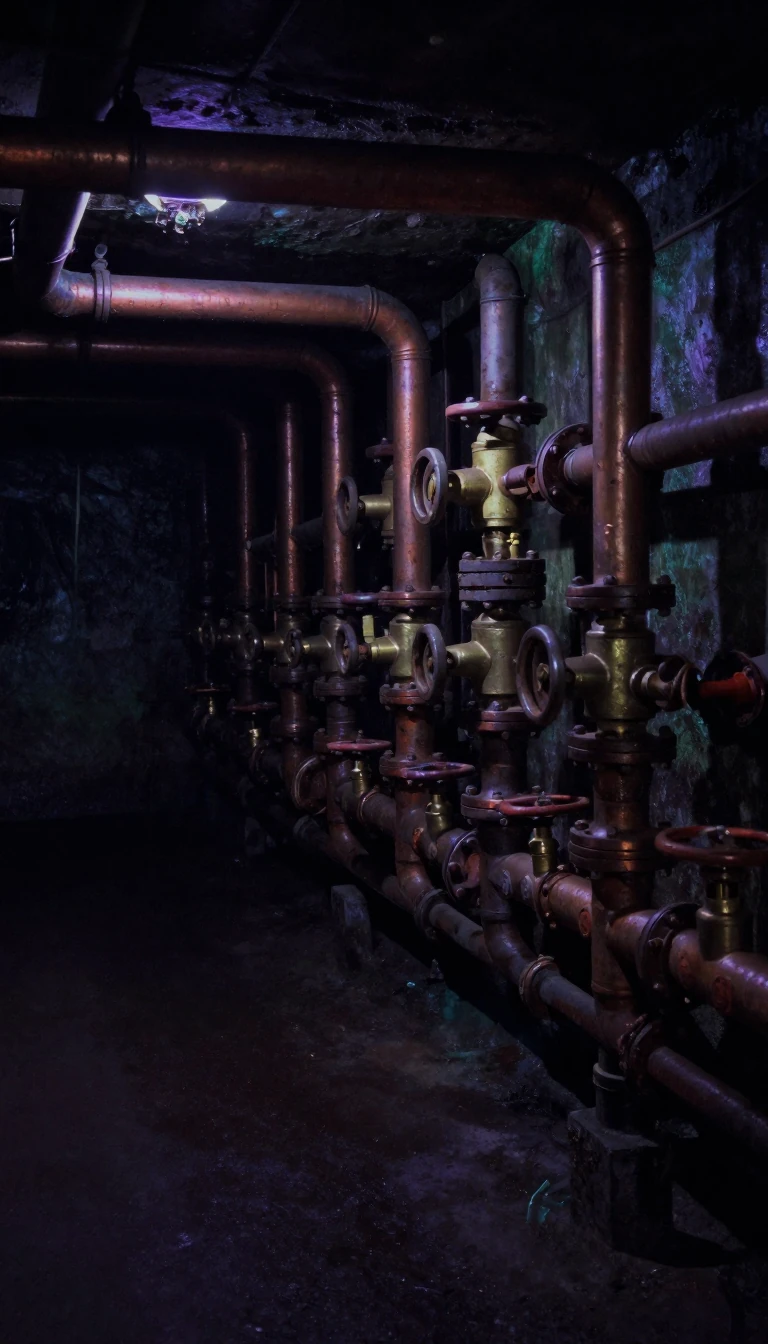 Rome's lead water pipes were lined with protective mineral scalePlumbing takes its name from plumbum, Latin for lead, because Roman pipes were made of it. Surprisingly, their aqueducts seldom poisoned anyone: the water was so rich in calcium t…
- Rome's most reviled teenage emperor may have been smeared by hostile historiansElagabalus became emperor at 14 and was murdered at 18, and for centuries writers ranked him among Rome's worst rulers. But almost everything scandalous about him comes from a sen…
 Rome's richest man died on a doomed Parthian campaignMarcus Licinius Crassus (115–53 BC), often called Rome's richest man, bankrolled Julius Caesar and joined Pompey in the First Triumvirate. After a second consulship he governed Sy…
- Rome's sharpest insult poet lived in a third-floor garretMartial wrote 1,561 surviving epigrams, short barbed poems mocking Roman social climbers, quack doctors and men who torched their own houses for the insurance. He has been called …
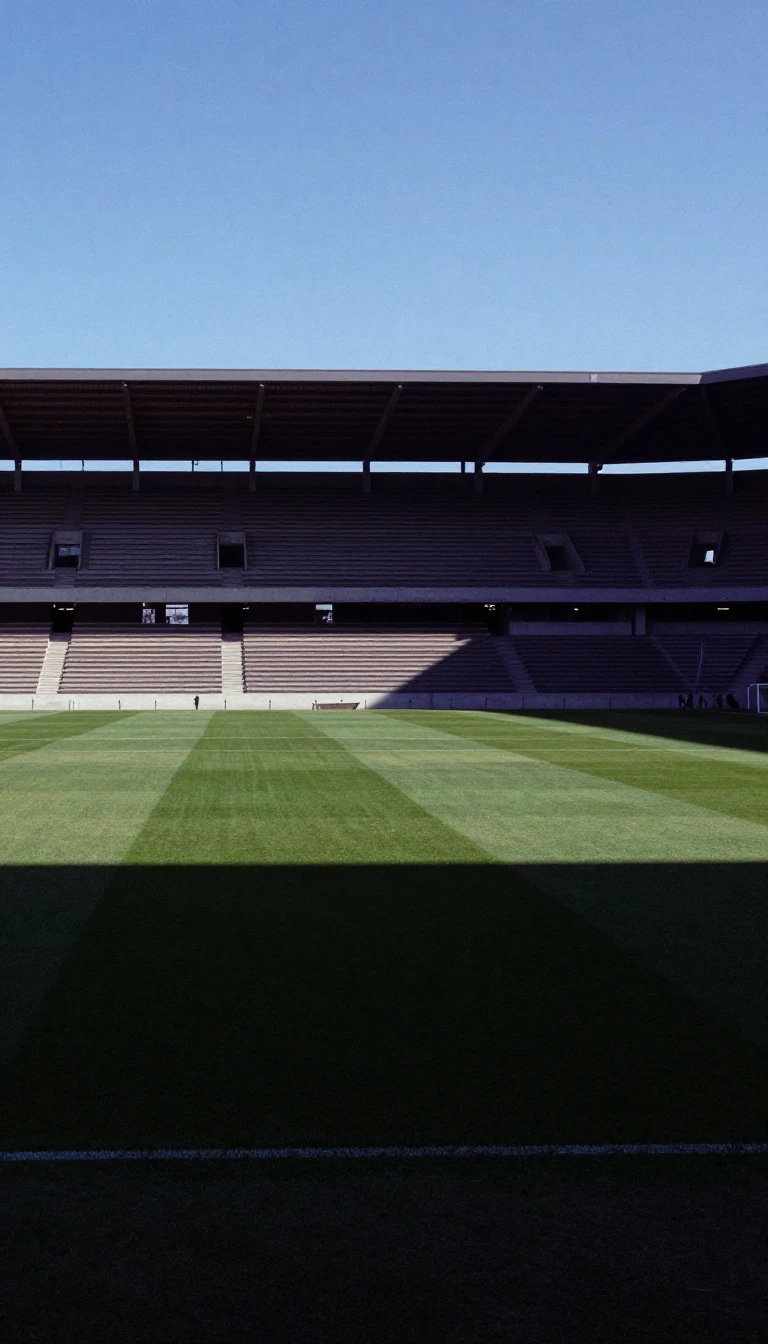 Rome's Stadio Olimpico: From a swampy fascist project to a global sporting iconOriginally conceived as a propaganda tool for the Italian fascist regime, Rome's Stadio Olimpico has evolved into one of the world's most storied venues. From hosting the 1960 Sum…
 Rome's star orators survive mostly because one old man remembered themSeneca the Elder never pursued a public career, yet in old age he wrote down, reportedly from memory, the best lines of the declaimers he had heard in Augustan Rome. That antholog…
 Rome's war god Mars also guarded farms and was honoured as a fatherGreeks often treated Ares with disgust, but Romans revered his counterpart Mars as father of their people, guardian of crops and a force that won peace through strength. His festi…
 Rome's youngest sole emperor took power at 13, steered by his grandmotherIn March 222 the army hailed 13-year-old Severus Alexander as Roman emperor. His grandmother Julia Maesa had engineered it, persuading the unpopular Elagabalus to adopt his cousin…
 Rome’s business district began as a failed 1942 World’s Fair for the Fascist regimeDesigned to celebrate two decades of Fascism, the EUR district in Rome was meant to be a grand, imperial-style city center. Though World War II halted construction and cancelled t…
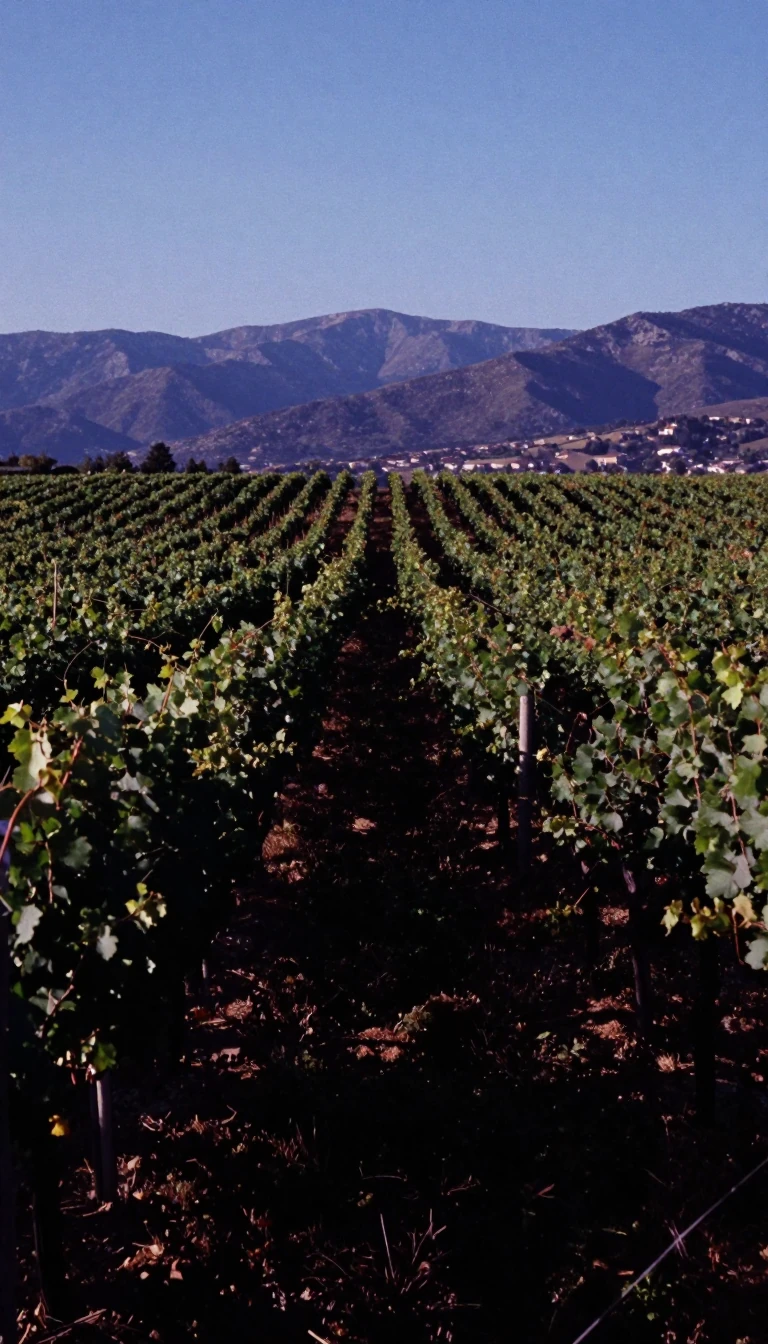 Rome’s cradle was only one people among many ItalicsHumans reached Monte Poggiolo some 850,000 years ago; Ötzi the Iceman dates to about 3400–3100 BC. Before Rome, Etruscans, Latins, Samnites, Greeks of Magna Graecia, and Nuragic S…
 Rome’s finest floors were portable painting in tiny stone cubesMosaic covers floors and walls with colored stone, glass, or ceramic set in mortar—a craft ancient enough that Mesopotamian temples used mixed materials in the third millennium BC…
 Rome’s first five emperors were one adoptive family treeAugustus, Tiberius, Caligula, Claudius and Nero—the Julio-Claudians—ruled from 27 BC until Nero’s suicide in AD 68. The label blends two clans, the Julii Caesares and Claudii Nero…
 Rome’s first intact comedies still feed Shakespeare’s plotsTitus Maccius Plautus (about 254–184 BC) wrote the earliest Latin literary works that survive complete—palliata comedies adapted from Greek New Comedy for Roman crowds. From Amphi…
- Rome’s first transalpine province still answers to “the Province”Provence runs from the lower Rhône to the Italian border along France’s Mediterranean south. Romans called it Provincia Romana—the province beyond the Alps—and the shortened Provi…
 Rome’s secret weapon wasn't just its legions, but its 'protectorates'For centuries, the Roman Republic maintained a sophisticated military machine powered by a complex web of alliances. These weren't mere subjects; they were the socii—a class of se…
 Rome’s western fall rode waves of moving peoplesFrom roughly 300 to 600 AD, historians mark a Migration Period when Goths, Vandals, Huns, and many others entered or crossed former Roman lands. Some date it tighter—from the Hunn…
 Romelu Lukaku has redefined the modern striker through a career of nomadic goalscoring excellence.From his early days as a teenage prodigy in Belgium to becoming a record-breaking force in the Premier League and Serie A, Romelu Lukaku has navigated a complex career. He has con…
- Romulus probably never existed, but Rome's hills were busy long before 753 BCRomans dated their city to 21 April 753 BC, when Romulus supposedly killed his twin and marked out a town on the Palatine. Archaeology tells a slower story: villages on separate h…
 Romy Schneider was more than the Empress Sissi; she was a cinematic icon.Born into a theatrical dynasty, Romy Schneider transcended her early fame as an Austrian royal to become a powerhouse of French cinema. Her life, marked by intense artistic ambiti…
 Ronald Dworkin insisted even the hardest legal cases have a right answerImagine a law banning sacrilegious contracts, and two men arguing over a deal signed on a Sunday. Most legal theorists would say the judge simply has to choose. Ronald Dworkin dis…
 Ronaldinho is the only player to win every major football trophy there isWorld Cup, Copa América, Confederations Cup, Champions League, Copa Libertadores and the Ballon d'Or: no other footballer has collected all six. Ronaldinho, nicknamed the Wizard, …
 Ronnie O'Sullivan is the most decorated snooker player, yet he calls the sport damaging.Widely considered the greatest snooker player in history, Ronnie O'Sullivan holds records for ranking titles, Triple Crown victories, and century breaks. Yet, the man known as The…