Why Ernest Hemingway Wrote Forty-Seven Different Endings for A Farewell to Arms
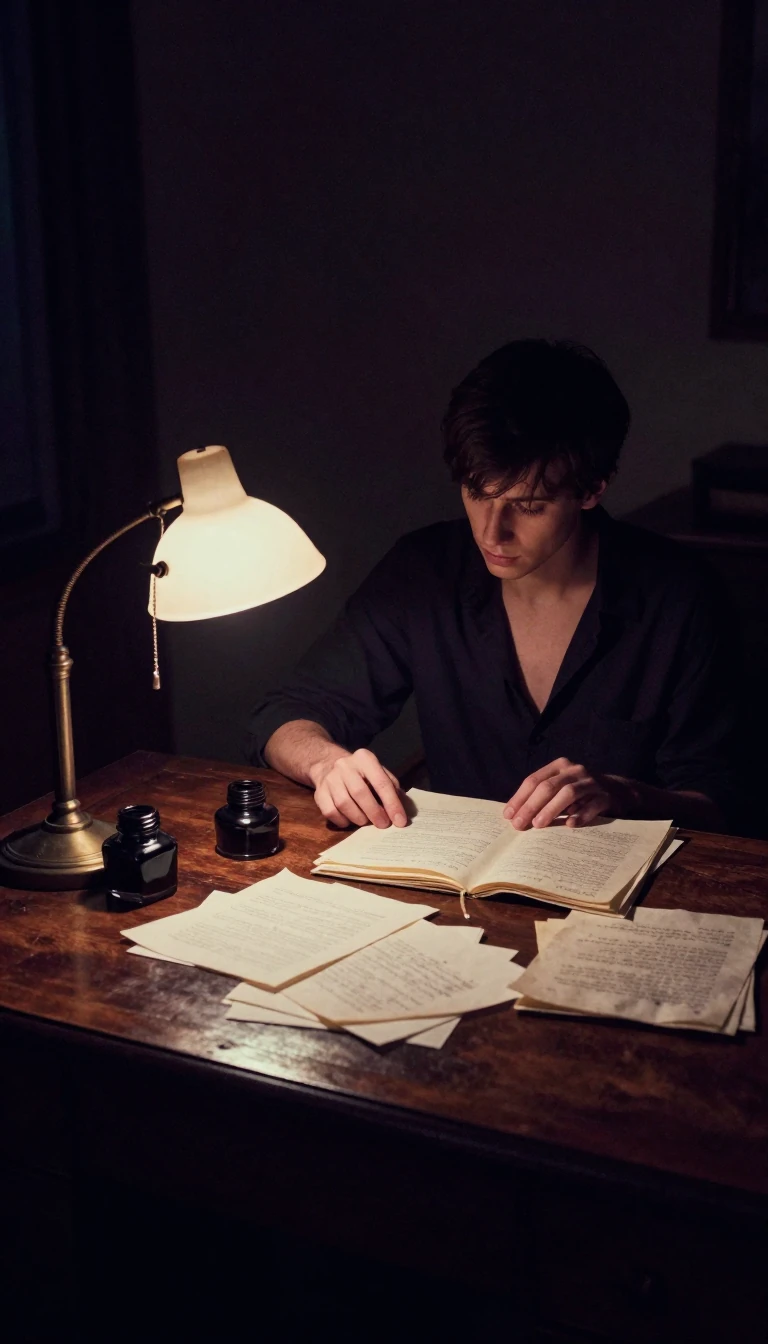
In short: Published in 1929, Hemingway’s masterpiece captures the existential disillusionment of the Lost Generation. Yet, the author famously struggled to find the right conclusion, obsessively rewriting the final page dozens of times. The result is a haunting, unromanticized account of war and love that remains a cornerstone of modern literature.
A Farewell to Arms follows Frederic Henry, an American ambulance officer serving in the Italian army during World War I. While stationed in Italy, Henry falls in love with Catherine Barkley, an English nurse. Their relationship develops against the backdrop of the disastrous 1917 Battle of Caporetto, where Henry deserts the army to avoid execution. The couple eventually flees to neutral Switzerland, seeking refuge from the violence that has defined their lives.
The novel is celebrated for its spare, rhythmic prose. Hemingway utilized short declarative clauses and frequent conjunctions, a technique he likened to the counterpoint in the music of Johann Sebastian Bach. This style was intended to strip away inessential language, rendering the brutality of the Italian front with immediate, lifelike clarity. The narrative is deeply autobiographical, reflecting the pathos of a generation that came of age amidst the trauma of global conflict.
The ending of the novel, in which Catherine dies during a painful labor and their child is stillborn, serves as a bleak emblem of postwar despondency. Hemingway’s perfectionism regarding this conclusion was legendary; while he once claimed to have rewritten the final page thirty-nine times, historical analysis reveals he actually drafted forty-seven distinct endings. These variations ranged from grim, nihilistic reflections on mortality to alternate versions where the baby survives, highlighting the author's intense, prolonged struggle to capture the precise emotional weight of his characters' final tragedy.
Opens the Intellect+ feed with this card first. Swipe up for the next one.
Sources
- Summary by Intellect · source: A Farewell to Arms | Summary, Characters, Themes, & Facts | Britannica
- Also: A Farewell to Arms
To cite this card, link to https://intellectplus.co.uk/app/art-a-farewell-to-arms.
How we source, check and correct cards: Editorial standards.
General information, not professional advice. Spotted an error? Flag the card or see corrections and complaints.
Intellect Plus is a visual educational discovery platform for exploring fascinating facts and ideas. Brain Food, Not Brain Rot. What is Intellect Plus?
Related
More in Literature · More in Art · Latest · A–Z · All topics
