Did a wartime romance truly shape the literary voice of Ernest Hemingway?
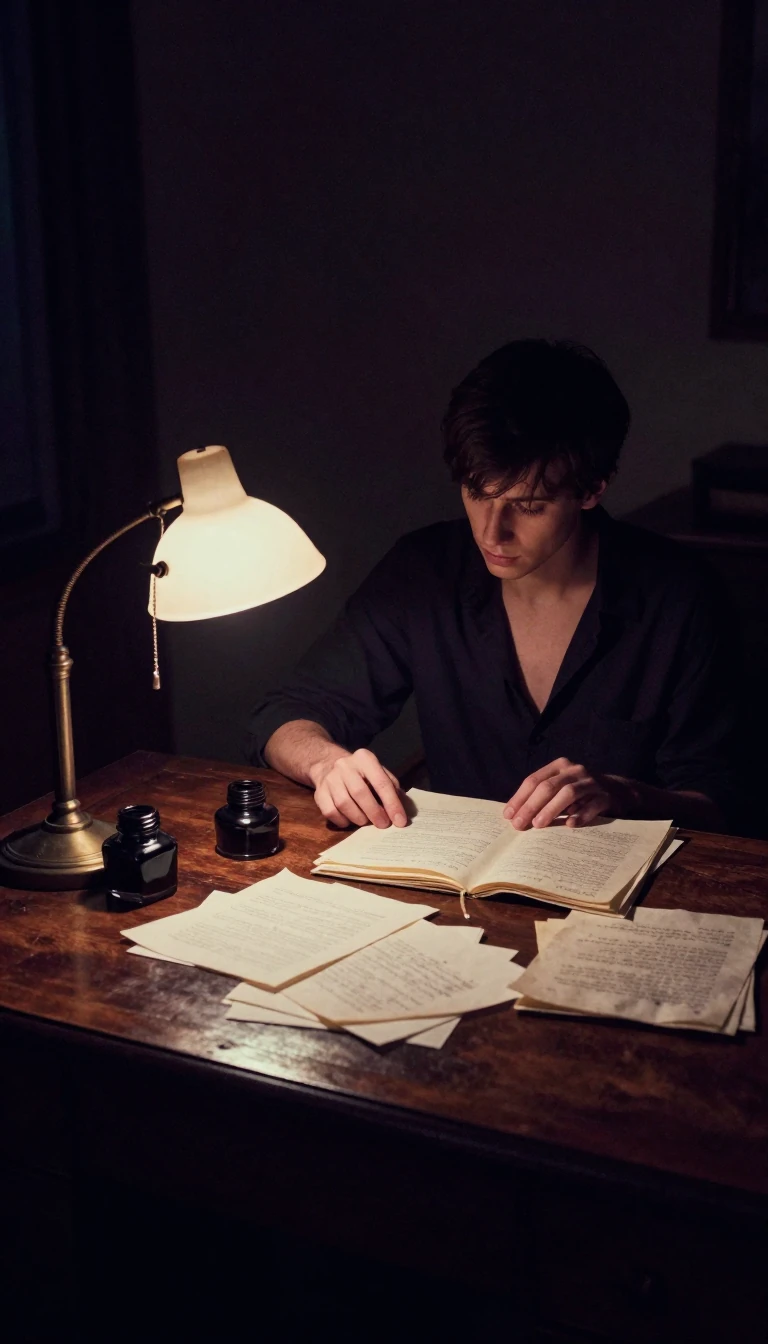
In short: The 1996 film In Love and War dramatizes the young writer's real-life injury and romance in Italy during the First World War. While the movie portrays a passionate, life-altering connection, historical reality suggests a more complicated, less cinematic truth behind the inspiration for his later masterpiece, A Farewell to Arms.
Directed by Richard Attenborough and released in 1996, In Love and War explores the formative experiences of a 19-year-old Ernest Hemingway. Serving as an ambulance driver in Italy, Hemingway was wounded while attempting to rescue a companion. During his recovery, he was treated by an American nurse named Agnes von Kurowsky. The film depicts their intense bond, which was heavily influenced by the age gap between them and the pressures of the front line.
The narrative is based on the book Hemingway in Love and War, written by Henry S. Villard and James Nagel. Villard, who shared a hospital room with the young Hemingway, provides a firsthand perspective on the period. However, the film takes significant creative liberties to heighten emotional intensity. In reality, the relationship was likely never consummated, and the two never reunited after Hemingway departed Italy. These events served as the emotional bedrock for Hemingway’s 1929 novel, A Farewell to Arms.
Critical reception of the film was largely negative, with an 11% approval rating on Rotten Tomatoes. Critics like Stephen Holden and Roger Ebert described the work as a generic, formulaic romance that failed to capture the complexity of Hemingway’s character, such as his grandiosity or his later literary persona. Despite this, the film achieved moderate commercial success, grossing over $25 million worldwide and briefly competing for the top box-office spot in January 1997.
The film’s conclusion—a dramatic, final confrontation at a family cabin—is a departure from the historical record. While the movie frames the romance as a tragic, unresolved passion, it remains a contentious interpretation of the author's early life. By prioritizing traditional romantic tropes, the film arguably misses the sharper, more cynical edge that would eventually define Hemingway’s mature writing style.
Opens the Intellect+ feed with this card first. Swipe up for the next one.
Sources
- Summary by Intellect · source: In Love and War (1996 film)
To cite this card, link to https://intellectplus.co.uk/app/entertainment-in-love-and-war-1996-film.
How we source, check and correct cards: Editorial standards.
General information, not professional advice. Spotted an error? Flag the card or see corrections and complaints.
Intellect Plus is a visual educational discovery platform for exploring fascinating facts and ideas. Brain Food, Not Brain Rot. What is Intellect Plus?
Related
More in Films · More in Entertainment · Latest · A–Z · All topics
