Alice Guy-Blaché was the world's first narrative filmmaker, yet history nearly erased her.
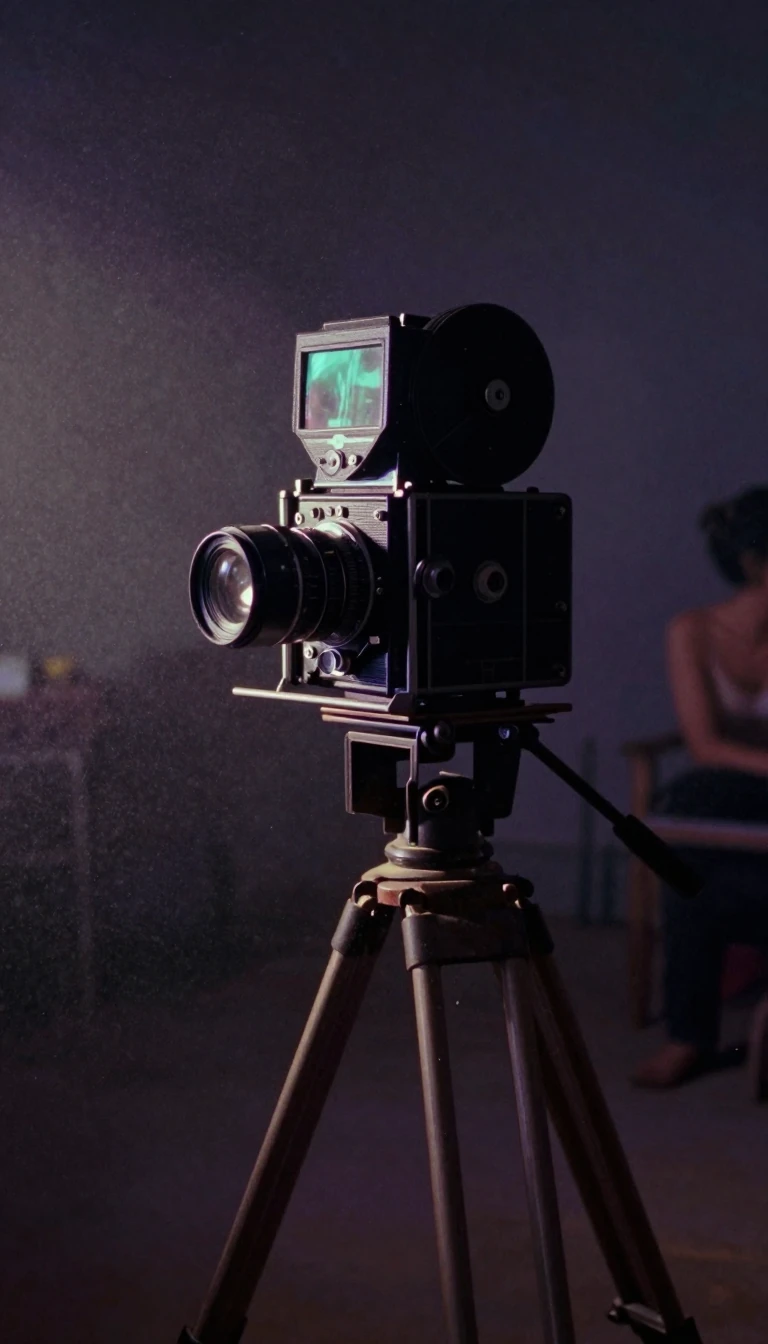
In short: Long before Hollywood, a French secretary named Alice Guy-Blaché pioneered narrative cinema. Between 1896 and 1920, she directed, produced, or supervised hundreds of films, mastering special effects and synchronized sound. Despite her massive influence on early storytelling, her legacy was largely forgotten, with many of her works misattributed to men.
Alice Guy-Blaché’s career began in 1894 as a secretary at a photography supply company that would eventually become the Gaumont film empire. After witnessing the first-ever film screening by the Lumière brothers in March 1895, she was struck by the "demon of cinema." While most contemporaries viewed film as a mere tool for scientific demonstration, Guy saw a medium for fiction. In 1896, she directed La Fée aux choux, widely considered one of the first narrative films in history, effectively launching her career as the world’s first female director.
During her time at Gaumont, Guy became head of production, overseeing hundreds of projects and experimenting with advanced techniques like double exposure, masking, and running film backward. She also pioneered early synchronized sound through the Gaumont Chronophone. Her work was marked by a distinct artistic vision; she favored real-world locations over studio sets and explored complex social themes, including gender role reversals and marriage as an equal partnership, as seen in films like Les Résultats du féminisme (1906).
In 1907, she moved to the United States with her husband, Herbert Blaché. By 1910, she founded her own studio, Solax, in Flushing, New York, later building a $100,000 facility in Fort Lee, New Jersey. At Solax, she directed and produced dozens of films, including the three-reeler Dick Whittington and His Cat (1913). However, industry shifts and the rise of the studio system eventually marginalized her. By 1922, her marriage had failed, and she returned to France, finding herself unable to secure work in an industry that had largely erased her contributions.
It was not until decades later that her pioneering role was rediscovered. Many of her films were lost, and others were wrongly credited to male colleagues. Recognition arrived late; she received the Legion of Honour in 1953 and her memoirs were published in 1976. Today, she is remembered as a visionary who transformed cinema from a technical curiosity into a powerful language for storytelling.
Opens the Intellect+ feed with this card first. Swipe up for the next one.
Sources
- Summary by Intellect · source: Alice Guy Blaché – Women Film Pioneers Project
- Also: Alice Guy Blaché: The Trailblazing Woman Filmmaker Who Understood the Future of Storytelling | Magazine | MoMA
- Also: Alice Guy-Blache | Films, Documentary, Book, & Facts | Britannica
- Also: Alice Guy-Blaché
To cite this card, link to https://intellectplus.co.uk/app/art-alice-guy-blach.
How we source, check and correct cards: Editorial standards.
General information, not professional advice. Spotted an error? Flag the card or see corrections and complaints.
Intellect Plus is a visual educational discovery platform for exploring fascinating facts and ideas. Brain Food, Not Brain Rot. What is Intellect Plus?
Related
More in Filmmakers and theatre directors · More in Art · Latest · A–Z · All topics
