A low-budget French romance became a global sensation through sheer visual and musical ingenuity.
In short: Claude Lelouch’s 1966 masterpiece, A Man and a Woman, was born from a shoestring budget and a chance encounter on a beach. By mixing film stocks and improvising key scenes, the director turned a simple story of two grieving parents into an Academy Award-winning classic that redefined romantic cinema.
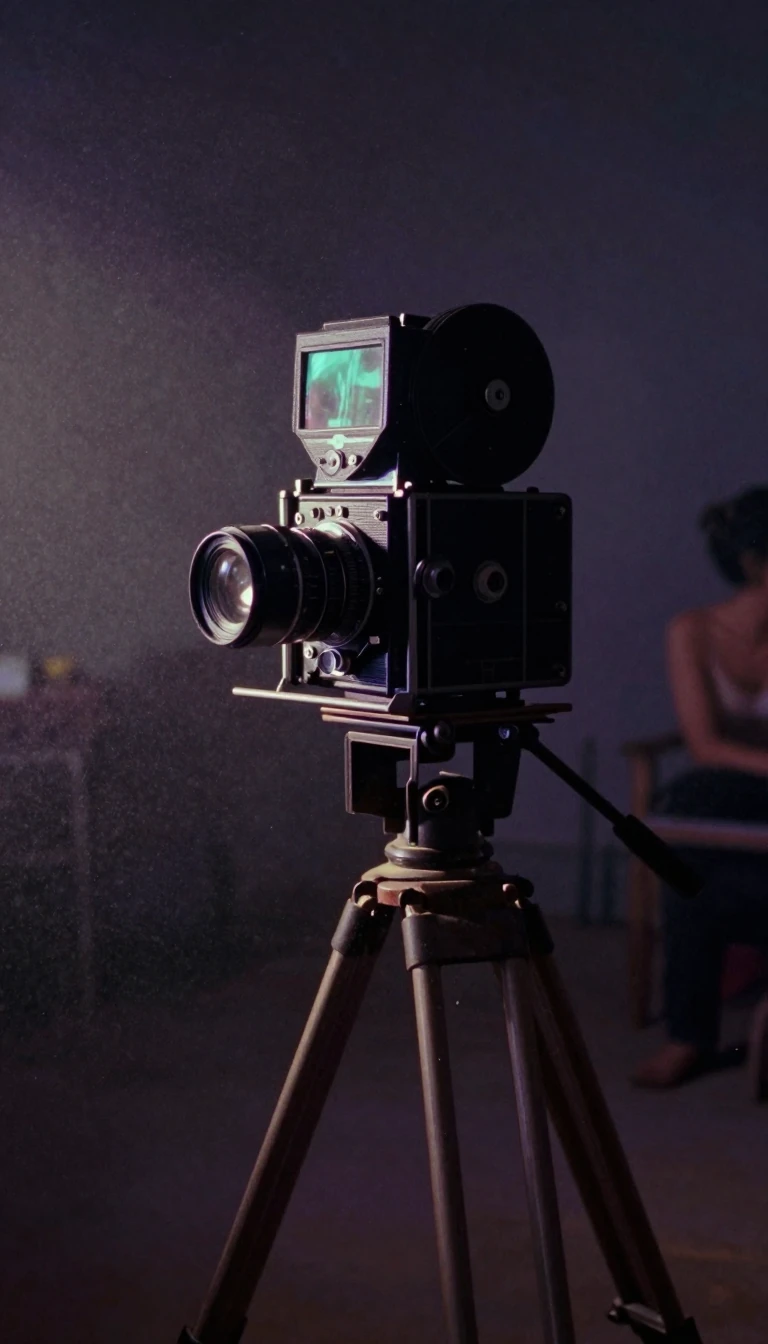
The film’s aesthetic, defined by its lush, shifting photography, was actually a pragmatic solution to financial constraints. Claude Lelouch originally intended to shoot entirely in black and white, but an American distributor’s $40,000 offer for color footage forced him to alternate between color, black-and-white, and sepia-toned shots. Similarly, the lack of soundproof equipment meant the crew frequently used blankets to dampen the noise of their handheld camera. Despite these limitations, the film’s visual style was lauded by critics for its ability to transform the commonplace into something poetic.
The production process relied heavily on spontaneity and emotional connection. Lelouch believed that a director must love their actors to capture genuine performances, a philosophy that led him to cast his friend Anouk Aimée after a suggestion from co-star Jean-Louis Trintignant. The director often played the film’s evocative score by Francis Lai on set to inspire the cast, and he encouraged improvisation throughout the shoot. The film’s climactic reunion at a train station was unscripted; consequently, the surprise visible on Aimée’s face when she sees Trintignant is entirely authentic.
Beyond its critical success—winning the Grand Prix at Cannes and two Academy Awards—the film left an enduring cultural footprint. Its music, particularly the theme song and the track "Aujourd'hui c'est toi," became iconic, finding a second life as the signature sound for television programs like the BBC’s Panorama and Finland’s Ajankohtainen kakkonen. While the narrative of two widowed parents navigating new love was simple, the film’s technical innovation and emotional honesty ensured its place in cinema history, spawning two sequels and inspiring countless filmmakers worldwide.
Opens the Intellect+ feed with this card first. Swipe up for the next one.
Sources
- Summary by Intellect · source: A Man and a Woman
- Also: Wikidata — A Man and a Woman · CC0
- Also: Wikidata — A Man and a Woman · CC0
To cite this card, link to https://intellectplus.co.uk/app/entertainment-a-man-and-a-woman.
How we source, check and correct cards: Editorial standards.
General information, not professional advice. Spotted an error? Flag the card or see corrections and complaints.
Intellect Plus is a visual educational discovery platform for exploring fascinating facts and ideas. Brain Food, Not Brain Rot. What is Intellect Plus?
Related
More in Films · More in Entertainment · Latest · A–Z · All topics
