Why a 1929 novel about World War I remains the ultimate antiwar masterpiece
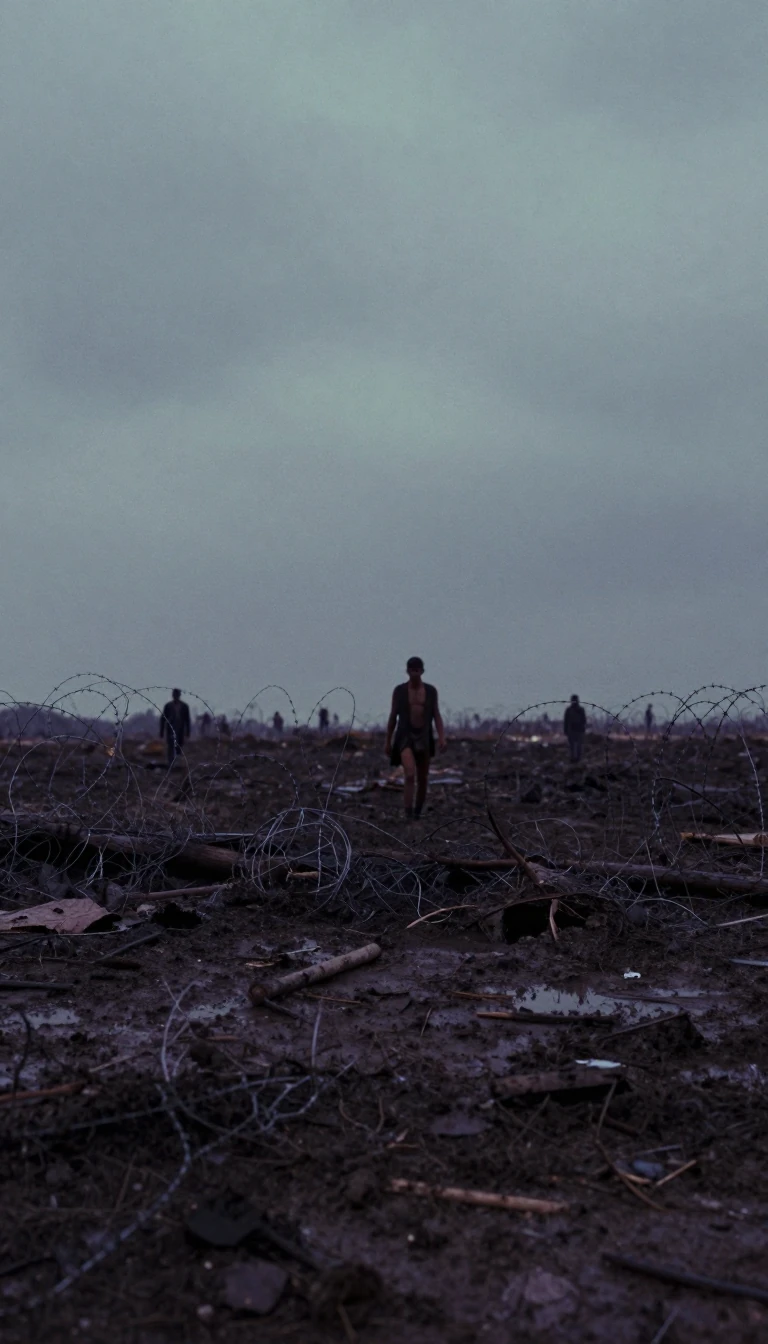
In short: Erich Maria Remarque’s All Quiet on the Western Front stripped away the romantic veneer of combat to reveal the hollow reality of the trenches. By focusing on the psychological erosion of young soldiers, the novel transformed a personal account into a universal, unflinching critique of the nature of modern warfare.
Published in 1929, Erich Maria Remarque’s novel draws directly from his own service as a German soldier during World War I. The story follows Paul Baumer, a 20-year-old who enlists alongside his classmates after being swayed by patriotic rhetoric. Upon reaching the front, these young men quickly discover that the reality of the battlefield bears no resemblance to the glory they were promised. Instead, they face a grueling existence defined by poison gas, constant shelling, and the persistent, gnawing hunger that forces them to scavenge for raw horsemeat.
The narrative is notable for its refusal to adopt a traditional heroic stance. Remarque depicts the war through the eyes of 'simple folk'—laborers and clerks—who find themselves fighting enemies they have never met, driven by the decisions of rulers rather than personal animosity. This disillusionment is deepened when Paul returns home on leave. He finds himself unable to reconnect with his family or his past, feeling like a stranger in his own village. The trauma of the trenches has erased his passion for literature and left him feeling fundamentally detached from civilian life.
The novel’s title, taken from the language of routine military communiqués, underscores its laconic, understated style. It records the daily horrors of war with a graphic realism that shocked contemporary readers. As Paul’s friends are killed one by one, the story culminates in a bleak realization: the generation that survived the war would remain forever misunderstood. The book ends with the announcement of Paul’s death on a day when the army report simply noted that all was quiet on the Western Front, emphasizing the indifference of the military machine to the individual lives it consumed.
Opens the Intellect+ feed with this card first. Swipe up for the next one.
Sources
- Summary by Intellect · source: All Quiet on the Western Front | Summary, Characters, Analysis, & Facts | Britannica
- Also: All Quiet on the Western Front
To cite this card, link to https://intellectplus.co.uk/app/art-all-quiet-on-the-western-front.
How we source, check and correct cards: Editorial standards.
General information, not professional advice. Spotted an error? Flag the card or see corrections and complaints.
Intellect Plus is a visual educational discovery platform for exploring fascinating facts and ideas. Brain Food, Not Brain Rot. What is Intellect Plus?
Related
More in Literature · More in Art · Latest · A–Z · All topics
