From ancient epics to modern trauma, how war novels define our collective memory
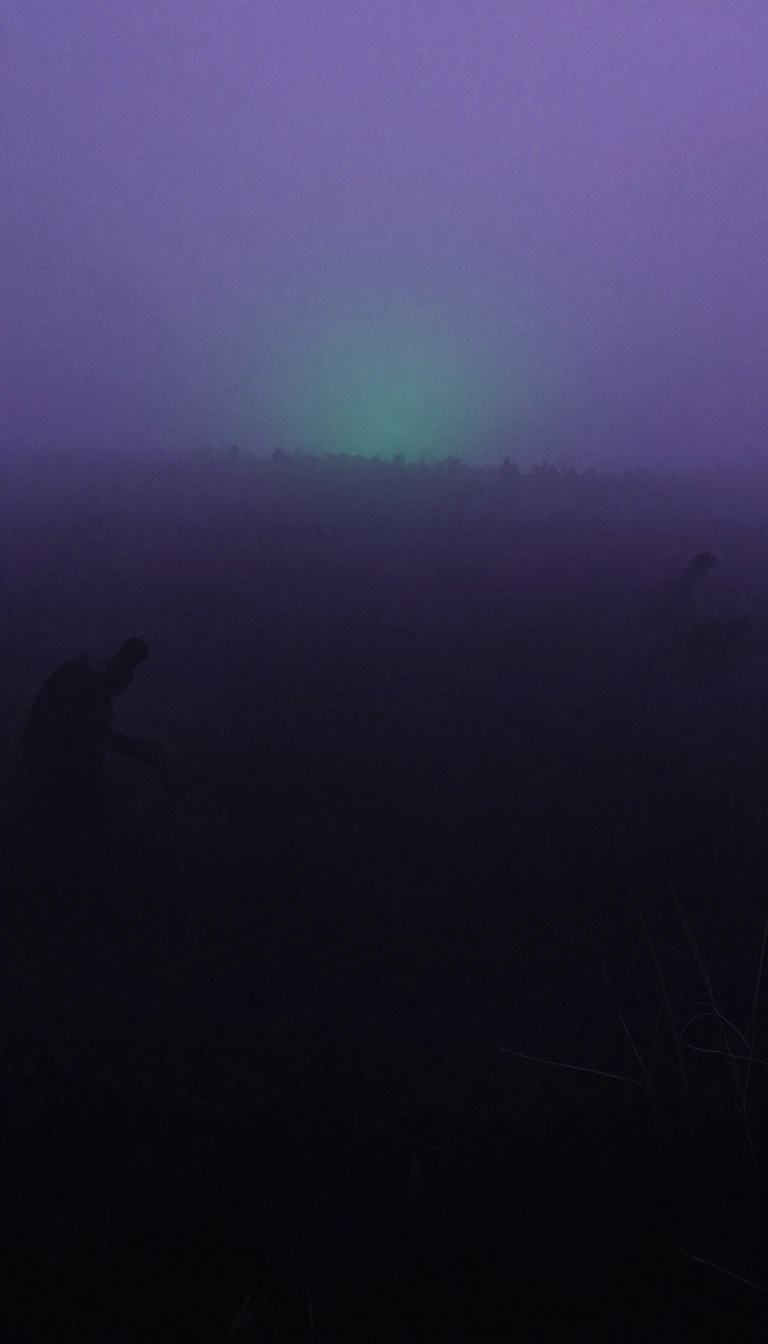
In short: War novels are more than battlefield accounts; they are mirrors of societal trauma and shifting ethics. From the ancient epics of Homer to the psychological realism of the twentieth century, these stories transform the chaos of conflict into a narrative that helps us process the horrors of our own history.
The war novel finds its roots in classical and medieval epic poetry, such as Homer’s The Iliad and the Old English Beowulf. These early works served to preserve the mythology of conflicts while reinforcing a collective memory. By the seventeenth century, as the realistic novel gained prominence, the genre evolved from picaresque satires—like Grimmelshausen’s Simplicius Simplicissimus—into more grounded portraits of human experience. The nineteenth century marked the genre's coming of age, with authors like Tolstoy and Crane exploring the nature of heroism, cowardice, and moral ambiguity during major historical conflicts.
The First World War triggered a massive literary boom, as veterans began to write openly about their experiences. While some, like Ernst Jünger, portrayed the war as a valiant struggle, others like Henri Barbusse and Erich Maria Remarque offered brutal, anti-war critiques of nationalist dogma and trench warfare. This era also saw the rise of 'home front' novels, such as Rebecca West’s The Return of the Soldier, which examined the psychological toll of conflict on those left behind. Modernist writers further expanded the scope, using war as a lens to explore alienation and trauma, as seen in Virginia Woolf’s Mrs. Dalloway.
Following the Second World War, the genre diversified significantly. American writers dominated the field, integrating air and sea combat into the narrative, while other authors explored the Holocaust, internment, and the atomic bombing of Hiroshima. Contemporary novelists have since shifted toward a retrospective approach, using memory and postmodern inquiry to examine the ambiguities of time. Whether through the lens of espionage, as in Tom Clancy’s work, or the psychological depth of Pat Barker’s trilogies, the war novel remains a vital tool for navigating the human condition in times of crisis.
Opens the Intellect+ feed with this card first. Swipe up for the next one.
Sources
- Summary by Intellect · source: War novel
To cite this card, link to https://intellectplus.co.uk/app/art-war-novel.
How we source, check and correct cards: Editorial standards.
General information, not professional advice. Spotted an error? Flag the card or see corrections and complaints.
Intellect Plus is a visual educational discovery platform for exploring fascinating facts and ideas. Brain Food, Not Brain Rot. What is Intellect Plus?
Related
More in Literature · More in Art · Latest · A–Z · All topics
