Why your brain struggles to decide what it is actually seeing in ambiguous images
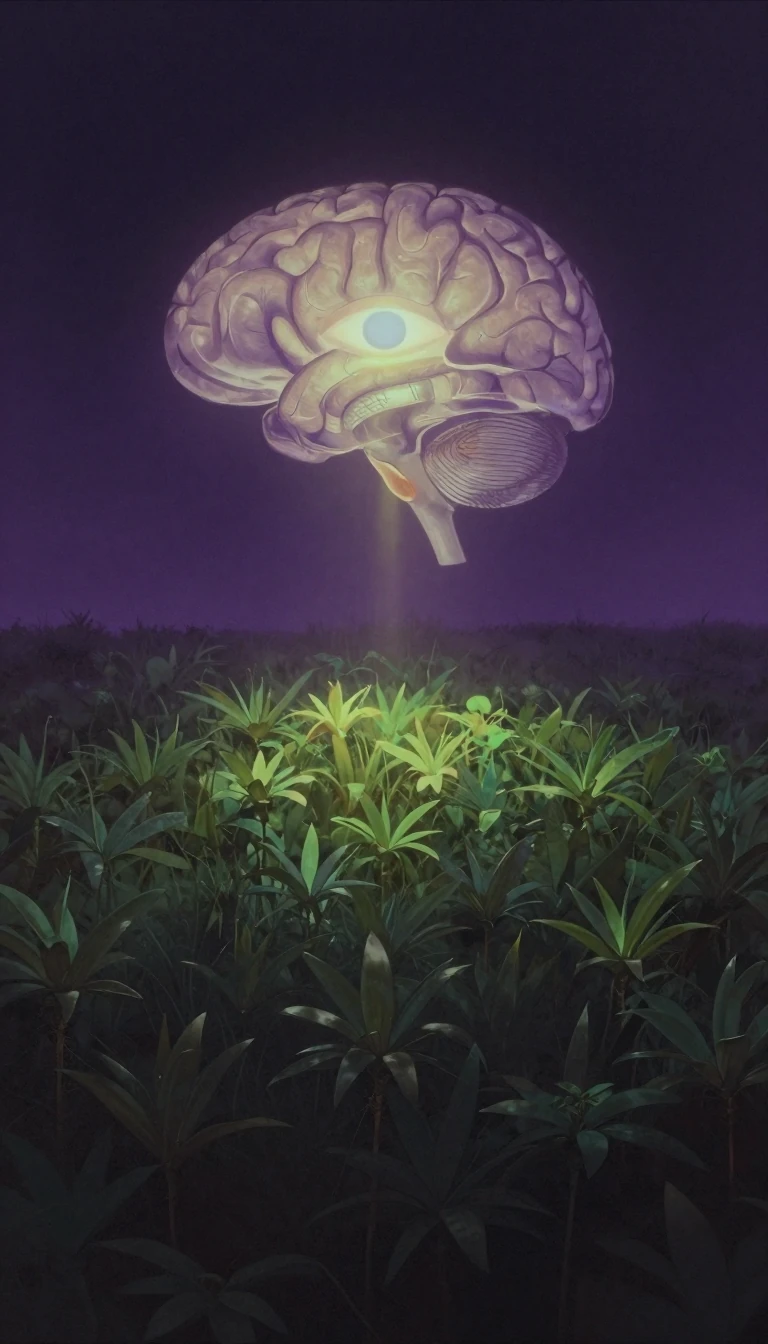
In short: Ambiguous images exploit gaps in visual processing to create multistable perceptions, where one form holds multiple stable meanings. By forcing the brain to reconcile conflicting data, these illusions reveal the complex, heuristic-driven machinery we use to navigate reality, turning simple sight into an active, memory-dependent act of constant interpretation.
Ambiguous images, such as the rabbit-duck illusion or the Rubin vase, are not merely visual tricks; they are essential tools for psychologists studying multistable perception. This phenomenon occurs when a single image supports multiple, stable interpretations. The process begins in mid-level vision, where the brain organizes basic features like edges and textures into recognizable groups. To resolve ambiguity, the visual system employs Gestalt grouping rules—heuristics like proximity, similarity, and good continuation—that allow us to quickly categorize patterns based on past experience rather than laboriously analyzing every individual component.
The brain’s reliance on these shortcuts is so profound that it often makes inferences beyond the information actually presented. For instance, illusory contours appear when the brain perceives a shape where no physical gradient exists, effectively filling in gaps to maintain a coherent understanding of the world. This process is heavily dependent on memory and prior knowledge. When the visual system encounters an unfamiliar or ambiguous input, it compares the current perceptual representation against templates stored in memory. If this high-level recognition fails, as seen in cases of prosopagnosia where a face is identified but not recognized, the ambiguity remains unresolved.
These mechanisms are not just theoretical; they are fundamental to how we survive. Camouflage in nature works by disrupting these very grouping rules, imitating environmental textures to prevent a predator from segmenting the prey from its background. Conversely, artists like M.C. Escher and Salvador Dalí have long exploited these cognitive vulnerabilities to challenge our perception of depth and reality. Whether through the accidental viewpoint of street art or the reversible narratives of Gustave Verbeek’s 1903 comic series, ambiguous images remind us that vision is a constructive act. We do not simply see the world; we build it, piece by piece, using the tools of memory, pattern recognition, and the persistent, often flawed, logic of our own visual system.
Opens the Intellect+ feed with this card first. Swipe up for the next one.
Sources
- Summary by Intellect · source: Ambiguous image
- Also: Art Institute of Chicago — And Man Created God in His Own Image · CC0 (data); description CC BY 4.0
To cite this card, link to https://intellectplus.co.uk/app/art-ambiguous-image.
How we source, check and correct cards: Editorial standards.
General information, not professional advice. Spotted an error? Flag the card or see corrections and complaints.
Intellect Plus is a visual educational discovery platform for exploring fascinating facts and ideas. Brain Food, Not Brain Rot. What is Intellect Plus?
Related
More in Visual arts · More in Art · Latest · A–Z · All topics
