Ancient art was rarely just for aesthetics; it was a tool for order and survival.
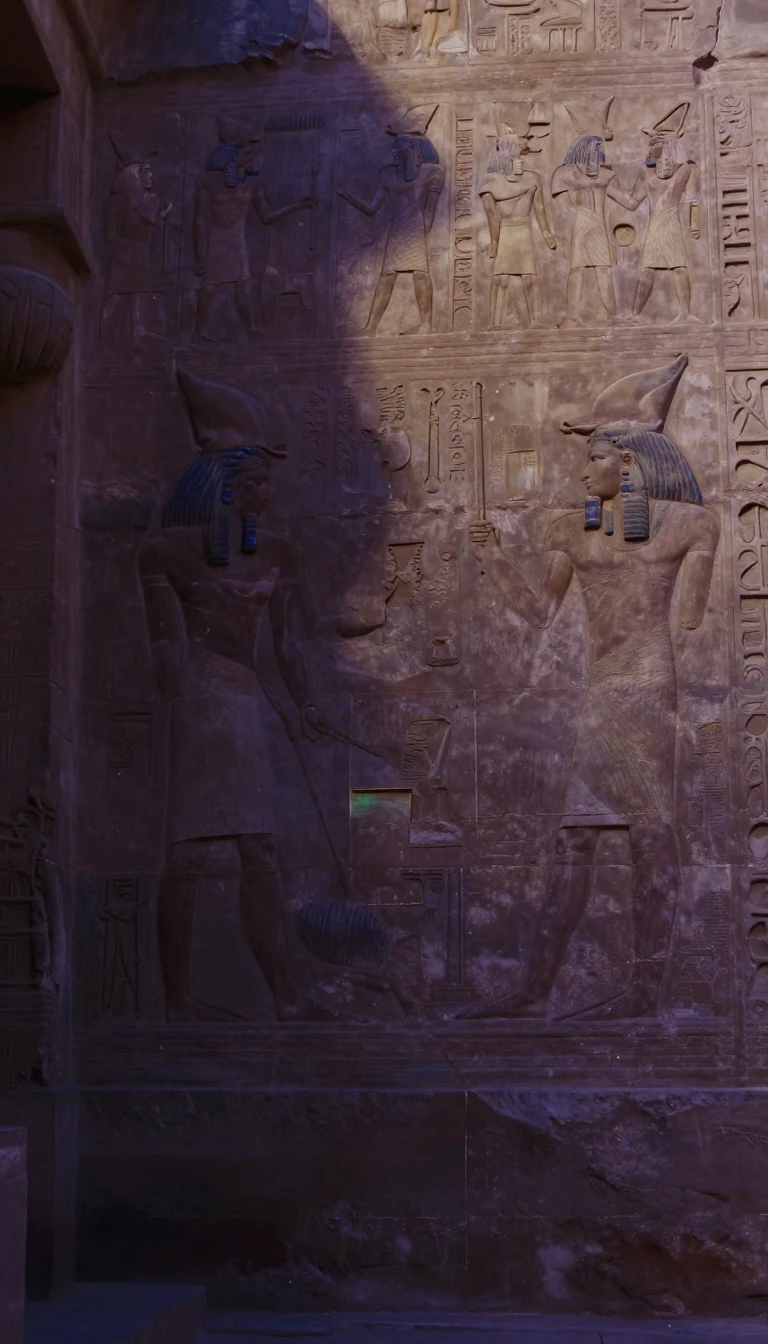
In short: From the rigid hierarchies of Egyptian pharaohs to the trade-driven innovations of the Arabian Peninsula, ancient art served as a vital language. Whether preserving the status of a ruler or guiding the soul into the afterlife, these works reveal how early civilizations codified their values, beliefs, and complex social structures.
Ancient art was fundamentally functional, acting as a bridge between the earthly realm and the divine or political order. In Egypt, art was strictly governed by a sense of balance, where the size of a figure was dictated by their social importance rather than physical perspective. This rigid hierarchy ensured that pharaohs and gods remained visually dominant, reinforcing the stability of the state. Even during periods of upheaval, such as the monotheistic reign of Akhenaton, the underlying drive for symbolic communication remained, with artists utilizing specific colors—like blue for the Nile and yellow for the sun—to convey profound cultural truths.
Beyond the Nile, art functioned as a marker of economic and cultural identity. In the Arabian Peninsula, civilizations like Sheba thrived on the trade of aromatics, using their wealth to influence artistic styles across the Mediterranean and Near East. Similarly, the Hittites in Anatolia relied on a canonized vocabulary of motifs, rearranging familiar images to communicate complex narratives to an largely illiterate population. This pragmatic approach to art allowed these societies to maintain a cohesive identity despite external pressures and the constant movement of goods and people across vast trade networks.
The survival of these works often depended on environmental factors and material choices. Egypt’s dry climate preserved vibrant pigments for millennia, while the Mesopotamian abundance of clay led to the development of bricks and enameled tiles. In contrast, the Etruscans favored terracotta and bronze, though much of their larger work was lost to recycling. Whether it was the funerary statues of the Ptolemaic period designed to facilitate rebirth or the Greek pottery used as wedding gifts, ancient art was rarely created for the sake of art alone; it was an essential technology for navigating life, death, and the social order.
Opens the Intellect+ feed with this card first. Swipe up for the next one.
Sources
- Summary by Intellect · source: Ancient art
- Also: Statue of Ptah-Sokar-Osiris
To cite this card, link to https://intellectplus.co.uk/app/art-ancient-art.
How we source, check and correct cards: Editorial standards.
General information, not professional advice. Spotted an error? Flag the card or see corrections and complaints.
Intellect Plus is a visual educational discovery platform for exploring fascinating facts and ideas. Brain Food, Not Brain Rot. What is Intellect Plus?
Related
More in Visual arts · More in Art · Latest · A–Z · All topics
