Why the world’s finest violins rely on a glue made from animal hides
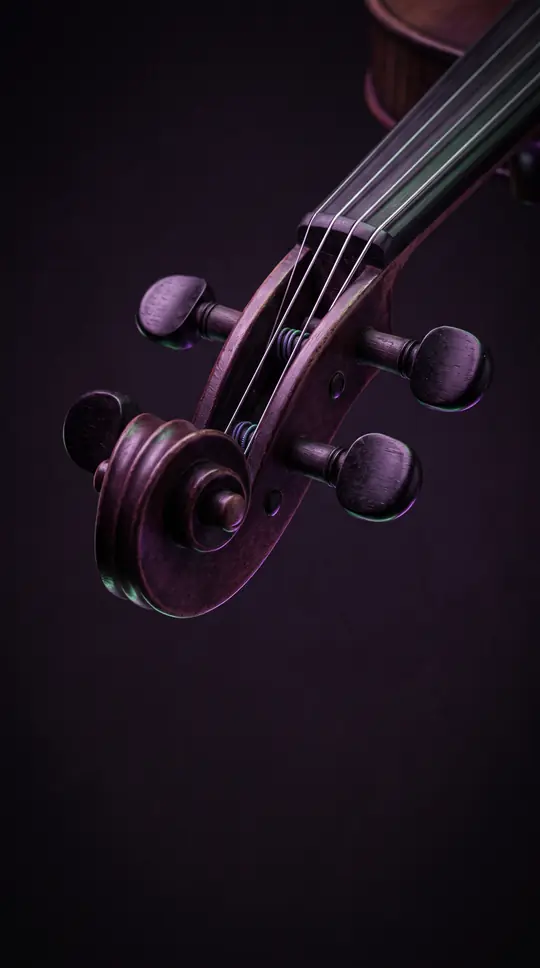
In short: For centuries, master luthiers have shunned modern synthetic resins in favor of a protein-based adhesive derived from animal connective tissue. This ancient substance, known as hide glue, offers unique properties that synthetic alternatives cannot replicate, including the ability to be reversed, repaired, and even act as its own clamp.
Animal glue is created through the prolonged boiling of connective tissues—such as skins, bones, and tendons—in a process called rendering. This method hydrolyzes collagen, the protein that forms the molecular bond essential for the adhesive's strength. While modern synthetic adhesives like polyvinyl acetate (PVA) are common today, animal glue remained the standard for woodworking for thousands of years. Its use dates back to at least 2000 BC, with evidence appearing on Egyptian pharaohs' caskets and in the construction of the Terracotta Army in China.
The primary advantage of hide glue lies in its reversibility. Unlike synthetic glues, which often require the removal of material to break a bond, hide glue joints can be easily separated using heat and steam. This makes it indispensable for restoring delicate artifacts, such as violin family instruments, which require periodic maintenance. Because hide glue adheres to itself, a restorer can simply apply fresh glue to an old joint and reclamp it. Furthermore, the glue’s tendency to shrink and gel as it cools allows it to pull joints together, a property luthiers exploit to create seamless, clamp-free bonds.
Despite these benefits, hide glue is demanding. It must be applied hot, typically around 60 °C (140 °F), and has a very short 'open time'—often less than a minute—before it gels and loses its strength. It is also susceptible to moisture and microorganisms, requiring careful storage. While synthetic adhesives have largely replaced it in industrial settings, hide glue remains the preferred choice for specialty applications like piano repair, pipe organ building, and glass art, where its specific brittleness can even be used to chip glass for decorative effects. It stands as a testament to how traditional materials, when mastered, provide precision that modern chemistry has yet to fully supersede.
Opens the Intellect+ feed with this card first. Swipe up for the next one.
Sources
- Summary by Intellect · source: Animal glue
To cite this card, link to https://intellectplus.co.uk/app/art-animal-glue.
How we source, check and correct cards: Editorial standards.
General information, not professional advice. Spotted an error? Flag the card or see corrections and complaints.
Intellect Plus is a visual educational discovery platform for exploring fascinating facts and ideas. Brain Food, Not Brain Rot. What is Intellect Plus?
Related
More in Visual artists · More in Art · Latest · A–Z · All topics
