How Annibale Carracci revived the High Renaissance to birth the dramatic Baroque era
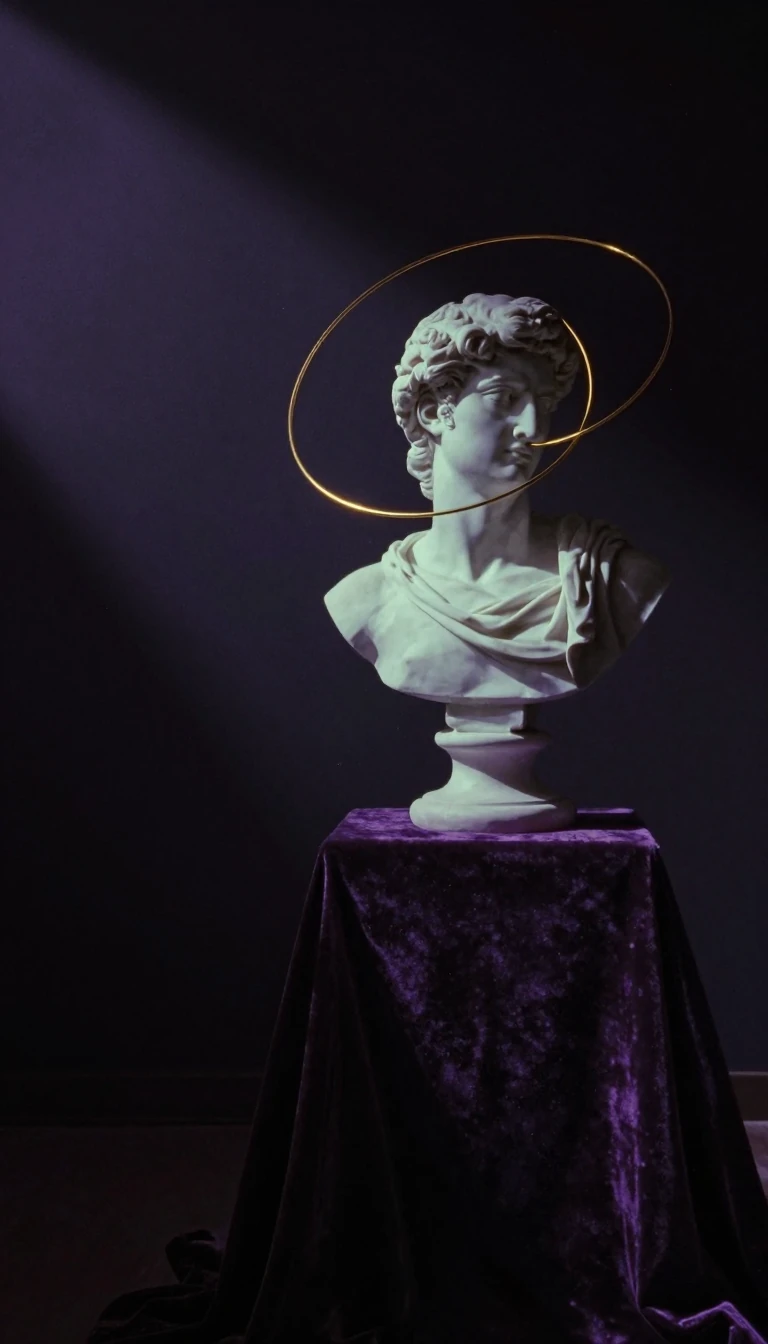
In short: Annibale Carracci was the most gifted of a legendary family of painters. By blending the linear precision of Raphael with the vibrant, atmospheric colors of the Venetian school, he helped transition European art away from the stiff affectations of Mannerism toward the emotional, sensory, and monumental power of the Baroque.
Born in Bologna in 1560, Annibale Carracci emerged as a pivotal figure in Western art history. Alongside his brother Agostino and cousin Ludovico, he founded an influential studio that prioritized life drawing and technical mastery. This collective, later known as the Accademia degli Incamminati, became a foundational model for European art education. Annibale’s approach was defined by a deliberate eclecticism; he rejected the artificiality of Mannerism, seeking instead to recover the classicizing tradition of the High Renaissance while infusing it with a new, vital dynamism.
His career reached a zenith in Rome at the Palazzo Farnese. Commissioned by Cardinal Odoardo Farnese, Annibale led the decoration of the grand salon, creating the celebrated ceiling frescoes depicting The Loves of the Gods. This work, completed around the turn of the 17th century, utilized illusionistic elements framed by the restrained classicism of Michelangelo and Raphael. It served as a vital bridge, inspiring the subsequent generation of Baroque artists—including Cortona, Lanfranco, and Pozzo—to push toward even greater energy and dramatic scale.
The Baroque style itself, which flourished throughout the 17th century, was characterized by a desire to evoke intense emotional states. Following the Council of Trent, the Catholic Church utilized this aesthetic to stimulate piety, employing naturalistic treatments to make religious imagery accessible while using illusory effects to suggest divine splendor. Annibale’s work, such as his etching of Susanna and the Elders (c. 1590–95) and his preparatory sketches for Hercules and Iole (after 1600), demonstrated his technical rigor. His influence was so profound that critics like Giovanni Bellori later hailed him as the paragon of Italian painters, a master who successfully revitalized the great traditions of the past.
Ultimately, Annibale’s legacy lies in his ability to reconcile the spiritual with the sensuous. By balancing the Platonic ideal of beauty with a keen observation of nature, he helped define a visual language that could communicate both the grandeur of absolute monarchies and the complex, infinite nature of the world. His contributions ensured that the Baroque would become more than just an irregular or bizarre departure from rules, but a sophisticated, systematic movement that fundamentally altered the trajectory of European painting.
Opens the Intellect+ feed with this card first. Swipe up for the next one.
Sources
- Summary by Intellect · source: Annibale Carracci | Italian Baroque Painter & Printmaker | Britannica
- Also: Annibale Carracci
- Also: Susanna and the Elders
- Also: Hercules and Iole
To cite this card, link to https://intellectplus.co.uk/app/art-annibale-carracci.
How we source, check and correct cards: Editorial standards.
General information, not professional advice. Spotted an error? Flag the card or see corrections and complaints.
Intellect Plus is a visual educational discovery platform for exploring fascinating facts and ideas. Brain Food, Not Brain Rot. What is Intellect Plus?
Related
More in Visual artists · More in Art · Latest · A–Z · All topics
