How a red-haired orphan from a clerical error became a global literary icon
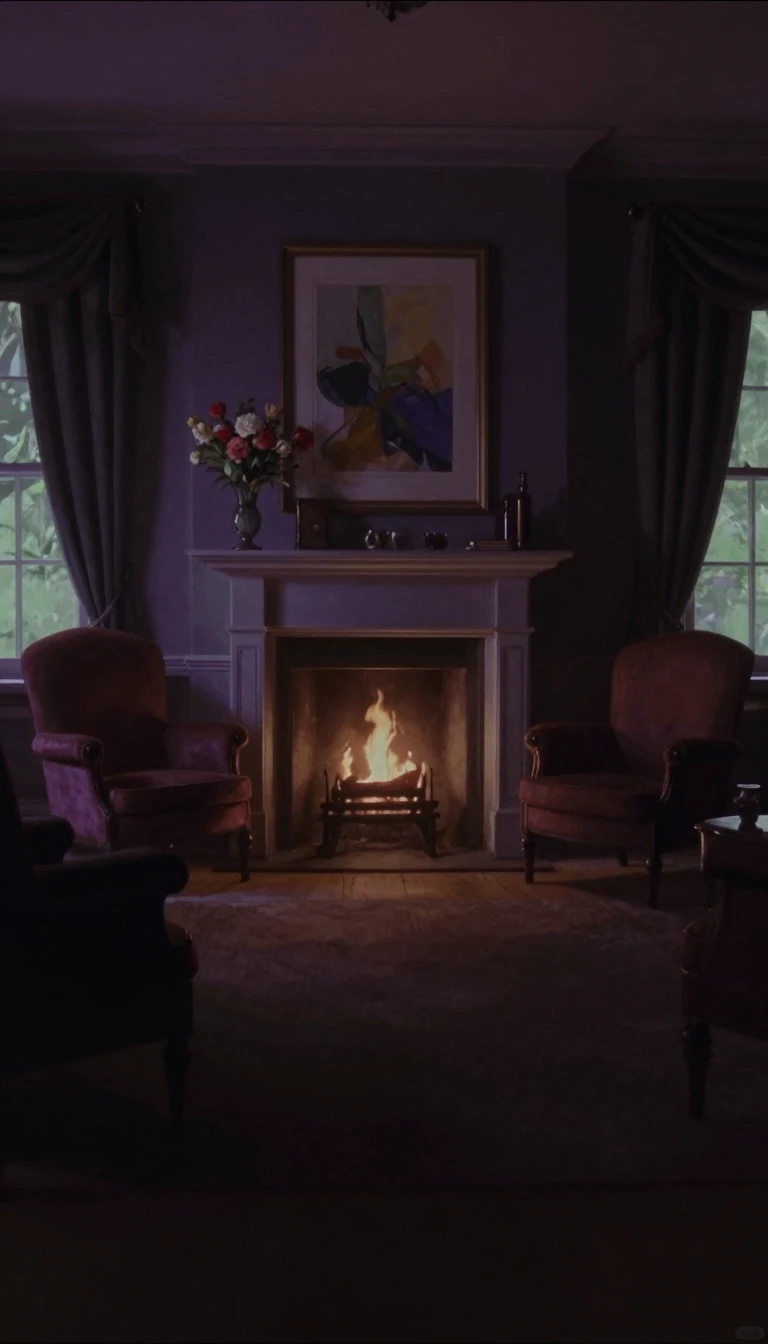
In short: When Lucy Maud Montgomery published her 1908 novel, she expected little more than a modest success. Instead, the story of Anne Shirley—a spirited orphan mistakenly sent to a farm meant for a boy—captivated the world, earning praise from Mark Twain as the most lovable child in all of fiction.
The narrative of Anne of Green Gables emerged from a blend of personal history and creative inspiration. Montgomery, a Canadian author, drew upon her own upbringing in rural Prince Edward Island to craft the setting of Avonlea. The central premise—a pair of elderly siblings, Matthew and Marilla Cuthbert, who request a boy to help with farm labor only to receive an imaginative, red-haired girl—was inspired by a newspaper story and notes she had kept since her youth. To visualize her protagonist, Montgomery famously used a clipped photograph of Evelyn Nesbit as a model for Anne's face.
The novel tracks Anne’s evolution from a misunderstood outsider into a beloved member of the community. Her journey is marked by both whimsical misadventures, such as accidentally dyeing her hair green, and profound personal growth. Her relationship with the Cuthbert siblings deepens over time, as her presence transforms their once-joyless lives. Simultaneously, her academic ambitions and her long-simmering rivalry with classmate Gilbert Blythe provide the tension that drives the plot forward. The story is not merely a sentimental tale; it is a rigorous exploration of duty and sacrifice.
The climax of the book arrives when tragedy strikes the Cuthbert household. Following the death of Matthew and the loss of the family's savings, Anne makes a life-altering decision. She foregoes a prestigious scholarship to Redmond College to remain at Green Gables, caring for Marilla as her eyesight fails. This act of devotion, coupled with a gesture of reconciliation from Gilbert Blythe, cements the emotional core of the work. While Montgomery initially had no intention of continuing the series, the overwhelming success of the original novel eventually led her to pen several sequels, tracing Anne's life from her formative years through to motherhood.
Opens the Intellect+ feed with this card first. Swipe up for the next one.
Sources
- Summary by Intellect · source: Anne of Green Gables | Summary, Characters, & Facts | Britannica
- Also: Anne of Green Gables
To cite this card, link to https://intellectplus.co.uk/app/art-anne-of-green-gables.
How we source, check and correct cards: Editorial standards.
General information, not professional advice. Spotted an error? Flag the card or see corrections and complaints.
Intellect Plus is a visual educational discovery platform for exploring fascinating facts and ideas. Brain Food, Not Brain Rot. What is Intellect Plus?
Related
More in Literature · More in Art · Latest · A–Z · All topics
