A Swedish Nobel laureate's space epic became a modern myth about human extinction
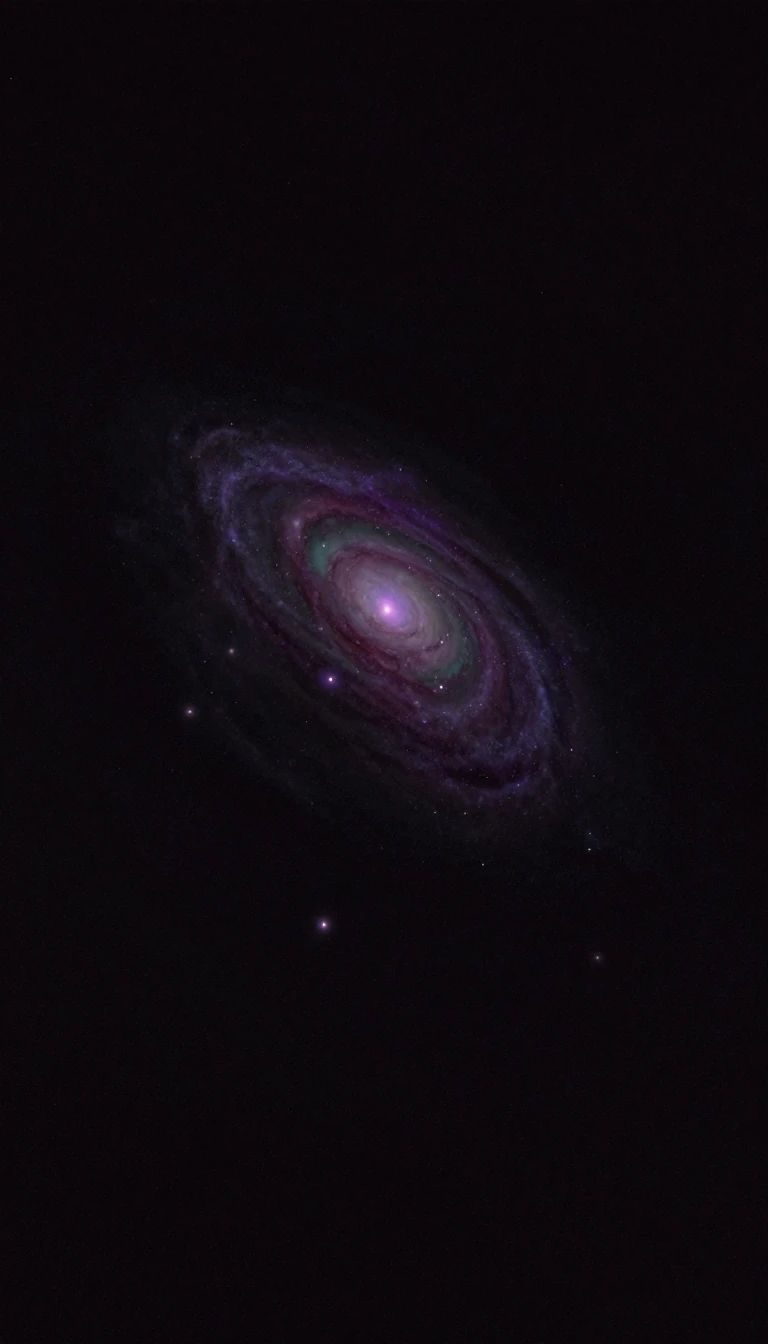
In short: Harry Martinson’s 1956 poem Aniara depicts a passenger spacecraft drifting off course into the void. This haunting epic, born from Cold War anxieties, explores the fragility of human existence when stripped of home. It has since evolved from a literary landmark into a persistent cultural myth, inspiring music, film, and opera.
Published in October 1956, Aniara is a book-length epic poem consisting of 103 cantos. It follows a massive spacecraft originally bound for Mars that is ejected from the Solar System after an accident. The passengers, fleeing a ravaged Earth, find themselves trapped in an existential struggle as they drift through the cosmos. The work was written between 1953 and 1956, a period marked by Martinson’s deep concerns regarding the Cold War, the threat of nuclear annihilation, and the rapid pace of the space race.
At the heart of the narrative is the Mima, a semi-mystical machine that provides the passengers with visions of far-off times and places to alleviate their crushing boredom. When the Mima eventually destroys itself in despair after witnessing the annihilation of the passengers' home port, the colonists descend into a chaotic search for meaning. They turn to religious cults, sensual orgies, and brutal totalitarianism, ultimately failing to confront the emptiness both outside the ship and within themselves. Critics have praised the work for its lyrical storytelling and its profound portrayal of how human greatness can collapse into powerlessness.
Martinson’s influence extends far beyond Swedish literature. The poem has been translated into roughly twenty languages and has inspired works ranging from Poul Anderson’s science fiction novel Tau Zero to a 2018 Swedish feature film. In 2019, the International Astronomical Union even named an extrasolar planet after the character Isagel, with its host star named Aniara. Whether interpreted as a warning about the atomic age or a meditation on the human condition, the work remains a powerful, bleak vision of extinction that continues to resonate with readers and artists decades after its initial publication.
Opens the Intellect+ feed with this card first. Swipe up for the next one.
Sources
- Summary by Intellect · source: Aniara
To cite this card, link to https://intellectplus.co.uk/app/art-aniara.
How we source, check and correct cards: Editorial standards.
General information, not professional advice. Spotted an error? Flag the card or see corrections and complaints.
Intellect Plus is a visual educational discovery platform for exploring fascinating facts and ideas. Brain Food, Not Brain Rot. What is Intellect Plus?
Related
More in Literature · More in Art · Latest · A–Z · All topics
