How Antony Tudor transformed ballet from decorative spectacle into a mirror for the human psyche.
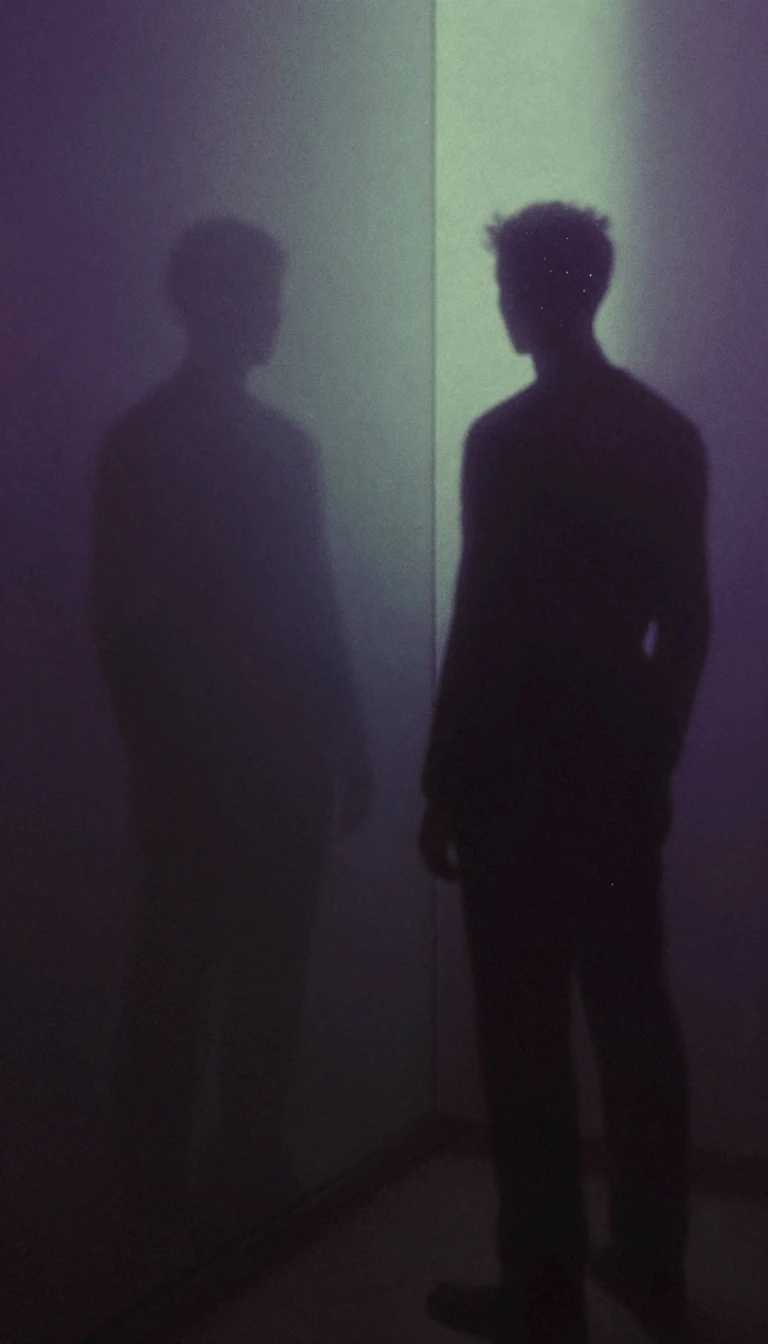
In short: Antony Tudor did not just choreograph movement; he mapped the interior lives of his characters. By stripping away purely decorative dance, he pioneered the psychological ballet, using classical technique to expose raw themes like jealousy, grief, and rejection. His work remains the conscience of the modern dance world.
Born William Cook in London in 1908, Antony Tudor discovered dance in his late teens after witnessing the Ballets Russes. Under the guidance of Marie Rambert, he began his professional career in 1928. By the time he was thirty, he had already created revolutionary works like Jardin aux Lilas and Dark Elegies. These early ballets established a signature style that prioritized emotional motivation over traditional artifice, a departure that would define his legacy.
In 1940, Tudor moved to the United States, where he joined the company that became the American Ballet Theatre. It was here that he composed his most famous psychological ballets, including Pillar of Fire in 1942 and Undertow in 1945. Tudor’s approach was rigorous and often demanding; he famously noted that a choreographer must be willing to break a dancer down to their core before helping them rebuild as a character. He sought to eliminate decorative flourishes, replacing them with painstaking gestures that revealed the inner turmoil of his subjects.
Tudor’s influence extended well beyond the stage. He held faculty positions at the Juilliard School and the Metropolitan Opera Ballet School, and he established the Philadelphia Ballet Guild. A disciplined Zen Buddhist in his later years, he died in 1987 at the First Zen Institute of America. Today, his works are preserved by the Antony Tudor Ballet Trust, ensuring that his unique blend of austerity, elegance, and psychological depth continues to challenge and inspire new generations of dancers.
While Tudor’s work focused on the interiority of the human spirit, his era was also defined by a broader fascination with historical interiors and the preservation of design. Much like the miniature rooms created by Narcissa Niblack Thorne in the 1930s—which balanced historical accuracy with artistic interpretation to create atmospheric, stage-like spaces—Tudor’s ballets functioned as meticulously composed environments. Both creators understood that whether through a physical room or a choreographed movement, the most compelling art invites the viewer to step into a space that feels both grounded in history and deeply, humanly alive.
Opens the Intellect+ feed with this card first. Swipe up for the next one.
Sources
- Source: Art Institute of Chicago — E1: English Great Room of the Late Tudor Period, 1550–1603 · CC0 (data); description CC BY 4.0
- Also: Antony Tudor | Modern Ballet, Choreographer & Teacher | Britannica
- Also: Antony Tudor
To cite this card, link to https://intellectplus.co.uk/app/art-antony-tudor.
How we source, check and correct cards: Editorial standards.
General information, not professional advice. Spotted an error? Flag the card or see corrections and complaints.
Intellect Plus is a visual educational discovery platform for exploring fascinating facts and ideas. Brain Food, Not Brain Rot. What is Intellect Plus?
Related
More in Entertainers · More in Art · Latest · A–Z · All topics
