Why the greatest painter of ancient Greece left no surviving works behind
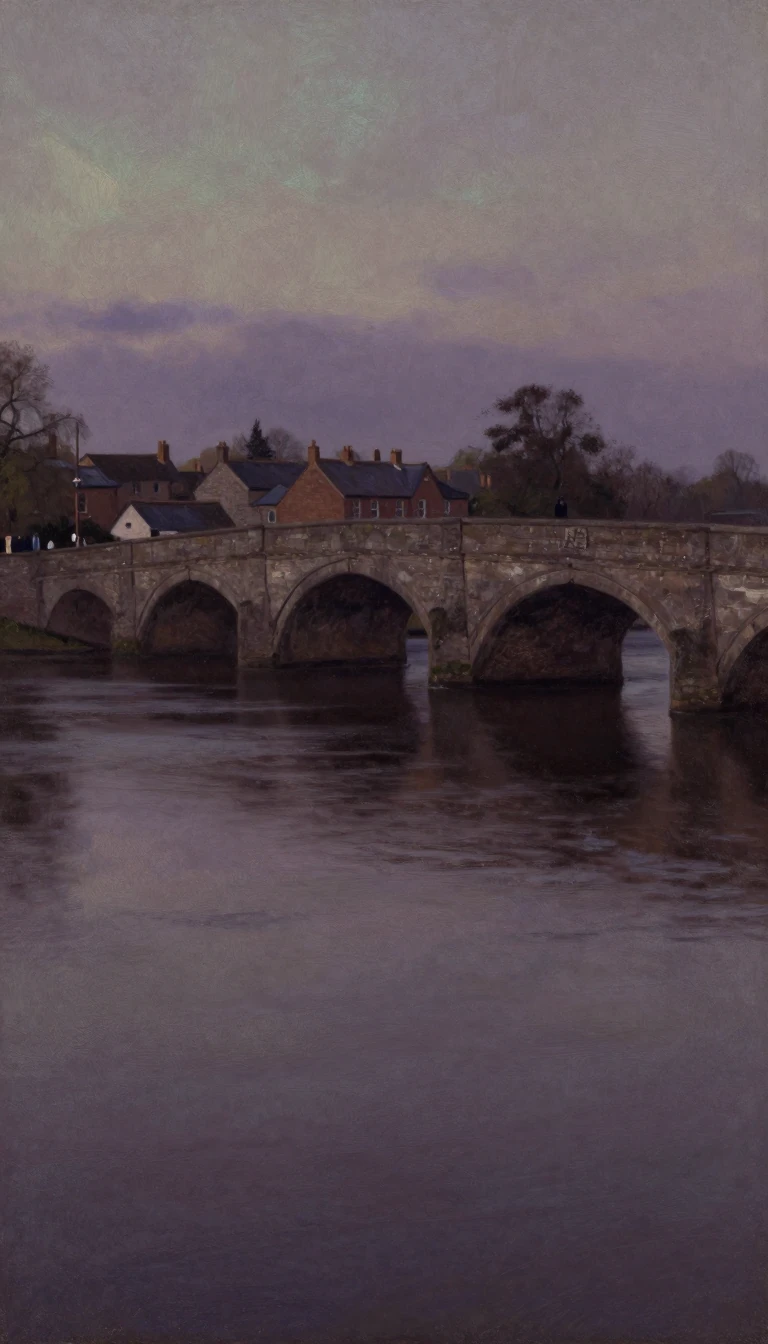
In short: Apelles was the legendary court painter to Alexander the Great, yet not a single one of his original works survives today. Known for his grace and daily discipline, he became a mythical figure whose techniques and anecdotes shaped Renaissance masters like Botticelli and Raphael, despite his physical legacy vanishing entirely.
Apelles of Kos, active during the 4th century BC, remains the most celebrated painter of antiquity, largely due to the accounts of Pliny the Elder. As the court painter for Philip II and Alexander the Great, he attained immense fame, though his reputation is built on stories rather than extant canvases. His work was characterized by a commitment to daily practice—captured in the maxim 'nulla dies sine linea,' or 'not a day without a line drawn'—and a pursuit of grace that transcended mere naturalism. He was known for his mastery of line and a secret black varnish that softened colors and preserved his paintings, a technique lost upon his death.
The artist's life is defined by anecdotes that illustrate his perfectionism and professional rivalries. One famous tale involves a visit to the studio of his contemporary, Protogenes. Finding him absent, Apelles drew a single, perfect line on a panel. When Protogenes returned, he drew an even finer line in a different color. Apelles then returned and split the difference with a third line, leaving no room for further improvement. This spirit of competitive excellence, combined with his allegorical works like the 'Calumny of Apelles,' made him a touchstone for later artists. Renaissance figures, including Botticelli and Raphael, sought to reconstruct his lost compositions through descriptions provided by ancient writers like Lucian.
Despite his status, Apelles was not immune to criticism or political peril. Plutarch famously disparaged his portrait of Alexander for failing to capture the king's true complexion, and he narrowly escaped execution after being falsely accused of conspiring against Ptolemy IV Philopator. His influence, however, persisted for centuries. Even in the 15th century, the mathematician Luca Pacioli suggested that Leonardo da Vinci had finally surpassed the ancient master. Today, Apelles survives only as a ghost in the history of art—a symbol of the ideal painter whose influence remains profound even as his physical output has been entirely erased by time.
Opens the Intellect+ feed with this card first. Swipe up for the next one.
Sources
- Summary by Intellect · source: Apelles
To cite this card, link to https://intellectplus.co.uk/app/art-apelles.
How we source, check and correct cards: Editorial standards.
General information, not professional advice. Spotted an error? Flag the card or see corrections and complaints.
Intellect Plus is a visual educational discovery platform for exploring fascinating facts and ideas. Brain Food, Not Brain Rot. What is Intellect Plus?
Related
More in Visual artists · More in Art · Latest · A–Z · All topics
