The Apostolic Palace is not just a home but a sprawling city of art.
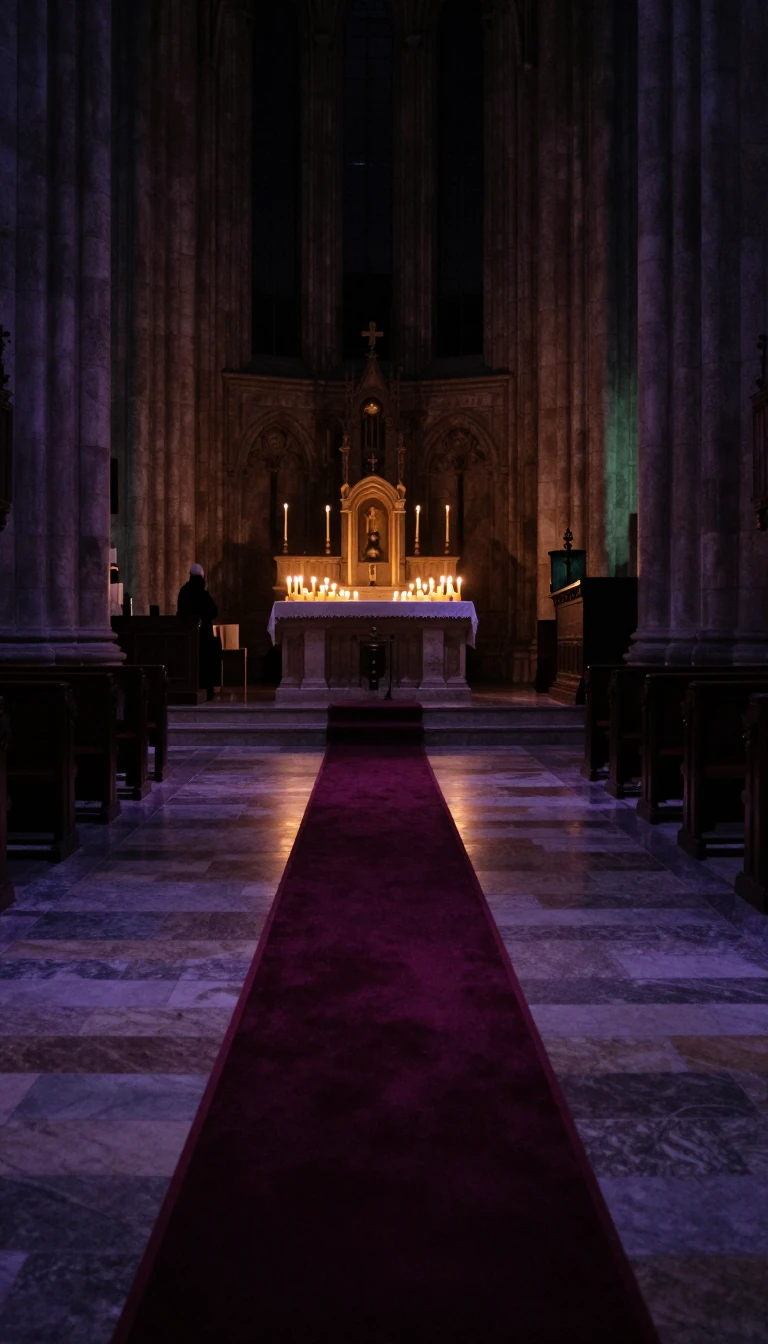
In short: Beyond its role as the papal residence, the Apostolic Palace is a vast, self-contained architectural complex. It houses priceless treasures, from the Sistine Chapel to the Vatican Library, serving as a monumental center of global culture, administration, and history that has evolved over more than a millennium of papal influence.
The Apostolic Palace, situated in Vatican City, serves as the official residence of the pope and the administrative heart of the Roman Catholic Church. While often viewed as a single entity, it is more accurately a series of interconnected buildings. The site’s history is ancient; by the 4th century, the church had gained significant territory, and early papal palaces were established near St. Peter’s Basilica. Following the papacy’s return from Avignon in 1377, the Vatican underwent a period of revitalization, eventually leading to the construction of the current palace, which was largely shaped by Pope Sixtus V beginning in 1589.
The palace is renowned for its unparalleled artistic legacy. It contains the Sistine Chapel, famous for its frescoes by Michelangelo, and the Stanze di Raffaello, a suite of rooms decorated by Raphael and his successors. Beneath these lie the Borgia Apartments, adorned with frescoes by Pinturicchio commissioned by Pope Alexander VI between 1492 and 1494. These spaces highlight the Renaissance popes' roles as foremost patrons of the arts, transforming the residence into a cultural golden age landmark that continues to attract visitors from across the globe.
Beyond its artistic treasures, the palace functions as a repository of human knowledge. The Vatican Apostolic Library holds a collection of approximately 150,000 manuscripts and 1.6 million printed books, some dating back to pre-Christian times. The complex is managed by the Prefecture of the Pontifical Household and remains a site of immense political and spiritual significance. Since the Lateran Treaty of 1929, Vatican City has maintained its status as an independent state, allowing the pope to exercise universal authority while preserving the palace as a world-renowned center of history, governance, and culture.
Opens the Intellect+ feed with this card first. Swipe up for the next one.
Sources
- Summary by Intellect · source: Vatican Palace | Definition, Catholicism, History, Architecture, Art, & Facts | Britannica
- Also: Apostolic Palace
To cite this card, link to https://intellectplus.co.uk/app/art-apostolic-palace.
How we source, check and correct cards: Editorial standards.
General information, not professional advice. Spotted an error? Flag the card or see corrections and complaints.
Intellect Plus is a visual educational discovery platform for exploring fascinating facts and ideas. Brain Food, Not Brain Rot. What is Intellect Plus?
Related
More in Visual artists · More in Art · Latest · A–Z · All topics
