Why the most important tool in modern car design is a lump of clay.
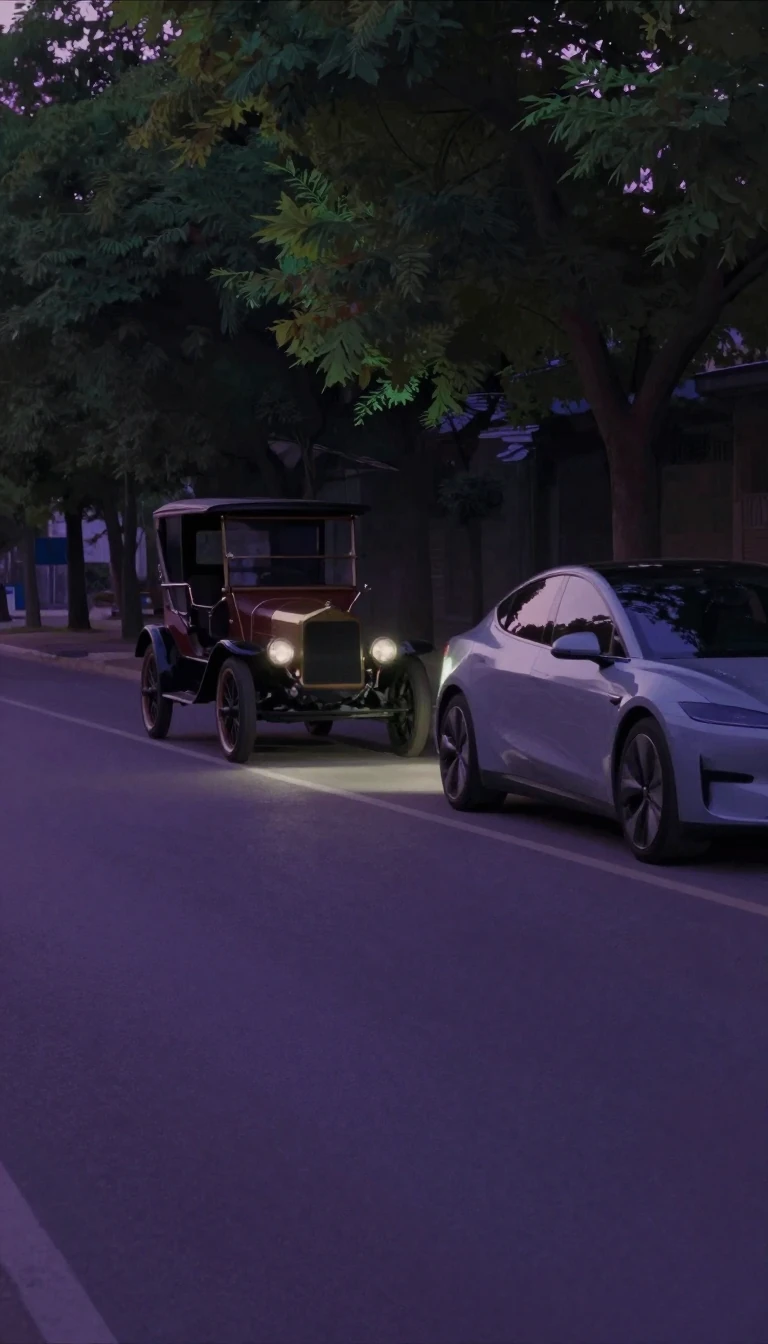
In short: Despite the rise of photorealistic 3D software and virtual power walls, the humble clay model remains the industry standard for final design evaluation. Automotive design is a complex fusion of art and engineering, where teams of 25 to 40 people spend over two years crafting a vehicle's visual identity.
Automotive design is a specialized discipline focused on the visual aesthetics and ergonomics of vehicles. The process is typically divided into three core areas: exterior, interior, and color and trim. While modern designers utilize sophisticated digital tools like Autodesk Alias and ICEM Surf to meet rigorous Class-A surface standards, the physical clay model is still essential. Designers use CNC milling machines to carve these models, which allow for a final, tangible evaluation of form and surface continuity that virtual models cannot yet fully replace.
The profession has evolved significantly since the early days of the automobile, when manufacturers prioritized mechanical reliability over appearance. In the 1920s, General Motors leader Alfred P. Sloan Jr. introduced the concept of annual model-year changes to stimulate sales, a strategy critics dubbed planned obsolescence. This shift forced a departure from simple, engineering-led designs toward a cycle of constant aesthetic updates. By the 1930s, creative coachbuilding flourished, though the industry learned hard lessons about consumer risk after the radical Chrysler Airflow of 1934 faced poor market acceptance.
Global design trends have been heavily influenced by regional identities and historical movements. Italian studios, for instance, became a global force from the 1950s through the 1980s, while German design evolved into a distinctive Teutonic style to complement high-speed performance. Today, the design team must balance these aesthetic goals with complex requirements, including safety regulations, manufacturing constraints, and the integration of emerging vehicular gadgetry. Because these creative concepts are highly competitive, the artwork and models produced during development are routinely destroyed to prevent rival manufacturers from seeing them before a vehicle's launch.
Opens the Intellect+ feed with this card first. Swipe up for the next one.
Sources
- Summary by Intellect · source: Automotive design
To cite this card, link to https://intellectplus.co.uk/app/art-automotive-design.
How we source, check and correct cards: Editorial standards.
General information, not professional advice. Spotted an error? Flag the card or see corrections and complaints.
Intellect Plus is a visual educational discovery platform for exploring fascinating facts and ideas. Brain Food, Not Brain Rot. What is Intellect Plus?
Related
More in Visual arts · More in Art · Latest · A–Z · All topics
