Why does a nineteenth-century clerk who refuses to work still haunt our modern imagination?
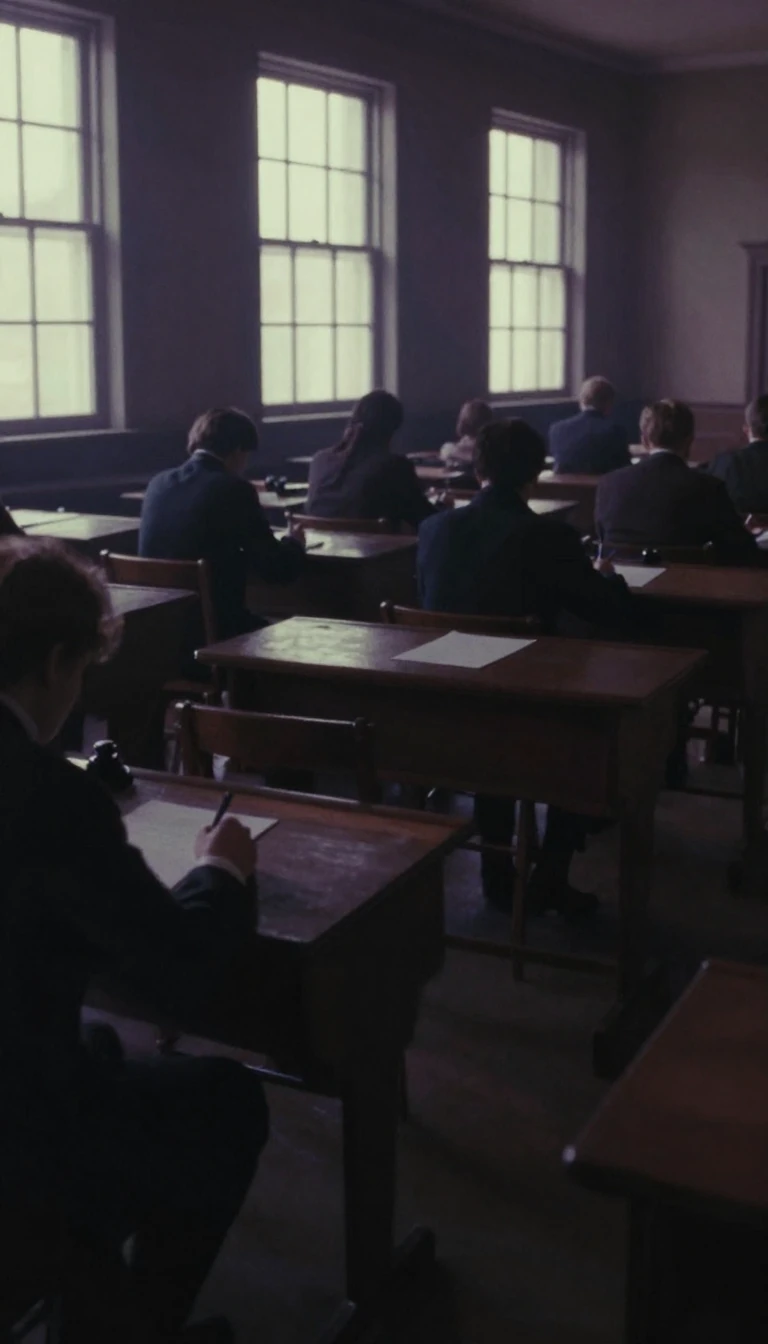
In short: Herman Melville’s 1853 story introduces a scrivener who responds to every request with the haunting phrase, I would prefer not to. As he descends into total passivity, starvation, and death, he leaves his employer—and generations of readers—grappling with the limits of human empathy and the crushing weight of modern life.
Published anonymously in Putnam’s Monthly Magazine, the story follows an elderly Wall Street lawyer who hires Bartleby, a quiet clerk who initially produces high-quality work. The tension begins when Bartleby suddenly refuses to proofread documents, offering only his now-famous mantra. As his productivity vanishes, he spends his days staring at a brick wall. The narrator, caught between professional reputation and a growing, uneasy identification with his employee, eventually abandons his office, leaving Bartleby to be arrested as a vagrant and ultimately perish from starvation in the Tombs.
Scholars have long debated the meaning of Bartleby’s decline. Some view it through a psychological lens, suggesting he represents a manifestation of clinical depression or a 'psychological double' for the narrator, reflecting the sterility of the lawyer's world. Others see the story as a philosophical inquiry into free will, drawing parallels to the works of Jonathan Edwards and Joseph Priestley. By isolating himself from the world, Bartleby may be exercising an absolute, if fatal, form of personal agency that defies the deterministic pressures of his environment.
The story also serves as a critique of nineteenth-century ethics. It highlights the conflict between traditional Christian compassion and the emerging economic 'prudence' of the era, which demanded active, reasonable participation in society. Bartleby’s refusal to engage with this system renders him an 'unclassifiable weirdo' in a city increasingly defined by profit. Whether viewed as an autobiographical portrait of Melville’s own disillusionment or a timeless exploration of alienation, the story remains a powerful meditation on the humanity we choose to recognize—and the parts of ourselves we prefer to wall off.
Opens the Intellect+ feed with this card first. Swipe up for the next one.
Sources
- Summary by Intellect · source: Bartleby, the Scrivener
- Also: Art Institute of Chicago — Bartleby, The Scrivener, plate 177 from The Wood Engravings of Leonard Baskin · CC0 (data); description CC BY 4.0
To cite this card, link to https://intellectplus.co.uk/app/art-bartleby-the-scrivener.
How we source, check and correct cards: Editorial standards.
General information, not professional advice. Spotted an error? Flag the card or see corrections and complaints.
Intellect Plus is a visual educational discovery platform for exploring fascinating facts and ideas. Brain Food, Not Brain Rot. What is Intellect Plus?
Related
More in Literature · More in Art · Latest · A–Z · All topics
