Why did Austria, a land of music and palaces, produce literature so late?
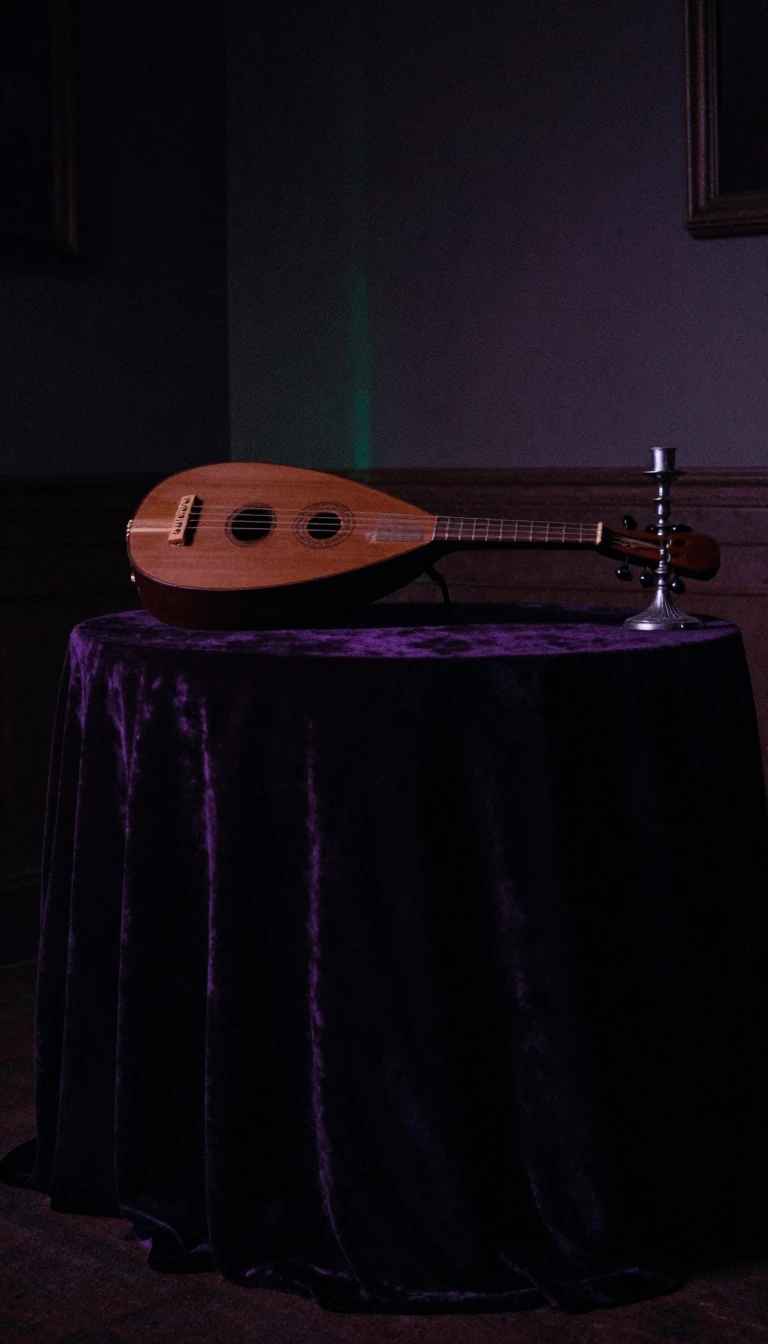
In short: While Vienna became Europe's musical capital, its literary scene remained stunted for centuries. Strict imperial censorship, a culture obsessed with baroque spectacle, and a deeply sensuous, plastic mindset prioritized beauty over the written word. It was not until the late 19th century that a truly dynamic literary climate finally emerged.
For centuries, Austrian literature struggled to find its footing. In the early 18th century, visitors like Lady Mary Wortley Montagu were surprised to find almost no writers at all. The imperial court viewed the arts primarily as political propaganda, favoring architecture, portraiture, and music over literature, which was deemed less suitable for state aims. This environment was further stifled by the 'Chastity Commission' under Empress Maria Theresa, which enforced strict censorship to uphold public morals, even banning the entire works of Goethe.
The cultural historian Carl Emil Schorske argued that Austria’s late literary fruition stemmed from a 'profoundly Catholic' and 'deeply sensuous' mindset. This aristocratic outlook, which emphasized beauty and fantasy, was ideal for fostering musical traditions but proved inhospitable to the intellectual rigor required for literary experimentation. While the Middle Ages saw the rise of minnesang and religious texts, and the Enlightenment brought a push for instructional writing, literature remained largely overshadowed by the state's preference for visual and auditory grandeur.
The landscape shifted in the late 19th century as liberalization created a more dynamic environment. Austrian literature began to distinguish itself from German currents by adopting a conservative stance against modern movements like socialism and materialism, focusing instead on individual psychology. This evolution was complex, shaped by the multi-ethnic nature of the Habsburg Empire. Writers like Franz Kafka, who navigated the intersections of German, Czech, and Jewish identities in Prague, exemplify the unique, often difficult-to-define character of this tradition, which grew from a symbiosis of regional traditions and diverse languages.
Opens the Intellect+ feed with this card first. Swipe up for the next one.
Sources
- Summary by Intellect · source: Austrian literature
To cite this card, link to https://intellectplus.co.uk/app/art-austrian-literature.
How we source, check and correct cards: Editorial standards.
General information, not professional advice. Spotted an error? Flag the card or see corrections and complaints.
Intellect Plus is a visual educational discovery platform for exploring fascinating facts and ideas. Brain Food, Not Brain Rot. What is Intellect Plus?
Related
More in Literature · More in Art · Latest · A–Z · All topics
