Bibliography is more than just a list of books at the end of papers.
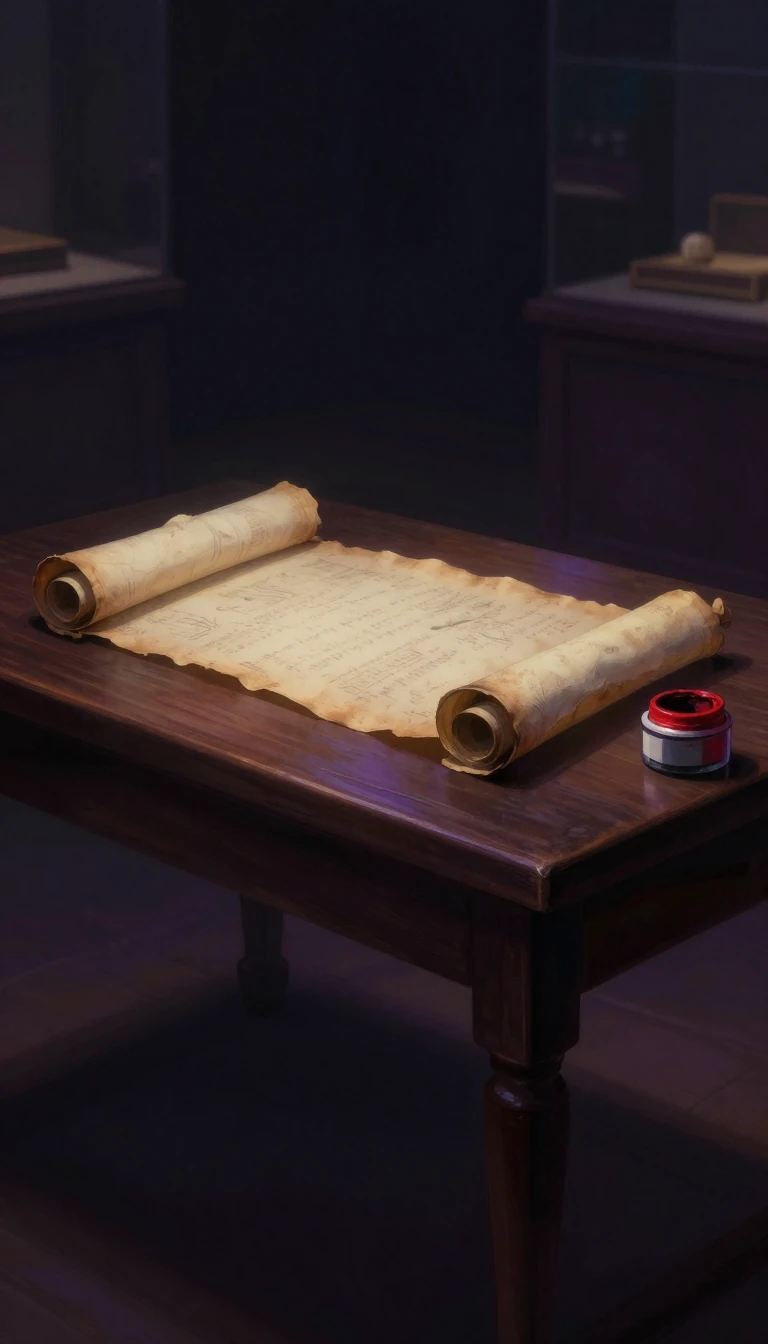
In short: While most know bibliography as a simple list of sources, the field is actually a rigorous scholarly discipline. It encompasses both the systematic organization of texts and the forensic study of books as physical artifacts, revealing the hidden history of how human knowledge is produced, transmitted, and preserved.
Bibliography functions as a twofold discipline. Enumerative bibliography, the more common form, involves creating systematic lists of works based on criteria like author, subject, or date. These lists range from simple citations in academic papers to independent publications like Gow’s 1936 study of A. E. Housman. In contrast, descriptive bibliography treats the book as a material object. It is a form of historical scholarship that seeks to identify the 'ideal copy'—the version that most closely matches the printer's original intention.
The practice of descriptive bibliography relies on analytical bibliography, which acts as its cornerstone. By examining physical evidence such as paper, ink, binding, and typography, bibliographers can reconstruct the conditions of a book's production. Foundational figures like Fredson Bowers, whose 1949 work The Principles of Bibliographic Description remains an authoritative guide, established the conventions for this forensic approach. These scholars analyze everything from watermarks and chain-line measurements to the specific layout of title pages to establish a book's history.
The scope of the field has expanded significantly over time. While early bibliographers like Conrad Gessner, who published Bibliotheca Universalis in 1545, focused on books, modern bibliography now encompasses diverse media including audio recordings, films, and websites. D. F. McKenzie further broadened the discipline, arguing that bibliography should study texts as recorded forms within their sociocultural contexts. Today, the field even includes bibliometrics—the quantitative analysis of publications used to inform major library collection decisions—and specialized digital practices like 'arachniography,' a term for lists of URLs.
Opens the Intellect+ feed with this card first. Swipe up for the next one.
Sources
- Summary by Intellect · source: Bibliography
To cite this card, link to https://intellectplus.co.uk/app/art-bibliography.
How we source, check and correct cards: Editorial standards.
General information, not professional advice. Spotted an error? Flag the card or see corrections and complaints.
Intellect Plus is a visual educational discovery platform for exploring fascinating facts and ideas. Brain Food, Not Brain Rot. What is Intellect Plus?
Related
More in Literature · More in Art · Latest · A–Z · All topics
